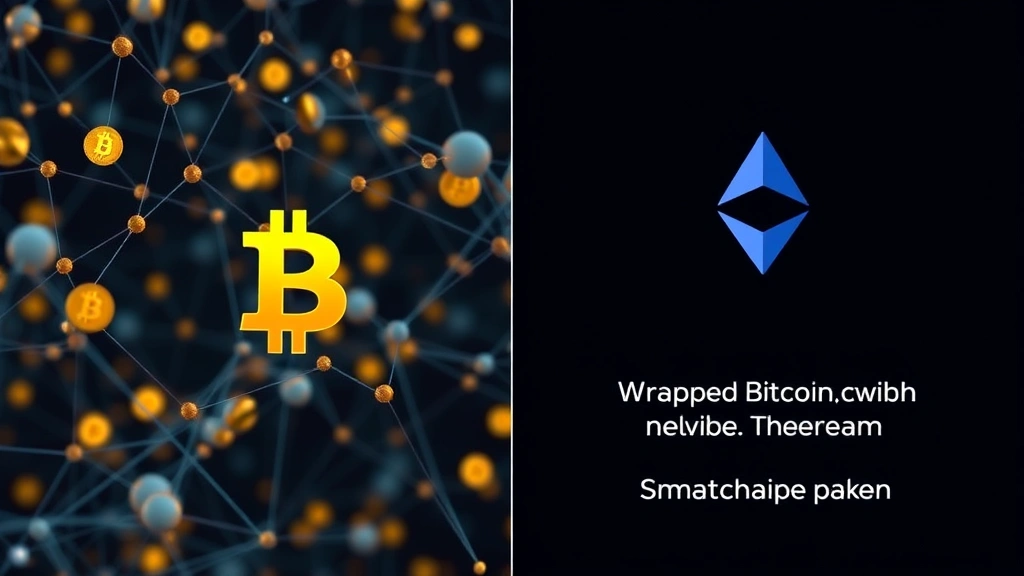
Wrapped Bitcoin vs Bitcoin: A Comprehensive Comparison
Bitcoin has established itself as the world’s leading cryptocurrency since its inception in 2009, but the emergence of wrapped tokens has introduced a new dimension to how investors interact with digital assets. Wrapped Bitcoin (WBTC) represents a tokenized version of Bitcoin on the Ethereum blockchain, creating a bridge between two distinct blockchain ecosystems. Understanding the differences between native Bitcoin and its wrapped counterpart is essential for investors navigating the increasingly complex cryptocurrency landscape.
The distinction between Bitcoin and Wrapped Bitcoin extends far beyond simple semantics. While both represent claims to Bitcoin value, they operate on different blockchains, possess different technical characteristics, and serve different purposes within the decentralized finance (DeFi) ecosystem. This comprehensive guide explores every aspect of this comparison, helping you make informed decisions about which asset aligns with your investment strategy and use case.
What is Bitcoin?
Bitcoin is a decentralized digital currency that operates on its own independent blockchain network. Created by an anonymous developer or group known as Satoshi Nakamoto, Bitcoin introduced the concept of why Bitcoin is valuable through its revolutionary proof-of-work consensus mechanism. The network validates transactions through mining, a process where specialized computers solve complex mathematical problems to secure the network and create new Bitcoin.
The Bitcoin blockchain is immutable, meaning once transactions are recorded, they cannot be altered or reversed. This immutability, combined with Bitcoin’s Bitcoin encryption technology, provides robust security that has remained virtually unbreached since its launch. Bitcoin operates with a fixed supply cap of 21 million coins, making it inherently scarce and deflationary by design.
Native Bitcoin transactions occur directly on the Bitcoin network, requiring Bitcoin-specific wallets and nodes to validate. The process of how long it takes to mine a Bitcoin depends on network difficulty and hash rate, but new blocks are created approximately every ten minutes. This decentralized nature means Bitcoin operates without intermediaries, banks, or government control.
Understanding Wrapped Bitcoin (WBTC)
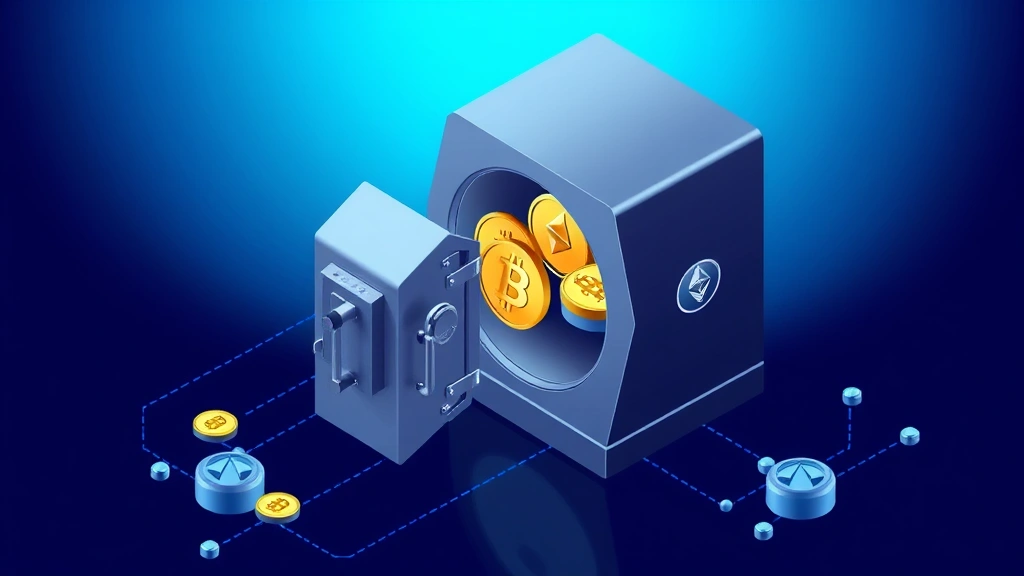
Wrapped Bitcoin represents a tokenized version of Bitcoin that exists on the Ethereum blockchain. WBTC operates as an ERC-20 token, meaning it follows Ethereum’s technical standards and can interact with the broader Ethereum ecosystem. Each WBTC token is backed by an equivalent amount of actual Bitcoin held in reserve by custodians.
The process of creating WBTC involves sending Bitcoin to a custodian who locks it and issues an equivalent amount of WBTC tokens on Ethereum. This mechanism allows Bitcoin holders to access Ethereum’s DeFi applications while maintaining exposure to Bitcoin’s value. The WBTC supply is maintained by a decentralized network of merchants and custodians who ensure the 1:1 backing ratio.
WBTC transactions are significantly faster than Bitcoin transactions because they settle on the Ethereum network rather than Bitcoin’s network. This speed advantage makes WBTC more suitable for frequent trading and DeFi interactions. Additionally, WBTC can be programmed into smart contracts, enabling complex financial instruments and automated trading strategies impossible on the Bitcoin network.
” alt=”blockchain-networks-visualization” style=”width: 100%; max-width: 600px; display: block; margin: 0 auto;”>
Key Technical Differences
The fundamental technical distinction between Bitcoin and Wrapped Bitcoin centers on their underlying blockchains. Bitcoin operates on its own proof-of-work network, while WBTC exists as a smart contract token on the Ethereum blockchain, which uses proof-of-stake consensus. This architectural difference impacts transaction speeds, costs, and capabilities.
Bitcoin transactions require confirmation from Bitcoin miners and typically take 10-60 minutes for final settlement, depending on network congestion and transaction fees. WBTC transactions, conversely, settle within seconds to minutes on the Ethereum network. Bitcoin blocks are created every 10 minutes, while Ethereum produces blocks every 12-15 seconds, demonstrating the speed advantage of the Ethereum network.
The scripting capabilities differ dramatically between the two assets. Bitcoin uses a limited scripting language designed primarily for transaction validation, while Ethereum’s smart contract platform enables complex programmable logic. This means WBTC can be integrated into yield farming protocols, lending platforms, and decentralized exchanges in ways native Bitcoin cannot.
Security models also diverge significantly. Bitcoin’s security derives from the immense computational power dedicated to mining, making it extraordinarily expensive to attack. WBTC’s security depends on Ethereum’s network security plus the custodial security of the Bitcoin held in reserve. This introduces counterparty risk, as users must trust that custodians maintain adequate Bitcoin reserves backing WBTC tokens.
Use Cases and Applications
Bitcoin serves as a store of value and medium of exchange, functioning as digital gold in investment portfolios. Many institutional investors hold Bitcoin as a hedge against inflation and currency devaluation. Bitcoin’s primary use case remains peer-to-peer transactions on its native network, though transaction fees and speed make it less suitable for everyday purchases compared to other cryptocurrencies.
Wrapped Bitcoin excels in DeFi applications where Bitcoin’s value is needed within the Ethereum ecosystem. Users can deposit WBTC into lending protocols to earn interest, provide liquidity to decentralized exchanges, or use it as collateral for loans. The flexibility of WBTC enables participation in complex yield farming strategies that generate returns impossible to achieve with native Bitcoin.
For traders seeking to access Bitcoin price movements on CNBC and other financial platforms, native Bitcoin offers direct exposure. However, for those wanting to simultaneously participate in Ethereum-based DeFi while maintaining Bitcoin exposure, WBTC provides an optimal solution. The choice depends entirely on your investment objectives and desired level of participation in the cryptocurrency ecosystem.
Institutional adoption favors different products for different purposes. Some institutions prefer native Bitcoin for long-term holdings and regulatory clarity, while others utilize WBTC for yield generation and DeFi participation. The rise of FintechZoom Bitcoin news coverage demonstrates growing institutional interest in both forms.
Security Considerations
Bitcoin’s security is derived from its decentralized network of miners and nodes worldwide. The consensus mechanism makes it virtually impossible for any single entity to manipulate the blockchain or reverse transactions. The network’s security has been tested repeatedly over 15+ years without successful attacks on the protocol level, establishing Bitcoin as exceptionally secure.
WBTC introduces additional security layers and potential vulnerabilities. The primary risk involves custodial security—if the institution holding Bitcoin reserves is compromised, WBTC token holders could face losses. Major WBTC custodians implement multi-signature wallets and insurance coverage to mitigate this risk, but counterparty risk remains inherent to the design.
Smart contract risk represents another consideration for WBTC. The Ethereum smart contracts managing WBTC could contain vulnerabilities that malicious actors exploit. However, WBTC contracts have been audited extensively, and the protocol has operated without critical security breaches since its launch in 2019.
Regulatory risk affects both assets differently. Bitcoin’s status as a commodity is relatively established, while WBTC’s classification as a security versus commodity remains unclear in many jurisdictions. This regulatory uncertainty could impact WBTC’s future availability or functionality.
Liquidity and Trading
Bitcoin enjoys the deepest liquidity of any cryptocurrency, with billions in daily trading volume across hundreds of exchanges globally. This liquidity ensures that even large trades can be executed with minimal price slippage. Bitcoin’s established market infrastructure includes futures contracts, options, and spot trading across virtually every major exchange.
WBTC liquidity has grown substantially since its inception, with significant trading volume on decentralized exchanges like Uniswap and Curve, as well as centralized exchanges. However, WBTC’s liquidity remains considerably lower than Bitcoin’s, meaning large trades could experience greater slippage. The liquidity for WBTC is concentrated in specific trading pairs, primarily against Ethereum and stablecoins.
For retail traders executing standard market orders, both assets offer adequate liquidity. However, institutional traders moving substantial positions will find Bitcoin’s liquidity superior. WBTC’s advantage lies in its integration within DeFi protocols, where liquidity pools provide opportunities unavailable for native Bitcoin.
The bid-ask spreads for WBTC vary depending on the exchange and trading pair, typically ranging from 0.01% to 0.5%. Bitcoin’s spreads are generally tighter, often below 0.01% on major exchanges. These differences become significant when executing frequent trades or large positions.
” alt=”cryptocurrency-wallet-security” style=”width: 100%; max-width: 600px; display: block; margin: 0 auto;”>
Cost Implications
Bitcoin transaction fees depend on network congestion and the fee rate you select. During periods of high network activity, fees can exceed $50 per transaction. During low-congestion periods, fees might drop to $1-5. These fees are paid to miners who validate transactions and secure the network. For long-term holders, transaction fees matter minimally, but for active traders, they represent significant costs.
WBTC transaction costs are denominated in Ethereum gas fees, which fluctuate based on network demand. Ethereum gas fees are typically lower than Bitcoin fees during normal network conditions but can spike dramatically during congestion. Swapping WBTC on decentralized exchanges incurs additional costs through liquidity provider fees, typically 0.05% to 0.3% depending on the pool.
The conversion process between Bitcoin and WBTC incurs fees charged by merchants and custodians, usually ranging from 0.1% to 0.5%. These fees apply both when wrapping Bitcoin into WBTC and unwrapping WBTC back into Bitcoin. For frequent conversions, these costs accumulate significantly.
Long-term holders should consider annual custody or storage costs. Bitcoin held in self-custody incurs no ongoing fees, while institutional custody solutions charge annual fees typically between 0.1% and 0.5%. WBTC held in smart contracts may incur small ongoing costs, though many DeFi platforms charge fees only on profits rather than principal.
Risks and Challenges
Bitcoin faces regulatory risks as governments worldwide develop cryptocurrency frameworks. Some jurisdictions have restricted or banned Bitcoin, creating uncertainty for users in those regions. However, Bitcoin’s decentralized nature makes complete prohibition difficult to enforce globally.
WBTC faces more acute regulatory risks because its classification as a security could trigger stringent regulations. If regulators classify WBTC as a security, its trading and custody could become heavily restricted. Additionally, the custodians holding Bitcoin reserves for WBTC could face regulatory pressures that affect WBTC token holders.
Technological risks affect both assets. Bitcoin’s primary risk involves a potential 51% attack, though the cost of controlling 51% of Bitcoin’s hash rate exceeds $100 billion, making such attacks economically impractical. WBTC risks include smart contract bugs, Ethereum network failures, or custodian insolvency.
Market volatility represents a risk for both assets. Bitcoin’s price fluctuates dramatically, and WBTC’s price is inherently tied to Bitcoin’s value plus any premium or discount from the 1:1 peg. The peg has remained remarkably stable, but extreme market stress could cause temporary deviations.
The concentration of WBTC custodians poses systemic risk. If major custodians face simultaneous failures, it could undermine confidence in WBTC’s backing. Diversification of custodians and reserves helps mitigate this risk, but it remains an inherent weakness compared to Bitcoin’s decentralized validation.
When considering cryptocurrency price predictions for 2025, investors should evaluate these risks differently for Bitcoin versus WBTC, as their risk profiles diverge in important ways.
FAQ
Is Wrapped Bitcoin the same as Bitcoin?
Wrapped Bitcoin is not the same as Bitcoin. WBTC is an ERC-20 token on Ethereum backed 1:1 by Bitcoin held in reserve, while Bitcoin is the native cryptocurrency on its own blockchain. They represent the same value but operate on different networks with different technical characteristics and risks.
Can I convert Bitcoin to Wrapped Bitcoin instantly?
Conversion from Bitcoin to Wrapped Bitcoin typically takes several minutes to an hour, depending on Bitcoin network confirmation times and the custodian’s processing. The reverse conversion follows a similar timeline. These conversions incur fees ranging from 0.1% to 0.5%.
Which is more secure: Bitcoin or Wrapped Bitcoin?
Bitcoin is more secure from a network perspective due to its proven decentralized consensus mechanism. However, WBTC’s security depends on both Ethereum’s network security and custodial security. The introduction of custodial risk makes WBTC slightly less secure overall, though major custodians implement robust security measures.
Why would someone choose WBTC over Bitcoin?
Investors choose WBTC to participate in Ethereum-based DeFi applications while maintaining Bitcoin exposure. WBTC enables yield farming, lending, and liquidity provision opportunities unavailable for native Bitcoin. For those exclusively interested in Bitcoin as a store of value, native Bitcoin is preferable.
What happens if Bitcoin’s price crashes?
If Bitcoin’s price crashes, WBTC’s price will also decline proportionally, as it’s backed 1:1 by Bitcoin. Both assets experience identical price movements, though WBTC may trade at slight premiums or discounts during extreme volatility. The underlying Bitcoin reserves ensure WBTC maintains its value relationship to Bitcoin.
Are there other wrapped tokens besides WBTC?
Yes, several wrapped Bitcoin variants exist, including renBTC, tBTC, and others. Each uses different custodial arrangements and minting mechanisms. WBTC remains the largest and most liquid wrapped Bitcoin token, holding the majority of wrapped Bitcoin’s market capitalization.
Can I earn interest on Bitcoin directly?
Bitcoin itself doesn’t generate interest directly, but you can earn interest by lending Bitcoin through centralized platforms or staking it in specific protocols. WBTC makes earning interest easier because it integrates directly with Ethereum DeFi lending protocols that automatically compound returns.


