
Bitcoin Mining Revenue: Insights from MARA Holdings
Marathon Digital Holdings (MARA) has emerged as one of the most significant players in the Bitcoin mining industry, offering investors a unique window into the financial dynamics of cryptocurrency mining operations. As institutional interest in Bitcoin continues to grow, understanding how major mining companies like Marathon generate and optimize revenue has become increasingly important for both crypto enthusiasts and traditional investors seeking exposure to blockchain infrastructure.
The Bitcoin mining sector represents a critical component of the cryptocurrency ecosystem, responsible for validating transactions, securing the network, and introducing new Bitcoin into circulation. Marathon Digital Holdings, through its substantial mining operations and strategic investments, demonstrates how modern mining enterprises navigate volatile market conditions, energy costs, and technological challenges to maintain profitability and growth.

Understanding Bitcoin Mining Revenue Models
Bitcoin mining revenue operates on a straightforward but complex foundation: miners receive compensation for solving computational puzzles that validate transactions on the Bitcoin network. This compensation comes in two primary forms: block rewards and transaction fees. The block reward, currently set at 6.25 BTC per block following the most recent halving event, represents the primary income source for most mining operations.
The economics of mining revenue depend heavily on several interconnected variables. First, the difficulty of the mining process adjusts approximately every two weeks to maintain a consistent block discovery time of roughly ten minutes. As more miners join the network and computational power increases, difficulty rises proportionally, requiring more energy and computing resources to earn the same rewards. This dynamic creates a competitive landscape where operational efficiency directly translates to profitability.
Transaction fees represent the secondary revenue component for miners, though their contribution varies significantly based on network congestion and user demand. During periods of high activity, transaction fees can comprise 5-15% of total mining revenue, whereas during slower periods they may represent less than 1%. Understanding these dynamics is essential when evaluating how many bitcoins are left to mine and the long-term sustainability of mining operations.
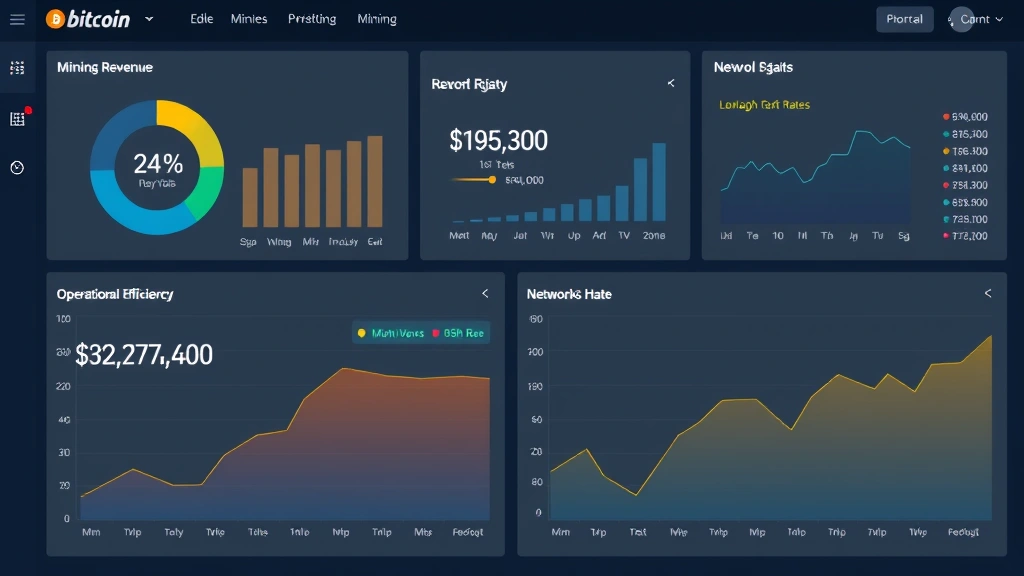
Marathon Digital Holdings Operations Overview
Marathon Digital Holdings operates one of the largest Bitcoin mining facilities in North America, with mining operations strategically distributed across multiple locations to optimize energy costs and operational resilience. The company has positioned itself as a publicly traded Bitcoin miner, allowing traditional investors to gain exposure to mining revenue through conventional stock markets.
The organization’s mining infrastructure includes data centers equipped with thousands of specialized mining computers, known as ASICs (Application-Specific Integrated Circuits), which are purpose-built devices designed solely for Bitcoin mining. These facilities operate continuously, requiring sophisticated management systems to monitor performance, manage thermal conditions, and ensure optimal hash rate production.
Marathon’s strategic approach to expansion has included acquisitions of mining facilities, partnerships with renewable energy providers, and investments in next-generation mining hardware. This comprehensive strategy reflects the company’s understanding that Bitcoin mining revenue sustainability depends not merely on current profitability but on long-term positioning within an evolving industry landscape.
Revenue Streams and Income Sources
Marathon Digital’s primary revenue stream comes directly from mined Bitcoin, which represents the most substantial and predictable income source. When the company successfully mines a block, it receives the block reward plus associated transaction fees, creating a steady flow of cryptocurrency that can be held as a strategic asset or converted to fiat currency for operational expenses.
The company’s revenue model demonstrates the direct correlation between network hash rate contribution and mining rewards. Marathon’s percentage of total network hash rate directly determines its proportional share of block rewards. For example, if Marathon controls 3% of the global Bitcoin network’s total computational power, the company can expect to receive approximately 3% of all block rewards generated during that period.
Secondary revenue opportunities emerge through various mechanisms within the mining ecosystem. Some mining operations participate in mining pools, where multiple miners combine computational resources to increase the probability of discovering blocks, sharing rewards according to contributed computing power. Marathon maintains its own mining pools, capturing additional revenue through pool fees.
Additionally, Marathon has explored Bitcoin lending arrangements and strategic Bitcoin sales during favorable market conditions. These supplementary revenue streams provide flexibility in managing cash flow and optimizing returns based on market dynamics. When bitcoin dropping in price, some miners strategically hold reserves rather than immediately converting to fiat, betting on future price appreciation.
Energy Efficiency and Cost Management
Energy consumption represents the largest operational expense for Bitcoin mining operations, typically accounting for 60-80% of total operating costs. Marathon’s profitability directly depends on securing competitive electricity rates and maximizing the efficiency of mining hardware. The company has strategically located facilities in regions with abundant, affordable renewable energy sources, including areas with hydroelectric power and wind energy capacity.
Modern mining hardware has evolved significantly, with each generation of ASIC miners improving hash rate per watt of electricity consumed. Marathon continuously upgrades its mining fleet to newer, more efficient models, understanding that hardware efficiency directly impacts mining revenue sustainability. A miner operating equipment 10% more efficient than competitors produces 10% more Bitcoin revenue while consuming the same electricity.
Thermal management and facility design play crucial roles in operational efficiency. Marathon’s data centers employ sophisticated cooling systems, optimized airflow designs, and sometimes leverage environmental conditions like cold climates to reduce cooling costs. These engineering considerations, while less visible than hardware specifications, significantly influence the bottom line of mining revenue operations.
The company has also invested in renewable energy partnerships, securing long-term power purchase agreements that provide predictable electricity costs independent of volatile energy markets. This strategic approach insulates Marathon from energy price spikes that could rapidly erode mining profitability.
Market Factors Affecting Mining Profitability
Bitcoin price represents the most significant external variable affecting mining revenue value. While miners receive Bitcoin rewards regardless of price, the fiat value of those rewards fluctuates dramatically with market sentiment. A Bitcoin miner earning 6.25 BTC per block receives the same cryptocurrency whether Bitcoin trades at $30,000 or $60,000, but the USD value of mining revenue doubles in the latter scenario.
Network difficulty adjustments create a competitive dynamic where increased mining participation reduces individual mining profitability. When new miners enter the market or existing miners expand operations, network difficulty increases, requiring more computational work to maintain the same block discovery rate. This mechanism ensures that total mining rewards remain distributed across the network efficiently, but it compresses individual miner returns unless they simultaneously increase their hash rate capacity.
Halving events, occurring approximately every four years, reduce block rewards by 50%. These events fundamentally reshape mining economics, as miners must either double their operational efficiency or accept lower revenue to maintain profitability. Marathon’s long-term strategy accounts for these predictable but impactful events.
Regulatory developments significantly influence mining revenue potential and sustainability. Changes in electricity regulations, environmental policies, or cryptocurrency-specific legislation can dramatically affect operational costs and market dynamics. Marathon maintains active engagement with regulatory bodies to understand emerging requirements and anticipate policy changes that might impact mining operations.
MARA’s Competitive Position in the Industry
Marathon Digital competes with other major mining companies including Core Scientific, Riot Blockchain, and Bitfarms, as well as countless smaller independent operations. The company’s scale provides significant competitive advantages, including negotiating power for electricity rates, access to capital for hardware upgrades, and operational expertise that smaller competitors struggle to match.
The competitive landscape has consolidated significantly, with larger, well-capitalized operations increasingly dominating mining revenue distribution. Marathon’s status as a publicly traded company provides capital advantages over private competitors, enabling aggressive expansion and technology adoption. This competitive positioning strengthens Marathon’s ability to maintain profitability even during periods when smaller miners face margin compression.
Marathon’s transparency regarding operations, regular reporting of hash rate capacity, and strategic communication with investors differentiates it from competitors. Investors seeking exposure to mining revenue through traditional equity markets find Marathon attractive due to its regulatory compliance, audited financial statements, and institutional-grade governance structures.
The company’s diversification strategy, including exploration of Bitcoin lending and strategic asset management, provides revenue stability beyond pure mining operations. This approach acknowledges that Bitcoin mining revenue sustainability depends on adapting to market evolution rather than relying solely on traditional mining mechanics.
Future Outlook for Mining Revenue
Long-term Bitcoin mining revenue sustainability faces both opportunities and challenges. The upcoming Bitcoin halving events will continue compressing block rewards, requiring miners to either achieve dramatic efficiency improvements or accept lower revenue unless Bitcoin price appreciation compensates for reduced block rewards.
Technological advancement in mining hardware continues on a gradual trajectory, with incremental efficiency improvements rather than revolutionary breakthroughs. Marathon’s commitment to deploying next-generation equipment positions the company to benefit from these improvements, maintaining competitive advantage relative to operations using older hardware.
The integration of renewable energy into mining operations represents both a practical necessity and a strategic advantage. As environmental concerns gain prominence, mining operations powered by renewable energy sources enhance their sustainability profile and reduce regulatory risk. Marathon’s investments in renewable energy partnerships align with these long-term industry trends.
Institutional adoption of Bitcoin continues expanding, with corporations, pension funds, and investment firms accumulating Bitcoin holdings. This macro trend supports Bitcoin price appreciation, which directly enhances mining revenue value. Marathon benefits from this institutional momentum through both mining revenue appreciation and potential stock price expansion reflecting increased asset demand.
The emergence of Bitcoin as a strategic reserve asset for nations and corporations could fundamentally reshape mining economics, driving sustained price appreciation that would dramatically improve mining profitability. Marathon’s position as a North American Bitcoin miner provides exposure to potential institutional and governmental adoption trends.
When considering investment in mining-exposed assets, understanding how much should I invest in bitcoin and related mining equities requires acknowledging both the revenue potential and significant risks. Mining stocks provide leveraged exposure to Bitcoin price movements while adding operational and competitive risks that pure Bitcoin holdings avoid.
Comparative analysis with alternative Bitcoin exposure methods, such as examining the bitcoin to gold ratio for portfolio diversification or exploring Vanguard Bitcoin ETF options, helps investors determine optimal allocation strategies. Mining stocks like Marathon offer unique characteristics distinct from direct Bitcoin ownership or passive ETF exposure.
Emerging technological considerations, including the potential impact of quantum computing bitcoin security implications, may influence mining economics in future scenarios. Marathon’s participation in industry discussions regarding technological resilience positions the company to adapt to potential shifts in mining requirements or hardware specifications.
FAQ
What is the primary source of Marathon Digital’s mining revenue?
Marathon’s primary revenue source is Bitcoin block rewards, currently 6.25 BTC per block, earned when the company’s mining hardware successfully validates Bitcoin transactions. Transaction fees provide secondary revenue, typically contributing 1-15% of total mining income depending on network congestion.
How does Bitcoin halving affect MARA’s mining revenue?
Halving events reduce block rewards by 50%, directly cutting mining revenue unless offset by Bitcoin price appreciation or operational efficiency improvements. Marathon plans for these events by continuously upgrading hardware and optimizing energy consumption to maintain profitability across halving cycles.
What percentage of Bitcoin mining does Marathon Digital control?
Marathon’s hash rate percentage fluctuates with network conditions and the company’s expansion efforts. The company regularly reports its hash rate capacity, typically ranging between 1-3% of total network hash rate, though this varies as the company expands or contracts operations.
How does energy cost impact Marathon’s mining profitability?
Energy costs typically represent 60-80% of mining operational expenses, making electricity rates the most critical factor in profitability. Marathon’s strategic location in regions with renewable energy and long-term power agreements significantly enhances mining revenue margins compared to operations in high-cost electricity regions.
Can Marathon’s mining revenue be predicted?
Mining revenue can be estimated based on known variables including current hash rate, network difficulty, Bitcoin price, and energy costs, but actual results vary due to difficulty adjustments, price fluctuations, and operational variables. Marathon provides guidance through regular reporting, but investors should view mining revenue forecasts as probabilistic rather than certain.
How does Marathon compare to other Bitcoin miners for revenue potential?
Marathon ranks among the largest publicly traded Bitcoin miners by hash rate capacity, providing scale advantages in electricity negotiations and capital access. The company’s transparent reporting and institutional-grade operations make it attractive for investors seeking mining revenue exposure through traditional equity markets.


