
Bitcoin vs. Trump Policies: Economic Impact Analysis
The intersection of cryptocurrency and political policy has become increasingly significant in recent years, particularly when examining how specific political administrations influence digital asset markets. Bitcoin, as the world’s largest cryptocurrency by market capitalization, serves as a barometer for broader market sentiment toward regulatory environments and economic policies. Understanding the relationship between Bitcoin price movements and Trump-era policies requires examining both direct regulatory actions and indirect macroeconomic effects that ripple through financial markets.
Donald Trump’s political career has coincided with major shifts in cryptocurrency adoption, regulatory scrutiny, and institutional interest in Bitcoin. From his initial skepticism toward digital currencies to evolving positions on blockchain technology and financial innovation, Trump’s policy stance has demonstrably affected investor confidence, trading volumes, and Bitcoin’s valuation. This comprehensive analysis explores the multifaceted relationship between Bitcoin markets and Trump administration policies, examining historical precedents, economic mechanisms, and future implications for cryptocurrency investors and the broader financial system.
Trump’s Evolving Stance on Bitcoin and Cryptocurrency
Trump’s relationship with Bitcoin has undergone significant transformation since his initial public comments on the asset. During his first term as president (2017-2021), Trump expressed considerable skepticism toward cryptocurrencies, famously stating that he was not a fan of Bitcoin and preferred the U.S. dollar as the world’s reserve currency. However, this position began shifting as Bitcoin gained mainstream institutional adoption and demonstrated resilience through multiple market cycles. Understanding what is cryptocurrency becomes essential for policymakers seeking to regulate these assets effectively.
By 2024, Trump’s messaging evolved to acknowledge Bitcoin’s value as a hedge against inflation and currency debasement. This rhetorical shift reflected broader changes in Republican Party attitudes toward digital assets, with increasing numbers of conservative politicians recognizing cryptocurrency’s appeal to their base. Trump’s later statements positioned Bitcoin as an alternative to government-controlled monetary systems, aligning with libertarian principles that resonate with crypto-native communities. The policy implications of this evolution are substantial, potentially leading to more favorable regulatory treatment and reduced government hostility toward the cryptocurrency sector.
Trump’s specific policy proposals regarding cryptocurrency include reducing regulatory burden on digital asset exchanges, supporting self-custody rights for Bitcoin holders, and opposing central bank digital currencies (CBDCs) that might compete with private cryptocurrencies. These positions contrast sharply with Democratic approaches that emphasize consumer protection and regulatory oversight. The political polarization around cryptocurrency policy creates uncertainty for investors, as electoral outcomes directly influence the regulatory environment affecting Bitcoin’s utility and adoption trajectory.
Monetary Policy and Inflation Effects on Bitcoin
The relationship between monetary policy and Bitcoin valuation represents one of the most compelling economic narratives in recent financial history. During Trump’s first presidency, the Federal Reserve maintained relatively accommodative monetary policy, keeping interest rates low and expanding the money supply through quantitative easing programs. This environment directly benefited Bitcoin, as investors sought assets perceived as inflation hedges when fiat currency purchasing power declined. Bitcoin’s correlation with inflation expectations became increasingly pronounced, with the cryptocurrency serving as a barometer for expectations regarding currency debasement.
Trump’s stated opposition to high interest rates and preference for loose monetary policy created an environment favorable to Bitcoin appreciation. Lower interest rates reduce the opportunity cost of holding non-yielding assets like Bitcoin, making the cryptocurrency more attractive relative to bonds and savings accounts. The fiscal stimulus measures implemented during Trump’s administration—including tax cuts and increased government spending—contributed to inflation concerns that supported Bitcoin’s narrative as an inflation hedge. Investors concerned about currency depreciation found Bitcoin’s fixed supply schedule (21 million coins) increasingly appealing.
The post-pandemic inflation surge of 2021-2023 vindicated Bitcoin proponents who argued the asset provided protection against monetary debasement. Even as the Federal Reserve tightened monetary policy under Jerome Powell’s leadership, Bitcoin maintained significant institutional interest from investors hedging against inflation. Trump’s continued criticism of the Fed’s interest rate increases, combined with calls for more accommodative monetary policy, suggests that a Trump administration would likely support policy environments favorable to Bitcoin’s value proposition as an inflation hedge.
Regulatory Framework and Government Control
Perhaps no area of Trump policy more directly impacts Bitcoin than the regulatory framework governing cryptocurrency. During his first term, Trump’s administration pursued a relatively hands-off approach to cryptocurrency regulation, allowing regulatory agencies like the SEC and CFTC to develop frameworks with limited executive branch interference. This regulatory ambiguity created both opportunities and risks for Bitcoin investors, as the lack of clear guidance fostered innovation but also enabled bad actors to operate with minimal oversight.
Trump’s rhetoric consistently opposes what he characterizes as excessive government control and regulation. This anti-regulatory stance extends to cryptocurrency, where Trump has advocated for allowing innovation to proceed with minimal government interference. However, this position must be balanced against legitimate concerns about financial system stability, money laundering, and terrorist financing that justify some regulatory oversight. The challenge for policymakers involves maintaining Bitcoin’s utility as a permissionless system while implementing safeguards against illicit activity.
A Trump administration would likely defer cryptocurrency regulation to individual states and industry self-regulatory organizations rather than imposing comprehensive federal frameworks. This approach mirrors Trump’s broader federalism philosophy, allowing different jurisdictions to experiment with varying regulatory approaches. For Bitcoin investors, this creates opportunities for regulatory arbitrage and the development of crypto-friendly financial hubs within the United States. States like Wyoming and Texas have already positioned themselves as cryptocurrency-friendly jurisdictions, a trend likely to accelerate under favorable federal policy.
The relationship between Bitcoin and government control extends beyond regulatory policy to questions of surveillance and financial privacy. Trump’s administration has expressed skepticism toward unilateral government surveillance, a position that aligns with Bitcoin’s core value proposition of financial self-sovereignty. However, national security concerns and law enforcement needs create tensions between privacy rights and legitimate government interests in combating financial crime.
Trade Wars and Economic Uncertainty
Trump’s trade policy, particularly his tariff-heavy approach and confrontational stance toward China, creates macroeconomic uncertainty that historically benefits Bitcoin and other safe-haven assets. During Trump’s first term, trade war escalations consistently preceded Bitcoin price increases, as investors sought protection against potential economic disruption. The imposition of tariffs on Chinese goods, retaliatory measures, and threats of additional trade restrictions create supply chain disruptions and inflation pressures that support Bitcoin’s value proposition.
The ongoing U.S.-China trade tensions, which Trump administration policies intensified, create longer-term structural uncertainty in the global economy. Bitcoin benefits from this uncertainty because investors perceive the cryptocurrency as a geopolitical hedge, immune to any single nation’s trade policies or currency manipulations. As trade tensions persist, Bitcoin’s appeal as a globally fungible asset uncorrelated with any particular nation’s economic fortunes increases substantially.
Trump’s proposed policies regarding tariffs and trade relationships with China, Europe, and other trading partners would likely create continued macroeconomic uncertainty. Higher tariffs increase domestic inflation, reduce consumer purchasing power, and potentially trigger recession risks—all factors that historically boost Bitcoin demand. Investors concerned about economic disruption from trade war escalation increasingly allocate capital to Bitcoin as portfolio insurance against geopolitical and economic shocks.
Tax Policy and Investor Behavior
Trump’s tax policies significantly influence Bitcoin investor behavior and the attractiveness of cryptocurrency investments relative to other asset classes. During his first administration, Trump championed the Tax Cuts and Jobs Act of 2017, which lowered corporate tax rates and modified capital gains taxation. These policies affected Bitcoin investors’ after-tax returns and influenced decisions regarding asset allocation between cryptocurrencies and traditional securities.
The treatment of cryptocurrency gains under tax law remains uncertain, with potential for significant changes under a Trump administration. Trump has expressed interest in reducing capital gains taxation, which would directly benefit Bitcoin investors by allowing them to retain larger portions of their profits. Lower tax rates on cryptocurrency gains would increase the after-tax attractiveness of Bitcoin investments and potentially stimulate demand from high-net-worth individuals and institutional investors.
Conversely, proposals for wealth taxes or alternative minimum tax structures could negatively impact Bitcoin investors by increasing the tax burden on appreciation gains. Trump’s stated opposition to wealth taxes and preference for lower capital gains rates suggests that his administration would likely maintain or reduce tax burdens on cryptocurrency investors. Understanding how to invest in cryptocurrency requires careful consideration of tax implications, which vary significantly based on jurisdiction and holding periods.
The wash sale rules and specific identification requirements for cryptocurrency taxation create compliance burdens that discourage retail investor participation. A Trump administration focused on simplifying tax code and reducing compliance costs might implement changes making cryptocurrency investing more accessible. However, such changes require Congressional action, limiting executive branch authority in this area.
Financial System Competition and Innovation
Bitcoin represents a fundamental challenge to traditional financial system authority and government monetary monopolies. Trump’s skepticism toward established institutions and preference for disruption align philosophically with Bitcoin’s core mission of creating alternative financial infrastructure. This ideological alignment suggests potential policy support for cryptocurrency adoption and development, even if Trump’s initial personal skepticism toward Bitcoin persists.
The emergence of Bitcoin as a significant store of value asset threatens government control over monetary policy and financial system architecture. Trump’s administration, while skeptical of certain aspects of cryptocurrency, has shown interest in maintaining U.S. financial dominance and preventing other nations from developing alternative monetary systems that challenge American interests. Bitcoin’s borderless nature and resistance to government control create strategic concerns for policymakers seeking to maintain national financial sovereignty.
Innovation in blockchain technology and cryptocurrency represents a potential source of American economic competitiveness in the digital economy. Trump’s focus on maintaining American technological leadership suggests potential support for cryptocurrency innovation, even if tempered by national security and financial stability concerns. The race between nations to develop and adopt blockchain technology creates geopolitical implications that extend beyond pure economic considerations.
Market Volatility and Political Events
Bitcoin’s price exhibits elevated volatility around major political events, particularly elections and policy announcements. Historical data demonstrates that Bitcoin prices often spike following Trump’s political successes or announcements of policy positions favorable to cryptocurrency. The 2024 election cycle created significant market uncertainty, with Bitcoin’s price responding to changing perceptions regarding Trump’s likelihood of electoral victory and potential policy stance toward cryptocurrency.
The relationship between political events and Bitcoin volatility reflects investor sentiment regarding regulatory risk and macroeconomic policy. Elections create uncertainty about future policy direction, and this uncertainty benefits assets perceived as hedges against unfavorable outcomes. Bitcoin’s role as a hedge against political and economic uncertainty becomes more pronounced during periods of elevated political polarization and concern about currency stability or government overreach.
Market participants increasingly price in political considerations when making Bitcoin investment decisions. The correlation between Trump’s political fortunes and Bitcoin’s price movement became evident during the 2024 election cycle, with Bitcoin appreciating significantly following Trump’s electoral victory. This correlation reflects investor expectations that Trump administration policies would prove favorable to Bitcoin adoption and cryptocurrency market development.
Examining Bitcoin price on FintechZoom during major political events reveals consistent patterns of increased volatility and directional movements aligned with policy expectations. These price movements reflect rational investor responses to changing regulatory and macroeconomic environments, not mere speculation or irrational exuberance.

” alt=”Bitcoin trading during political events with blockchain infrastructure visualization” />
Geopolitical Implications and International Competitiveness
Bitcoin’s role in global finance extends beyond domestic policy considerations to encompass broader geopolitical implications. Trump’s administration views international economic competition through a nationalist lens, prioritizing American interests and technological dominance. Bitcoin’s development as a global monetary asset creates strategic implications for American financial hegemony and the dollar’s role as the world’s reserve currency.
The potential emergence of China or other nations as leaders in cryptocurrency technology and adoption creates competitive pressures that Trump administration policymakers recognize. Supporting Bitcoin innovation and cryptocurrency adoption could position the United States as a leader in financial technology, maintaining American dominance in global finance. However, this must be balanced against concerns about capital flight and the potential for cryptocurrency to undermine government monetary control.
Russia’s and other adversaries’ interest in Bitcoin as a mechanism to circumvent international sanctions creates national security concerns that complicate Trump’s crypto-friendly rhetoric. The tension between supporting Bitcoin innovation and preventing hostile nations from using cryptocurrency to evade economic sanctions represents a key policy challenge for any administration.
Strategic Asset Allocation Considerations
For investors seeking to navigate the complex relationship between Bitcoin and Trump policies, strategic asset allocation becomes essential. Understanding what is asset allocation helps investors position their portfolios appropriately for different political and economic scenarios. Bitcoin’s role within a diversified portfolio as an inflation hedge and geopolitical insurance requires careful consideration of individual risk tolerance and investment objectives.
Investors concerned about currency debasement and government monetary policy should consider allocating a portion of their portfolio to Bitcoin as a hedge. However, Bitcoin’s high volatility requires careful sizing of cryptocurrency positions to avoid excessive portfolio disruption. A typical allocation might range from 1-5% of a diversified portfolio, depending on individual risk tolerance and market conditions.
The relationship between Bitcoin and traditional assets like stocks, bonds, and gold influences overall portfolio risk and return characteristics. Understanding difference between active and passive investing approaches to cryptocurrency helps investors determine appropriate strategies for Bitcoin exposure. Some investors employ active trading strategies responding to political events, while others adopt passive buy-and-hold approaches aligned with long-term Bitcoin adoption trends.
Risk Factors and Uncertainties
Despite potential benefits from Trump-friendly policies, significant risks and uncertainties persist for Bitcoin investors. Regulatory changes could occur rapidly if political circumstances shift or if financial stability concerns intensify. Central bank digital currencies (CBDCs) development by the Federal Reserve could eventually compete with Bitcoin, reducing its utility as a payment mechanism and store of value.
International regulatory developments, particularly coordinated efforts by major economies to restrict cryptocurrency adoption, could significantly impact Bitcoin’s value proposition. The Financial Action Task Force (FATF) and other international bodies continue developing frameworks for cryptocurrency regulation that could constrain Bitcoin’s utility and adoption.
Market saturation and declining growth rates for Bitcoin adoption could reduce future price appreciation potential, regardless of favorable policy environments. Investors should recognize that past price performance does not guarantee future results, and Bitcoin remains a speculative asset with significant downside risk potential.
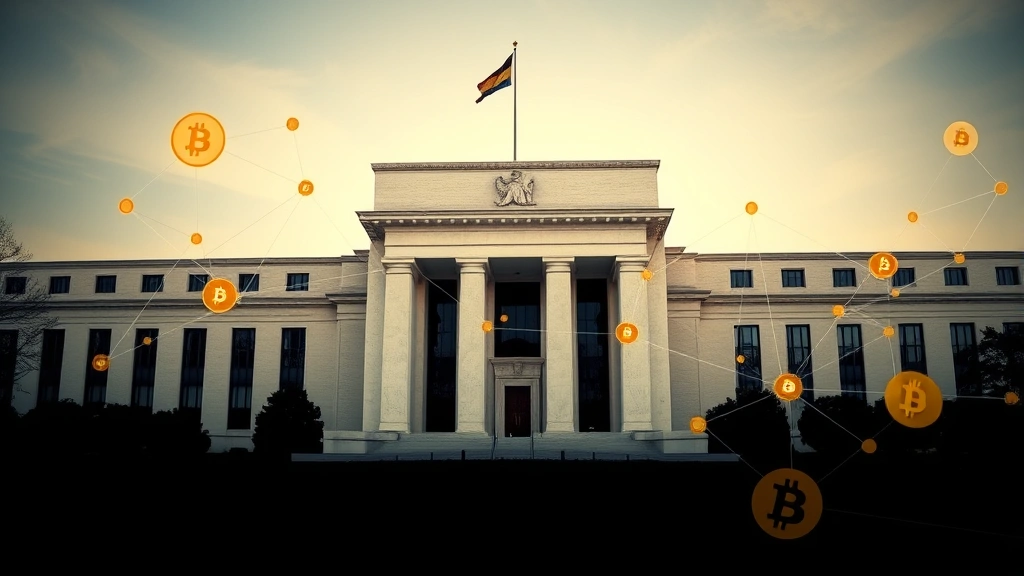
” alt=”Cryptocurrency market infrastructure and blockchain technology ecosystem visualization” />
International Perspectives and Global Adoption
Bitcoin’s role in the global financial system extends beyond American domestic policy to encompass international perspectives on cryptocurrency adoption. El Salvador’s adoption of Bitcoin as legal tender under President Nayib Bukele’s administration demonstrated potential for sovereign nations to embrace cryptocurrency, despite international pressure. This precedent creates possibilities for other nations to adopt Bitcoin, potentially increasing global demand and price appreciation.
European regulatory approaches to cryptocurrency, characterized by the Markets in Crypto-Assets Regulation (MiCA), represent alternative regulatory models emphasizing consumer protection and financial stability. These approaches contrast with potential Trump administration policies emphasizing innovation and minimal regulation. The divergence in regulatory philosophies across major economies creates arbitrage opportunities and potential for regulatory arbitrage that benefits Bitcoin adoption in favorable jurisdictions.
Developing nations increasingly view Bitcoin as an alternative to unstable domestic currencies and government monetary mismanagement. This adoption trend, independent of American policy considerations, supports longer-term Bitcoin demand growth. However, these nations’ regulatory approaches vary significantly, with some embracing cryptocurrency while others implement restrictive policies.
Long-Term Structural Trends Supporting Bitcoin
Beyond Trump-specific policy considerations, several structural trends support Bitcoin’s long-term adoption and value appreciation. Increasing institutional investor participation, evidenced by major corporations and investment funds allocating capital to Bitcoin, reflects growing acceptance of cryptocurrency as a legitimate asset class. This institutional adoption reduces volatility and increases market depth, supporting Bitcoin’s evolution toward genuine store of value status.
The proliferation of Bitcoin infrastructure—including custody solutions, trading platforms, and financial products like Bitcoin ETFs—reduces barriers to adoption and increases accessibility for mainstream investors. These infrastructure improvements proceed independently of political considerations, supporting Bitcoin adoption even in less favorable regulatory environments.
Demographic trends showing younger investors’ preference for cryptocurrency and digital assets suggest sustained long-term demand growth. As younger cohorts inherit wealth and gain greater influence over investment allocation decisions, Bitcoin demand likely increases substantially. This generational shift toward cryptocurrency acceptance creates tailwinds for Bitcoin adoption regardless of specific political administrations’ stances.
FAQ
How did Trump’s first administration affect Bitcoin prices?
During Trump’s first term (2017-2021), Bitcoin experienced significant appreciation, rising from approximately $4,500 to over $60,000. The combination of loose monetary policy, low interest rates, and government stimulus created an environment favorable to Bitcoin’s value proposition as an inflation hedge. While Trump himself expressed skepticism toward Bitcoin, his broader economic policies supported cryptocurrency appreciation.
What are Trump’s current policies toward Bitcoin and cryptocurrency?
Trump’s more recent statements acknowledge Bitcoin’s value as protection against inflation and currency debasement. He has expressed opposition to central bank digital currencies and support for reducing regulatory burden on cryptocurrency exchanges. However, specific policy proposals remain limited, and actual implementation would require Congressional action for many regulatory changes.
How does Bitcoin benefit from trade war uncertainty?
Bitcoin functions as a hedge against macroeconomic uncertainty created by trade wars and tariff policies. When investors worry about economic disruption from trade conflicts, they increase allocations to safe-haven assets including Bitcoin. Trade war escalations typically precede Bitcoin price increases as investors seek portfolio insurance against potential economic damage.
What is the relationship between monetary policy and Bitcoin valuation?
Bitcoin’s value proposition rests partly on its function as an inflation hedge and alternative to government-controlled fiat currency. Loose monetary policy, high inflation, and low interest rates increase Bitcoin’s attractiveness by reducing the opportunity cost of holding the non-yielding asset. Trump’s preference for accommodative monetary policy creates environments favorable to Bitcoin appreciation.
Could Bitcoin adoption increase under Trump administration policies?
Trump’s anti-regulatory stance and skepticism toward government control suggest potential for more favorable cryptocurrency policies. However, actual policy changes require Congressional action, and national security and financial stability concerns could constrain crypto-friendly policies. The extent of Bitcoin adoption acceleration depends on specific policies implemented and international regulatory developments.
What risks exist for Bitcoin investors in political environments?
Rapid regulatory changes, international coordination on cryptocurrency restrictions, and shifts in political priorities create risks for Bitcoin investors. Central bank digital currency development, wealth taxes, or capital controls could negatively impact Bitcoin’s utility and value. Investors should recognize that political environments change, and favorable policies are not guaranteed to persist.
How does Bitcoin compare to other inflation hedges like gold?
Bitcoin and gold both serve as inflation hedges, but with different characteristics. Gold has centuries of acceptance as a store of value and benefits from established institutional infrastructure. Bitcoin offers superior divisibility, portability, and resistance to government seizure. The choice between Bitcoin and gold depends on individual risk tolerance and belief in cryptocurrency adoption trends.


