Bitcoin to PHP Conversion: Investor Insights
The Philippine peso (PHP) has become an increasingly important currency pair in the cryptocurrency market, particularly as Bitcoin adoption grows across Southeast Asia. Understanding Bitcoin to PHP conversion rates is essential for Filipino investors, traders, and anyone looking to participate in the digital asset economy. The exchange rate between Bitcoin and the Philippine peso fluctuates constantly based on market demand, global crypto sentiment, and macroeconomic factors affecting both assets.
For investors in the Philippines, tracking Bitcoin’s value in pesos provides crucial insights into portfolio management and investment timing. Whether you’re considering entering the crypto market or already holding digital assets, comprehending how Bitcoin converts to PHP—and why these conversions matter—can significantly impact your financial decisions. This guide explores the mechanics of Bitcoin to PHP conversion, market dynamics, investment strategies, and practical considerations for Filipino cryptocurrency participants.
Understanding Bitcoin and Cryptocurrency Basics
Before diving into Bitcoin to PHP conversion specifics, it’s important to understand what Bitcoin is and how it functions within the broader cryptocurrency ecosystem. Bitcoin is the world’s first decentralized cryptocurrency, created in 2009 by an anonymous person or group using the pseudonym Satoshi Nakamoto. It operates on a peer-to-peer network using blockchain technology, which is a distributed ledger that records all transactions across a network of computers.
Bitcoin’s value derives from several factors: its limited supply (capped at 21 million coins), its utility as a store of value, its use in transactions, and market demand from investors and institutions. Unlike traditional currencies issued by central banks, Bitcoin is not controlled by any government or financial institution. This decentralization is one of its primary appeals to investors seeking alternatives to traditional financial systems.
The Philippine peso is the official currency of the Philippines, denoted by the symbol ₱ and the ISO code PHP. It’s a fiat currency, meaning its value is backed by government authority rather than a physical commodity. The peso’s value fluctuates based on economic indicators, interest rates, inflation, and international trade dynamics. When converting Bitcoin to PHP, you’re essentially exchanging a decentralized digital asset for a government-backed fiat currency.
Understanding this fundamental difference is crucial for investors. Cryptocurrency operates independently of traditional banking systems, offering both advantages (accessibility, lower fees, 24/7 trading) and disadvantages (volatility, regulatory uncertainty, technical complexity).
Bitcoin to PHP Exchange Rate Dynamics
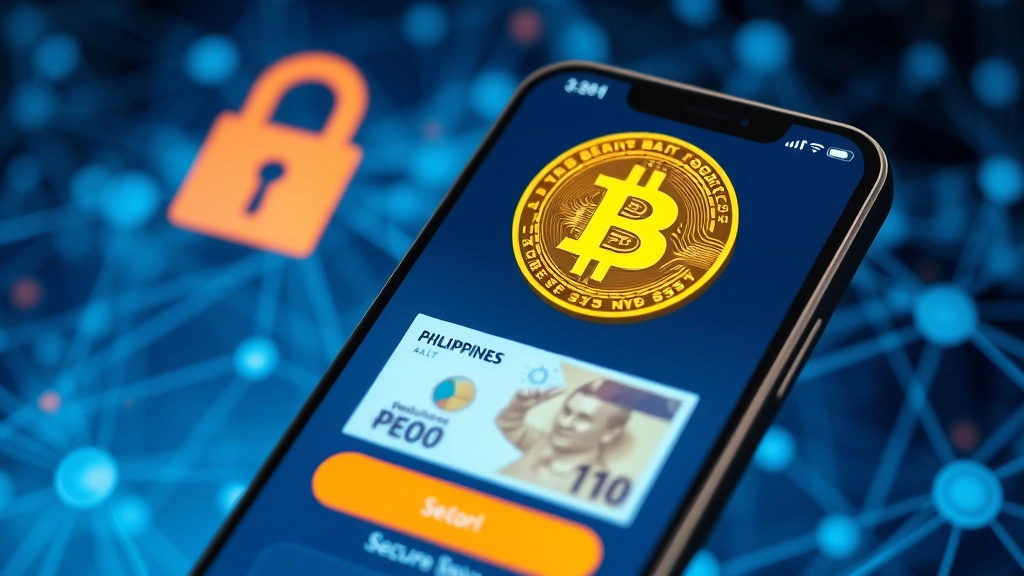
The Bitcoin to PHP exchange rate represents how many Philippine pesos are needed to purchase one Bitcoin. This rate is dynamic and constantly changing, fluctuating throughout the day based on global market conditions. As of recent data, Bitcoin typically trades between 2.5 million to 3.5 million PHP per coin, though this range varies significantly based on market conditions.
Exchange rates are determined by supply and demand dynamics across cryptocurrency exchanges operating in the Philippines and globally. Major exchanges like Binance, Coinbase, and local platforms such as Coins.ph, Crypto.com, and Huobi Philippines all contribute to price discovery. When more buyers enter the market, Bitcoin’s price in PHP rises; when more sellers appear, it falls.
It’s important to note that Bitcoin trades 24/7, unlike traditional stock markets. This means the Bitcoin to PHP rate changes continuously, even outside traditional business hours. For Filipino investors, this presents both opportunities and challenges. You can trade at any time, but prices can shift dramatically while you sleep or work.
Several factors influence the specific Bitcoin to PHP rate at any given moment: USD/PHP exchange rate (since Bitcoin is primarily priced in US dollars globally), local demand from Filipino investors, regional crypto sentiment, and platform-specific liquidity. Different exchanges may show slightly different rates due to variations in trading volume and market conditions on each platform.
How to Convert Bitcoin to Philippine Peso
Converting Bitcoin to PHP involves several steps and multiple options, depending on your goals and technical comfort level. Here are the primary methods:
- Centralized Cryptocurrency Exchanges: Platforms like Binance, Crypto.com, and Huobi Philippines allow you to directly trade Bitcoin for PHP. You create an account, deposit Bitcoin, and execute a market or limit order to sell Bitcoin for pesos. These exchanges typically charge trading fees (usually 0.1% to 0.5%) and require identity verification for compliance with Philippine regulations.
- Peer-to-Peer (P2P) Platforms: Services like Localbitcoins and Paxful connect buyers and sellers directly. You can negotiate rates and payment methods, though this approach requires more caution and due diligence regarding counterparty risk.
- Bitcoin ATMs: The Philippines has a growing network of Bitcoin ATMs in major cities. These machines allow you to convert Bitcoin to PHP directly, though fees are typically higher (2-8%) than exchanges.
- Over-the-Counter (OTC) Trading: For large transactions, specialized OTC desks provide personalized service with potentially better rates, though they typically require minimum order sizes.
When converting, you’ll encounter bid-ask spreads—the difference between the price buyers are willing to pay and sellers are asking. The spread compensates the exchange for providing liquidity. Tighter spreads indicate more liquid markets, while wider spreads suggest less trading activity.
Market Factors Influencing Bitcoin-PHP Conversion
Several macroeconomic and cryptocurrency-specific factors significantly impact Bitcoin to PHP conversion rates:
Global Bitcoin Price Movements: Since Bitcoin is priced globally in USD, fluctuations in Bitcoin’s dollar price directly affect its peso equivalent. A 10% increase in Bitcoin’s USD price typically translates to approximately a 10% increase in its PHP value, assuming the USD/PHP rate remains constant.
USD/PHP Exchange Rate: The Philippine peso’s strength relative to the US dollar dramatically affects Bitcoin to PHP conversions. When the peso weakens (requires more pesos per dollar), Bitcoin becomes more expensive in peso terms even if its USD price remains unchanged. Conversely, a stronger peso makes Bitcoin cheaper in peso terms.
Regional and Local Demand: Increased cryptocurrency adoption in the Philippines drives up local Bitcoin demand, potentially pushing the Bitcoin to PHP rate higher on local exchanges than on international platforms. Conversely, regulatory concerns or negative news specific to the Philippines can suppress local demand.
Monetary Policy and Interest Rates: Actions by the Bangko Sentral ng Pilipinas (BSP) regarding interest rates and monetary policy affect the peso’s value. Higher interest rates typically strengthen the peso, making Bitcoin more expensive in local currency terms.
Inflation Dynamics: Both global inflation and Philippine-specific inflation rates influence cryptocurrency valuations. During periods of high inflation, some investors view Bitcoin as an inflation hedge, increasing demand and potentially raising conversion rates.
Regulatory Developments: News about cryptocurrency regulation in the Philippines or globally can dramatically shift conversion rates. Positive regulatory clarity typically increases demand, while regulatory threats can suppress it.
Geopolitical Events: International tensions, trade disputes, or economic crises can trigger Bitcoin demand as investors seek safe-haven assets, potentially increasing its value relative to traditional currencies like the peso.
Investment Strategies for Filipino Crypto Investors
Understanding Bitcoin to PHP conversion rates enables more sophisticated investment strategies. Here are key approaches Filipino investors consider:
Dollar-Cost Averaging (DCA): Rather than attempting to time the market perfectly, DCA involves investing a fixed PHP amount in Bitcoin at regular intervals (daily, weekly, or monthly). This strategy reduces the impact of volatility and removes emotion from investment decisions. Consistent investment through DCA is a fundamental diversification principle that works well for crypto assets.
Hedging Against Peso Weakness: Some Filipino investors view Bitcoin as a hedge against peso devaluation. If you believe the peso will weaken significantly, converting some PHP to Bitcoin protects your purchasing power in dollar terms. However, this strategy introduces Bitcoin’s volatility into your portfolio, which can be substantial.
Arbitrage Opportunities: Sophisticated traders exploit price differences between local and international exchanges. If Bitcoin trades at a premium on Philippine platforms, traders can buy on international exchanges and sell locally for profit. This requires careful attention to liquidity and conversion mechanisms.
Swing Trading: Short-term traders profit from Bitcoin’s volatility by buying when conversion rates are favorable and selling when they improve. This approach requires technical analysis skills and active market monitoring.
Long-Term HODLing: Many Filipino investors adopt a long-term perspective, converting pesos to Bitcoin with the intention of holding for years. This strategy assumes Bitcoin’s value will increase substantially over time, making current conversion rates relatively unimportant compared to long-term appreciation potential.
Rebalancing Strategy: Investors allocate a percentage of their portfolio to Bitcoin and periodically rebalance. When Bitcoin’s peso value increases significantly, they sell some to lock in gains and reallocate to other assets. When Bitcoin weakens, they buy more to maintain their target allocation.
Risk Management and Security Considerations
Converting Bitcoin to PHP or vice versa involves inherent risks that investors must understand and manage appropriately.
Volatility Risk: Bitcoin’s price can fluctuate dramatically in short timeframes. A 20-30% daily swing isn’t uncommon during volatile periods. This means your Bitcoin to PHP conversion value can change significantly within hours. Only invest amounts you can afford to lose without affecting your essential financial obligations.
Exchange Risk: Not all cryptocurrency exchanges are equally reliable or secure. Choose platforms with strong security records, regulatory compliance, and positive user reviews. While cryptocurrency offers numerous advantages, exchange security remains a critical consideration.
Liquidity Risk: During extreme market conditions, you might struggle to convert Bitcoin to PHP quickly at fair prices. Liquidity can evaporate rapidly, causing the bid-ask spread to widen dramatically.
Counterparty Risk: When using centralized exchanges or P2P platforms, you depend on the other party’s reliability. Choose established platforms with dispute resolution mechanisms and user protection features.
Technical Risk: Cryptocurrency transactions are irreversible. Sending Bitcoin to the wrong address or falling victim to phishing attacks results in permanent loss. Use hardware wallets for large holdings and enable two-factor authentication on all exchange accounts.
Regulatory Risk: Changes in Philippine cryptocurrency regulations could impact your ability to convert Bitcoin to PHP or affect tax obligations. Stay informed about regulatory developments through sources like the Philippine Securities and Exchange Commission and the Bangko Sentral ng Pilipinas.
Market Risk: Understanding bull and bear market dynamics is essential for cryptocurrency investors. Bitcoin could decline significantly, reducing your conversion value substantially. Bear markets can last months or years, testing investor patience.
Tax Implications for Philippine Investors
The Philippine government treats cryptocurrency as an asset subject to taxation. Understanding these implications is crucial for compliance and financial planning.
Income Tax on Capital Gains: When you convert Bitcoin to PHP and realize a profit, that gain is subject to Philippine income tax. The tax treatment depends on whether you’re classified as engaging in business or merely investing. Frequent traders may face higher tax rates than long-term investors.
Holding Period Considerations: Assets held for more than one year may qualify for preferential long-term capital gains treatment, though cryptocurrency’s specific classification continues to evolve. Consult with a tax professional regarding your specific situation.
Documentation Requirements: The Bureau of Internal Revenue (BIR) increasingly focuses on cryptocurrency taxation. Maintain detailed records of all Bitcoin purchases, conversions, and sales, including dates, amounts, and conversion rates. This documentation is essential for accurate tax reporting.
Reporting Obligations: You must report cryptocurrency holdings and transactions in your income tax returns. Failure to disclose can result in penalties and legal consequences.
Value Added Tax (VAT): Depending on your activities, VAT might apply to cryptocurrency transactions. If you operate as a business, you may need to register for VAT purposes.
Estate Tax: Cryptocurrency holdings are considered assets for estate tax purposes. Include Bitcoin holdings in your estate planning and inform heirs about access procedures and security measures.
Given the complexity of cryptocurrency taxation in the Philippines, consult with a certified public accountant or tax professional experienced in digital asset taxation. The Bureau of Internal Revenue provides guidance, though cryptocurrency rules continue evolving.
Frequently Asked Questions
What is the current Bitcoin to PHP exchange rate?
Bitcoin to PHP rates fluctuate continuously throughout the day. Current rates typically range from 2.5 to 3.5 million PHP per Bitcoin, depending on market conditions. Check real-time rates on platforms like CoinDesk, CoinMarketCap, or your preferred exchange for the most current information.
Which exchanges offer the best Bitcoin to PHP conversion rates?
Major exchanges like Binance, Crypto.com, and Huobi Philippines typically offer competitive rates with tight spreads due to high liquidity. Rates vary slightly between platforms, so compare options before converting. Local exchanges may offer premium rates during high-demand periods but charge higher fees.
How long does Bitcoin to PHP conversion take?
Conversion speed depends on the method used. Exchange conversions are typically instant or complete within minutes. Bank transfers to your PHP account may take 1-3 business days. Bitcoin ATM transactions complete immediately but charge higher fees.
Is converting Bitcoin to PHP safe?
Converting on reputable, regulated exchanges is generally safe. However, use strong security practices: enable two-factor authentication, avoid public WiFi for transactions, and verify all wallet addresses before sending Bitcoin. Avoid P2P platforms unless you’re confident in your ability to assess counterparty risk.
What fees should I expect when converting Bitcoin to PHP?
Exchange fees typically range from 0.1% to 0.5% of transaction value. Bitcoin ATMs charge 2-8%. Bank transfer fees may apply for moving pesos to your account. P2P platforms have variable fees depending on the seller. Always check fee structures before converting.
Should I convert all my Bitcoin to PHP at once?
Converting all at once exposes you to timing risk—you might sell at an unfavorable rate. Consider partial conversions over time or use dollar-cost averaging in reverse. This approach reduces the impact of volatility on your conversion value.
How do Bitcoin to PHP rates compare to international rates?
Philippine exchange rates may differ from international rates due to local supply/demand dynamics, regulatory factors, and platform-specific liquidity. During high-demand periods, local rates can trade at a significant premium to international rates, creating arbitrage opportunities for sophisticated traders.
What happens to my Bitcoin value if the peso weakens?
If the peso weakens relative to the US dollar, Bitcoin becomes more expensive in peso terms. However, your actual Bitcoin holdings remain unchanged. The peso weakening makes converting back to pesos more favorable, as you’ll receive more pesos per Bitcoin.
Can I use free Bitcoin mining to accumulate Bitcoin for PHP conversion?
Bitcoin mining profitability depends on electricity costs, hardware expenses, and Bitcoin’s price. In the Philippines, electricity costs are relatively high, making mining less profitable than in countries with cheaper power. For most investors, purchasing Bitcoin directly is more practical than mining.
How should I report Bitcoin to PHP conversions for taxes?
Maintain detailed records of all conversions including dates, amounts, and conversion rates. Report capital gains on your BIR income tax return. Consult with a tax professional to ensure proper classification (business vs. investment) and compliance with all obligations.


