Is BIPA Bitcoin Safe? Legal Insights and Security Considerations
The rise of Bitcoin and other cryptocurrencies has prompted governments worldwide to establish regulatory frameworks designed to protect consumers and combat financial crimes. One such framework is the Bank Secrecy Act (BSA) and its related regulations, which have significant implications for Bitcoin users and exchanges. Understanding how these legal requirements affect Bitcoin safety is essential for anyone involved in cryptocurrency trading or holding digital assets.
BIPA, often referenced in discussions about Bitcoin regulation, relates to broader compliance standards that exchanges and custodians must follow. This article explores the legal landscape surrounding Bitcoin security, examining how regulatory frameworks protect users while also presenting challenges and considerations for cryptocurrency participants.

Understanding BIPA and Bitcoin Regulation
BIPA, or similar regulatory acronyms in cryptocurrency discussions, typically refers to banking and financial compliance standards that increasingly apply to digital asset platforms. While Bitcoin itself operates on a decentralized blockchain, the exchanges and platforms through which users buy, sell, and store Bitcoin are subject to stringent regulatory oversight. These regulations exist to prevent money laundering, terrorist financing, and other illicit activities.
Bitcoin’s decentralized nature means that the cryptocurrency itself cannot be regulated directly. However, the on-ramps and off-ramps—the exchanges and payment processors that convert fiat currency to Bitcoin—are heavily regulated. This creates a unique situation where Bitcoin transactions on the blockchain are pseudonymous and largely irreversible, yet the platforms facilitating these transactions must comply with extensive Know Your Customer (KYC) and Anti-Money Laundering (AML) requirements.
Understanding this distinction is crucial for Bitcoin users. When you purchase Bitcoin through a regulated exchange, you’re subject to identity verification and transaction monitoring. This regulatory oversight actually enhances safety by reducing fraud and ensuring that platforms maintain adequate security standards and customer fund protection mechanisms.
Legal Framework for Bitcoin Safety
The legal framework protecting Bitcoin users varies significantly by jurisdiction, but several key principles are emerging globally. In the United States, Bitcoin transactions and platforms are regulated by multiple agencies including the Financial Crimes Enforcement Network (FinCEN), the Securities and Exchange Commission (SEC), and various state banking regulators.
When you store Bitcoin on a regulated exchange, that platform must comply with capital requirements, cybersecurity standards, and consumer protection rules. The SEC and Commodity Futures Trading Commission (CFTC) have established that Bitcoin is a commodity, which provides certain legal protections and regulatory clarity. CoinDesk regularly reports on regulatory developments affecting Bitcoin safety and legal status.
The European Union’s Markets in Crypto-Assets Regulation (MiCA) represents one of the most comprehensive regulatory frameworks for digital assets. Under MiCA, cryptocurrency exchanges and custodians must meet strict operational and financial requirements, including regular security audits and insurance coverage for customer assets. This regulatory approach aims to balance innovation with consumer protection.
Understanding how to get your Bitcoin address on Coinbase is important because it involves interacting with a regulated platform that must comply with these legal requirements. Legitimate exchanges provide transparent security practices and regulatory compliance documentation.
Compliance Requirements for Exchanges
Bitcoin exchanges operating legally must implement comprehensive compliance programs. These requirements include:
- Know Your Customer (KYC) Procedures: Exchanges must verify the identity of all users and maintain detailed records of customer information. This prevents anonymous transactions that could facilitate illegal activities.
- Anti-Money Laundering (AML) Programs: Platforms must monitor transactions for suspicious patterns and report large or unusual activities to financial authorities. This creates an audit trail that deters criminal use.
- Suspicious Activity Reporting: Exchanges must file Suspicious Activity Reports (SARs) when they detect transactions that may involve illegal proceeds or financial crimes.
- Cybersecurity Standards: Regulatory frameworks increasingly require exchanges to maintain robust security protocols, including encryption, multi-factor authentication, and cold storage for customer funds.
- Capital and Reserve Requirements: Many jurisdictions require exchanges to maintain minimum capital levels and segregate customer funds from operational assets.
These compliance requirements create friction—users must provide personal information and face transaction limits—but they also provide significant safety benefits. A regulated exchange is far less likely to disappear with customer funds or suffer a catastrophic security breach that goes unaddressed.
When considering whether to store Bitcoin on an exchange, researching the platform’s regulatory status and compliance history is essential. Look for exchanges that openly disclose their regulatory licenses and undergo regular independent security audits.
Consumer Protection Mechanisms
One of the primary advantages of regulated Bitcoin platforms is the existence of consumer protection mechanisms. Unlike traditional bank deposits in the United States, which are protected by FDIC insurance up to $250,000, Bitcoin holdings on exchanges typically lack equivalent government insurance.
However, many regulated exchanges now carry cyber insurance and maintain segregated customer asset accounts. Some platforms have established insurance funds specifically for cryptocurrency holdings. These mechanisms provide some protection against platform insolvency or security breaches, though the coverage and terms vary significantly.
When evaluating Bitcoin safety, consider:
- Whether the exchange maintains third-party custody of customer funds
- What insurance coverage exists for digital assets
- Whether the platform undergoes regular third-party security audits
- The exchange’s track record and regulatory standing
- Whether funds are stored in cold storage (offline) or hot wallets (online)
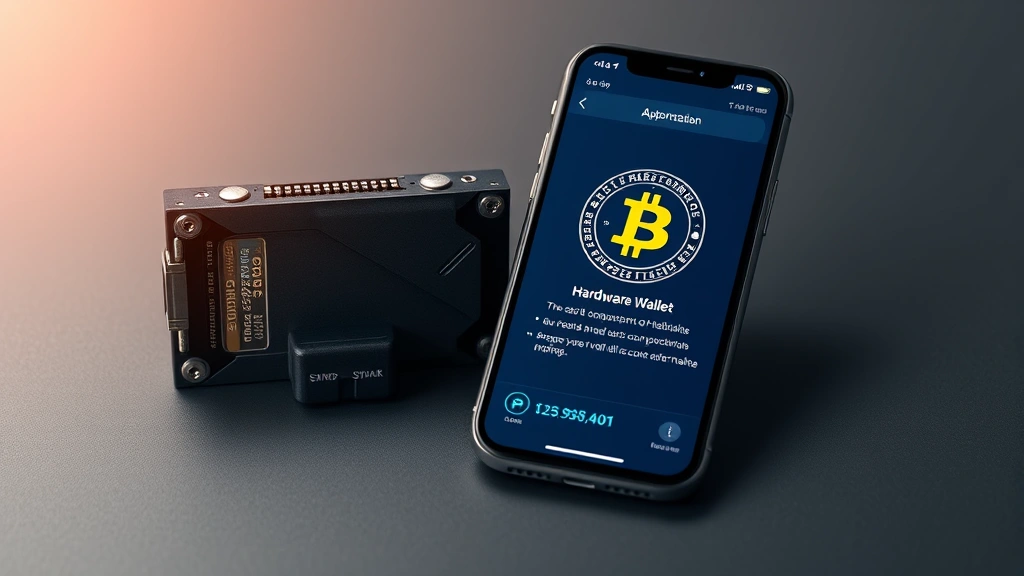
For long-term Bitcoin holdings, many security experts recommend self-custody using hardware wallets or other non-custodial solutions. This eliminates counterparty risk with exchanges but requires users to take responsibility for their own security practices. The tradeoff between convenience and security is a fundamental consideration in Bitcoin storage decisions.
Understanding Bitcoin price predictions can help inform your investment strategy, but equally important is understanding the legal and security framework protecting your assets.
Security Best Practices
Beyond regulatory compliance, Bitcoin safety depends heavily on individual security practices. Legal frameworks establish minimum standards, but users must implement additional protective measures:
- Use Hardware Wallets: For significant Bitcoin holdings, hardware wallets like Ledger or Trezor provide offline storage that protects against hacking and malware.
- Enable Multi-Factor Authentication: All exchange accounts should use two-factor or multi-factor authentication, preferably using authentication apps rather than SMS.
- Verify Addresses Carefully: Bitcoin transactions are irreversible. Always verify that you’re sending funds to the correct address, as typos or phishing attacks can result in permanent loss.
- Use Reputable Exchanges: Conduct thorough research before choosing a platform. Established exchanges with regulatory licenses and security certifications provide better protection than unknown platforms.
- Diversify Storage Methods: Consider splitting Bitcoin holdings between exchange accounts, hardware wallets, and other storage solutions to reduce risk concentration.
- Keep Software Updated: Regularly update operating systems, browsers, and security software to protect against known vulnerabilities.
These practices work in conjunction with regulatory compliance to create a comprehensive security posture. Even if an exchange meets all legal requirements, user negligence—such as falling for phishing attacks or using weak passwords—can compromise Bitcoin security.
Regulatory Challenges and Future Outlook
The regulatory landscape for Bitcoin continues to evolve, presenting both challenges and opportunities for safety improvements. Several key issues are currently being debated:
Stablecoin Regulation: While Bitcoin itself is established as a commodity, stablecoins and other digital assets face ongoing regulatory scrutiny. This affects the broader cryptocurrency ecosystem and may influence Bitcoin’s regulatory treatment.
Central Bank Digital Currencies (CBDCs): As governments develop digital versions of their currencies, regulatory frameworks for all digital assets will likely become more sophisticated. This could either enhance Bitcoin safety through clearer rules or restrict its use through stricter regulations.
Cross-Border Transactions: Bitcoin’s ability to facilitate international transactions creates regulatory challenges. Countries are working to harmonize anti-money laundering standards for cryptocurrency, which will likely increase compliance requirements but also improve safety.
Custody and Staking: Emerging services like Bitcoin staking and yield-generating platforms create new regulatory questions about consumer protection and fraud prevention.
The U.S. Securities and Exchange Commission continues to provide guidance on cryptocurrency regulation, while international bodies work toward harmonized standards. These regulatory developments ultimately aim to make Bitcoin safer for mainstream adoption while preserving its core properties of decentralization and censorship resistance.
For context on Bitcoin’s broader economic implications, understanding the distributional consequences of Bitcoin provides insight into how regulatory frameworks affect different user groups. Similarly, exploring how much 100 Bitcoin is worth helps contextualize the assets at stake and the importance of security measures.
Looking ahead, Bitcoin safety will depend on continued cooperation between regulators, exchanges, and the cryptocurrency community. As institutional adoption increases, regulatory clarity becomes increasingly important. Major institutions are unlikely to hold significant Bitcoin positions without clear legal frameworks and insurance protections, which drives demand for better regulation.
FAQ
Is Bitcoin legal?
Bitcoin is legal in most countries, though some jurisdictions restrict its use. In the United States, Bitcoin is classified as property and a commodity. However, regulations apply to exchanges and platforms that facilitate Bitcoin transactions, not to Bitcoin itself. Always check your local jurisdiction’s specific regulations.
What does BIPA mean in cryptocurrency context?
BIPA typically refers to banking compliance standards that apply to cryptocurrency exchanges and platforms. These standards include Know Your Customer requirements, Anti-Money Laundering programs, and other regulations designed to prevent financial crimes and protect consumers.
Is Bitcoin safer on an exchange or in a personal wallet?
This depends on your security practices and risk tolerance. Regulated exchanges provide insurance and security infrastructure but introduce counterparty risk. Personal hardware wallets eliminate counterparty risk but require you to manage security yourself. Many experts recommend splitting holdings between both approaches.
What should I look for in a regulated Bitcoin exchange?
Look for exchanges that clearly display regulatory licenses, undergo regular independent security audits, maintain segregated customer funds, carry cyber insurance, and have a strong track record. Research the platform’s history and regulatory status before depositing funds.
Can Bitcoin transactions be reversed?
No, Bitcoin transactions are essentially irreversible once confirmed on the blockchain. This is why it’s crucial to verify addresses carefully and use secure, reputable platforms. If you send Bitcoin to the wrong address or fall victim to fraud, recovery is extremely difficult.
How do regulations protect Bitcoin users?
Regulations require exchanges to implement security standards, maintain customer funds separately from operational assets, conduct identity verification to prevent fraud, and report suspicious activities. These requirements reduce fraud risk and increase platform accountability, though they don’t guarantee complete protection.
What is the difference between Bitcoin and stablecoins from a regulatory perspective?
Bitcoin is classified as a commodity, while stablecoins are subject to stricter banking regulations because they represent claims on reserves. This difference affects how platforms handling each asset must operate and what protections apply to users.
Are there insurance protections for Bitcoin holdings?
Some exchanges carry cyber insurance covering digital assets, but coverage varies significantly. Unlike bank deposits, Bitcoin holdings typically lack government-backed insurance. Always verify what insurance a platform maintains before storing significant amounts.
How can I verify if an exchange is legitimate?
Check for regulatory licenses from financial authorities in the exchange’s jurisdiction, review independent security audit reports, research user reviews and the platform’s history, verify that the website uses secure HTTPS connections, and contact the exchange’s support team to verify legitimacy before providing personal information.
What is cold storage and why is it important?
Cold storage refers to keeping Bitcoin offline in hardware wallets or paper wallets, disconnected from the internet. This eliminates the risk of online hacking and is considered the most secure method for long-term Bitcoin storage. Many regulated exchanges use cold storage for the majority of customer funds.


