Bitcoin Ben’s Impact on the Market: Analysis
Bitcoin Ben, a prominent cryptocurrency analyst and social media influencer, has become a significant voice in the digital asset space, shaping market sentiment and investment decisions across the cryptocurrency community. His technical analysis, market predictions, and educational content have garnered a substantial following, making his commentary a notable factor in understanding modern cryptocurrency market dynamics. This comprehensive analysis examines how Bitcoin Ben’s influence operates within the broader crypto ecosystem and what impact his predictions and insights have on market participants.
The rise of cryptocurrency influencers represents a fundamental shift in how information flows through financial markets. Unlike traditional finance, where institutional analysts and regulatory bodies dominate discourse, the crypto space has become more democratized, allowing individual analysts to command significant attention and influence trading behavior. Bitcoin Ben exemplifies this phenomenon, leveraging platforms like YouTube, Twitter, and other social media channels to reach thousands of followers daily, making his market analysis and predictions subjects worthy of serious examination.

Who is Bitcoin Ben
Bitcoin Ben is a cryptocurrency analyst known for his technical analysis videos, market commentary, and educational content focused on Bitcoin and other digital assets. Operating primarily through YouTube and social media platforms, he has built a substantial audience interested in understanding price movements, market cycles, and potential investment opportunities within the cryptocurrency space. His content typically features chart analysis, support and resistance level identification, and broader commentary on macroeconomic factors affecting cryptocurrency markets.
Unlike some cryptocurrency personalities who focus solely on promotional content or specific projects, Bitcoin Ben positions himself as an educational resource, teaching followers how to conduct their own technical analysis and understand market dynamics. This educational angle has contributed to his credibility and appeal, particularly among retail investors seeking to develop their analytical skills. His approach combines traditional technical analysis with cryptocurrency-specific metrics, creating a unique perspective that resonates with his audience.
Understanding Bitcoin Ben’s methodology is crucial for evaluating his market impact. He employs various technical indicators including moving averages, relative strength index (RSI), Fibonacci retracements, and volume analysis. Additionally, he incorporates cryptocurrency-specific on-chain metrics and considers macroeconomic trends when formulating his market outlook. This comprehensive approach appeals to both beginners and more experienced traders seeking validation of their own analysis.

Market Influence and Following
The scale of Bitcoin Ben’s influence becomes apparent when examining his follower counts across platforms. With tens of thousands of YouTube subscribers and significant social media presence, his videos regularly receive hundreds of thousands of views. This reach translates into tangible market impact, as his commentary and predictions reach a substantial portion of retail cryptocurrency traders, particularly those new to the space or seeking educational content.
The timing of his content releases often coincides with significant market movements, leading some observers to question whether his analysis influences market direction or simply responds to it. This chicken-and-egg dynamic is central to understanding influencer impact in cryptocurrency markets. When Bitcoin Ben publishes bullish analysis before a market rally, followers credit his insight; when his predictions prove incorrect, supporters argue he was simply wrong about timing rather than direction.
His influence extends beyond individual trading decisions to broader market sentiment. During periods of uncertainty, many retail investors turn to trusted analysts like Bitcoin Ben for reassurance or validation of their concerns. This psychological function—providing confidence or caution during volatile periods—may be as significant as the technical accuracy of his specific price predictions. In this sense, influencers serve as sentiment anchors for their communities.
The network effect amplifies Bitcoin Ben’s influence. When followers act on his analysis, their trades affect market prices, which then validates his analysis for other observers, creating a feedback loop. This dynamic is particularly pronounced during volatile market conditions when uncertainty is highest and followers are most susceptible to seeking guidance from trusted sources.
Technical Analysis Approach
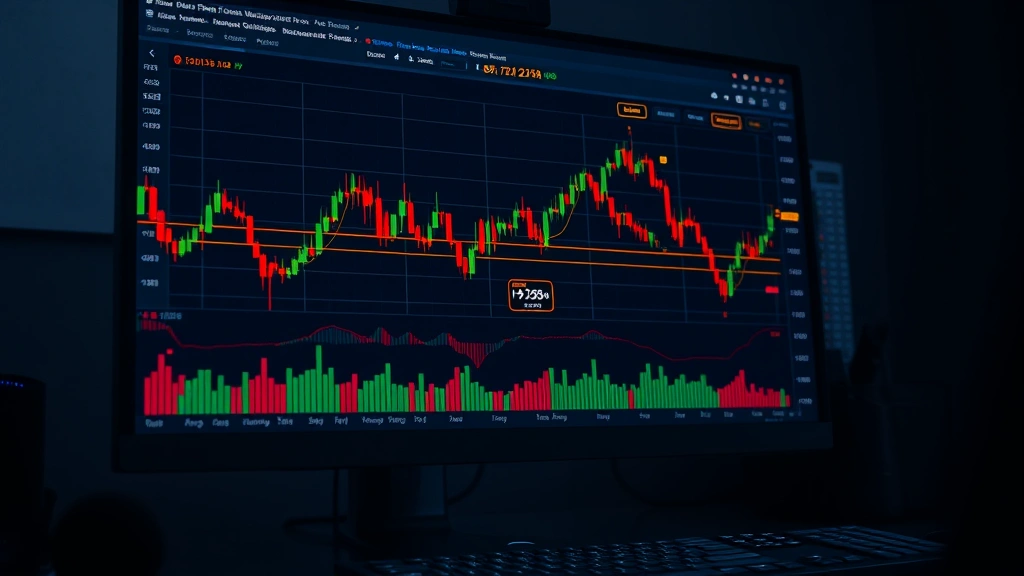
Bitcoin Ben’s technical analysis methodology combines classical chart analysis with cryptocurrency-specific considerations. His approach typically begins with identifying major support and resistance levels, then examining how price action interacts with these critical zones. He pays particular attention to volume patterns, viewing increased volume during price movements as confirmation of trend validity. This foundation aligns with traditional technical analysis principles taught in mainstream finance education.
One distinctive element of his analysis involves cryptocurrency-specific metrics. Unlike traditional asset analysts, Bitcoin Ben incorporates on-chain data, examining transaction volumes, wallet movements, and holder behavior. This integration of on-chain metrics with traditional technical analysis provides a more comprehensive view of market dynamics specific to digital assets. Understanding Bitcoin on-chain analysis has become increasingly important for modern cryptocurrency traders, and Bitcoin Ben’s incorporation of these metrics reflects this evolution.
His content frequently discusses major resistance and support levels, often expressed in round numbers or significant historical price points. For example, he might emphasize that Bitcoin needs to break above a particular level to confirm a bullish trend, or identify a specific price zone as critical support that could trigger capitulation if breached. These frameworks provide followers with concrete reference points for understanding market structure.
Bitcoin Ben also considers macroeconomic factors in his analysis, recognizing that cryptocurrency markets don’t exist in isolation. He discusses Federal Reserve policies, inflation data, traditional market performance, and geopolitical events as contextual factors influencing Bitcoin’s price trajectory. This macro perspective distinguishes his analysis from purely technical approaches that ignore fundamental economic conditions.
Prediction Accuracy and Track Record
Evaluating Bitcoin Ben’s prediction accuracy requires careful methodology, as price forecasting in volatile markets is inherently challenging. Some of his predictions have proven remarkably accurate, correctly identifying significant market reversals and trend changes. Other forecasts have missed their targets significantly, sometimes off by substantial percentages or extended timeframes. Like all market analysts, his track record includes both successes and failures.
One common criticism is that his predictions often contain broad ranges rather than specific price targets, allowing flexibility in interpretation. When Bitcoin reaches the lower end of a predicted range, supporters claim accuracy; when it falls short of the upper end, followers argue the direction was correct even if the magnitude was wrong. This interpretive flexibility, while common in financial analysis, makes objective evaluation challenging.
The timing component of his predictions warrants particular scrutiny. Being correct about direction but significantly wrong about timing can be equally costly for traders. If Bitcoin Ben predicts a price decline but the decline occurs months later after the market has rallied significantly, followers acting on this analysis would experience losses despite the eventual correctness of his directional call.
Independent analysis of his prediction accuracy is limited, as comprehensive tracking of all his forecasts would require significant resources. However, anecdotal evidence suggests his accuracy rate is roughly consistent with other technical analysts—better than random chance but far from perfect. This mediocre accuracy rate raises important questions about the value of following any single analyst’s predictions, regardless of their prominence or perceived expertise.
Impact on Retail Investors
The influence Bitcoin Ben exerts on retail investors is perhaps his most significant market impact. For many followers, his analysis serves as educational content, teaching them how to approach technical analysis and market evaluation. This educational function has genuine value, potentially creating more informed investors even if specific price predictions prove inaccurate.
However, the line between education and influence can blur problematically. When Bitcoin Ben makes strong bullish or bearish calls, followers may treat these as investment recommendations rather than analytical perspectives. The psychological weight of hearing analysis from a trusted source can override independent thinking, leading followers to make trades they wouldn’t otherwise consider. This dynamic is particularly concerning for inexperienced investors who may lack sufficient knowledge to evaluate his analysis critically.
Understanding how to invest in cryptocurrency responsibly requires developing independent analytical skills rather than relying on any single source. Bitcoin Ben’s content can contribute to this education, but followers should view his analysis as one perspective among many rather than authoritative truth. The most sophisticated investors use influencer analysis as input into their own decision-making processes rather than substitutes for independent thinking.
The emotional impact of following Bitcoin Ben’s content deserves consideration. During bull markets, his bullish analysis can amplify euphoria and encourage overconfidence. During bear markets, his bearish calls can intensify panic selling. By amplifying emotional extremes, influencer analysis may contribute to increased market volatility, particularly during periods of high uncertainty.
Controversy and Criticism
Bitcoin Ben has faced criticism from various quarters, including skeptics who question whether technical analysis has genuine predictive value in cryptocurrency markets. Some critics argue that his analysis is post-hoc rationalization—finding patterns in historical price data that appear meaningful but lack true predictive power. This debate reflects broader questions about technical analysis validity across all financial markets.
Additional criticism focuses on the potential for influencer analysis to create artificial market movements. If thousands of followers buy Bitcoin based on his bullish analysis, their collective purchases could drive prices higher, creating a self-fulfilling prophecy. When the analysis eventually proves wrong, these followers may experience significant losses. This dynamic raises ethical questions about the responsibility influencers bear for their audience’s financial outcomes.
Some observers have questioned whether Bitcoin Ben’s incentive structure might bias his analysis. As his income depends partly on viewership and engagement, there may be subtle pressure to present more dramatic or extreme analysis to attract attention. This potential conflict of interest, while not unique to Bitcoin Ben, warrants consideration when evaluating his recommendations.
The cryptocurrency community has also criticized various influencers, including Bitcoin Ben, for insufficient transparency regarding their own holdings and trading activities. When analysts publicly recommend positions they simultaneously trade themselves, questions arise about whether they’re providing genuine analysis or attempting to move prices in their favor. Greater transparency about personal trading activity would help followers evaluate potential conflicts of interest.
Ethical Considerations
The ethical dimensions of cryptocurrency influence deserve serious examination. Unlike regulated financial advisors, most cryptocurrency analysts operate without formal licensing or oversight. This lack of regulation creates potential for abuse while also allowing more diverse voices to participate in market analysis. Striking the right balance between protecting investors and preserving market freedom remains challenging.
Bitcoin Ben and similar influencers occupy an interesting position: they’re not registered investment advisors, so their recommendations don’t carry legal liability, but they wield significant influence over followers’ financial decisions. This asymmetry between influence and responsibility raises ethical questions about how much care influencers should exercise when making public market commentary.
The concept of fiduciary duty—placing clients’ interests above personal interests—doesn’t formally apply to cryptocurrency influencers. However, ethical influencers might voluntarily adopt similar principles, ensuring their analysis prioritizes follower welfare over personal gain. This could include acknowledging uncertainty more explicitly, recommending followers seek diverse perspectives, and disclosing personal trading activity.
Educational content about cryptocurrency investment requires particular care. When Bitcoin Ben teaches technical analysis, he’s providing genuine education with lasting value. However, when he transitions to specific price predictions, the educational value becomes questionable, particularly if followers treat predictions as investment advice. Clear labeling of which content is educational and which is analytical commentary could help followers calibrate their trust appropriately.
The broader cryptocurrency community benefits from diverse analytical perspectives, including Bitcoin Ben’s contributions. However, this diversity works best when followers maintain healthy skepticism and seek multiple viewpoints rather than relying on single analysts. Encouraging this behavior—even as it potentially reduces individual influencers’ impact—likely serves the market and investors more effectively than uncritical acceptance of any analyst’s views.
When considering Bitcoin projections from any analyst, investors should remember that even expert opinions remain speculative. The cryptocurrency market’s relative youth and volatility make long-term predictions particularly uncertain. Diversifying information sources, developing independent analytical skills, and maintaining appropriate risk management practices provide better protection than following any single analyst.
For those interested in learning technical analysis, Bitcoin Ben’s educational content can serve as a starting point. However, day trading Bitcoin or making significant investment decisions based solely on one analyst’s recommendations represents excessive concentration of risk. Professional traders typically combine multiple analytical approaches, maintain strict risk management, and continuously refine their methodologies based on performance data.
Understanding the true value of cryptocurrency analysis requires distinguishing between genuine insight and lucky predictions. Even if Bitcoin Ben’s analysis proves accurate more often than random chance, this edge might be too small to overcome trading costs and slippage, particularly for retail investors. Sophisticated analysis of his historical performance, accounting for all predictions rather than only remembered ones, would provide better evidence of genuine skill versus luck.
FAQ
Who exactly is Bitcoin Ben and what qualifications does he have?
Bitcoin Ben is a cryptocurrency analyst and content creator known for technical analysis videos and market commentary. While specific credentials vary by source, he’s primarily a self-taught analyst who has built credibility through years of public analysis and a substantial following. Unlike licensed financial advisors, he operates without formal regulatory oversight.
Should I follow Bitcoin Ben’s trading recommendations?
Following any single analyst’s recommendations carries significant risk. Bitcoin Ben’s analysis can provide perspective and educational value, but investment decisions should incorporate multiple sources of information and align with your personal risk tolerance. Consider his analysis as one input among many rather than authoritative guidance.
How accurate are Bitcoin Ben’s price predictions?
Like most technical analysts, Bitcoin Ben’s prediction accuracy is mixed. Some forecasts prove remarkably accurate while others miss significantly. His track record appears roughly consistent with other technical analysts—better than random chance but far from perfect. Be cautious about treating any analyst’s predictions as certainties.
Can technical analysis actually predict Bitcoin price movements?
This question remains debated among economists and traders. Some evidence suggests technical analysis has modest predictive value, particularly for short-term price movements. However, cryptocurrency markets are relatively young and volatile, making predictions inherently uncertain. No analytical method provides reliable price forecasting.
What’s the difference between Bitcoin Ben’s educational and predictive content?
His educational content teaches technical analysis principles and frameworks that have lasting value regardless of specific price predictions. His predictive content attempts to forecast specific price movements. The educational material generally has more durable value, while predictions require careful evaluation of accuracy and timing.
How does Bitcoin Ben’s analysis compare to traditional financial analysis?
Bitcoin Ben combines traditional technical analysis with cryptocurrency-specific metrics like on-chain data. This hybrid approach is better suited to cryptocurrency markets than purely traditional analysis would be. However, the underlying technical analysis framework remains similar to approaches used in traditional markets.
What should I consider before trading based on influencer analysis?
Consider the influencer’s track record, potential conflicts of interest, the specificity and timing of their predictions, and whether they provide ranges or exact targets. Develop your own analytical framework rather than relying entirely on others’ analysis. Maintain appropriate position sizing and risk management regardless of how confident an analyst appears.
Is there risk in following cryptocurrency influencers?
Yes. Influencers can amplify emotional extremes, create self-fulfilling prophecies, and their recommendations may not align with individual investors’ risk tolerance or financial situations. The most significant risk involves treating influencer analysis as investment advice rather than one perspective among many.
How can I evaluate if an analyst genuinely has skill or just got lucky?
Look at comprehensive historical performance data rather than remembered successes. Consider whether predictions were specific or vague enough to accommodate multiple outcomes. Account for market conditions when predictions were made. Even genuine skill may be too small to overcome trading costs. Be skeptical of claims of consistent outperformance.
What’s the relationship between Bitcoin Ben’s influence and market volatility?
Large followings can create self-fulfilling prophecies: bullish analysis causes buying, which drives prices higher, validating the analysis. When analysis eventually proves wrong, subsequent selling can amplify declines. This dynamic may increase volatility, particularly among retail traders concentrated in following similar analysts.