Bitcoin Depot Stock: Investment Insight
Bitcoin Depot Inc. (BDPT) represents a unique investment opportunity within the cryptocurrency infrastructure space. As a leading Bitcoin ATM operator, the company bridges traditional finance and digital assets, offering investors exposure to crypto adoption without direct cryptocurrency holdings. Understanding Bitcoin Depot’s business model, market position, and growth trajectory is essential for evaluating its potential as part of a diversified investment portfolio.
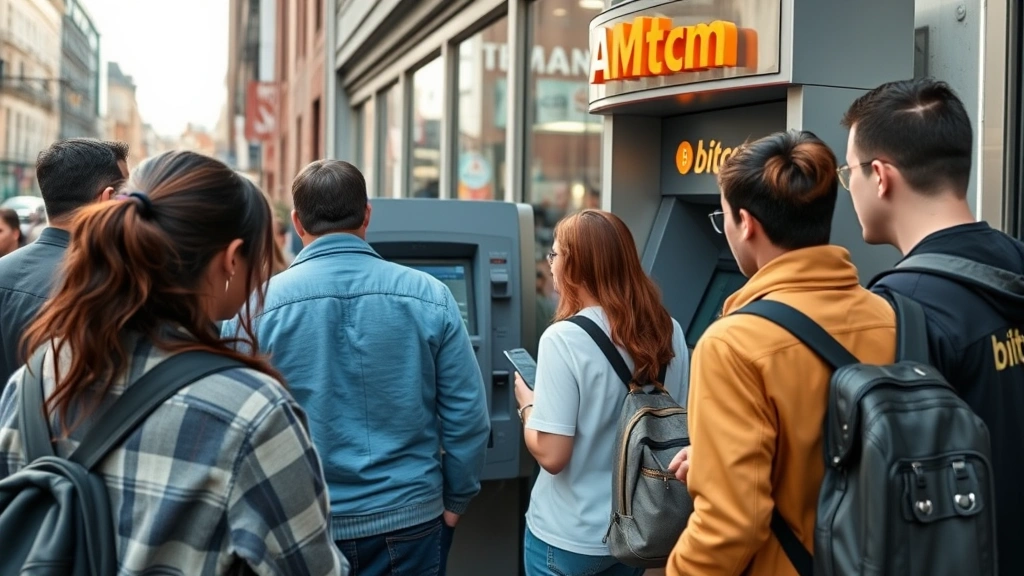
The cryptocurrency market has evolved significantly, and companies facilitating crypto transactions have become increasingly important. Bitcoin Depot operates thousands of ATMs globally, enabling customers to buy and sell Bitcoin and other cryptocurrencies using cash or debit cards. This service fills a critical gap for users who prefer anonymous transactions or lack access to traditional crypto exchanges. For investors considering exposure to the crypto economy, Bitcoin Depot stock offers a regulated, publicly-traded alternative to direct cryptocurrency investment.
What is Bitcoin Depot?
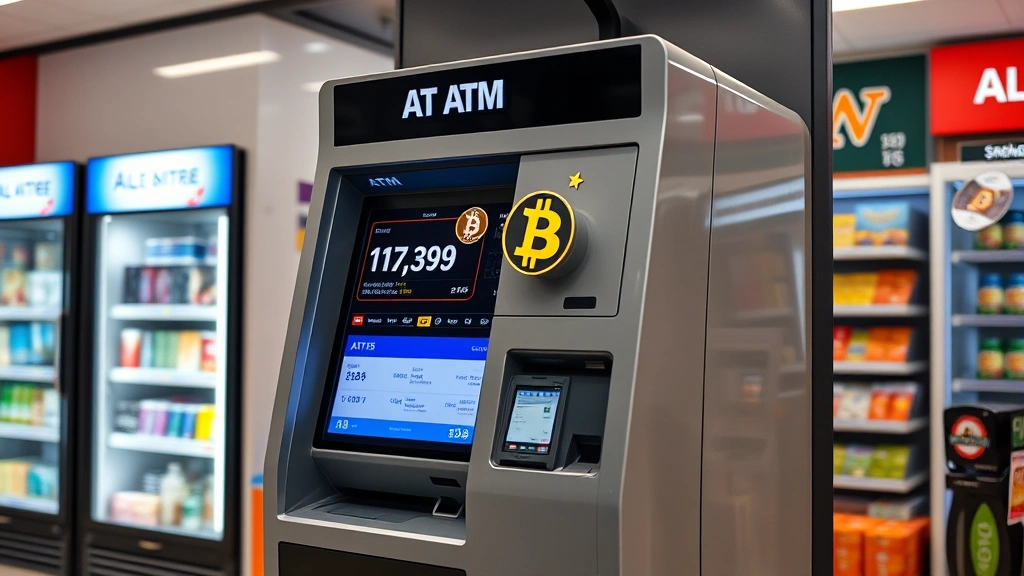
Bitcoin Depot Inc. is a publicly-traded company that operates the largest network of Bitcoin ATMs in North America. Founded in 2013, the company has grown to become a significant player in cryptocurrency accessibility infrastructure. Bitcoin Depot ATMs function similarly to traditional ATMs but allow users to purchase and sell digital currencies. The company’s primary focus is on making cryptocurrency transactions accessible to the unbanked and underbanked populations while maintaining compliance with regulatory requirements.
The company went public through a merger with a special purpose acquisition company (SPAC) in 2021, trading under the ticker symbol BDPT on the NASDAQ. This public listing provided Bitcoin Depot with capital for expansion and legitimacy in the institutional investment space. The platform operates ATMs across multiple states and countries, serving millions of transactions annually. Bitcoin Depot’s commitment to regulatory compliance and customer security distinguishes it from less-established competitors in the crypto ATM space.
Bitcoin Depot’s core service involves charging transaction fees on both buy and sell operations. When customers purchase Bitcoin through a Bitcoin Depot ATM, they pay a percentage-based fee on top of the current market price. Similarly, when selling Bitcoin, customers receive slightly less than the market rate, with Bitcoin Depot capturing the spread. This fee-based model provides recurring revenue that scales with transaction volume and Bitcoin price movements.
Business Model and Revenue Streams
Bitcoin Depot’s revenue generation depends on several interconnected factors. The primary revenue stream comes from transaction fees charged on cryptocurrency purchases and sales. These fees typically range from 7% to 10% on buy transactions and slightly lower on sell transactions, though rates vary by location and market conditions. As Bitcoin price increases, transaction volumes often increase, directly impacting revenue. Understanding this relationship helps explain why Bitcoin price movements matter for the company’s financial health.
Beyond transaction fees, Bitcoin Depot generates revenue through partnerships and service agreements. The company partners with cryptocurrency projects and financial services providers to expand its service offerings. Some ATMs offer additional cryptocurrencies beyond Bitcoin, creating opportunities for higher transaction volumes and customer engagement. Bitcoin Depot also benefits from white-label arrangements where other companies operate ATMs using Bitcoin Depot’s technology and infrastructure.
The company’s expansion strategy involves deploying ATMs in high-traffic locations such as convenience stores, laundromats, and shopping centers. Each new ATM deployment requires capital investment but generates ongoing transaction fee revenue. Bitcoin Depot carefully analyzes location data and foot traffic patterns to maximize return on investment for each machine. The scalability of this model means that as the company deploys more ATMs, fixed costs are distributed across a larger revenue base, potentially improving profitability.
Bitcoin Depot also faces operational expenses including ATM maintenance, software development, regulatory compliance, and customer support. These costs are relatively fixed on a per-machine basis, creating operational leverage as the network expands. However, the company must balance aggressive expansion with financial sustainability, particularly during periods of market volatility when transaction volumes decline.
Market Growth and Expansion
The cryptocurrency ATM market has experienced explosive growth over the past five years. Global crypto ATM installations have increased from under 5,000 units in 2017 to over 35,000 by 2024. Bitcoin Depot controls a significant market share of this rapidly expanding sector, positioning the company to benefit from continued mainstream adoption of cryptocurrencies. This growth trajectory mirrors broader trends in digital asset adoption and financial technology innovation.
Bitcoin Depot’s expansion strategy focuses on geographic diversification and market penetration. The company operates ATMs across multiple U.S. states and has expanded internationally to Canada and other markets. Strategic partnerships with retail chains and location owners provide access to prime real estate for ATM deployment. Each location represents both a revenue-generating asset and a customer acquisition channel for the company’s broader ecosystem.
The regulatory environment significantly impacts expansion opportunities. As governments worldwide develop clearer frameworks for cryptocurrency businesses, companies like Bitcoin Depot benefit from regulatory clarity. Compliance with anti-money laundering (AML) and know-your-customer (KYC) requirements adds operational complexity but legitimizes the business and attracts institutional customers and investors. Bitcoin Depot’s proactive approach to regulatory compliance positions it favorably as the industry matures.
Market adoption rates for cryptocurrency remain a critical growth driver. As more individuals become comfortable with digital assets and seek convenient purchase methods, Bitcoin Depot’s ATM network becomes increasingly valuable. The company’s ability to capture market share depends on factors including ATM availability, user experience, competitive pricing, and brand recognition. Bitcoin Depot’s first-mover advantage and established network provide competitive moats that competitors struggle to overcome.
Financial Performance Analysis
Evaluating Bitcoin Depot stock requires analyzing key financial metrics including revenue growth, profitability, and cash flow. The company has demonstrated strong revenue growth, particularly during periods of elevated cryptocurrency prices and trading activity. However, Bitcoin Depot’s profitability has been inconsistent, reflecting the volatile nature of the cryptocurrency market and significant capital requirements for ATM deployment.
Bitcoin Depot’s revenue is highly correlated with Bitcoin price movements and trading volume. During bull markets when Bitcoin prices surge, transaction volumes increase substantially, driving higher revenues. Conversely, during bear markets or periods of price consolidation, transaction volumes decline, reducing company revenue. This volatility makes Bitcoin Depot stock more suitable for investors with higher risk tolerance and longer time horizons.
The company’s capital expenditure requirements represent a significant consideration for investors. Deploying new ATMs requires upfront capital investment, and the company must generate sufficient cash flow to fund expansion while maintaining profitability. Bitcoin Depot has pursued various financing strategies including equity offerings and debt financing to fund growth. Understanding the company’s capital allocation decisions is crucial for assessing long-term value creation.
Bitcoin Depot’s operating margins have improved as the company scales its operations. Larger transaction volumes allow the company to spread fixed costs across more revenue-generating machines. However, competitive pressures and fee compression could impact margins if the market becomes oversaturated with ATM providers. Investors should monitor trends in transaction fees and margins to assess the company’s pricing power and competitive position.
Investment Risks and Considerations
Investing in Bitcoin Depot stock carries multiple risk factors that investors must carefully evaluate. The primary risk stems from cryptocurrency market volatility. Since Bitcoin Depot’s revenue depends directly on Bitcoin price movements and trading activity, significant price declines reduce company revenue and profitability. Investors considering Bitcoin Depot should understand Bitcoin crash risks and market cycle dynamics that affect the company’s financial performance.
Regulatory risk represents another critical consideration. Cryptocurrency regulations continue evolving globally, and unfavorable regulatory changes could impact Bitcoin Depot’s operations. Increased compliance requirements could raise operating costs, while restrictions on cryptocurrency transactions could reduce market demand for the company’s services. Investors should monitor regulatory developments in jurisdictions where Bitcoin Depot operates.
Competitive pressures pose an ongoing challenge. As the crypto ATM market grows, new competitors enter the space, potentially reducing Bitcoin Depot’s market share and pricing power. Established payment processors and financial institutions may develop competing ATM networks, leveraging their existing customer bases and brand recognition. Bitcoin Depot must continuously innovate to maintain competitive advantages.
Operational risks include technical failures, security breaches, and customer service issues. ATM networks require reliable technology infrastructure, and system outages could disrupt revenue generation. Security vulnerabilities could expose the company to losses and reputational damage. Bitcoin Depot must invest substantially in technology and security to maintain customer trust and protect assets.
Market adoption risk is also significant. If cryptocurrency adoption stalls or declines, demand for Bitcoin Depot’s services could diminish. The company’s long-term success depends on continued mainstream adoption of digital assets and acceptance of cryptocurrency as a legitimate financial tool. Changes in consumer preferences or technological disruption could impact market demand.
Competitive Landscape
Bitcoin Depot operates in a competitive market with several other significant players. Competitors include Coin Cloud, another major Bitcoin ATM operator, as well as smaller regional providers. Additionally, cryptocurrency exchanges like Coinbase and Kraken offer digital purchase methods that compete with Bitcoin Depot’s services. Understanding the competitive landscape helps investors assess Bitcoin Depot’s market position and sustainability.
Bitcoin Depot’s competitive advantages include its extensive ATM network, brand recognition, and operational experience. The company’s first-mover status allowed it to establish relationships with location partners and build customer loyalty. Network effects create barriers to entry, as customers prefer using established networks with many convenient locations. Bitcoin Depot’s regulatory compliance and institutional backing differentiate it from less-established competitors.
However, competitors continue expanding their networks and improving their services. Larger financial institutions entering the crypto ATM space could pose significant competitive threats. Traditional banks and payment processors possess greater capital resources, established customer relationships, and regulatory relationships that could accelerate their entry into the market. Bitcoin Depot must maintain innovation and customer service excellence to defend its market position.
Technological disruption represents a long-term competitive threat. If cryptocurrency transactions become primarily digital and mobile-based, demand for physical ATMs could decline. Bitcoin Depot must evolve its business model to incorporate emerging technologies and changing consumer preferences. The company’s ability to adapt to technological change will determine its long-term viability.
Future Outlook
Bitcoin Depot’s future prospects depend on several interconnected factors including cryptocurrency adoption rates, regulatory developments, and competitive dynamics. If cryptocurrencies continue gaining mainstream acceptance, Bitcoin Depot’s ATM network could become increasingly valuable. The company’s ability to expand internationally and into emerging markets could drive significant growth. Bitcoin Depot’s management team has demonstrated competence in navigating regulatory challenges and building a sustainable business model.
The company’s strategic initiatives focus on expanding its ATM network, improving customer experience, and diversifying revenue streams. Bitcoin Depot is exploring additional services including bill payment and money transfer capabilities to increase transaction volumes and customer engagement. These initiatives could position the company as a comprehensive financial services provider beyond cryptocurrency transactions.
Understanding Bitcoin fundamentals is important for evaluating Bitcoin Depot’s long-term prospects. Bitcoin market cycles and historical price patterns provide context for understanding how cryptocurrency market conditions affect Bitcoin Depot’s business. The company’s ability to generate consistent revenue throughout market cycles will determine its investment appeal.
For investors seeking exposure to cryptocurrency infrastructure without direct cryptocurrency holdings, Bitcoin Depot represents an interesting opportunity. The company provides regulated, transparent access to crypto market participation through a familiar equity investment structure. However, investors must accept the volatility inherent in cryptocurrency-dependent businesses and carefully evaluate the company’s financial metrics and growth prospects.
Institutional adoption of Bitcoin Depot’s services could accelerate growth significantly. As corporations and financial institutions increase cryptocurrency holdings, demand for secure, regulated Bitcoin purchasing methods increases. Bitcoin Depot is positioned to capture institutional demand through its compliance framework and scalable infrastructure. This institutional channel could provide more stable, predictable revenue than retail transactions alone.

Bitcoin Depot’s international expansion represents another significant growth opportunity. Many countries have large unbanked populations and limited cryptocurrency infrastructure. Bitcoin Depot’s proven model could be replicated in emerging markets, creating substantial growth potential. However, international expansion requires navigating diverse regulatory environments and cultural differences, presenting both opportunities and challenges.
The company’s path to profitability will be closely watched by investors. Bitcoin Depot must balance aggressive expansion with financial sustainability. Achieving consistent profitability while maintaining growth would validate the business model and likely increase investor confidence. The company’s management team must demonstrate disciplined capital allocation and operational excellence.
Bitcoin Depot’s stock valuation should reflect both the company’s growth potential and the significant risks inherent in cryptocurrency-dependent businesses. Investors should compare Bitcoin Depot’s valuation multiples to other fintech companies while accounting for the higher volatility and regulatory risks. A thorough analysis of the company’s competitive position, financial trends, and market opportunity is essential for making informed investment decisions.
For investors considering hedging strategies against cryptocurrency downturns, Bitcoin Depot stock presents a leveraged exposure to Bitcoin price movements. The company amplifies Bitcoin price volatility, making it more volatile than Bitcoin itself. This characteristic appeals to investors seeking concentrated exposure but requires appropriate risk management.
Bitcoin Depot’s dividend policy and capital return strategy should also be evaluated. As the company matures and generates consistent cash flows, shareholders may expect dividends or share buybacks. The company’s approach to returning capital to shareholders will influence its appeal to income-focused investors versus growth investors.
The broader cryptocurrency ecosystem continues evolving, with new technologies and use cases emerging regularly. Bitcoin Depot’s ability to adapt to these changes and expand its service offerings beyond Bitcoin will determine its long-term relevance. The company must monitor developments in decentralized finance, tokenization, and other emerging areas to identify new business opportunities.
FAQ
What is Bitcoin Depot and what does it do?
Bitcoin Depot is a publicly-traded company operating the largest network of Bitcoin ATMs in North America. The company enables customers to buy and sell cryptocurrencies using cash or debit cards at physical ATM locations, charging transaction fees on each transaction.
How does Bitcoin Depot make money?
Bitcoin Depot generates revenue primarily through transaction fees charged on cryptocurrency purchases and sales. These fees typically range from 7% to 10% on buy transactions. The company also benefits from partnerships, white-label arrangements, and service agreements with cryptocurrency projects and financial institutions.
What are the main risks of investing in Bitcoin Depot stock?
Key risks include cryptocurrency market volatility affecting transaction volumes, regulatory changes impacting operations, competitive pressures from new entrants, operational and security risks, and dependence on continued cryptocurrency adoption. Bitcoin Depot’s revenue is highly correlated with Bitcoin price movements and trading activity.
How does Bitcoin price affect Bitcoin Depot’s business?
Bitcoin Depot’s revenue is directly correlated with Bitcoin price and trading volume. During bull markets when Bitcoin prices rise, transaction volumes typically increase, driving higher revenues. During bear markets or price declines, transaction volumes and revenue decrease substantially.
Is Bitcoin Depot stock a good investment?
Bitcoin Depot stock can be suitable for investors seeking exposure to cryptocurrency infrastructure and Bitcoin adoption trends. However, the stock is volatile and carries significant risks. Investors should carefully evaluate the company’s financial metrics, competitive position, and their own risk tolerance before investing.
How does Bitcoin Depot compare to other ways of investing in crypto?
Bitcoin Depot stock provides regulated, transparent exposure to the cryptocurrency market through a traditional equity investment structure. Unlike direct cryptocurrency holdings, Bitcoin Depot stock offers corporate governance, regulatory oversight, and potential dividend income. However, the company is more volatile than Bitcoin itself due to operational leverage.
What is Bitcoin Depot’s competitive advantage?
Bitcoin Depot’s main competitive advantages include its extensive ATM network, brand recognition, operational experience, first-mover status, and strong regulatory compliance. The company’s established network of location partnerships and customer relationships create barriers to entry for competitors.
Could cryptocurrency regulations harm Bitcoin Depot?
Yes, unfavorable regulatory changes could significantly impact Bitcoin Depot. Increased compliance requirements could raise operating costs, while restrictions on cryptocurrency transactions could reduce market demand. Investors should monitor regulatory developments in jurisdictions where Bitcoin Depot operates.
What is the future growth potential for Bitcoin Depot?
Future growth depends on cryptocurrency adoption rates, international expansion success, regulatory developments, and competitive dynamics. If cryptocurrencies continue gaining mainstream acceptance, Bitcoin Depot’s ATM network could become increasingly valuable. International expansion into emerging markets could drive significant growth.
How volatile is Bitcoin Depot stock?
Bitcoin Depot stock is significantly more volatile than Bitcoin itself due to operational leverage. The company’s revenue and profitability amplify Bitcoin price movements. Investors should expect substantial price fluctuations and ensure Bitcoin Depot stock aligns with their risk tolerance and investment objectives.


