Bitcoin Depot Stock: Investment Insights & Analysis
Bitcoin Depot (BDPT) represents a unique intersection of traditional equity markets and the cryptocurrency ecosystem. As a Bitcoin ATM operator and digital asset services provider, the company offers investors exposure to crypto adoption without direct cryptocurrency ownership. Understanding Bitcoin Depot’s business model, market position, and growth trajectory is essential for evaluating its potential as an investment opportunity in an increasingly digital financial landscape.
The company operates thousands of Bitcoin ATMs across North America, facilitating peer-to-peer transactions and providing a bridge between fiat currency and digital assets. This infrastructure play positions Bitcoin Depot differently from pure-play cryptocurrency exchanges or mining operations, making it an interesting consideration for portfolio diversification in the crypto sector.

What is Bitcoin Depot?
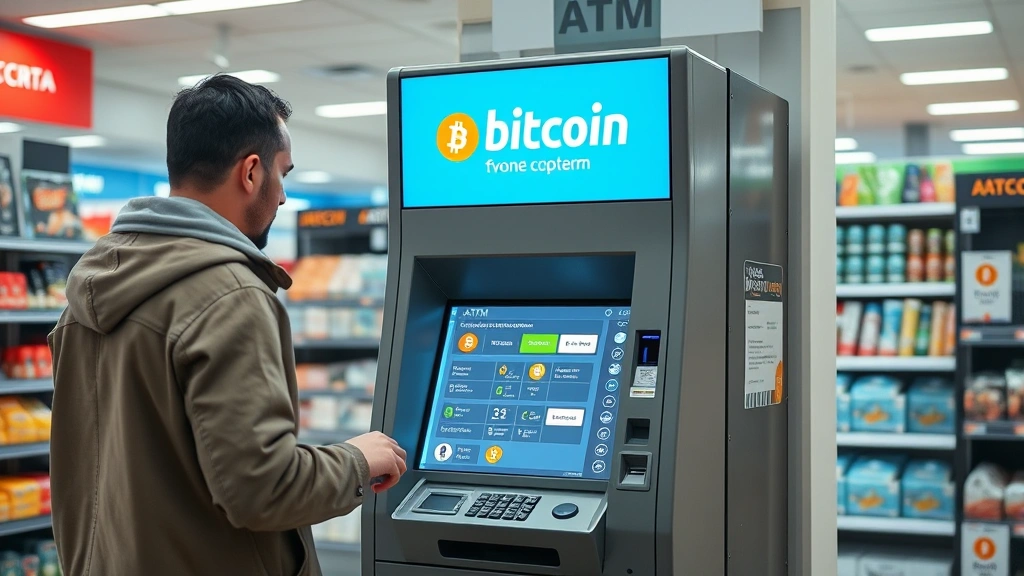
Bitcoin Depot operates as a leading Bitcoin ATM network operator and cryptocurrency services provider. Founded in 2016, the company has grown to become one of the largest networks of Bitcoin ATMs in North America. The platform enables users to buy and sell Bitcoin and other cryptocurrencies using cash or debit cards at physical kiosks located in convenience stores, laundromats, and other retail locations.
The company went public on the NASDAQ under the ticker BDPT in 2021, allowing retail and institutional investors to gain exposure to the cryptocurrency infrastructure sector. Unlike cryptocurrency exchanges or mining companies, Bitcoin Depot operates a hardware and software infrastructure business model that benefits from cryptocurrency adoption without directly holding significant crypto assets.
Bitcoin Depot’s network effect creates competitive advantages. As the ATM network expands, it becomes increasingly valuable to both users seeking convenient access and to retail partners wanting to attract cryptocurrency-interested customers. The company generates revenue through transaction fees, typically charging a percentage on each buy or sell transaction conducted through its ATMs.

Business Model and Revenue Streams
Bitcoin Depot’s revenue model centers on transaction-based fees charged to customers using its ATM network. When users buy Bitcoin or other cryptocurrencies through Bitcoin Depot ATMs, the company charges a fee ranging from 6% to 8% of the transaction value. This fee structure generates consistent revenue regardless of cryptocurrency price movements, though higher prices and increased adoption typically correlate with higher transaction volumes.
The company’s profitability depends on several key metrics: the number of operational ATMs, transaction frequency per ATM, and average transaction size. Bitcoin Depot has been actively expanding its network, adding thousands of new machines annually. Each new ATM represents a potential revenue generator, with the company earning fees from both buy and sell transactions.
Secondary revenue streams include merchant partnerships and white-label solutions. Bitcoin Depot works with retail partners to integrate ATM services into their locations, creating partnership revenue opportunities. The company also explores recurring revenue through software licensing and managed services for partners seeking to offer cryptocurrency services.
Understanding how to evaluate this business model requires analyzing technical analysis of stock performance alongside fundamental metrics. Transaction volume, which correlates with cryptocurrency prices and adoption rates, serves as a leading indicator for revenue performance.
Market Position and Competition
Bitcoin Depot faces competition from several directions within the cryptocurrency services ecosystem. Other Bitcoin ATM operators like Coinbase, Kraken, and various regional providers compete for market share. Additionally, cryptocurrency exchanges offering mobile apps and web platforms provide alternative channels for buying and selling digital assets, often with lower fees.
Despite competition, Bitcoin Depot maintains advantages through its extensive physical network. The convenience of cash-based transactions appeals to users who prefer anonymity or lack traditional banking relationships. This positions Bitcoin Depot in a complementary rather than directly competitive position relative to digital-only exchanges.
The company’s market position strengthens as cryptocurrency adoption increases. Bitcoin forecast 2025 predictions suggest continued institutional adoption and mainstream acceptance, potentially driving increased use of ATM networks. Bitcoin Depot’s ability to capture this growth depends on expanding its ATM network faster than competitors while maintaining operational efficiency.
Geographic expansion represents a critical competitive factor. Bitcoin Depot operates primarily in the United States but has begun international expansion. Markets with high cryptocurrency adoption rates and favorable regulatory environments represent priority expansion targets. The company’s success in securing retail partnerships in high-traffic locations directly impacts competitive positioning.
Financial Performance Analysis
Bitcoin Depot’s financial performance exhibits strong correlation with cryptocurrency price movements and adoption metrics. Revenue growth accelerated during periods of Bitcoin price appreciation, as higher prices attract retail interest and increase transaction values. Conversely, bear market periods resulted in reduced transaction volumes and revenue headwinds.
The company achieved profitability milestones following its initial public offering, demonstrating the viability of the Bitcoin ATM business model. Operating margins improved as the company scaled its network and optimized operational efficiency. However, profitability remains sensitive to cryptocurrency market conditions and transaction volume fluctuations.
Key financial metrics to monitor include: transaction volume growth, average revenue per ATM, customer acquisition costs, and operating expense ratios. Bitcoin Depot’s quarterly earnings reports provide detailed insights into these metrics, allowing investors to assess business health and growth trajectory.
Comparing Bitcoin Depot’s financial metrics with FintechZoom Bitcoin price today data reveals correlations between cryptocurrency valuations and company revenue. This relationship underscores the importance of monitoring both macroeconomic factors affecting cryptocurrency prices and company-specific operational metrics.
Growth Opportunities and Catalysts
Multiple growth catalysts position Bitcoin Depot for potential expansion. Mainstream cryptocurrency adoption continues accelerating, with institutional investors and corporations increasing digital asset allocations. This creates expanded addressable markets for Bitcoin Depot’s services.
International expansion represents a significant growth opportunity. Markets including Latin America, Europe, and Asia present opportunities for Bitcoin Depot to replicate its North American success. Different regulatory environments and banking infrastructure challenges make Bitcoin ATM networks particularly valuable in emerging markets.
Technology upgrades and service expansion offer additional catalysts. Bitcoin Depot continues enhancing its platform, adding support for additional cryptocurrencies beyond Bitcoin. Diversifying supported assets increases transaction appeal and captures users interested in alternative digital assets.
Partnership opportunities with payment processors, retailers, and financial institutions could accelerate network expansion. Strategic partnerships reduce capital requirements for ATM deployment while expanding distribution channels. Why did Bitcoin go up analysis reveals that adoption catalysts often precede price appreciation, suggesting that Bitcoin Depot could benefit from increasing institutional acceptance of cryptocurrencies.
Regulatory clarity represents another potential catalyst. As governments establish clearer frameworks for cryptocurrency services, companies like Bitcoin Depot may experience reduced compliance costs and expanded operational capabilities. Positive regulatory developments could unlock new market opportunities.
Risk Factors to Consider
Cryptocurrency market volatility presents significant risks to Bitcoin Depot’s business. Severe bear markets reduce retail interest in cryptocurrency transactions, directly impacting transaction volumes and revenue. Extended periods of declining prices could pressure profitability and stock valuations.
Regulatory risks remain substantial. Governments worldwide continue developing cryptocurrency regulations. Unfavorable regulatory changes could restrict Bitcoin Depot’s operations, increase compliance costs, or limit service offerings. The regulatory landscape remains uncertain in many jurisdictions where the company operates.
Competition intensification poses ongoing threats. Established financial institutions, cryptocurrency exchanges, and fintech companies could expand into the Bitcoin ATM space, commoditizing services and compressing margins. Larger competitors with greater resources could deploy competing networks more rapidly.
Technology risks include potential security vulnerabilities affecting customer transactions or company systems. Cybersecurity breaches could damage customer trust and trigger regulatory consequences. The company must continuously invest in security infrastructure to protect against evolving threats.
Economic recession risks affect discretionary spending on cryptocurrency transactions. During economic downturns, consumers may reduce speculative investments, reducing Bitcoin Depot’s transaction volumes. Macroeconomic conditions significantly influence cryptocurrency adoption rates and retail participation.
The pros and cons of cryptocurrency directly impact Bitcoin Depot’s business prospects. Cryptocurrency adoption barriers including complexity, volatility, and regulatory uncertainty could slow mainstream acceptance, limiting market growth.
Valuation Metrics
Bitcoin Depot’s stock valuation should be assessed using traditional equity valuation methodologies adjusted for the company’s growth stage and cryptocurrency exposure. Price-to-earnings ratios provide one valuation framework, though profitability fluctuations during cryptocurrency cycles complicate this analysis.
Price-to-sales ratios offer alternative valuation perspectives, measuring stock price relative to revenue generation. This metric proves useful for growth-stage companies and reduces distortion from profitability fluctuations. Bitcoin Depot’s sales growth trajectory directly influences valuation multiples.
Enterprise value-to-transaction volume ratios represent cryptocurrency services industry-specific valuation approaches. This metric evaluates company worth relative to transaction processing capacity, providing insights into pricing relative to business fundamentals.
Dividend yields and cash flow metrics should be evaluated for investors seeking income-producing investments. Bitcoin Depot’s capital allocation policies, including dividend payments and share buybacks, influence total shareholder returns.
Comparing Bitcoin Depot valuations with cryptocurrency industry peers provides context. Relative valuation multiples reveal whether the market prices Bitcoin Depot at premiums or discounts relative to comparable companies. This analysis helps identify potential investment opportunities.
Investment Strategy
Bitcoin Depot appeals to investors seeking cryptocurrency sector exposure through traditional equity markets. For investors uncomfortable with direct cryptocurrency ownership, Bitcoin Depot stock offers indirect exposure to digital asset adoption trends.
Dollar-cost averaging represents a prudent investment strategy for Bitcoin Depot given the company’s correlation with volatile cryptocurrency markets. Regular investments over time reduce timing risk and volatility impact on portfolio returns.
Understanding how to read cryptocurrency charts assists in timing Bitcoin Depot investments. Strong Bitcoin price trends and adoption indicators often precede increased transaction volumes and revenue growth for Bitcoin Depot.
Portfolio positioning should consider Bitcoin Depot’s volatility and cryptocurrency correlation. For conservative portfolios, small allocations to Bitcoin Depot provide cryptocurrency exposure without excessive risk concentration. Growth-oriented investors may justify larger positions based on expansion catalysts.
Risk management requires setting appropriate position sizes and stop-loss levels. Bitcoin Depot stock can experience significant price swings during cryptocurrency market turbulence. Defined risk parameters protect portfolios from excessive volatility exposure.
Long-term investment approaches align with Bitcoin Depot’s growth narrative. Investors believing in cryptocurrency mainstream adoption and Bitcoin ATM network expansion potential should consider multi-year holding periods. Short-term traders should monitor quarterly earnings reports and cryptocurrency price trends.
Due diligence should include reviewing SEC filings, analyzing quarterly financial reports, and monitoring management commentary. Understanding company-specific operational metrics alongside broader cryptocurrency market trends informs sound investment decisions.
FAQ
What is Bitcoin Depot’s primary business?
Bitcoin Depot operates North America’s largest Bitcoin ATM network, enabling customers to buy and sell Bitcoin and other cryptocurrencies using cash or debit cards. The company generates revenue through transaction fees charged on each buy or sell transaction.
How does Bitcoin Depot stock correlate with Bitcoin price?
Bitcoin Depot’s revenue and profitability strongly correlate with Bitcoin price movements. Higher Bitcoin prices typically attract increased retail interest and larger transaction sizes, boosting revenue. Conversely, bear markets reduce transaction volumes and revenue.
What are the main risks of investing in Bitcoin Depot?
Key risks include cryptocurrency market volatility, regulatory uncertainty, increased competition, technology security risks, and economic recession impacts on discretionary spending. Investors should carefully evaluate these factors before investing.
Does Bitcoin Depot pay dividends?
Bitcoin Depot’s dividend policy varies based on profitability and capital allocation decisions. Investors should review current dividend information through the company’s investor relations materials and SEC filings for current distribution policies.
How can I buy Bitcoin Depot stock?
Bitcoin Depot stock (NASDAQ: BDPT) can be purchased through any brokerage account offering NASDAQ-listed securities. Contact your broker for trading instructions and current pricing information.
What is Bitcoin Depot’s competitive advantage?
Bitcoin Depot’s primary competitive advantages include its extensive ATM network providing convenient physical access, established retail partnerships, brand recognition, and operational expertise in the Bitcoin ATM space. These factors create barriers to entry for potential competitors.
How does regulatory change affect Bitcoin Depot?
Regulatory developments significantly impact Bitcoin Depot’s operations and growth prospects. Favorable regulations could expand market opportunities, while restrictive regulations could increase compliance costs or limit service offerings. Monitoring regulatory developments remains crucial for Bitcoin Depot investors.


