Avoid Bitcoin Email Scams! Safety Tips Inside
Bitcoin’s explosive growth has made it a prime target for scammers worldwide. Email remains one of the most effective vectors for cryptocurrency fraud, with millions of fake messages circulating daily designed to steal private keys, seed phrases, and wallet credentials. Whether you’re a seasoned trader or a curious newcomer exploring why bitcoin is going up, understanding common email scams is essential for protecting your digital assets.
The sophistication of modern bitcoin email scams has reached alarming levels. Cybercriminals employ social engineering tactics, impersonate legitimate exchanges and wallet providers, and create urgency through false claims about account compromises or limited-time opportunities. This comprehensive guide reveals the most dangerous bitcoin email scams, teaches you how to identify them, and provides actionable strategies to safeguard your cryptocurrency holdings.
Common Bitcoin Email Scam Types
Bitcoin email scams operate through several distinct mechanisms, each designed to exploit human psychology and trust. Understanding these categories helps you recognize threats before they compromise your security.
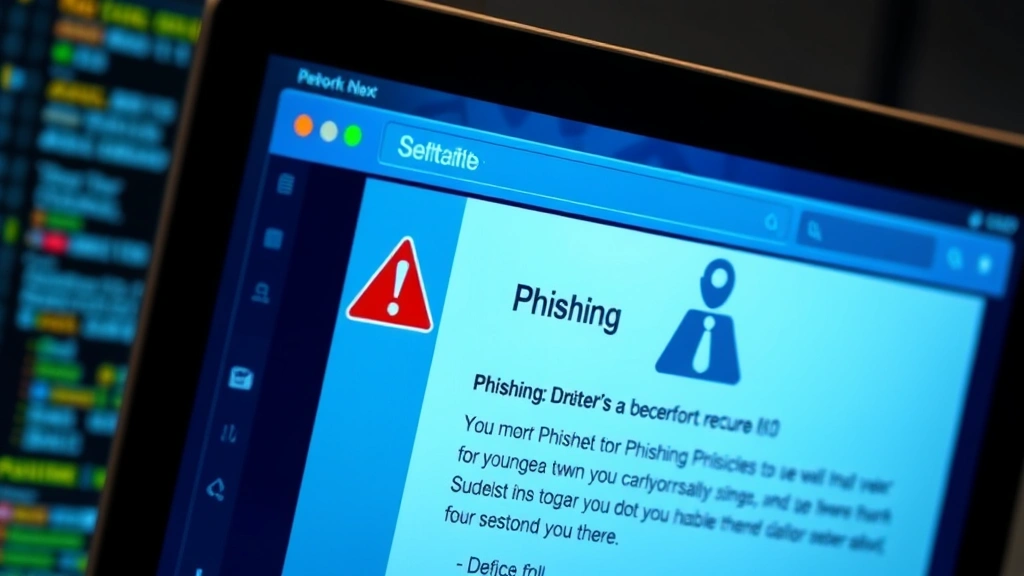
Phishing Emails Impersonating Exchanges: Attackers send emails claiming to be from popular cryptocurrency exchanges like Coinbase, Kraken, or Binance. These messages typically claim suspicious activity detected on your account, requiring immediate verification. The email contains a link directing you to a replica website where you enter your credentials. Once compromised, scammers gain full access to your exchange account and can transfer your bitcoin to their wallets. These attacks are particularly effective because legitimate exchanges do send security notifications, making the fake emails appear credible.
Wallet Provider Impersonation: Similar attacks target users of popular wallets like MetaMask, Trust Wallet, or hardware wallet providers. Scammers create nearly identical emails requesting you to “update your security settings” or “verify your recovery phrase.” The provided link leads to a fake wallet interface that captures your seed phrase when entered. Unlike exchange accounts, compromised wallets give attackers direct access to all your cryptocurrency holdings across multiple blockchains.
Investment Opportunity Scams: These emails promise unrealistic returns on bitcoin investments or exclusive access to early-stage projects. They might claim you’ve been selected for a private sale, airdrop, or special staking opportunity. The pitch includes a link to deposit bitcoin, which is immediately transferred to the scammer’s address. Many victims believe they’re getting in early on something that could explain why bitcoin goes up in value, making them more likely to participate.
Giveaway and Prize Scams: Emails announce that you’ve won a bitcoin giveaway or prize drawing. To claim your reward, you must send a “processing fee” or verify your wallet. The initial bitcoin sent never materializes, and your fee disappears forever. Some versions ask you to click a link and enter wallet details to receive your prize.
CEO Fraud and Business Email Compromise: Sophisticated attackers impersonate company executives or business partners, requesting urgent bitcoin transfers. These emails create artificial time pressure and authority, making recipients hesitant to verify through normal channels. Cryptocurrency’s irreversible nature makes it the preferred method for these high-value frauds.
Red Flags That Signal Phishing Attempts
Learning to spot warning signs is your first defense against bitcoin email scams. Legitimate companies rarely exhibit these characteristics:
- Generic Greetings: Legitimate companies address you by name. Emails beginning with “Dear User,” “Hello Customer,” or “Cryptocurrency Account Holder” are typically phishing attempts.
- Suspicious Email Addresses: Check the sender’s email address carefully. Scammers use addresses like “support@coinbase-verify.com” or “security@kraken-alert.com” that closely resemble legitimate addresses but contain subtle differences. Hover over the sender name to reveal the actual email address.
- Urgency and Threats: Phrases like “verify immediately,” “your account will be closed,” “suspicious activity detected,” or “act now” create panic that bypasses critical thinking. Legitimate security notifications allow reasonable timeframes for action.
- Requests for Sensitive Information: No legitimate company requests passwords, seed phrases, private keys, or recovery codes via email. This is a universal rule in cryptocurrency. If an email asks for these details, it’s definitely a scam.
- Poor Grammar and Spelling: While some sophisticated scams have polished writing, many contain obvious errors. Professional companies employ quality control that catches grammatical mistakes.
- Mismatched Links: Hover over any link in the email to see the actual URL. If it doesn’t match the claimed destination or contains unusual characters, don’t click it.
- Unexpected Attachments: Cryptocurrency companies rarely send attachments via email. Unexpected files could contain malware designed to steal your data.
- Requests to Verify Unusual Information: Scammers might ask you to confirm details they already have, like your account number or wallet address. This is a social engineering tactic to build rapport before asking for sensitive information.
- Offers That Seem Too Good: Unrealistic returns, exclusive opportunities, or sudden windfalls should trigger skepticism. If an investment promises returns that contradict typical market conditions, it’s likely fraudulent.
How Scammers Create Fake Websites
Phishing emails are merely the first step. The real danger lies in the fake websites they direct you toward. Modern scammers have become remarkably skilled at website replication.
Domain Name Tricks: Attackers register domains that closely resemble legitimate sites. They might use “coinbase-secure.com” instead of “coinbase.com,” or “kraken-login.io” instead of “kraken.com.” The difference is subtle enough that hurried users might not notice. Some scammers purchase misspelled domains, betting on common typos.
SSL Certificates: Fake sites often include HTTPS encryption with valid SSL certificates, indicated by a padlock icon in your browser. This fools many users into believing the site is legitimate, as they associate HTTPS with security. However, SSL certificates only encrypt data transmission—they don’t verify the site’s legitimacy.
Perfect Visual Replication: Scammers copy entire website designs, including logos, color schemes, button placements, and page layouts. The fake site functions identically to the real one, asking for login credentials or other sensitive information. Some versions even include working login systems that record your credentials before displaying an “error message.”
Delayed Scams: Sophisticated operations might allow you to log in successfully, creating a false sense of security. Once you’re comfortable, they’ll request additional verification steps, recovery phrase confirmation, or other sensitive data. By this point, you’ve already lowered your defenses.
Understanding these tactics is crucial whether you’re day trading bitcoin or holding long-term. Day traders and active users are particularly vulnerable because they access their accounts frequently, making phishing emails appear more routine.
Protecting Your Private Keys and Seed Phrases
Your private keys and seed phrases are the ultimate targets of bitcoin email scams. Protecting them requires absolute vigilance and specific practices.
Never Share Digitally: Never type your seed phrase into any digital device, website, or email client. This is the fundamental rule of cryptocurrency security. If you’re asked to verify your seed phrase online, it’s a scam. Legitimate companies will never ask for this information.
Hardware Wallet Usage: Hardware wallets like Ledger, Trezor, or KeepKey store private keys offline, making them immune to email-based attacks. Even if you click a malicious link and compromise your computer, the hardware wallet remains secure. For significant bitcoin holdings, hardware wallets are essential.
Offline Storage: Write your seed phrase on paper and store it in a secure physical location, such as a safe deposit box. Multiple copies in different secure locations provide redundancy without digital vulnerability. Never photograph your seed phrase or store it on cloud services.
Separate Email Addresses: Use different email addresses for different purposes. Create a dedicated email address for cryptocurrency-related accounts that you don’t use for other services. This compartmentalization limits the damage if one email account is compromised.
Email Forwarding Caution: Don’t set up email forwarding to secondary addresses, as this allows attackers who compromise one account to access your cryptocurrency emails. Instead, check accounts individually using strong, unique passwords.
Two-Factor Authentication: Enable 2FA on all cryptocurrency accounts, preferably using an authenticator app rather than SMS. SMS-based 2FA can be compromised through SIM swapping attacks. Authenticator apps like Google Authenticator or Authy provide stronger protection.
Best Practices for Email Security
Your email account is the gateway to most of your cryptocurrency accounts. Securing it properly is paramount.
Create a Dedicated Crypto Email: Establish an email address used exclusively for cryptocurrency exchanges, wallets, and related services. Don’t use it for shopping, social media, or other activities. This dramatically reduces the likelihood of your crypto email being targeted in mass phishing campaigns.
Use Strong, Unique Passwords: Create passwords that are at least 16 characters long, combining uppercase letters, lowercase letters, numbers, and symbols. Use a password manager like Bitwarden, 1Password, or LastPass to generate and store unique passwords for each account. Never reuse passwords across different platforms.
Enable Email Account 2FA: Protect your email account itself with two-factor authentication using an authenticator app. This prevents attackers from accessing your email even if they obtain your password.
Monitor Account Activity: Regularly review login activity and connected devices in your email settings. Most email providers show recent access locations and devices. Remove any unfamiliar entries immediately.
Set Up Email Filters: Create filters to organize emails from legitimate cryptocurrency companies into specific folders. This helps you distinguish official communications from phishing attempts. Be cautious of emails that don’t match the expected sender address patterns.
Verify Sender Addresses Carefully: Always hover over sender names to reveal actual email addresses. Bookmark legitimate company websites and navigate to them directly rather than clicking email links. If you receive a suspicious email from an exchange, log into the exchange directly (without clicking the email link) to check your account status.
Be Skeptical of Urgency: Scammers create artificial time pressure to bypass your critical thinking. Legitimate security issues can be addressed at your pace. If an email creates panic, take a breath and verify independently before taking action.
What To Do If You’ve Been Scammed
Despite best efforts, some people still fall victim to bitcoin email scams. Taking immediate action can sometimes limit losses, though cryptocurrency’s irreversible nature means recovery is often impossible.
Secure Your Accounts Immediately: If you’ve entered credentials into a phishing site, immediately change your password for that account and any other accounts using the same password. Enable 2FA if not already active. Check account activity for unauthorized transactions.
Report to Authorities: File a report with your local law enforcement and the FBI’s Internet Crime Complaint Center (IC3) at ic3.gov. While recovery is unlikely, these reports help authorities track scam patterns and identify criminal networks.
Contact the Impersonated Company: Notify the legitimate company (exchange, wallet provider, etc.) about the phishing attempt. Most have security teams that investigate these incidents and may be able to block the scammer’s accounts or addresses.
Monitor Your Credit: If you’ve shared personal information beyond cryptocurrency details, monitor your credit reports for suspicious activity. Consider placing a fraud alert with credit bureaus.
Report to Blockchain Explorers: If you sent bitcoin to a scammer, report the address to blockchain analysis companies and explorers like Blockchain.com. While this won’t recover your funds, it helps blacklist the address and identify criminal patterns.
Seek Professional Help: Cryptocurrency fraud is complex. If substantial amounts are involved, consulting with a cryptocurrency forensics firm or attorney experienced in digital asset recovery might be worthwhile, though success rates remain low.
Learn from the Experience: Review what allowed the scam to succeed and adjust your security practices accordingly. Did you click an email link? Did you not verify the sender address? Use the experience to strengthen your defenses against future attacks.
Whether you’re concerned about protecting holdings during periods when people wonder is bitcoin going to crash or simply securing your long-term investment, email security is foundational.
FAQ
What should I do if I receive a suspicious email from my exchange?
Don’t click any links in the email. Instead, log into your exchange account directly by navigating to the official website (not through the email link) and check your account for the issue mentioned in the email. If there’s no issue, report the email as phishing to the exchange’s security team.
Can I recover bitcoin sent to a scammer?
Bitcoin transactions are irreversible by design. Once sent to a scammer’s address, recovery is virtually impossible. This is why prevention is so critical. The only exception is if you can identify the scammer before they move the funds and convince them to return it, which is extremely rare.
Are hardware wallets completely immune to email scams?
Hardware wallets protect your private keys from email-based attacks. However, you could still be scammed into sending bitcoin to the wrong address if you’re socially engineered into believing you’re sending to a legitimate recipient. Always verify addresses independently.
How can I tell if an email address is spoofed?
Right-click on the sender’s name and select “view message details” or similar option (varies by email client). This reveals the actual email address, which may differ from the display name. Scammers often set display names to legitimate company names while using fraudulent addresses.
Should I use SMS-based two-factor authentication for cryptocurrency accounts?
No. SMS-based 2FA is vulnerable to SIM swapping attacks where criminals convince your mobile provider to transfer your phone number to their device. Use authenticator apps like Google Authenticator, Microsoft Authenticator, or Authy instead. Some advanced users also use hardware security keys like YubiKey for maximum protection.
What’s the difference between a legitimate security notification and a phishing email?
Legitimate notifications use your account name, allow reasonable timeframes for action, never request sensitive information, and direct you to navigate to the website independently rather than clicking email links. Phishing emails create urgency, use generic greetings, request sensitive data, and include direct links to fake sites.
Can checking my Bitcoin price in PKR help prevent scams?
While monitoring your bitcoin price in PKR or other currencies is useful for investment decisions, it doesn’t directly prevent scams. However, understanding bitcoin’s value helps you recognize unrealistic investment promises. If someone offers returns that far exceed normal market appreciation, it’s likely fraudulent.
Are there legitimate reasons an exchange would ask for my seed phrase?
No. Legitimate exchanges never ask for seed phrases. If anyone claiming to represent an exchange requests your seed phrase, it’s definitively a scam. Your seed phrase should only be stored offline and never shared with anyone.
How does Bitcoin arbitrage relate to email scams?
Scammers often use bitcoin arbitrage opportunities as bait for investment scams. They claim to perform arbitrage trades for you and promise returns from price differences across exchanges. These schemes are typically Ponzi operations where initial returns come from new investor deposits rather than actual trading profits.
What’s the connection between Bitcoin and Global M2 in relation to scams?
Understanding bitcoin and global M2 helps you evaluate legitimate investment claims. Scammers often make promises disconnected from macroeconomic realities. Legitimate bitcoin analysis considers monetary supply and economic factors, while scam pitches make unrealistic promises regardless of economic conditions.


