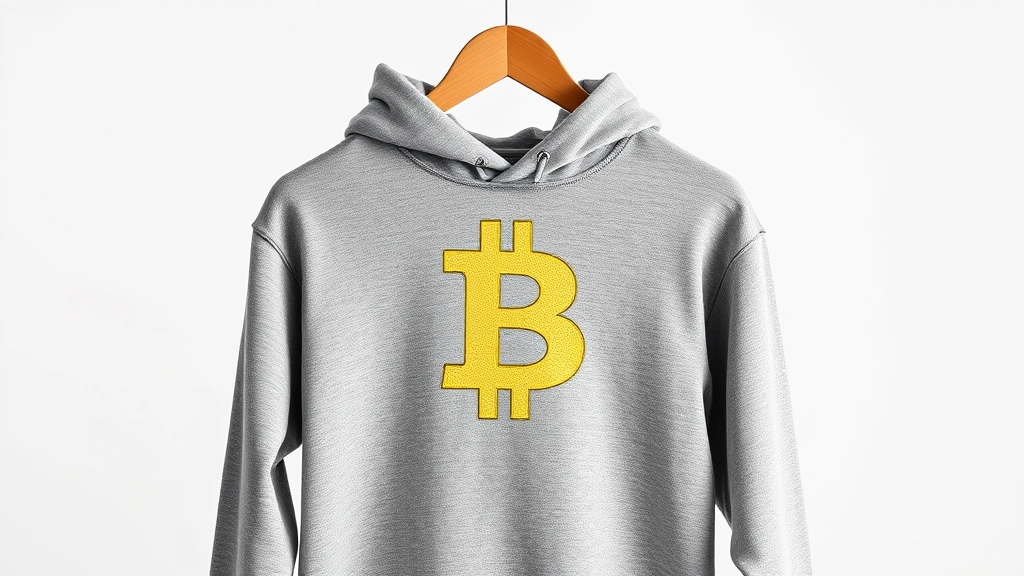
The Bitcoin hoodie has become more than just casual apparel—it represents a cultural phenomenon at the intersection of cryptocurrency enthusiasm and fashion. Whether you’re a seasoned hodler or crypto-curious newcomer, you’ve likely spotted these iconic garments at blockchain conferences, online communities, and street fashion. But the real question remains: are Bitcoin hoodies a genuine fashion statement, a savvy investment piece, or simply merchandise capitalizing on crypto hype? This comprehensive guide explores expert opinions on Bitcoin apparel, its market dynamics, and what it reveals about crypto culture.
The rise of cryptocurrency merchandise reflects broader trends in how communities express identity and loyalty. Bitcoin hoodies serve as wearable declarations of belief in decentralized finance, much like band t-shirts represent musical allegiance. Yet unlike traditional band merch, Bitcoin apparel exists in a unique space where the underlying asset itself fluctuates dramatically. Understanding this phenomenon requires examining the intersection of fashion, investment psychology, and cryptocurrency culture.
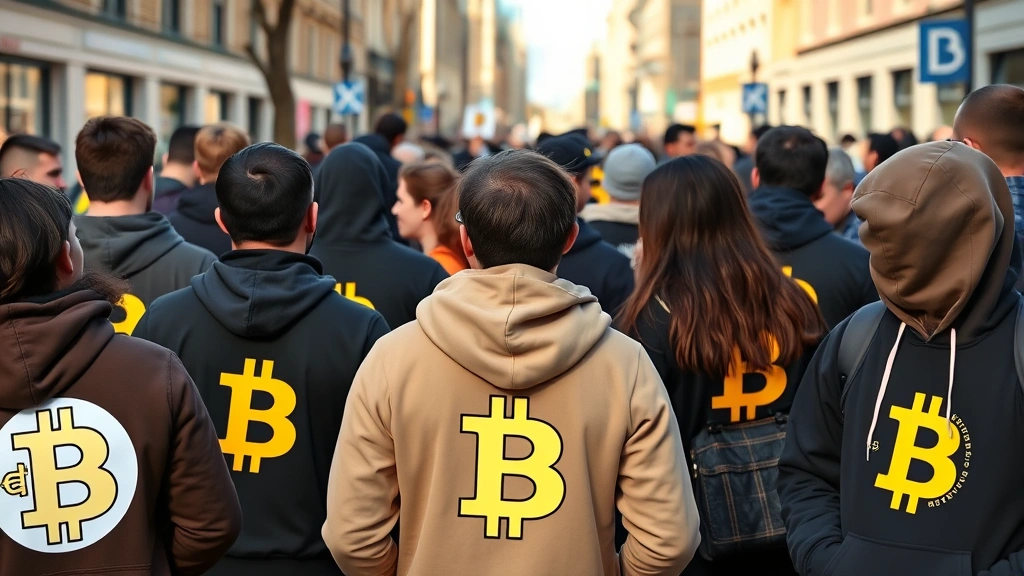
The Rise of Crypto Fashion and Bitcoin Hoodies
Bitcoin hoodies emerged alongside cryptocurrency’s mainstream adoption around 2017-2018, during the first major bull run. What started as niche merchandise for blockchain developers and crypto enthusiasts quickly evolved into a broader fashion category. Major cryptocurrency exchanges, blockchain projects, and independent designers began producing Bitcoin-themed apparel, creating a diverse market ranging from basic graphic tees to premium designer pieces.
The Bitcoin hoodie market has grown exponentially as digital assets gained institutional recognition. Limited-edition drops, collaboration pieces, and exclusive designs have transformed these garments from simple promotional items into sought-after collectibles. Platforms like Etsy, Redbubble, and specialized crypto merchandise sites now host thousands of Bitcoin hoodie variations, each targeting different segments of the crypto community.
Understanding whether Bitcoin hoodies represent fashion or investment requires examining their characteristics, market behavior, and the motivations of both buyers and sellers. The apparel market within cryptocurrency demonstrates how communities create tangible representations of digital beliefs and values.
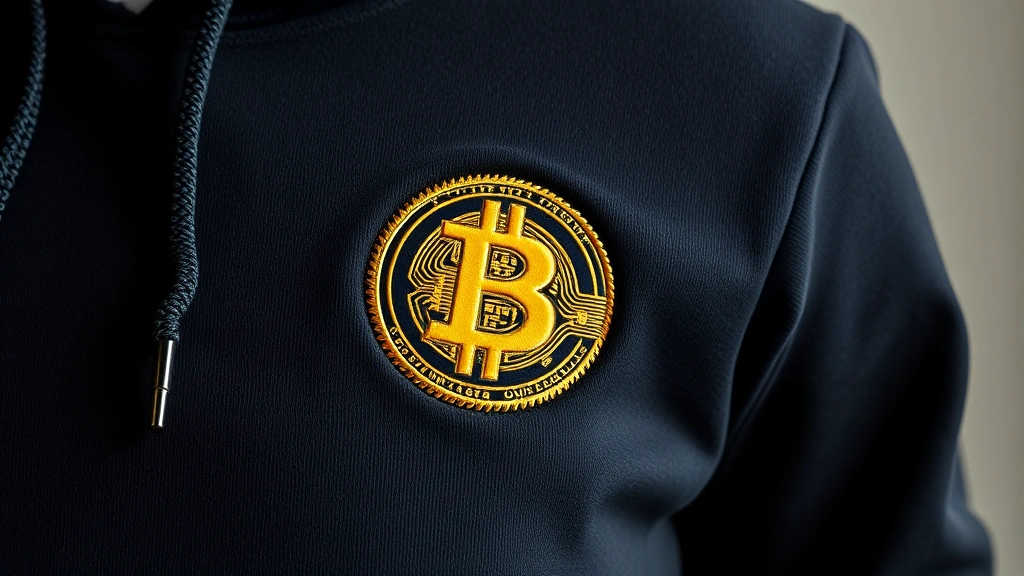
Fashion Perspective: Style Meets Ideology
From a pure fashion standpoint, Bitcoin hoodies occupy an interesting niche. They function as both statement pieces and community markers, allowing wearers to signal their involvement in cryptocurrency culture. Fashion experts note that crypto apparel represents a form of subcultural fashion—similar to how punk, hip-hop, and gaming communities express identity through distinctive clothing.
The aesthetic appeal of Bitcoin hoodies varies significantly. Premium designs feature sophisticated minimalist graphics, quality materials, and thoughtful typography. Others embrace maximalist crypto culture with bold logos, vibrant colors, and explicit messaging. This diversity means the fashion argument for Bitcoin hoodies isn’t monolithic—some pieces genuinely qualify as fashionable streetwear, while others function primarily as identity markers rather than style statements.
Fashion retailers have increasingly stocked crypto-themed apparel, suggesting mainstream acceptance of the aesthetic. Brands like Balenciaga and luxury designers have dabbled in blockchain-inspired collections, legitimizing cryptocurrency fashion as a serious style category. This mainstream crossover indicates that Bitcoin hoodies can transcend their niche origins to become genuine fashion items.
However, fashion critics argue that many Bitcoin hoodies suffer from dated aesthetics or overly literal design approaches. Unlike timeless fashion pieces, heavily branded crypto apparel may appear less relevant as design trends evolve or cryptocurrency narratives shift. The fashion longevity of Bitcoin hoodies depends largely on design sophistication and material quality rather than underlying cryptocurrency value.
Investment Angle: Collectible Value and Resale Potential
The investment perspective on Bitcoin hoodies centers on collectible value rather than traditional asset appreciation. Limited-edition pieces, particularly those from respected cryptocurrency projects or renowned designers, have demonstrated significant resale value increases. Some rare Bitcoin hoodies have sold for multiples of their original retail price on secondary markets.
Factors influencing collectible value include:
- Scarcity—Limited production runs create artificial scarcity that drives resale prices
- Brand prestige—Hoodies from established cryptocurrency projects or luxury collaborations command premium prices
- Design significance—Iconic designs associated with important moments in Bitcoin history appreciate more
- Condition—Unworn, original-packaged hoodies retain value better than worn pieces
- Provenance—Items with documented authenticity and ownership history are more valuable
Some investors approach Bitcoin hoodies similarly to collectible sneakers or limited-edition streetwear. Just as rare Air Jordans or Supreme collaborations appreciate in value, exclusive Bitcoin hoodies can become investment vehicles. However, this market remains illiquid and speculative compared to actual cryptocurrency holdings or traditional investments.
Experts emphasize that treating Bitcoin hoodies as investments requires thorough research into design, production numbers, and market demand. Unlike Bitcoin forecast analysis which relies on technical and fundamental metrics, hoodie valuation depends on subjective collectible factors. The investment case for Bitcoin apparel is substantially weaker than actual cryptocurrency holdings, making it more suitable for collectors than serious investors seeking returns.
Market Dynamics and Pricing Trends
The Bitcoin hoodie market exhibits characteristics of both fashion retail and collectibles markets. Pricing varies dramatically based on brand, design, materials, and rarity. Basic printed hoodies might cost $25-50, while premium designer pieces command $150-500+ at retail. Secondary market prices can fluctuate wildly based on demand and scarcity.
Market dynamics are heavily influenced by Bitcoin price movements and broader cryptocurrency sentiment. During bull markets, crypto merchandise sales surge as enthusiasm peaks and new investors enter the space. Conversely, bear markets see reduced demand as retail interest wanes. This correlation differs from traditional fashion markets, where seasonal and trend-based factors dominate.
Cryptocurrency exchange merchandise represents a significant market segment. Platforms like Coinbase, Kraken, and Binance have released branded apparel including hoodies, leveraging their user bases for merchandise sales. These official products benefit from brand recognition and perceived authenticity, typically commanding higher prices than independent designer pieces.
The resale market for Bitcoin hoodies operates through platforms like Depop, Grailed, StockX, and specialized crypto merchandise marketplaces. Pricing on these platforms reflects true market demand, offering insights into which designs hold value. Rare pieces from early Bitcoin years or iconic crypto events can appreciate significantly, while generic designs depreciate toward zero resale value.
Expert Opinions on Bitcoin Apparel
Fashion industry experts generally view Bitcoin hoodies as valid fashion statements when designed with aesthetic sophistication. Fashion journalist opinions emphasize that quality design, material choice, and cultural relevance determine whether crypto apparel succeeds as fashion. Many experts note that the best Bitcoin hoodies work as standalone fashion pieces regardless of cryptocurrency context.
Investment advisors express skepticism about Bitcoin hoodies as investment vehicles. Most recommend actual cryptocurrency holdings over merchandise as a way to participate in blockchain growth. Financial experts point out that Bitcoin hoodies lack the liquidity, price transparency, and growth potential of actual digital assets. For serious investors interested in cryptocurrency exposure, calculating investment returns on actual Bitcoin far exceeds hoodie appreciation potential.
Cryptocurrency community leaders generally embrace Bitcoin hoodies as cultural artifacts and identity markers rather than financial instruments. These experts view crypto merchandise as important for community building and mainstream adoption. However, most acknowledge the speculative nature of treating hoodies as investments and emphasize that cryptocurrency fundamentals matter far more than apparel.
Collectibles experts draw parallels to other limited-edition markets, noting that Bitcoin hoodies can hold value like sneakers or vintage band merchandise. However, they stress that success requires careful curation, authentication, and understanding of market demand. Unlike established collectible categories with historical price data, Bitcoin hoodies remain relatively new as investment collectibles.
Authenticity and Brand Considerations
The Bitcoin hoodie market includes numerous counterfeit and unauthorized products. Buyers seeking investment-grade pieces must carefully verify authenticity. Official cryptocurrency project merchandise typically comes from verified retailers or project websites, offering better assurance than third-party sellers.
Legitimate sources for Bitcoin hoodies include:
- Official cryptocurrency exchange merchandise stores
- Authorized blockchain project retailers
- Established streetwear brands with crypto collaborations
- Verified independent designers with strong community reputation
- Luxury fashion houses with blockchain-inspired collections
Authentication considerations matter significantly for investment potential. Hoodies with documented provenance, original packaging, and receipts command premium resale prices. Pieces lacking authentication history face skepticism from serious collectors, regardless of design quality.
The rise of NFTs has created new dimensions in crypto merchandise authentication. Some Bitcoin hoodies now come with digital certificates of authenticity or linked NFTs, providing verifiable ownership records. This technological approach to authentication appeals to crypto-savvy collectors and may enhance long-term value retention.
The Psychology Behind Crypto Merchandise
Behavioral economics provides valuable insights into why people purchase Bitcoin hoodies. These garments serve multiple psychological functions beyond their utilitarian value as clothing. They represent identity affiliation, allowing wearers to signal participation in a forward-thinking, technology-focused community.
The psychology of Bitcoin hoodies includes:
- Identity signaling—Wearers communicate their values and beliefs to others
- Community belonging—Crypto apparel creates visible markers of membership in digital asset communities
- Investment conviction—Wearing Bitcoin merchandise reinforces personal belief in cryptocurrency’s future
- Cultural participation—Merchandise provides tangible connection to abstract digital assets
- Collectible satisfaction—Limited editions trigger acquisition psychology similar to other hobbies
Understanding this psychology explains why Bitcoin hoodies appeal even if they don’t appreciate financially. The intangible benefits—community connection, identity expression, and conviction reinforcement—provide genuine value independent of resale potential. This psychological dimension distinguishes crypto merchandise from purely speculative investments.
However, this psychology can also lead to poor purchasing decisions. Emotional attachment to cryptocurrency can drive overpaying for merchandise or treating hoodies as pseudo-investments when actual asset allocation would be more prudent. Experts recommend separating emotional crypto enthusiasm from rational financial decision-making.
Comparing Bitcoin Hoodies to Traditional Investments
When evaluating Bitcoin hoodies as investments, comparison to traditional asset classes reveals significant limitations. Unlike stocks, bonds, or actual cryptocurrency holdings, Bitcoin hoodies lack:
- Standardized pricing mechanisms
- Transparent market data and historical performance
- Dividend or yield potential
- Regulatory oversight or investor protections
- Institutional trading infrastructure
- Clear fundamental valuation methods
Actual Bitcoin holdings significantly outperform Bitcoin hoodies as investment vehicles. Those interested in cryptocurrency exposure should consider direct Bitcoin ownership, particularly given the ongoing Bitcoin forecast for 2025 and institutional adoption trends. Even during cryptocurrency downturns, actual assets maintain technological and economic value beyond merchandise appeal.
For those concerned about whether Bitcoin might crash, owning merchandise rather than actual assets doesn’t mitigate the underlying volatility—it simply removes any upside participation. This asymmetric risk profile makes Bitcoin hoodies inferior to actual cryptocurrency holdings for investment purposes.
That said, small allocations to Bitcoin hoodies can serve specific purposes within broader investment strategies. Collectors with genuine passion for crypto culture might allocate modest funds to premium pieces as personal satisfaction vehicles rather than financial investments. The key distinction is transparency about motivation: collecting for enjoyment differs fundamentally from speculative investment.
For serious investors seeking cryptocurrency exposure, using a Bitcoin retirement calculator to model actual cryptocurrency holdings provides far more useful financial planning than hoodie speculation. These tools demonstrate how meaningful Bitcoin investments compound over time, a benefit completely absent from merchandise ownership.
The Future of Bitcoin Hoodies and Crypto Fashion
The trajectory of Bitcoin hoodies depends on several factors. Continued mainstream cryptocurrency adoption likely supports growing demand for crypto fashion. As digital assets become more integrated into traditional finance, associated merchandise could gain broader appeal beyond enthusiast communities.
Technological innovations may enhance the hoodie market’s investment potential. NFT integration, blockchain-verified authenticity, and digital ownership records could create new value mechanisms. Imagine Bitcoin hoodies with embedded cryptographic proof of authenticity—this fusion of physical and digital could appeal to collectors seeking technological verification.
Design evolution will significantly impact long-term fashion viability. As crypto design language matures and becomes more sophisticated, Bitcoin hoodies may transition from niche subcultural items to mainstream fashion. Alternatively, if designs become dated or oversaturated, resale value could collapse rapidly.
The broader cryptocurrency market conditions will continue influencing hoodie demand. During bull markets, merchandise sales boom as retail enthusiasm peaks. Bear markets see reduced demand, though dedicated collectors may find better bargains. Understanding these cycles helps both fashion and investment-motivated buyers make informed timing decisions.
Expert consensus suggests Bitcoin hoodies will remain viable as both fashion items and collectibles, but their investment potential should be modest expectations rather than primary motivation. The strongest use case combines genuine appreciation for the design, community affiliation, and moderate financial expectations about resale value.
Looking toward the ultimate Bitcoin argument, merchandise represents cultural evolution rather than financial revolution. Bitcoin hoodies matter more for what they represent about cryptocurrency adoption and community formation than for their monetary appreciation potential.
FAQ
Are Bitcoin hoodies a good investment?
Bitcoin hoodies can be collectible items with modest appreciation potential, but they shouldn’t be considered serious investments. Limited-edition pieces from respected brands may appreciate, but liquidity is poor and valuation is subjective. For cryptocurrency exposure, actual Bitcoin holdings vastly outperform merchandise as investments.
How much do Bitcoin hoodies cost?
Prices range dramatically from $25-50 for basic printed hoodies to $150-500+ for premium designer pieces. Limited editions and rare vintage pieces can command significantly higher secondary market prices. Official cryptocurrency exchange merchandise typically costs $50-150 at retail.
Where can I buy authentic Bitcoin hoodies?
Purchase from official cryptocurrency project websites, authorized exchange merchandise stores, established streetwear retailers with crypto collaborations, and verified independent designers. Avoid third-party marketplaces without authentication verification to minimize counterfeiting risks.
Do Bitcoin hoodies appreciate in value?
Some limited-edition and rare Bitcoin hoodies appreciate, particularly pieces from early Bitcoin years or iconic designs. However, most hoodies depreciate toward zero resale value. Success requires careful curation of scarce, desirable pieces rather than random purchases.
Are Bitcoin hoodies fashion or investment?
Bitcoin hoodies serve both purposes depending on design quality and buyer motivation. Premium designer pieces can function as legitimate fashion statements. Limited editions appeal to collectible investors. However, treating hoodies primarily as investments is risky—fashion appreciation should drive purchasing decisions, with any financial upside as secondary benefit.
How does Bitcoin hoodie value compare to actual Bitcoin?
Actual Bitcoin holdings vastly outperform hoodie merchandise as investments. Bitcoin has demonstrated long-term value appreciation and adoption growth. Hoodies lack fundamental value drivers and depend entirely on subjective collectible demand. For serious investors, actual cryptocurrency holdings should take priority.
What makes certain Bitcoin hoodies valuable?
Scarcity, brand prestige, design significance, condition, and provenance determine hoodie value. Limited production runs, official project merchandise, iconic designs, unworn condition, and documented authenticity command premium resale prices. Generic designs with high production volumes have minimal resale value.


