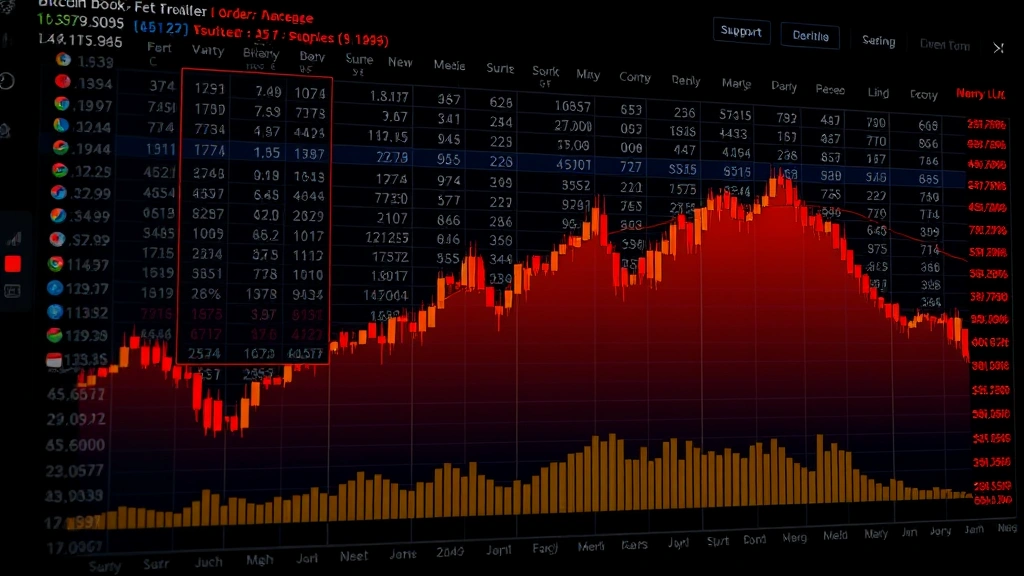
Bitcoin liquidity heatmaps have become essential tools for traders and investors seeking to understand market microstructure and identify optimal entry and exit points. These visual representations map order book depth across different price levels, revealing where significant buying and selling pressure exists. By analyzing these heatmaps, market participants can gain crucial insights into potential price movements, support and resistance zones, and overall market sentiment.
The bitcoin liquidity landscape has evolved dramatically over the past decade. As institutional adoption increased and trading infrastructure matured, liquidity pools deepened across major exchanges. Understanding how to read and interpret these heatmaps can significantly enhance trading strategies and risk management. This comprehensive guide explores the mechanics of bitcoin liquidity heatmaps, their practical applications, and what current trends tell us about market dynamics.
What is a Bitcoin Liquidity Heatmap?
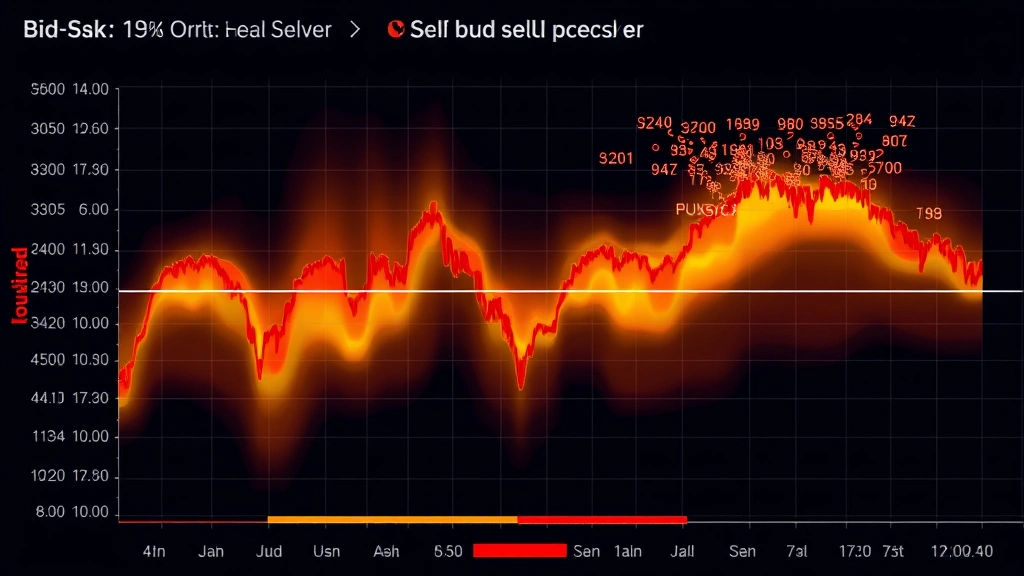
A bitcoin liquidity heatmap is a visual tool that displays the concentration of buy and sell orders at different price levels on an exchange’s order book. The heatmap uses color gradients—typically ranging from cool colors like blue (low liquidity) to hot colors like red (high liquidity)—to represent order density. This graphical representation allows traders to instantly identify where large concentrations of capital are positioned.
These heatmaps capture real-time order book data from major cryptocurrency exchanges. They show both the bid side (buy orders) and ask side (sell orders), providing a complete picture of market structure. The vertical axis represents price levels, while the horizontal axis typically shows order size or cumulative volume. Some advanced heatmaps also incorporate time-series data, showing how liquidity patterns evolve throughout trading sessions.
The primary value of liquidity heatmaps lies in their ability to reveal hidden market structure that traditional candlestick charts cannot show. While price charts display historical price movement, heatmaps expose the current battleground between buyers and sellers. This information proves invaluable for understanding potential price resistance, support levels, and areas where price discovery may face friction.
Institutional traders and sophisticated retail investors have long relied on order book analysis. Liquidity heatmaps democratize this information by making complex order book data accessible through intuitive visualizations. Platforms like Glassnode and various exchange APIs now provide heatmap functionality to users worldwide.
How to Read and Interpret Heatmaps
Reading a bitcoin liquidity heatmap requires understanding several key components. The color intensity indicates liquidity concentration—darker reds or oranges represent areas with substantial order book depth, while cooler colors indicate sparse liquidity. Thick horizontal bands of intense color signal significant price levels where traders have clustered orders, often corresponding to psychological price points or previous support/resistance zones.
The bid-ask spread appears as the gap between the buy side (typically shown on the left) and sell side (right). Wide spreads indicate lower liquidity and potentially higher transaction costs, while narrow spreads suggest active trading and deeper liquidity. During volatile market conditions, spreads widen dramatically as market makers widen their quotes to manage risk.
Interpreting depth on each side requires attention to asymmetry. If the buy side shows significantly more concentrated liquidity than the sell side, this suggests buyers are more aggressive and willing to support the price. Conversely, heavy sell-side concentration might indicate selling pressure or resistance. However, traders must remember that order book data can be misleading—large orders may be spoofing (fake orders placed to manipulate perception) or may be quickly withdrawn.
Temporal changes in heatmaps reveal important dynamics. When liquidity suddenly appears at a specific price level, it often attracts traders. When liquidity disappears, it may signal an imminent price move. Watching heatmaps in real-time during major news events or market-moving announcements can reveal how professional traders position themselves in response to new information.
To effectively use heatmaps, traders should correlate visual patterns with technical analysis indicators and price action. A resistance level shown in traditional charts may appear as a dense red zone on the heatmap, confirming the significance of that price level. This convergence of evidence strengthens trading decisions.
Key Liquidity Zones and Patterns
Bitcoin’s price action creates natural liquidity zones at round numbers and previous support/resistance levels. The $30,000, $40,000, $50,000, and $60,000 levels consistently attract significant order book depth because psychological price points appeal to traders across skill levels. These round-number zones often function as temporary resting points during price trends.
Previous swing highs and lows establish what traders call supply and demand zones. When bitcoin previously rejected price at $68,000, that level becomes a magnet for sell orders as traders anticipate similar rejection. Conversely, previous support levels attract buying interest as traders expect bounces. Heatmaps make these zones visually obvious through concentrated color intensity.
Liquidity voids—areas with sparse order book depth—present both opportunities and risks. Prices move quickly through areas with minimal liquidity, potentially creating slippage for traders executing large orders. However, these voids also represent potential directional movement once price enters them. Savvy traders watch for price approaching liquidity voids and prepare for potential acceleration.
Symmetrical liquidity patterns sometimes emerge, where both bid and ask sides show similar depth. This balance suggests market equilibrium and uncertainty about direction. Asymmetrical patterns—where one side dominates—indicate directional bias and potential momentum. Reading this asymmetry helps traders gauge short-term sentiment.
Seasonal and cyclical patterns in liquidity also matter. During bull market phases, buy-side liquidity typically concentrates below current price. During bear markets, sell-side liquidity clusters above price. Understanding these cyclical patterns, especially when reviewing bitcoin forecast 2025 analysis, helps traders anticipate liquidity shifts.
Market Microstructure Insights
Market microstructure—the mechanics of how trades execute—heavily influences liquidity heatmap patterns. Bitcoin trades 24/7 across dozens of exchanges with varying liquidity profiles. CoinDesk frequently reports on exchange-specific liquidity dynamics that shape these heatmaps. Larger exchanges like Binance, Coinbase, and Kraken have deeper order books, while smaller venues show sparse liquidity.
Market makers actively manage inventory and set quotes based on risk models. When volatility spikes, market makers widen spreads and reduce depth to limit exposure. This behavior shows up on heatmaps as sudden liquidity withdrawal. Understanding that liquidity is dynamic—not static—is crucial for traders relying on heatmap analysis.
The order types traders use also shape heatmaps. Market orders consume liquidity from the order book, while limit orders provide liquidity. During trending markets, market orders dominate and liquidity gets consumed rapidly. During ranging markets, limit orders accumulate and create dense liquidity zones. Recognizing these patterns helps traders anticipate order book behavior.
High-frequency trading (HFT) algorithms also influence microstructure. These systems place and cancel orders in milliseconds, creating the appearance of liquidity that may vanish instantly. This algorithmic activity can create misleading heatmap signals. Professional traders factor in this noise when analyzing heatmaps and look for persistent, structural liquidity rather than fleeting algorithmic orders.
Exchange-specific factors matter significantly. Some exchanges attract different trader demographics—retail-heavy venues show different patterns than institutional platforms. When analyzing liquidity, traders should focus on exchanges where they actually trade, as heatmap signals from other venues may not apply to their execution environment.
Liquidity Trends and Exchange Dynamics
Bitcoin liquidity has consolidated significantly on major exchanges over the past several years. Regulatory crackdowns and platform bankruptcies (notably FTX) accelerated this consolidation. This concentration means that understanding liquidity patterns on Binance, Coinbase, and Kraken provides insight into global price discovery.
Spot market liquidity differs substantially from derivatives markets. Spot heatmaps show actual bitcoin trading, while futures and options markets operate independently with their own order book dynamics. When analyzing price movements for price prediction purposes, traders should consider both spot and derivatives liquidity.
Geographic and temporal patterns emerge in liquidity. Asian trading hours often show different liquidity characteristics than European or American sessions. Bitcoin’s 24/7 nature means liquidity exists constantly, but its distribution shifts based on regional trader activity. A thick heatmap zone during Asian hours might thin during American early morning hours.
Institutional adoption continues reshaping liquidity patterns. The introduction of spot Bitcoin ETFs in major markets increased retail and institutional participation, deepening liquidity pools. This institutional involvement created more stable, predictable liquidity zones that retail traders can rely on more confidently.
Recent trends show increasing liquidity fragmentation across decentralized exchanges (DEXs) and layer-2 solutions. While centralized exchange heatmaps remain most relevant for price discovery, understanding that liquidity now distributes across multiple venues helps traders appreciate the complete market structure. Blockchain.com provides tools to track liquidity across various venues.
Trading Strategies Using Heatmaps
Sophisticated traders employ several heatmap-based strategies. The liquidity-seeking strategy involves placing orders where heatmaps show concentrated depth, improving execution quality and reducing slippage. Rather than accepting market prices, traders identify where sufficient liquidity exists to absorb their order size and target those zones.
The gap-trading strategy
The support and resistance confirmation strategytechnical analysis principles while adding order book confirmation.
The liquidity rotation strategysell or hold decisions during trend changes.
The range-trading strategy
Risk-aware traders always consider that heatmaps reflect only one moment in time. Market conditions change rapidly, and liquidity can evaporate without warning. Successful heatmap traders combine this analysis with broader market context, fundamental understanding, and strict portfolio diversification practices.
Risk Management Considerations
While liquidity heatmaps provide valuable insights, traders must understand their limitations. Heatmaps show order book snapshots, not guaranteed execution. A thick liquidity zone might evaporate if major news breaks or if large traders suddenly cancel orders. This reality requires traders to use heatmaps as one tool among many, not as infallible guides.
The adverse selection problem affects heatmap interpretation. Market makers know that large orders coming into the market will move prices against the liquidity provider. Consequently, they widen spreads and reduce depth when they anticipate large orders. Heatmaps showing thin liquidity at a certain level might be intentional—market makers protecting themselves from informed traders.
Slippage risk increases when traders execute large orders into illiquid zones. Even if heatmaps show sufficient liquidity at a price level, executing a multi-million dollar order might move price significantly. Traders must size positions appropriately relative to available liquidity.
The risk of spoofing and manipulation remains present in cryptocurrency markets. Unscrupulous traders place large orders with no intention of execution, creating the appearance of support or resistance on heatmaps. Regulatory bodies like the SEC increasingly scrutinize these practices, but they persist. Traders should be skeptical of extremely concentrated liquidity that appears suddenly and disappears quickly.
Correlation risk matters when using heatmaps for directional trading. Heatmaps might show strong support at a certain level, but if a major market-moving event occurs, that support evaporates. Traders must always maintain awareness of broader market context, including macroeconomic factors and regulatory developments that could fundamentally shift bitcoin’s liquidity structure.
Over-reliance on heatmaps can lead to analysis paralysis. Waiting for perfect liquidity setups might cause traders to miss significant moves. Successful traders use heatmaps to improve execution quality and confirm directional bias, but they don’t allow perfect analysis to prevent action.
FAQ
What does a bitcoin liquidity heatmap actually show?
A bitcoin liquidity heatmap visualizes the concentration of buy and sell orders across different price levels on an exchange’s order book. Color intensity represents liquidity density—darker colors indicate higher concentration of orders, while lighter colors show sparse liquidity. This reveals where traders have clustered orders and where price might face friction or move quickly.
Can I use heatmaps to predict bitcoin price movements?
Heatmaps provide valuable information about current market structure and potential resistance/support zones, but they don’t predict price movements with certainty. They show where liquidity exists, but markets can behave unexpectedly due to news, macro factors, or sudden changes in sentiment. Use heatmaps to confirm other analysis rather than as standalone prediction tools.
Which exchanges have the most reliable liquidity heatmaps?
Binance, Coinbase, and Kraken offer the deepest and most reliable order books for bitcoin. Heatmaps from these major venues provide the most meaningful information about price discovery. Smaller exchanges often have sparse liquidity and less reliable heatmap signals. Always verify that you’re analyzing heatmaps from exchanges where you actually trade.
How quickly can liquidity disappear from a heatmap?
Liquidity can disappear nearly instantaneously, especially during volatile market conditions. Market makers and traders cancel orders rapidly when market conditions change. A thick liquidity zone visible one moment might be gone within seconds. This is why heatmaps should inform strategy but not be treated as guaranteed execution opportunities.
Are heatmaps useful for long-term bitcoin investors?
Heatmaps primarily benefit active traders managing positions on shorter timeframes. Long-term investors focused on cryptocurrency investment strategies care less about minute-to-minute liquidity patterns and more about fundamental value and long-term trends. However, understanding liquidity zones helps long-term investors identify better entry points during accumulation phases.
What’s the relationship between liquidity and bitcoin price volatility?
Generally, higher liquidity correlates with lower volatility and tighter spreads. When liquidity is abundant, large orders can execute with minimal price impact. When liquidity is sparse, the same order size creates larger price movements. During volatile market conditions, liquidity typically contracts as market makers reduce risk, creating a feedback loop of increasing volatility.


