Bitcoin Physical Coin: Collector’s Guide
Bitcoin revolutionized finance as a purely digital asset, yet the paradox of owning something intangible has sparked a thriving market for bitcoin physical coins. These tangible representations bridge the digital and physical worlds, offering collectors, investors, and enthusiasts a unique way to engage with cryptocurrency. Whether you’re drawn to numismatic value, investment potential, or simply the aesthetic appeal of holding a piece of blockchain history, understanding the landscape of physical bitcoin coins is essential.
The market for physical bitcoin coins has expanded dramatically over the past decade, encompassing everything from artistic collectibles to security-hardened storage solutions. This comprehensive guide explores the types, authenticity considerations, valuation factors, and collecting strategies that define this fascinating intersection of cryptocurrency and traditional collecting.
Types of Bitcoin Physical Coins
The physical bitcoin market encompasses several distinct categories, each serving different collector interests and investment objectives. Understanding these categories helps you navigate purchasing decisions and build a coherent collection strategy.
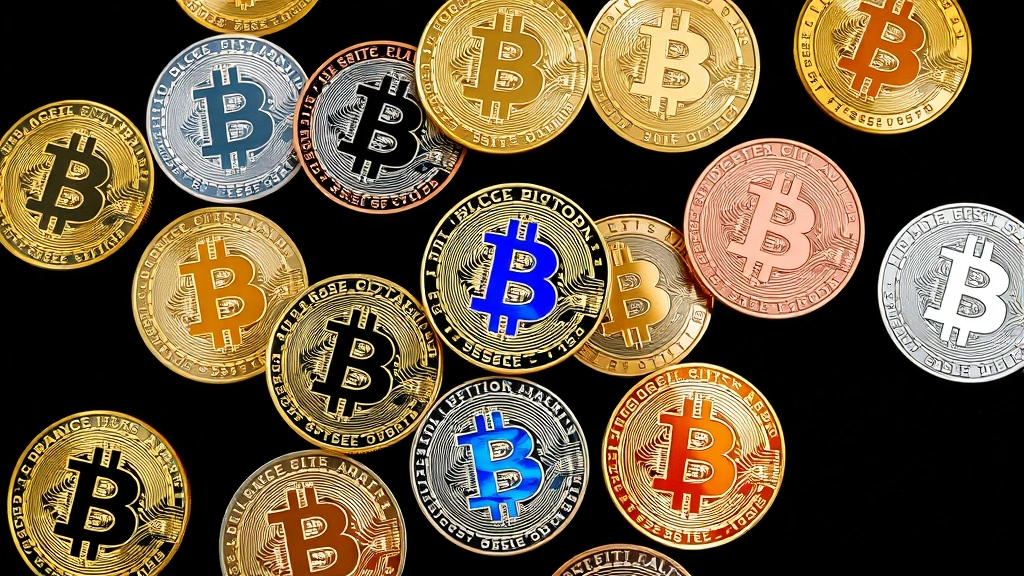
Commemorative and Artistic Coins represent the largest segment of the physical bitcoin market. These are minted by private companies and artists, featuring bitcoin-themed designs, QR codes, and creative interpretations of blockchain concepts. They typically range from $15 to $300 per coin, depending on materials, design complexity, and limited edition status. Popular manufacturers include Casascius, Trezor, and various independent artists who collaborate with foundries worldwide.
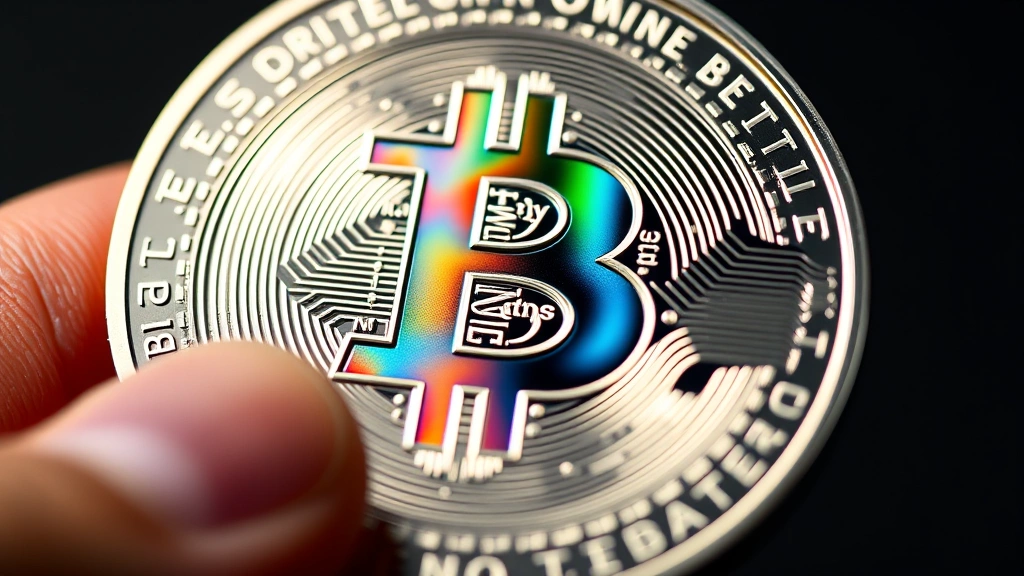
Casascius Coins deserve special mention as they revolutionized the physical bitcoin space. Created by Mike Caldwell starting in 2011, these coins featured embedded private keys under holographic stickers, allowing them to hold actual bitcoin value. Early Casascius coins have become highly collectible, with rare versions selling for thousands of dollars. The original creator ceased production in 2013 following regulatory concerns, making remaining coins increasingly valuable. Understanding Bitcoin Forecast 2025 trends can help collectors anticipate which pieces may appreciate.
Bullion and Precious Metal Coins blend numismatic tradition with cryptocurrency aesthetics. These coins, typically minted in gold, silver, or platinum, appeal to both precious metals investors and crypto enthusiasts. A one-ounce silver bitcoin coin might cost $25-$50, while gold versions range from $1,500 to $3,000 or more, depending on purity and weight. These pieces satisfy collectors seeking tangible value beyond artistic merit.
Hardware Wallet Coins serve a dual purpose: physical collectibles that double as security devices. Companies like Trezor and Ledger have released limited-edition physical coins featuring their branding. These appeal primarily to cryptocurrency security-conscious users rather than traditional collectors, though their scarcity can create collectible value.
Cryptocurrency Exchange and Platform Coins commemorate major exchanges and blockchain platforms. Binance, Kraken, and other major players have released branded physical coins. These tend to hold value through community loyalty and platform recognition rather than intrinsic material worth.
Collecting vs. Investment Value
The distinction between collecting for passion and investing for profit fundamentally shapes how you approach bitcoin physical coins. This decision influences which pieces you acquire, how long you hold them, and what metrics you monitor.
Collector Focus emphasizes artistic merit, historical significance, and personal enjoyment. Serious collectors often build thematic collections—perhaps acquiring every design variant from a particular artist, or coins representing different years and mint marks. These collectors derive value from the collecting journey itself, the knowledge gained, and the aesthetic satisfaction of ownership. For collectors, Bitcoin Price Prediction May 2025 matters less than the coin’s rarity and condition.
Investment Focus prioritizes appreciation potential and market demand. Investment-minded collectors seek pieces with limited mintage, strong historical provenance, and demonstrated price appreciation. Early Casascius coins exemplify investment-grade physical bitcoins—original versions with embedded bitcoin have appreciated 50-100x over their original purchase price. However, this requires patience, market knowledge, and acceptance that not all coins appreciate.
The Hybrid Approach balances both perspectives. You might collect pieces you genuinely enjoy while maintaining awareness of their investment potential. This strategy reduces pressure to liquidate prematurely and allows you to appreciate your collection while benefiting from long-term appreciation.
Understanding Why Is Bitcoin Going Up provides context for physical coin appreciation, as stronger cryptocurrency markets often correlate with increased collector interest and higher valuations for rare pieces.
Authenticity and Security Features
The relatively young and unregulated physical bitcoin market presents authentication challenges absent from traditional numismatics. Counterfeit coins exist, and distinguishing genuine pieces from sophisticated fakes requires knowledge of legitimate manufacturers and security features.
Holographic Seals and Stickers represent the most common security feature in physical bitcoins. Genuine holographic elements exhibit specific optical properties—precise color shifts, three-dimensional depth, and security patterns that counterfeiters struggle to replicate accurately. Examining these under magnification reveals quality differences between authentic and fake pieces.
Weight and Dimension Verification provides objective authentication criteria. Legitimate manufacturers maintain precise specifications; verified weight and dimensions within tolerances suggest authenticity. Quality scales accurate to 0.1 grams and calipers enable precise measurement. Significant deviations indicate potential counterfeits.
Material Composition Analysis confirms material claims. Precious metal coins should exhibit expected density and magnetic properties. Magnet tests quickly identify non-magnetic materials, while density calculations (mass divided by volume) verify composition. X-ray fluorescence (XRF) analysis provides definitive composition verification without damaging coins.
QR Code Functionality offers authentication for coins featuring embedded codes. Scanning genuine QR codes directs to legitimate verification systems or displays expected private key information. Non-functional or misdirected codes suggest counterfeits.
Manufacturer Research remains essential. Verify coins through official manufacturer databases and websites. Reputable producers like Casascius maintain comprehensive records of genuine coins, often including serial numbers and production dates. Cross-referencing your coin against official records confirms authenticity.
Certificate of Authenticity from established grading services provides third-party verification. While the physical bitcoin market lacks the established certification infrastructure of traditional numismatics, emerging services increasingly offer authentication and grading for collectible pieces.
Grading and Certification
Professional grading emerged from traditional coin collecting, where standardized condition assessment drives valuation. The physical bitcoin market increasingly adopts similar practices, though no universal standard currently exists.
Condition Grades typically follow these categories:
- Mint State (MS): Never circulated, showing original mint luster and no wear. These command premium prices.
- About Uncirculated (AU): Minimal wear, retaining most original luster. Slight handling marks visible under magnification.
- Extremely Fine (EF): Light wear on highest points, design details sharp. Generally attractive appearance.
- Very Fine (VF): Moderate wear, main design elements clear but lacking sharp detail.
- Fine (F): Significant wear, design still recognizable but lacking detail.
- Very Good (VG): Heavy wear, design clearly visible but substantially worn.
Hologram and Security Feature Assessment receives particular attention in bitcoin coin grading. Intact, vibrant holograms significantly impact value. Fading, peeling, or damaged security features substantially reduce worth.
Professional Certification Services like PCGS and NGC, traditionally focused on precious metals coins, increasingly accept physical bitcoins. Third-party grading provides objective condition assessment and market credibility. Certified coins typically command premiums of 10-30% compared to uncertified examples.
Rarity Factor Integration combines condition assessment with mintage data. Rare coins in excellent condition command exponentially higher prices than common coins in similar condition. Professional graders consider both factors in valuation.
Storage and Preservation
Proper storage protects your physical bitcoin investment and maintains condition for future appreciation. Environmental factors, handling practices, and security considerations all influence preservation strategies.
Environmental Control prevents deterioration. Maintain stable temperature (60-70°F optimal) and humidity (30-50% range ideal) to minimize oxidation and material degradation. Extreme temperature fluctuations cause expansion-contraction cycles damaging coins over time. Humidity extremes promote corrosion and hologram separation.
Individual Coin Holders protect coins from handling damage. Archival-quality plastic holders, mylar flips, or custom coin capsules prevent fingerprints, dust, and environmental contaminants from contacting coin surfaces. Avoid PVC-containing holders; PVC off-gases cause green corrosion on metal surfaces.
Climate-Controlled Storage for valuable collections involves safety deposit boxes, private vaults, or specialized storage facilities. These provide temperature and humidity control alongside security protection. Costs typically range $50-$300 annually depending on quantity and location.
Home Storage Solutions for casual collectors include safes, safety deposit boxes, or secure locations. Home storage eliminates recurring fees but requires adequate security measures and environmental control. Fireproof safes protect against catastrophic loss, though they may not maintain ideal temperature and humidity.
Insurance Considerations protect against loss or theft. Standard homeowner’s insurance typically excludes collectibles; specialized collectible insurance policies offer comprehensive coverage. Document your collection with photographs, descriptions, and valuations to facilitate claims processing.
Handling Best Practices minimize damage during storage and display. Wear cotton gloves when handling coins to prevent fingerprints and oils from damaging surfaces. Support coins on their edges rather than faces, and avoid touching holographic elements or security features.
Market Pricing and Valuation
Physical bitcoin coin valuation involves multiple factors beyond simple supply and demand. Understanding pricing drivers helps you assess fair value and identify collecting opportunities.
Material Value establishes a baseline, particularly for precious metal coins. Silver and gold content provides intrinsic value independent of collector demand. A one-ounce silver coin’s value never falls below current silver spot prices, creating a valuation floor.
Rarity Premium substantially impacts prices. Limited mintage coins command significant premiums over common issues. Casascius 1-BTC coins from 2011-2012 production runs sell for $10,000-$25,000 or more, reflecting extreme scarcity and historical significance. Common commemorative coins might appreciate only 20-50% above original retail prices.
Embedded Bitcoin Value adds complexity for coins containing actual cryptocurrency. A Casascius coin holding one bitcoin carries the bitcoin’s market value plus collector premiums. However, redeeming embedded bitcoin destroys the coin’s physical form, creating tension between realization and preservation.
Historical Significance drives valuation for coins with notable provenance. Coins associated with early cryptocurrency adoption, famous collectors, or significant events command premium prices. Documentation of ownership history enhances value.
Artist Reputation influences demand and prices. Coins designed by recognized artists or created by pioneering manufacturers like Casascius appreciate faster than generic designs. Artist collaborations and limited-edition releases generate collector enthusiasm.
Condition and Grading dramatically impact valuation. The same coin in MS-65 condition might sell for triple the price of an MS-60 example. Professional certification adds credibility to condition claims and facilitates higher valuations.
Market Sentiment and Cryptocurrency Cycles influence physical coin demand. During bull markets when What Is Cryptocurrency gains mainstream interest, physical coin demand and prices typically surge. Bear markets see reduced collector activity and lower valuations.
Where to Buy Physical Bitcoin Coins
Sourcing quality coins requires knowledge of reputable dealers, platforms, and communities. Different purchasing channels offer distinct advantages and risks.
Specialized Cryptocurrency Retailers focus exclusively on physical bitcoins and blockchain-themed collectibles. These dealers typically offer authentication guarantees, reasonable pricing, and knowledgeable customer service. Examples include dedicated crypto collectible shops that maintain inventory of rare and contemporary pieces.
Online Marketplaces like eBay and specialized coin platforms offer vast selection but require careful due diligence. Seller reputation, detailed photographs, and return policies become critical evaluation criteria. Verify seller credentials and check feedback history before purchasing valuable pieces.
Auction Houses specializing in rare coins increasingly accept physical bitcoins. Major auctions provide third-party authentication, professional documentation, and access to serious collectors. Auction purchases command premiums but offer confidence in authenticity and condition assessment.
Cryptocurrency Community Forums and dedicated collector groups facilitate peer-to-peer transactions. Reddit communities, specialized forums, and Discord servers connect collectors willing to trade or sell pieces. Direct transactions often offer better pricing but require stronger due diligence and authentication skills.
Coin and Collectible Shows provide opportunities to examine coins in person before purchasing. Attending numismatic shows and cryptocurrency conferences allows hands-on evaluation and direct dealer interaction. Personal inspection significantly reduces authentication risks.
Direct from Manufacturers ensures authenticity for contemporary releases. Ordering new designs directly from creators guarantees genuine products and often includes certificates of authenticity. This approach works best for current production coins rather than rare historical pieces.
Research platforms like CoinDesk provide market context and industry news affecting collector demand and valuations.
Common Mistakes Collectors Make
Learning from others’ errors accelerates your collecting journey and protects investments. These mistakes represent pitfalls that experienced collectors have identified.
Overpaying for Common Coins represents the most frequent error. Inexperienced collectors often pay premium prices for coins readily available at fair market value. Research recent sales and comparable listings before purchasing to establish realistic pricing.
Neglecting Authentication results in purchasing counterfeits or misrepresented coins. Always verify authenticity through multiple methods and cross-reference against manufacturer records. When in doubt, invest in professional authentication services.
Poor Storage Practices damage valuable coins, reducing condition and value. Storing coins in unsuitable materials, extreme temperatures, or humid environments causes irreversible damage. Invest in proper storage from the outset.
Failing to Document Collections complicates insurance claims and future sales. Maintain detailed records including photographs, purchase dates, prices, and condition assessments. Digital backups protect against loss of physical documentation.
Chasing Hype Without Research leads to poor purchasing decisions. Media attention sometimes creates artificial demand for coins lacking genuine scarcity or historical significance. Thorough research prevents buying into temporary trends.
Mixing Investment and Speculation blurs decision-making. Treating physical coins as short-term trading vehicles typically underperforms compared to long-term collecting. Define your collecting objectives and maintain consistency.
Ignoring Liquidity Challenges creates problems when needing to liquidate. Physical bitcoins lack the liquidity of digital assets or traditional precious metals. Selling rare pieces requires time and often involves finding specialized buyers. Plan for extended sale timelines when needed.
Underestimating Security Risks exposes collections to theft. Discussing valuable collections publicly or storing them insecurely invites theft. Maintain discretion about collection details and implement appropriate security measures.
Understanding Bitcoin Options Trading concepts can provide perspective on price volatility affecting collector sentiment and valuations.
FAQ
Are physical bitcoin coins legal?
Yes, physical bitcoin coins are legal collectibles in most jurisdictions. They constitute legal merchandise similar to commemorative coins or artwork. However, coins containing actual bitcoin value may face regulatory scrutiny in some regions. Verify local regulations before purchasing coins with embedded cryptocurrency.
Can I redeem physical bitcoins for actual cryptocurrency?
This depends on the specific coin type. Casascius coins with embedded private keys can theoretically be redeemed, though this destroys the physical coin’s collectible value. Most contemporary coins are purely decorative with no cryptocurrency redemption capability. Always clarify this before purchasing.
What’s the best physical bitcoin coin for beginners?
Contemporary silver commemorative coins offer excellent starting points. They combine affordable pricing ($20-$50), tangible material value, and diverse artistic designs. Begin with coins from reputable manufacturers to ensure authenticity while developing collecting knowledge.
How do I know if my physical bitcoin is authentic?
Verify authenticity through multiple methods: examine holographic security features under magnification, confirm weight and dimensions against manufacturer specifications, research the coin through official databases, and consider professional certification for valuable pieces. Contact manufacturers directly with serial numbers or production details for verification.
Will physical bitcoin coins increase in value?
Rare historical coins like early Casascius pieces have appreciated significantly. However, not all coins appreciate. Appreciation depends on rarity, condition, historical significance, and market demand. Treat collecting primarily as a passion rather than guaranteed investment strategy.
What’s the difference between graded and ungraded coins?
Graded coins receive professional condition assessment and certification, typically commanding 10-30% premiums over ungraded examples. Grading provides objective condition documentation and enhanced market credibility, particularly valuable for expensive pieces.
Should I display my physical bitcoins or store them safely?
This depends on your collecting philosophy. Displaying coins allows enjoyment but exposes them to environmental damage and security risks. Valuable pieces warrant secure storage, while duplicates or lower-value coins can be displayed under appropriate conditions.
How does cryptocurrency market performance affect physical coin values?
Strong cryptocurrency markets typically increase collector interest and physical coin demand, driving prices upward. Bear markets see reduced enthusiasm and lower valuations. However, rare historical coins maintain value across market cycles through collector demand independent of current crypto prices.
Can I use physical bitcoins as actual currency?
Physical bitcoins aren’t legal tender despite their name and bitcoin associations. They function as collectibles and commemorative items. Using them as currency would violate their collectible status and damage value substantially.
What resources help me learn about physical bitcoin collecting?
Dedicated collector forums, cryptocurrency community platforms, numismatic publications covering crypto collectibles, and specialized online retailers provide valuable information. Engaging with experienced collectors through communities accelerates learning and helps avoid common mistakes. Platforms like Blockchair provide blockchain context, while Coinbase and other major exchanges offer cryptocurrency market information relevant to collector sentiment.


