Bitcoin in Tarkov: Is It Still Profitable? Gamer Insights
Escape from Tarkov has become synonymous with in-game cryptocurrency farming, particularly Bitcoin. For years, players have invested millions of in-game rubles into Bitcoin mining rigs, hoping to generate steady profits. But with fluctuating in-game Bitcoin prices, rising electricity costs, and evolving market dynamics, many gamers are asking: is Bitcoin mining still worth it in Tarkov? This comprehensive guide explores the current profitability landscape, compares it to real-world Bitcoin forecast trends, and provides actionable insights for Tarkov enthusiasts.
The allure of passive income in Tarkov has driven millions of players to dedicate entire hideout rooms to mining operations. However, the economics of in-game Bitcoin farming have shifted dramatically since its introduction. Understanding current profit margins, calculating return on investment (ROI), and recognizing market trends are essential for making informed decisions about whether to pursue this lucrative venture.
Understanding Bitcoin Mining in Tarkov
Bitcoin mining in Escape from Tarkov represents one of the most popular passive income methods available to players. The mechanic allows players to construct mining rigs within their hideout, consuming electricity and generating Bitcoin over time. Each rig operates independently, meaning players can scale their operation by installing multiple graphics cards and power supplies.
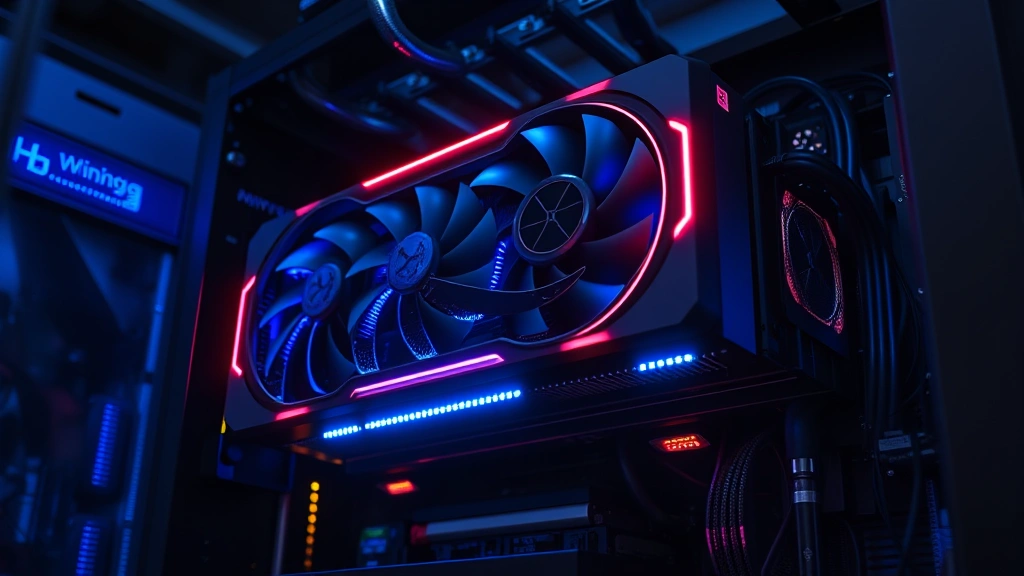
The fundamental mechanics involve several key components: graphics processing units (GPUs), power supplies, and a stable power infrastructure within your hideout. Different GPU tiers generate Bitcoin at varying rates, with high-end cards like the Nvidia RTX 4090 producing significantly more than entry-level options. The initial capital investment can range from several million to tens of millions of rubles, depending on your desired setup.
Understanding how to read cryptocurrency charts can help you track real-world Bitcoin trends, which indirectly influence in-game market sentiment and trading patterns. Many experienced Tarkov players monitor actual cryptocurrency movements to anticipate in-game price shifts.
The mining process generates one Bitcoin approximately every 170 hours with a single high-tier GPU. This means a fully operational mining farm with multiple cards can produce substantial quantities of Bitcoin within a wipe cycle. However, several variables affect profitability: electricity costs, GPU availability, Bitcoin price volatility, and the overall economic state of the Tarkov server.
Current Bitcoin Prices and Market Dynamics
In-game Bitcoin prices fluctuate based on server-wide supply and demand dynamics. Unlike real-world Bitcoin, Tarkov’s in-game currency operates in a closed economy where the total Bitcoin supply is limited by the number of players actively mining. This creates unique market conditions where prices can swing dramatically based on wipe cycles, patches, and player behavior patterns.
Current Bitcoin prices in Tarkov typically range between 650,000 and 750,000 rubles, though these figures vary across different servers and wipe stages. Early wipe periods often see higher prices due to reduced supply, while late-wipe economies tend to experience deflation as more players complete their mining operations. Monitoring JPMorgan Bitcoin 2025 prediction reports can provide insights into real-world market sentiment that sometimes influences player psychology in Tarkov trading communities.
The relationship between in-game Bitcoin prices and real-world cryptocurrency markets is largely psychological rather than mechanically connected. However, major real-world Bitcoin movements often correlate with changes in player sentiment and trading behavior. When real Bitcoin experiences significant price surges, Tarkov players frequently become more bullish on in-game Bitcoin, potentially driving up prices.
Supply dynamics play a crucial role in price determination. Early in a wipe cycle, when most players haven’t yet invested in mining infrastructure, Bitcoin supply remains constrained, supporting higher prices. As the wipe progresses and more players establish mining operations, supply increases, typically pushing prices downward. Understanding these cycles allows savvy players to time their mining operations for maximum profitability.
External factors including major patches, balance changes, and new content releases can dramatically impact Bitcoin prices. Updates that make mining more efficient or introduce new income methods can trigger significant price movements. Staying informed about upcoming changes helps players anticipate market shifts and adjust their strategies accordingly.

Profitability Analysis and ROI Calculations
Calculating profitability requires careful analysis of multiple variables. The primary investment involves purchasing GPUs, power supplies, and other components. Current GPU prices in Tarkov range significantly based on tier: entry-level cards cost 500,000-1,000,000 rubles, while high-end options like the RTX 4090 exceed 10,000,000 rubles.
A single RTX 4090 generates approximately one Bitcoin every 170 hours. At current prices of 700,000 rubles per Bitcoin, this yields roughly 4,117 rubles per hour of operation. Over a 30-day month (720 hours), a single card generates approximately 2,964,240 rubles in Bitcoin value. However, electricity costs reduce this figure significantly.
Electricity consumption represents the primary ongoing expense. A high-tier GPU consumes approximately 300-450 watts during operation. In Tarkov, electricity costs approximately 15 rubles per unit consumed. A 400-watt card running continuously for 720 hours consumes 288,000 units of electricity, costing 4,320,000 rubles monthly. This means your theoretical 2,964,240 ruble income actually results in a loss when accounting for electricity expenses.
This apparent contradiction highlights why Bitcoin mining free strategies have become popular among players seeking alternative approaches. Mid-tier GPUs with lower power consumption but reasonable generation rates often provide superior ROI compared to high-end cards. A GTX 1080 consuming 250 watts generates Bitcoin every 350 hours while costing significantly less in electricity.
Break-even analysis requires considering multiple GPU configurations. A four-GPU setup with mid-tier cards might cost 15,000,000 rubles initially but generate approximately 3,000,000 rubles monthly in net profit after electricity costs. This translates to a five-month payback period, after which profits accumulate rapidly. Over a full wipe cycle (typically 6-12 months), a properly optimized mining operation can generate 15,000,000-30,000,000 rubles in pure profit.
Profitability improves significantly when considering that Bitcoin prices may appreciate during the wipe cycle. If you mine Bitcoin at 700,000 rubles but prices rise to 800,000 rubles before selling, you capture additional margin. This speculative element adds complexity but also potential upside to mining operations.
Comparing In-Game vs Real-World Economics
The economics of Tarkov Bitcoin mining share surprising parallels with real-world cryptocurrency mining, though important differences exist. Both involve substantial capital investment, ongoing operational costs, and price volatility. Understanding these connections helps players grasp fundamental crypto economics while optimizing their in-game strategies.
Real-world Bitcoin mining requires ASIC hardware costing thousands of dollars, electricity expenses measured in hundreds monthly, and technical expertise to operate profitably. Tarkov mining, while mechanically simpler, follows similar economic principles: initial investment, variable operating costs, and price-dependent profitability. This makes Tarkov an excellent educational sandbox for understanding cryptocurrency fundamentals.
The ultimate Bitcoin argument about whether mining remains viable applies equally to both real-world and in-game contexts. In both cases, profitability depends on hardware efficiency, electricity costs, and Bitcoin price levels. Just as real-world miners abandon operations when prices fall below production costs, Tarkov players must evaluate whether their mining remains worthwhile given current economics.
Volatility represents another shared characteristic. Real Bitcoin price fluctuations of 10-20% monthly are normal, mirroring the significant price swings experienced in Tarkov’s economy. Both markets reward timing and punish poor decision-making. Players who mine during high-price periods and sell before inevitable corrections maximize returns, similar to real-world traders capitalizing on market cycles.
However, critical differences distinguish the two systems. Tarkov’s economy operates on a finite timeline (each wipe cycle), creating artificial scarcity that amplifies price movements. Real-world Bitcoin operates perpetually with global supply and demand dynamics. Additionally, Tarkov mining involves no real financial risk, making it ideal for learning crypto concepts without actual monetary exposure.
Optimization Strategies for Maximum Profits
Successful Tarkov Bitcoin mining requires strategic optimization across multiple dimensions. The first consideration involves GPU selection. Rather than pursuing the absolute highest-tier cards, analyze the efficiency ratio: Bitcoin generation rate divided by power consumption and purchase cost. Mid-range GPUs often provide superior efficiency metrics than flagship models.
Power supply configuration significantly impacts profitability. Installing multiple lower-wattage supplies instead of one massive unit can reduce overall consumption and electricity costs. A 500-watt supply powering two GPUs efficiently beats a 1000-watt supply operating at 40% capacity. Experiment with different configurations to identify your optimal setup.
Timing your mining operation within the wipe cycle represents perhaps the most important optimization strategy. Early wipe periods offer higher Bitcoin prices but require earlier capital investment. Late-wipe periods feature lower prices but lower investment barriers. Analyze your playstyle and capital availability to determine optimal timing for your situation.
Diversification beyond Bitcoin mining improves overall profitability. Combine mining with other income methods like farming, crafting, or trading. This approach reduces dependence on Bitcoin price movements while maintaining steady income streams. Many successful players view mining as one component of a diversified hideout economy rather than their sole income source.
Regular monitoring and adjustment prevent costly mistakes. Track electricity costs, Bitcoin prices, and generation rates weekly. If prices fall below your breakeven threshold, consider temporarily shutting down mining to preserve capital for other investments. Conversely, if prices surge unexpectedly, accelerating GPU purchases to expand capacity maximizes profits before inevitable price corrections.
Location selection matters more than players realize. Different hideout locations offer varying electricity costs and upgrade availability. The Kappa hideout location provides superior efficiency compared to starting areas. Planning your hideout progression around mining optimization ensures you’re operating under ideal conditions throughout the wipe.

Alternative Income Methods in Tarkov
While Bitcoin mining remains popular, alternative income methods sometimes provide superior returns. Understanding these options helps you allocate resources optimally and diversify your hideout economy. Crafting operations, farming facilities, and trading represent viable alternatives worth evaluating.
Crafting operations convert raw materials into high-value items through hideout workbenches. Weapon assembly, ammunition manufacturing, and item crafting can generate substantial profits without the capital investment required for mining. The advantage lies in flexibility: you can adjust production based on market demand rather than operating on fixed generation timelines.
Farming hideout modules produce valuable consumables and crafting components. Cultivating items like intelligence folders, documents, and medical supplies provides steady income with minimal ongoing costs after initial setup. Farming operations scale efficiently, allowing small-scale producers to eventually rival mining profitability without electricity expenses.
Trading represents the most active income method but requires market knowledge and capital. Flipping items on the flea market, arbitraging prices between NPCs and players, and identifying undervalued items generate profits for skilled traders. Unlike passive mining, trading demands constant attention but offers unlimited scaling potential.
Raiding and loot acquisition remain fundamental income sources. Players with strong combat skills can generate more rubles through successful raids than mining operations provide. This method requires no hideout investment but demands time and skill. Many players combine raiding with passive mining, maximizing income from both active and passive sources.
Considering Fidelity physical Bitcoin ETP as a real-world comparison, institutional-grade Bitcoin investment options demonstrate how serious institutions evaluate cryptocurrency holdings. Similarly, serious Tarkov players should evaluate their Bitcoin mining operations with institutional rigor, assessing whether capital deployed in mining generates superior returns compared to alternative investments.
FAQ
Is Bitcoin mining still profitable in Tarkov 2024-2025?
Yes, but profitability depends heavily on current Bitcoin prices, your specific GPU configuration, and electricity costs. Mid-tier GPU setups with 2-4 cards typically generate 2,000,000-5,000,000 rubles monthly profit. Early-wipe periods offer higher margins than late-wipe periods when supply increases and prices decline.
How long does it take to break even on mining investment?
Break-even timelines vary based on your setup. A four-GPU mid-tier configuration costing approximately 15,000,000 rubles typically breaks even within 4-6 months of operation. High-end configurations require 6-12 months, while budget setups might achieve break-even within 2-3 months.
What’s the best GPU for Tarkov Bitcoin mining?
GTX 1080, RTX 2080, and RTX 3070 represent excellent efficiency choices. These cards generate reasonable Bitcoin quantities while consuming moderate electricity. High-end cards like RTX 4090 generate more Bitcoin but consume substantially more power, reducing profitability per unit of investment.
Should I prioritize mining or raiding for income?
Ideally, combine both. Mining provides passive income requiring no active engagement, while raiding offers unlimited scaling potential. Casual players benefit from mining as passive income. Hardcore players should prioritize raiding while letting mining run passively in the background.
How do real Bitcoin prices affect in-game prices?
No direct mechanical connection exists, but psychological correlation is significant. When real Bitcoin experiences major price movements, Tarkov players adjust their trading behavior accordingly. Positive real-world Bitcoin sentiment often correlates with increased in-game trading volume and higher prices.
Can I profit from Bitcoin mining on a budget?
Yes, but returns are modest. A single mid-tier GPU setup might generate 500,000-1,000,000 rubles monthly. While slower than larger operations, budget mining still provides meaningful passive income without substantial capital investment.


