Bitcoin to Naira: Current Exchange Rates Explained
The cryptocurrency market has revolutionized how people across Africa, particularly in Nigeria, think about money and financial transactions. Bitcoin to naira exchange rates have become increasingly important as more Nigerians explore digital assets as investment vehicles and payment methods. Understanding how these rates work, what factors influence them, and where to find accurate pricing information is essential for anyone looking to participate in the crypto economy.
Nigeria’s adoption of Bitcoin and other cryptocurrencies has grown exponentially over the past five years, driven by economic pressures, inflation concerns, and the desire for financial independence. The naira has faced significant depreciation against major currencies, making Bitcoin an attractive hedge for many Nigerians. However, navigating the bitcoin to naira market requires knowledge of exchange rate mechanisms, trading platforms, and the regulatory landscape that continues to evolve.

Understanding Bitcoin to Naira Exchange Rates
Bitcoin to naira exchange rates represent the value of one Bitcoin denominated in Nigerian naira currency. Unlike traditional currency exchange rates set by central banks, Bitcoin rates are determined by market forces on decentralized exchanges and peer-to-peer trading platforms. The rate you see depends on supply and demand dynamics, the specific platform you’re using, and global Bitcoin price movements.
The global Bitcoin price is typically quoted in US dollars on major exchanges like CoinDesk. To convert this to naira, traders multiply the dollar amount by the current USD to naira exchange rate. For example, if Bitcoin trades at $45,000 USD and the dollar-to-naira rate is 1,550 naira per dollar, one Bitcoin would be worth approximately 69.75 million naira. However, actual rates on Nigerian platforms may vary significantly based on local market conditions.
The spread between different platforms can be substantial. Some Nigerian exchanges might quote slightly higher or lower rates depending on their liquidity, trading volume, and operational costs. Understanding this variance is crucial for making informed trading decisions and maximizing returns on your Bitcoin investments.
Factors Influencing Bitcoin Prices in Naira
Global Bitcoin Market Movements
The primary driver of bitcoin to naira rates is the global Bitcoin price in US dollars. When Bitcoin’s value increases on international exchanges, the naira equivalent rises proportionally. Conversely, when Bitcoin experiences a market downturn, the naira value decreases. Major events affecting global Bitcoin sentiment include regulatory announcements, macroeconomic data, central bank policies, and technological developments in the blockchain space.
Nigerian investors should monitor global Bitcoin price prediction trends to anticipate potential shifts in the naira-denominated price. Understanding these movements helps in timing your entries and exits more effectively.
Naira Exchange Rate Volatility
The Nigerian naira has experienced significant depreciation against the US dollar in recent years. When the naira weakens against the dollar, Bitcoin’s naira value increases even if the dollar-denominated Bitcoin price remains stable. This creates a dual volatility situation where Nigerian investors face both Bitcoin price risk and currency depreciation risk. The Central Bank of Nigeria’s monetary policies, inflation rates, and foreign exchange reserves directly impact the naira’s strength.
Local Demand and Supply
Demand for Bitcoin within Nigeria influences local exchange rates. During periods of high demand—such as when economic uncertainty increases or when Nigerians seek to move funds abroad—bitcoin to naira rates may spike on local platforms. Supply constraints on certain exchanges can also drive price variations. Nigerian exchanges with limited Bitcoin inventory may quote higher rates than platforms with abundant liquidity.
Platform-Specific Factors
Different trading platforms in Nigeria operate with varying fee structures, liquidity levels, and user bases. Peer-to-peer platforms like LocalBitcoins and Paxful often show different rates than centralized Nigerian exchanges. The reputation, security features, and ease of use of each platform influence which rates traders are willing to accept.
Where to Check Current Bitcoin to Naira Rates
Major Cryptocurrency Exchanges
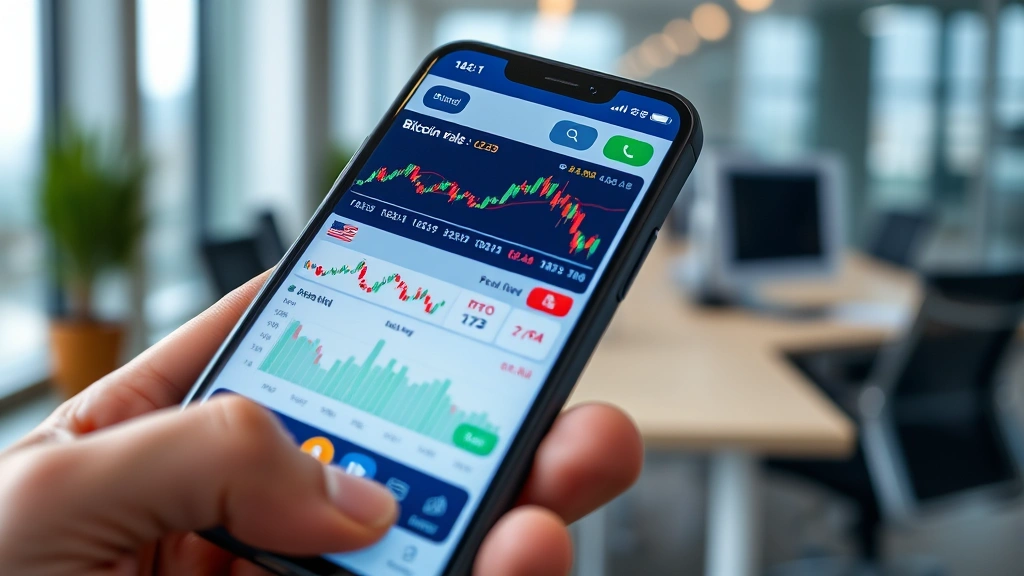
Several platforms provide reliable bitcoin to naira exchange rate information. Luno Nigeria, Binance P2P, and Kraken offer real-time pricing with varying levels of liquidity. These platforms typically display the current market rate along with the spread between buy and sell prices. Most offer mobile applications for convenient rate checking on the go.
For the most accurate global Bitcoin price baseline, check CoinMarketCap or CoinGecko, which aggregate prices from thousands of exchanges worldwide. These aggregated prices provide a reliable reference point before checking local Nigerian platform rates.
Blockchain Explorers and Data Providers
Blockchain explorers like Blockchain.com provide transaction data and network information but don’t offer real-time exchange rates. However, they’re valuable for verifying Bitcoin transactions and understanding network activity. For comprehensive market data, platforms like TradingView offer detailed charts and analysis tools.
Nigerian Peer-to-Peer Platforms
Paxful and LocalBitcoins operate peer-to-peer marketplaces where individual traders set their own rates. These platforms allow you to see multiple offers from different sellers, each with varying prices and payment methods. While these platforms offer flexibility, rates tend to be higher than centralized exchanges due to the peer-to-peer nature and additional intermediary fees.
Trading Bitcoin in Nigeria
Trading bitcoin to naira involves converting your cryptocurrency holdings into Nigerian currency or purchasing Bitcoin using naira. The process varies depending on your chosen platform and preferred payment method.
Centralized Exchange Trading
Most centralized exchanges require account verification, including identity confirmation and proof of address. After verification, you can fund your account using bank transfers, debit cards, or mobile money services. Once funded, you can place market orders to buy Bitcoin at the current rate or limit orders to purchase at your desired price. When selling, the process reverses—you sell your Bitcoin and receive naira directly to your bank account.
Peer-to-Peer Transactions
P2P platforms connect Bitcoin buyers and sellers directly. You can browse listings showing different rates, payment methods, and trader reviews. Nigerian traders often accept bank transfers, Opay, Paystack, and other local payment methods. P2P trading offers more flexibility but requires careful attention to trader ratings and communication to avoid fraud.
Over-the-Counter (OTC) Trading
For large Bitcoin transactions, OTC desks provide personalized service with potentially better rates than retail platforms. These services cater to high-volume traders and institutional investors, offering competitive pricing and dedicated support. Nigerian banks and crypto companies increasingly offer OTC services for significant transactions.
Understanding how much to invest in Bitcoin is essential before executing trades. Start with amounts you can afford to lose, as cryptocurrency markets remain highly volatile.
Regulatory Considerations and Compliance
The Nigerian regulatory environment for cryptocurrency has been complex and evolving. In 2021, the Central Bank of Nigeria issued a circular restricting banks from facilitating cryptocurrency transactions, creating challenges for on-and-off-ramp services. However, the regulatory landscape has been gradually shifting with increased recognition of cryptocurrency’s importance.
As of recent developments, Nigerian authorities have shown more openness to regulated cryptocurrency exchanges and services. The Securities and Exchange Commission has begun establishing frameworks for digital asset trading. Investors should stay informed about regulatory changes by following official Central Bank of Nigeria announcements and working with compliant platforms.
Tax implications of Bitcoin trading in Nigeria are still developing, but investors should maintain detailed records of all transactions for potential tax reporting purposes. Consulting with a tax professional familiar with cryptocurrency is advisable for significant transactions.
Investment Strategies for Nigerian Investors
Dollar-Cost Averaging Approach
Given the volatility of both Bitcoin and the naira, many Nigerian investors employ DCA Bitcoin strategy to reduce timing risk. This involves investing a fixed amount in Bitcoin at regular intervals, regardless of price fluctuations. Over time, this approach can reduce the impact of market volatility and provide psychological comfort during market downturns.
Portfolio Diversification
Rather than investing exclusively in Bitcoin, consider how to rebalance a portfolio to include various assets. While Bitcoin and Ethereum represent significant cryptocurrency positions, traditional assets like bonds and stocks provide stability. Learning about bonds can help you create a balanced investment approach that reduces overall portfolio risk.
Hedge Against Naira Depreciation
Many Nigerians view Bitcoin as a hedge against naira depreciation and inflation. By holding Bitcoin, they preserve purchasing power as the naira loses value. This strategy works particularly well during periods of high inflation or currency instability. However, it’s important to recognize that Bitcoin itself is volatile and doesn’t guarantee protection against all economic risks.
Risk Management and Security
Security Best Practices
Protecting your Bitcoin holdings requires implementing robust security measures. Use hardware wallets like Ledger or Trezor for long-term storage rather than keeping funds on exchanges. Enable two-factor authentication on all exchange accounts, use strong unique passwords, and never share private keys or recovery phrases with anyone.
Be vigilant against phishing attacks and fraudulent platforms. Verify URLs carefully before entering credentials, and only download wallet applications from official sources. Nigerian crypto users face particular risks from social engineering scams, so maintain healthy skepticism toward unsolicited offers or investment advice.
Position Sizing and Risk Limits
Never invest more than you can afford to lose completely. Bitcoin remains a high-risk, high-reward asset class. Financial advisors typically recommend that cryptocurrency holdings represent only a portion of your overall investment portfolio—often between 5-10% for conservative investors and up to 20% for aggressive investors.
Understanding Volatility
Bitcoin to naira rates can fluctuate dramatically within hours. This volatility creates both opportunities and risks. Set clear entry and exit points before trading, use stop-loss orders to limit downside exposure, and avoid making emotional decisions based on short-term price movements. Successful Bitcoin trading in Nigeria requires discipline, patience, and emotional control.
FAQ
What is the current Bitcoin to naira exchange rate?
Bitcoin to naira rates change constantly based on global Bitcoin prices and the USD to naira exchange rate. Check real-time rates on platforms like Luno, Binance, or CoinMarketCap. Rates vary between platforms, so compare multiple sources before trading. Generally, rates on P2P platforms are higher than centralized exchanges due to additional fees and intermediary costs.
Why do Bitcoin prices differ between Nigerian platforms?
Different platforms have varying liquidity levels, fee structures, and user bases. Peer-to-peer platforms typically show higher rates than centralized exchanges because individual sellers set prices with markups. Platform reputation, security features, and withdrawal options also influence price variations. Always compare rates across multiple platforms before executing trades.
Is it legal to trade Bitcoin in Nigeria?
Bitcoin trading exists in a complex regulatory environment in Nigeria. While not explicitly illegal, the Central Bank of Nigeria has restricted bank involvement in cryptocurrency transactions. However, peer-to-peer trading and regulated exchanges continue operating. Stay informed about regulatory developments and use compliant platforms that prioritize user protection and regulatory compliance.
How can I minimize currency risk when trading bitcoin to naira?
Currency risk arises from naira depreciation against Bitcoin and the dollar. Using dollar-cost averaging reduces timing risk. Consider holding Bitcoin long-term rather than frequently converting to naira. If you must hold naira, maintain positions only as long as necessary before reinvesting. Diversifying into other assets and currencies provides additional protection.
What are the safest ways to store Bitcoin in Nigeria?
Hardware wallets like Ledger Nano S or Trezor provide the highest security for long-term Bitcoin storage. For frequent trading, use reputable exchanges with strong security records. Never store significant amounts on exchange platforms long-term. Enable all available security features including two-factor authentication, and maintain encrypted backups of recovery phrases in secure locations.
Can I use bank transfers to buy Bitcoin with naira?
Yes, most Nigerian exchanges and P2P platforms accept bank transfers. Centralized exchanges typically offer bank transfer options with processing times ranging from a few minutes to several hours. P2P platforms accept bank transfers directly from buyer to seller. Some platforms also accept mobile money services like Opay and Paystack. Verify your bank’s stance on cryptocurrency transactions before attempting transfers.


