Bitcoin in Vegas: A Gambler’s Guide to Crypto in Sin City
Las Vegas, the world’s premier gambling destination, has undergone a digital transformation in recent years. What was once exclusively about blackjack tables and slot machines has evolved into a thriving cryptocurrency hub where Bitcoin enthusiasts, traders, and curious visitors converge. Whether you’re visiting Sin City for entertainment or exploring crypto investment opportunities, understanding Bitcoin’s role in Vegas’s economy and how to navigate digital assets safely is essential.
The intersection of gambling and Bitcoin creates a unique landscape. Both activities involve risk, reward, and decision-making under uncertainty. However, Bitcoin in Vegas isn’t just about speculation—major casinos now accept cryptocurrency payments, Bitcoin ATMs dot the city, and blockchain conferences attract thousands of professionals annually. This guide explores everything you need to know about Bitcoin in Vegas, from practical considerations to investment strategies.
Bitcoin Adoption in Las Vegas
Las Vegas has positioned itself as a forward-thinking city regarding cryptocurrency adoption. The Nevada State Legislature has been particularly progressive, creating a business-friendly environment for blockchain companies and crypto startups. Major hotels, restaurants, and entertainment venues now accept Bitcoin and other cryptocurrencies as payment methods, reflecting broader mainstream acceptance.
The city’s embrace of Bitcoin stems from several factors. First, Vegas’s economy thrives on innovation and entertainment, making cryptocurrency a natural fit. Second, the transient nature of tourism creates demand for alternative payment methods that don’t rely on traditional banking infrastructure. Third, Nevada’s lack of state income tax and business-friendly regulations have attracted numerous crypto companies to establish headquarters in the region.
Bitcoin conferences and blockchain events held in Vegas annually bring together thousands of industry professionals, investors, and enthusiasts. These gatherings drive adoption, create networking opportunities, and establish Vegas as a legitimate cryptocurrency destination beyond speculation and gambling.
Casinos and Cryptocurrency Payments
Several major Las Vegas casinos have begun accepting Bitcoin and other cryptocurrencies. This development represents a significant shift in how the gaming industry views digital assets. Some casinos now allow players to deposit Bitcoin directly into their accounts, while others accept crypto for hotel bookings, dining, and entertainment purchases.
The advantages for casinos are clear: faster settlement times, reduced payment processing fees, and appeal to a younger, tech-savvy demographic. For players, cryptocurrency payments offer privacy benefits and elimination of currency conversion fees for international visitors. However, understanding risk tolerance becomes crucial when combining gambling with volatile digital assets.
When using Bitcoin at Vegas casinos, several considerations apply. Bitcoin’s price volatility means the value of your deposit can fluctuate significantly between purchase and use. Transaction confirmation times, while typically fast, can occasionally create delays. Additionally, casinos may require identity verification for large crypto transactions due to regulatory compliance requirements.
The integration of cryptocurrency into Vegas’s gaming ecosystem also reflects broader trends in how blockchain technology is revolutionizing financial transactions across industries. Wrapped Bitcoin and other tokenized assets are also beginning to appear in some forward-thinking establishments, offering additional flexibility for crypto-holding visitors.
Bitcoin ATMs and Exchange Services
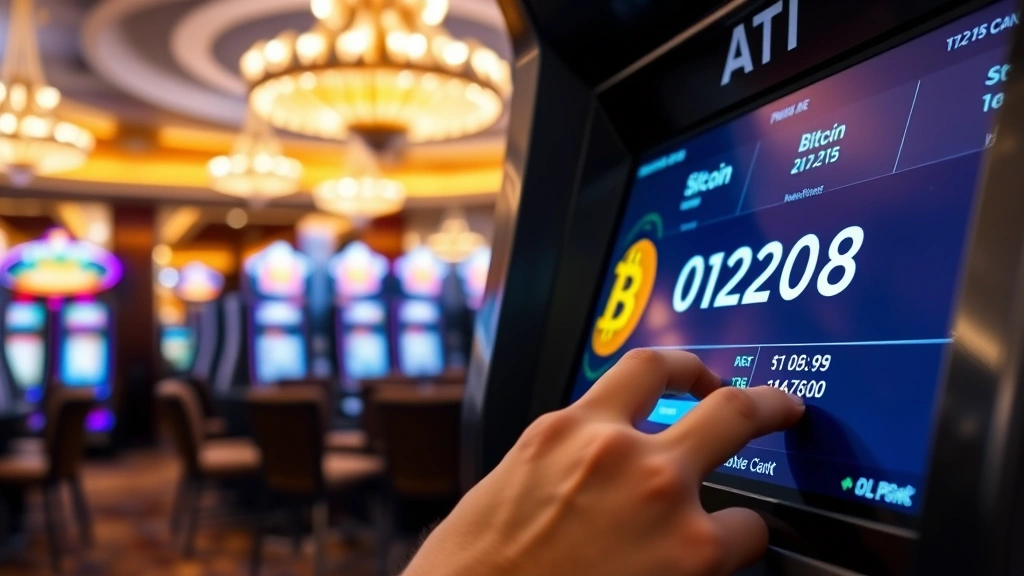
Bitcoin ATMs have proliferated throughout Las Vegas, providing convenient conversion between fiat currency and Bitcoin. These machines, typically found in casinos, hotels, and retail locations, allow visitors to quickly purchase Bitcoin using cash or credit cards. Conversely, you can convert Bitcoin back to USD at these ATMs, though fees typically range from 5-10% depending on the operator.
Several Bitcoin ATM operators maintain significant presence in Vegas. Most machines display current Bitcoin prices and clearly communicate fees before transactions. Some advanced ATMs also support Ethereum and other cryptocurrencies, providing broader options for traders.
When using Bitcoin ATMs, several practical tips apply. First, verify the exchange rate and fees before confirming your transaction—rates can vary significantly between machines. Second, be aware that ATM transactions are recorded and reported for tax purposes. Third, ensure you have a secure wallet destination before purchasing Bitcoin. Sending funds to an insecure wallet negates the benefits of using ATMs.
Beyond ATMs, Vegas hosts numerous cryptocurrency exchange services catering to tourists and residents. These establishments provide more personalized service than automated machines, though they typically charge higher fees. Staff can assist with wallet setup, security practices, and strategic guidance for first-time Bitcoin users.
Investment Strategies for Vegas Visitors
Visiting Vegas with investment interest in Bitcoin requires careful strategic planning. The allure of combining gambling with crypto speculation can lead to poor decision-making. Successful Bitcoin investors in Vegas typically separate their gambling entertainment budget from their investment capital.
One fundamental approach involves understanding active versus passive investing strategies. Passive investors might purchase Bitcoin and hold it long-term, regardless of short-term price fluctuations. Active traders, conversely, attempt to profit from daily price movements—an approach requiring significant expertise and emotional discipline.
For Vegas visitors interested in Bitcoin investment, several strategies prove effective. Dollar-cost averaging involves purchasing small Bitcoin amounts at regular intervals, reducing the impact of price volatility. This approach works well for visitors planning multiple Vegas trips, as you can purchase modest amounts during each visit. Another strategy involves researching Bitcoin price predictions before your trip to inform timing decisions.
Understanding Bitcoin’s fundamental value proposition is crucial. Bitcoin’s supply is mathematically limited—only 21 million bitcoins will ever exist, with most already mined. This scarcity, combined with increasing institutional adoption, underpins long-term price appreciation arguments that many Bitcoin advocates emphasize.
Sophisticated traders might explore strategies for shorting Bitcoin if they believe prices will decline. However, shorting Bitcoin involves substantially higher risk than traditional buying, requiring margin accounts and careful risk management. This approach suits experienced investors only, not casual Vegas visitors.
Risk Management and Security
Security represents the paramount concern when handling Bitcoin in Vegas. The city’s environment—filled with distractions, alcohol, and high-stakes decision-making—creates conditions where security lapses become more likely. Protecting your Bitcoin requires multiple layers of vigilance.
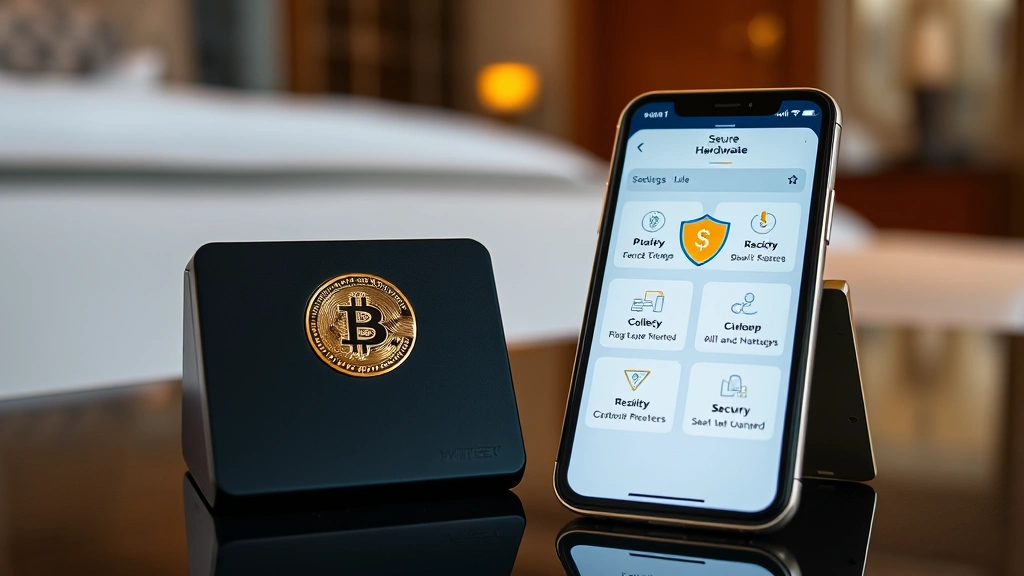
Hardware wallets provide the highest security level for Bitcoin storage. These physical devices, resembling USB drives, store your private keys offline, making them inaccessible to hackers. If you’re bringing significant Bitcoin value to Vegas, a hardware wallet is non-negotiable. Keep your hardware wallet separate from your phone and laptop at all times.
Mobile wallets offer convenience but less security than hardware alternatives. If using a mobile wallet in Vegas, enable all available security features: two-factor authentication, biometric locks, and transaction confirmations. Never leave your phone unattended in public areas.
Exchange account security demands equal attention. Use strong, unique passwords for any crypto exchange accounts. Enable two-factor authentication using authenticator apps rather than SMS (which can be intercepted). Avoid accessing exchange accounts on public WiFi networks—use mobile data or VPNs instead.
Phishing attacks represent a significant threat in Vegas’s high-pressure environment. Scammers pose as casino staff, hotel services, or cryptocurrency exchange representatives to steal login credentials or private keys. Legitimate companies never request passwords or private keys via email, text, or phone. If unsure about any communication, independently verify through official company websites.
Never discuss your Bitcoin holdings with strangers in Vegas. The combination of valuable assets and casual conversation creates robbery risks. Keep cryptocurrency discussions limited to trusted associates and professionals.
Nevada’s Regulatory Landscape
Nevada has established itself as a cryptocurrency-friendly jurisdiction while maintaining appropriate regulatory oversight. The state’s regulatory framework balances innovation encouragement with consumer protection—a balance that attracts blockchain companies while maintaining legal clarity.
Nevada’s Department of Financial Institutions oversees money transmitter regulations affecting cryptocurrency exchanges and ATM operators. This oversight ensures operators maintain adequate capitalization and follow anti-money laundering (AML) and know-your-customer (KYC) protocols.
For visitors, regulatory awareness matters primarily regarding tax implications and reporting requirements. Bitcoin purchases in Vegas create tax obligations in most jurisdictions. If you purchase Bitcoin and later sell at a profit, you owe capital gains taxes on the profit amount. The IRS considers Bitcoin property rather than currency, subject to capital gains taxation.
Documentation becomes essential for tax compliance. Keep records of all Bitcoin purchases, including dates, amounts, and prices paid. If you sell Bitcoin later, calculate gains by subtracting your basis (original cost) from sale proceeds. Even if you don’t sell in Vegas, purchasing Bitcoin creates a taxable event requiring documentation.
Nevada’s regulatory environment extends beyond taxation. The state has created innovation zones and special regulatory frameworks encouraging blockchain development. This progressive stance attracts legitimate businesses while maintaining consumer protections—important context for visitors evaluating cryptocurrency service providers in Vegas.
Visitors should verify that any exchange service or ATM operator they use is properly licensed. The Nevada Department of Financial Institutions maintains lists of approved money transmitters. Using unlicensed operators exposes you to fraud risk and potential legal complications.
FAQ
Can I use Bitcoin to pay for hotel rooms in Las Vegas?
Several major Vegas hotels accept Bitcoin through payment processors or direct wallet transfers. However, availability varies by property and booking method. When making reservations, contact the hotel directly to confirm Bitcoin payment options. Some hotels require booking through specific platforms that support cryptocurrency payments.
What are Bitcoin ATM fees in Las Vegas?
Bitcoin ATM fees in Vegas typically range from 5-10% depending on the operator and transaction type. Buying Bitcoin usually costs more than selling Bitcoin at the same machine. Always verify the exact fee and exchange rate before confirming transactions, as rates fluctuate continuously.
Is it safe to carry Bitcoin in Vegas?
Bitcoin itself cannot be physically stolen since it exists only digitally. However, the devices and credentials giving you access to Bitcoin can be compromised. Use hardware wallets for significant amounts, enable all security features on mobile wallets, and never discuss holdings with strangers. The security risk comes from your access methods, not Bitcoin itself.
Do I owe taxes on Bitcoin I purchase in Vegas?
Yes, purchasing Bitcoin creates a taxable event in most jurisdictions. You must report the purchase and maintain records of the cost basis. If you later sell Bitcoin at a profit, you owe capital gains taxes. Even if you don’t sell, the IRS expects documentation of cryptocurrency holdings.
Which casinos in Las Vegas accept Bitcoin?
Several major Vegas casinos accept cryptocurrency, including some properties operated by large gaming corporations. Acceptance methods vary—some accept direct wallet transfers, while others use payment processors. Contact your chosen casino directly to confirm current Bitcoin payment options and any minimum transaction amounts.
Can I short Bitcoin using Vegas-based exchanges?
Yes, some cryptocurrency exchanges operating in Nevada allow margin trading and shorting. However, shorting Bitcoin involves substantial risks including unlimited loss potential. This strategy suits only experienced traders with significant risk tolerance and capital reserves. Casual visitors should avoid shorting.
What’s the difference between Bitcoin and casino gambling risk?
Bitcoin investment risk differs fundamentally from casino gambling. Casino games involve negative expected value—the house always maintains an edge. Bitcoin investment, while volatile, has no inherent house edge. Long-term Bitcoin holders have historically benefited from price appreciation, unlike casino gambling where odds mathematically favor the house.