
Will Bitcoin Dominance Rise? Analyst Insights and Market Trends
Bitcoin dominance—the percentage of the total cryptocurrency market capitalization represented by Bitcoin—remains one of the most closely watched metrics in the digital asset space. As altcoins continue to proliferate and compete for market share, investors and analysts debate whether Bitcoin’s dominance will expand or contract in the coming months and years. Understanding the factors driving Bitcoin’s market position is essential for anyone seeking to make informed investment decisions in cryptocurrency.
The concept of Bitcoin dominance has evolved significantly since the early days of cryptocurrency. What was once a market with Bitcoin as the only meaningful asset has transformed into a complex ecosystem with thousands of competing tokens and projects. Yet Bitcoin remains the undisputed market leader, and its dominance ratio serves as a barometer of overall market sentiment and risk appetite among crypto investors.
What is Bitcoin Dominance and Why It Matters
Bitcoin dominance represents the proportion of the total cryptocurrency market cap held by Bitcoin. If the total crypto market is worth $2 trillion and Bitcoin accounts for $800 billion, Bitcoin dominance would be 40%. This metric provides crucial insight into market dynamics and investor behavior within the crypto ecosystem.
The significance of Bitcoin dominance extends beyond mere statistics. When Bitcoin dominance is high, it typically indicates that investors are risk-averse and favoring the most established and secure cryptocurrency. Conversely, when dominance decreases, it suggests a shift toward alternative coins (altcoins), often during periods of heightened risk appetite and bullish sentiment across the market.
Understanding Bitcoin dominance helps investors gauge market cycles. High dominance during downturns may suggest capitulation and potential bottoms, while declining dominance during rallies might indicate euphoria and increased volatility. Check Bitcoin price movements on FintechZoom to track real-time dominance shifts alongside price action.
The metric also reflects confidence in Bitcoin’s fundamental value proposition: decentralization, security, and scarcity. As the original cryptocurrency with the most robust network and longest track record, Bitcoin often serves as a safe haven asset when market uncertainty rises.
Current Market Conditions and Dominance Trends
As of recent market analysis, Bitcoin dominance has fluctuated between 45% and 55% in major market cycles. During the 2024 market environment, several factors have influenced these movements, including macroeconomic conditions, regulatory developments, and technological advancements within the cryptocurrency space.
The recovery of Bitcoin dominance from lows of 35-40% observed during altcoin rallies demonstrates Bitcoin’s resilience as a market leader. Institutional adoption and the approval of spot Bitcoin exchange-traded funds (ETFs) have strengthened Bitcoin’s position, drawing capital flows that have supported higher dominance levels.
Recent data from blockchain analytics firms shows that Bitcoin dominance tends to increase during periods of market consolidation and uncertainty. When traditional markets experience volatility, investors often retreat to Bitcoin as the most liquid and widely recognized cryptocurrency, reducing exposure to speculative altcoins.
The emergence of reasons behind Bitcoin’s price increases often correlates with dominance expansion. Positive regulatory news, corporate adoption announcements, and improvements to Bitcoin’s network layer solutions have all contributed to periods of rising dominance.
Image placeholder:
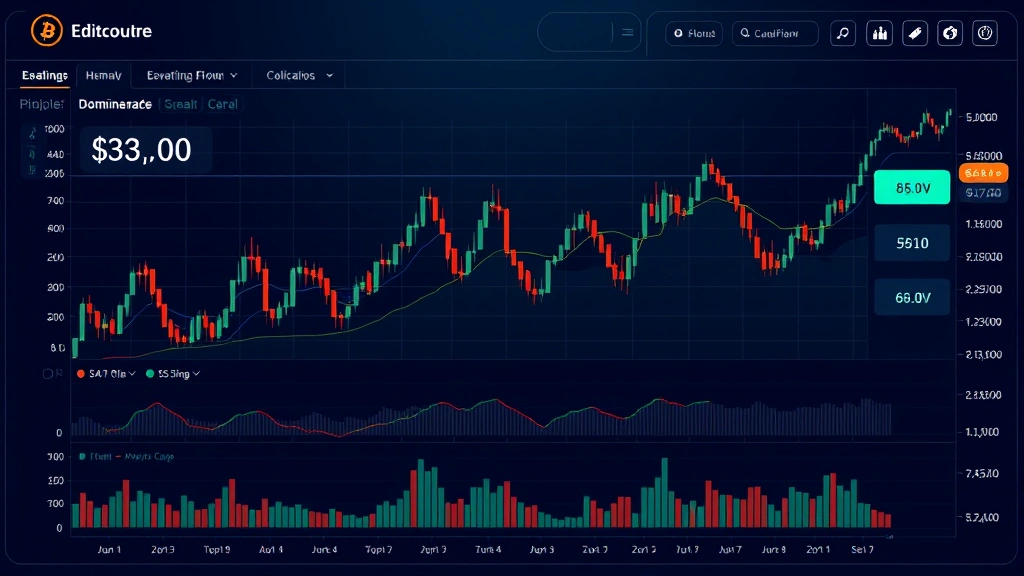
A visual representation of Bitcoin dominance chart overlaid with market sentiment indicators, showing the correlation between dominance shifts and major market events, rendered in professional crypto analytics style.
Factors Driving Bitcoin Dominance Changes
Multiple interconnected factors influence whether Bitcoin dominance will rise or fall. Understanding these drivers is essential for predicting future trends and positioning portfolios appropriately.
Macroeconomic Influences
Global economic conditions significantly impact Bitcoin dominance. During periods of economic uncertainty, inflation concerns, or geopolitical tensions, Bitcoin’s perceived safe-haven properties attract capital inflows. Central bank monetary policy decisions, interest rate changes, and currency devaluation concerns all influence whether investors rotate toward Bitcoin or seek returns in altcoins.
Technological Developments
Innovations in Bitcoin’s network, such as improvements to the Lightning Network for faster transactions or enhancements to privacy features, can boost investor confidence and attract capital. Meanwhile, breakthroughs in competing blockchain technologies or successful deployments of layer-2 solutions on other networks might reduce Bitcoin’s relative advantage.
Regulatory Environment
Regulatory clarity and favorable policy developments tend to increase Bitcoin dominance as institutional investors gain confidence in the asset class. Conversely, regulatory crackdowns or restrictions on cryptocurrency trading and custody can temporarily reduce dominance as investors shift to alternative assets or pause allocations.
Market Sentiment and Risk Appetite
Investor sentiment plays a crucial role in dominance fluctuations. During bull markets with high risk appetite, capital flows into altcoins seeking higher returns, reducing Bitcoin’s dominance. During bear markets or periods of fear, capital concentrates in Bitcoin, increasing its dominance ratio.
Institutional Adoption
Institutional investors typically prefer Bitcoin due to its market liquidity, regulatory clarity, and established custody solutions. As institutional participation increases—evidenced by ETF inflows and corporate treasury purchases—Bitcoin dominance tends to rise. The technical analysis of dominance patterns often reveals these institutional flows through volume and price action.
Stablecoin Dynamics
The growth of stablecoins has created new dynamics in dominance calculations. As stablecoins represent an increasing portion of the total crypto market cap, they effectively reduce the percentage allocated to Bitcoin and other cryptocurrencies. This technical factor means dominance can decline even if Bitcoin’s absolute value increases.
Analyst Predictions for Future Dominance
Leading cryptocurrency analysts and research firms offer varying perspectives on Bitcoin dominance trajectories. Most bullish analysts predict that Bitcoin dominance will gradually increase as institutional adoption accelerates and Bitcoin becomes more integrated into traditional financial systems.
According to research from CoinDesk, one of the industry’s most respected publications, Bitcoin dominance could reach 50-60% in the medium term as regulatory frameworks solidify and institutional capital continues flowing into the space. This would represent a significant increase from historical lows and would suggest a maturation of the market toward Bitcoin’s primacy.
However, some analysts argue that Bitcoin dominance may stabilize at lower levels (40-45%) as the cryptocurrency ecosystem diversifies and altcoins develop genuine utility and adoption. Layer-2 solutions, alternative blockchain networks, and specialized cryptocurrencies serving specific use cases may maintain their market share despite Bitcoin’s growth.
The halving cycle—Bitcoin’s programmatic reduction in block rewards occurring approximately every four years—often influences analyst predictions. Historical data suggests Bitcoin dominance tends to increase in the months following a halving event, as supply scarcity drives price appreciation and attracts new capital.
Technical analysis of dominance charts reveals several key resistance and support levels that analysts monitor closely. Breaking above previous dominance highs could signal a sustained shift toward Bitcoin accumulation, while falling below support levels might indicate renewed altcoin enthusiasm.
Impact on Portfolio Strategy
Bitcoin dominance trends should inform your overall cryptocurrency allocation strategy. Understanding whether dominance is rising or falling helps determine optimal portfolio composition between Bitcoin and altcoins.
During periods of rising Bitcoin dominance, allocating a larger percentage of your crypto portfolio to Bitcoin may reduce overall volatility and risk. Bitcoin’s more stable price movements and broader acceptance make it suitable for conservative allocations. Conversely, during dominance declines, tactical exposure to promising altcoins might offer enhanced returns for risk-tolerant investors.
Consider implementing portfolio diversification strategies that account for dominance cycles. A balanced approach might maintain a core Bitcoin position while rotating tactical allocations based on dominance trends and market conditions.
The dollar-cost averaging approach can be adapted to account for dominance levels. Increasing Bitcoin purchases during high dominance periods and reducing during low dominance periods may optimize entry points and reduce timing risk.
Understanding how to calculate investment returns across different dominance scenarios helps evaluate strategy effectiveness. Tracking your portfolio performance relative to dominance changes reveals which allocations work best during specific market conditions.
Image placeholder:
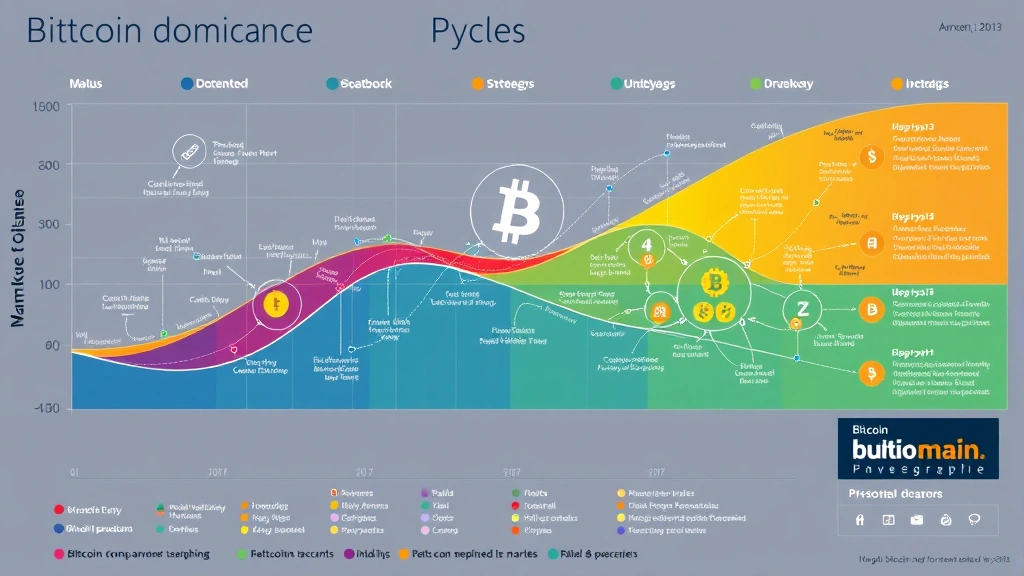
A detailed infographic showing Bitcoin dominance cycles through market history, with colored zones indicating risk levels and optimal allocation strategies for different dominance ranges, featuring professional cryptocurrency market visualization.
Risks and Considerations
While analyzing Bitcoin dominance provides valuable insights, several important risks and limitations deserve consideration.
Market Manipulation: Dominance metrics can be influenced by exchange-specific volume patterns and potential manipulation. Relying solely on dominance without examining underlying fundamentals may lead to poor decisions.
Black Swan Events: Unforeseen regulatory actions, security breaches, or technological failures could rapidly shift dominance in unexpected ways. No historical pattern guarantees future outcomes.
Calculation Variations: Different data providers calculate dominance using varying methodologies. Some include stablecoins; others exclude them. These differences can create conflicting signals about true market dominance.
Correlation Risks: Assuming dominance trends will continue in linear fashion ignores the cyclical nature of markets. Reversals often occur when least expected, particularly when dominance reaches extreme levels.
Altcoin Risk: While rising Bitcoin dominance might suggest reduced altcoin opportunities, it doesn’t eliminate the need for due diligence on individual projects. Altcoins can outperform even during rising dominance periods if they possess genuine utility and adoption.
Monitoring resources like blockchain explorers and regulatory filings provides additional context beyond dominance metrics for comprehensive analysis.
FAQ
What is a healthy Bitcoin dominance level?
There’s no universally “healthy” level, but historically, dominance between 40-60% has characterized relatively stable market periods. Extreme levels above 70% or below 30% often precede reversals or significant market moves.
How often does Bitcoin dominance change significantly?
Bitcoin dominance can shift 1-2% daily based on trading activity and capital flows. Significant multi-week or multi-month trends typically develop around major market events, regulatory news, or macroeconomic changes.
Can I trade Bitcoin dominance directly?
While you cannot directly trade dominance as an asset, some derivatives exchanges offer dominance-tracking instruments. More practically, you can adjust your Bitcoin-to-altcoin allocation to reflect your dominance outlook.
Which altcoins perform best during declining Bitcoin dominance?
Layer-1 blockchain platforms, decentralized finance tokens, and established altcoins like Ethereum typically benefit most from declining dominance. However, individual project fundamentals always matter more than market-wide trends.
How does Bitcoin dominance relate to overall market cap?
Bitcoin dominance and total market cap move somewhat independently. Bitcoin dominance can rise while total market cap declines if altcoins fall faster than Bitcoin, and vice versa. Both metrics provide different insights into market health.
What tools can I use to track Bitcoin dominance?
Major cryptocurrency data platforms like CoinGecko and CoinMarketCap provide real-time dominance data with historical charts. TradingView and specialized crypto analytics platforms offer advanced analysis tools for dominance tracking.
Is rising Bitcoin dominance always bullish for Bitcoin’s price?
Not necessarily. Bitcoin dominance can rise while Bitcoin’s price declines if altcoins fall faster. Conversely, dominance can fall during Bitcoin bull runs if altcoins appreciate even faster. Price and dominance trends operate on different dynamics.


