Secure Your Bitcoin Wallet: FintechZoom Insights & Best Practices
Bitcoin security remains one of the most critical concerns for cryptocurrency investors in 2024. As digital assets continue gaining mainstream adoption, understanding wallet security through trusted platforms like FintechZoom has become essential for protecting your investment. Whether you’re a seasoned trader or a beginner entering the crypto space, the difference between a secure and compromised wallet can mean the difference between financial success and devastating loss.
FintechZoom provides comprehensive insights into Bitcoin wallet security, offering analysis and guidance that helps investors make informed decisions about protecting their digital assets. This guide explores the essential security measures, wallet types, and best practices recommended by financial technology experts to safeguard your Bitcoin holdings effectively.
The cryptocurrency landscape presents unique security challenges that traditional finance doesn’t face. Your Bitcoin wallet is essentially the gateway to your funds, and unlike bank accounts with insurance protections, cryptocurrency wallets place full responsibility on the holder. Understanding these security principles through reputable sources like FintechZoom empowers you to take control of your financial security.
Understanding Bitcoin Wallet Types
Bitcoin wallets come in various forms, each with distinct security characteristics and use cases. Understanding these differences is fundamental to selecting the right wallet for your needs. Cryptocurrency wallets function as digital containers that store your private keys, which are essentially passwords granting access to your Bitcoin.
The primary wallet categories include mobile wallets, desktop wallets, hardware wallets, and paper wallets. Mobile wallets offer convenience for frequent transactions but carry higher security risks due to smartphone vulnerabilities. Desktop wallets provide better security than mobile options but still require a secure computer environment. When investing in cryptocurrency, choosing appropriate storage solutions directly impacts your investment protection strategy.
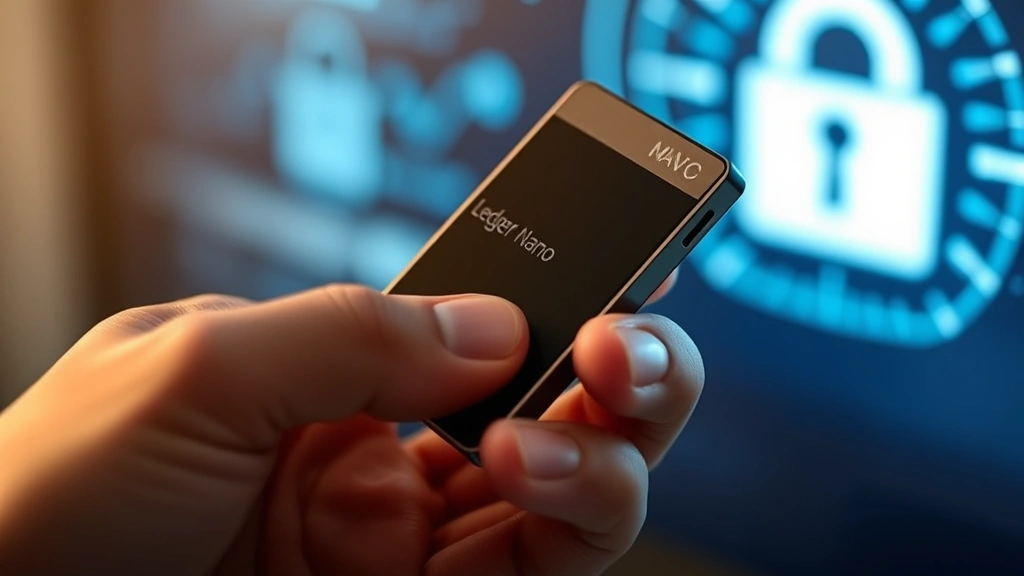
Hardware wallets, such as Ledger and Trezor, represent the gold standard for Bitcoin security. These physical devices store private keys offline, making them virtually immune to online hacking attempts. Paper wallets, while completely offline, require careful handling to prevent physical damage or loss. Each wallet type serves different purposes depending on your trading frequency, security requirements, and risk tolerance.
FintechZoom analysis emphasizes that most investors benefit from a diversified approach using multiple wallet types. Active traders might maintain small amounts in hot wallets for quick access, while long-term holders should prioritize cold storage solutions for maximum security. This tiered approach balances convenience with protection.
Hot Wallets vs Cold Storage Security
The distinction between hot wallets and cold storage represents one of the most important security concepts in cryptocurrency management. Hot wallets remain connected to the internet, enabling immediate transactions but exposing them to online threats. Cold storage keeps private keys completely offline, providing superior security at the cost of accessibility.
Hot wallets include mobile apps, web-based wallets, and exchange wallets. These solutions are ideal for small amounts needed for regular transactions. However, they face constant exposure to malware, phishing attacks, and hacking attempts. FintechZoom research indicates that the majority of cryptocurrency theft occurs from hot wallets, particularly exchange-based storage.
Cold storage encompasses hardware wallets, paper wallets, and air-gapped computers. These solutions virtually eliminate online hacking risks because private keys never touch internet-connected devices. The trade-off involves reduced accessibility and the need for careful procedures when conducting transactions. For significant Bitcoin holdings, cold storage is non-negotiable.
Financial experts recommend the 80/20 rule: store 80% of your Bitcoin in cold storage and maintain only 20% in hot wallets for active trading. This approach provides security for the majority of holdings while maintaining practical liquidity for regular needs. Understanding your risk tolerance helps determine the optimal balance for your situation.
Private Keys and Seed Phrases
Private keys form the foundation of Bitcoin wallet security. These cryptographic codes grant complete access to your Bitcoin, making their protection absolutely critical. A private key is a 256-bit number that enables you to sign transactions and prove ownership of your Bitcoin. Anyone with access to your private key can transfer your funds, making this information more valuable than any password.
Seed phrases, also called recovery phrases or mnemonic seeds, represent a user-friendly way to back up and restore wallet access. These typically consist of 12 or 24 randomly generated words that can regenerate your private keys. Seed phrases follow the BIP39 standard, making them compatible across most modern wallets.
Proper seed phrase management is essential for wallet security and recovery. Never store seed phrases digitally, as this introduces the same vulnerabilities as storing private keys online. Instead, write seed phrases on paper and store them in secure locations such as safes or safety deposit boxes. Some security-conscious investors use metal seed phrase backups that resist fire and water damage.
FintechZoom emphasizes that losing access to your seed phrase is as catastrophic as theft, since you’ll permanently lose access to your Bitcoin. Conversely, if anyone discovers your seed phrase, they gain complete control of your funds. This balance requires careful attention to both security and backup procedures. Consider creating multiple copies stored in geographically diverse locations.

Multi-Signature Security Solutions
Multi-signature (multisig) wallets represent an advanced security approach requiring multiple private keys to authorize transactions. Instead of a single point of failure, multisig wallets distribute control among several keys, significantly reducing the risk of unauthorized access. A typical multisig setup might require 2-of-3 signatures, meaning two of three private keys must approve any transaction.
This security model offers substantial advantages for both individual investors and organizations. Even if one private key is compromised, attackers cannot access funds without obtaining additional keys. Multisig wallets are particularly popular among cryptocurrency custodians and institutional investors managing large holdings.
Implementing multisig requires more sophisticated wallet solutions and careful key management. Each key holder must maintain their private key securely, and the process of authorizing transactions becomes more complex. However, for substantial Bitcoin holdings, the added security justifies these inconveniences.
FintechZoom analysis highlights that multisig solutions work particularly well when keys are distributed among trusted parties. A family might use multisig with keys held by different family members, ensuring no single person can unilaterally move funds. Businesses can distribute keys among executives, creating a system of checks and balances.
Best Practices for Wallet Protection
Implementing comprehensive security practices protects your Bitcoin wallet against multiple threat vectors. These practices extend beyond wallet selection to encompass your entire digital security environment. Using portfolio trackers to monitor your holdings adds another security layer by helping you detect unauthorized transactions quickly.
Enable two-factor authentication (2FA) on all exchange and wallet accounts. Two-factor authentication requires a second verification method beyond your password, typically through an authenticator app or hardware key. This prevents account compromise even if your password is stolen. Avoid SMS-based 2FA when possible, as SIM swapping attacks can intercept text messages.
Use strong, unique passwords for each cryptocurrency platform. Password managers like Bitwarden or 1Password help generate and securely store complex passwords without memorization. Never reuse passwords across multiple platforms, as a breach on one site could compromise all accounts.
Keep software updated on all devices accessing your wallets. Operating system updates, wallet software updates, and security patches address known vulnerabilities that attackers exploit. Set automatic updates when possible to ensure timely protection against emerging threats.
Implement network security measures including a VPN for internet connections and a firewall on your computer. These tools protect your data from interception on public networks and add layers against malware. Never access wallets on public WiFi without a VPN connection.
Maintain an air-gapped computer for storing cold wallets or signing transactions. An air-gapped device never connects to the internet, eliminating entire categories of online attacks. This approach requires more effort but provides exceptional security for large holdings.
Common Security Threats and Prevention
Understanding common attack vectors helps you implement targeted defenses. Phishing remains one of the most effective attack methods, with criminals creating fake websites and emails mimicking legitimate cryptocurrency platforms. They trick users into entering credentials or seed phrases on fraudulent sites. Always verify URLs directly and never click links in unsolicited emails.
Malware infections can silently compromise wallet security by logging keystrokes, capturing screenshots, or stealing clipboard data. Protect against malware through reputable antivirus software, cautious downloads, and avoiding suspicious websites. Ensure your computer’s operating system and all applications receive security updates.
Supply chain attacks target hardware wallet manufacturers or software developers, introducing vulnerabilities during production. Mitigate this risk by purchasing wallets directly from official sources and verifying device authenticity. Research the manufacturer’s reputation before purchasing.
SIM swapping attacks target individuals by convincing mobile carriers to transfer phone numbers to attacker-controlled devices. This enables hijacking 2FA codes sent via SMS. Protect against SIM swapping by using authenticator apps instead of SMS 2FA and adding security questions to your carrier account.
Exchange hacking remains a significant risk despite improved security measures. FintechZoom recommends withdrawing Bitcoin to personal wallets rather than leaving substantial amounts on exchanges. Only maintain exchange balances needed for active trading.
Social engineering exploits human psychology to trick people into revealing sensitive information. Be skeptical of unsolicited contact claiming to be from exchanges or wallet providers. Legitimate companies never request your private keys or seed phrases through any channel.
FintechZoom Security Recommendations
FintechZoom’s comprehensive analysis of Bitcoin wallet security emphasizes a holistic approach combining multiple protective measures. The platform stresses that no single security measure provides complete protection; instead, layered defenses create resilience against diverse threats.
For beginners, FintechZoom recommends starting with reputable hardware wallets like Ledger or Trezor, which balance security with relative ease of use. These devices handle complex cryptographic operations, reducing user error risk. The initial investment of $50-150 for a quality hardware wallet is minimal compared to potential losses from theft.
FintechZoom emphasizes the importance of portfolio diversification combined with appropriate security measures. Diversifying across different wallet types and storage locations reduces risk concentration. This strategy also facilitates setting investment goals with realistic security requirements.
The platform’s analysis highlights that security must evolve as your Bitcoin holdings grow. Amounts suitable for hot wallets when you hold one Bitcoin may become inappropriate if your holdings reach ten Bitcoin. Regularly assess your security posture relative to your portfolio value.
FintechZoom also emphasizes the importance of education and staying informed about emerging threats. The cryptocurrency landscape constantly evolves, with new attack methods regularly discovered. Following reputable security resources and maintaining awareness helps you adapt your practices to current threats.
External security audits can provide valuable assessments for significant holdings. Professional security consultants can identify vulnerabilities in your setup and recommend improvements. While this involves additional expense, the investment pays dividends through enhanced protection.
FAQ
What is the most secure type of Bitcoin wallet?
Hardware wallets like Ledger and Trezor provide the highest security for storing Bitcoin long-term. These devices keep private keys offline, eliminating exposure to online hacking. For the absolute maximum security, air-gapped computers with paper wallet backups exceed hardware wallet security, though they sacrifice convenience.
How often should I back up my wallet?
Back up your wallet immediately after creation and whenever you generate new addresses. For most users, a single backup of the seed phrase is sufficient since the phrase regenerates all addresses. Store multiple copies in secure locations to protect against loss.
Can I recover Bitcoin if I lose my seed phrase?
No recovery exists if you lose your seed phrase and don’t have backups. The seed phrase is the only way to restore wallet access. This is why secure backup procedures are absolutely critical. Create multiple copies and store them in different locations.
Is it safe to store Bitcoin on exchanges?
While major exchanges implement security measures, storing Bitcoin on exchanges carries risks from exchange hacking, regulatory action, or exchange failure. Use exchanges only for active trading and withdraw Bitcoin to personal wallets for long-term storage.
What should I do if my wallet is compromised?
If you suspect compromise, immediately transfer all funds to a new wallet using fresh private keys. Do not reuse compromised keys. Then investigate how the compromise occurred and implement additional security measures to prevent recurrence.
How does FintechZoom help with Bitcoin wallet security?
FintechZoom provides analysis and insights about cryptocurrency security, helping investors understand different wallet types, security threats, and best practices. The platform offers educational content and expert perspectives to inform security decisions.
Disclaimer: This article provides educational information about Bitcoin wallet security. It does not constitute financial advice or recommendations for specific investments. Cryptocurrency investments carry significant risks, including potential total loss of funds. Conduct thorough research and consult with qualified financial advisors before making investment decisions. Security recommendations should be adapted to your specific circumstances and risk tolerance.
Additional Resources
For more information about Bitcoin wallet security and best practices, consult these authoritative sources:
- CoinDesk – Leading cryptocurrency news and analysis platform covering security developments
- Bitcoin.org – Official Bitcoin project resources including wallet guides and security information
- Blockchain.com – Blockchain explorer and educational resources for Bitcoin transactions
- Financial Conduct Authority (FCA) – UK regulatory body providing cryptocurrency consumer guidance
- National Institute of Standards and Technology (NIST) – Government cybersecurity standards and guidelines


