
GameStop’s potential acceptance of Bitcoin represents a significant moment in the intersection of traditional retail and digital currency adoption. For years, the gaming retailer has struggled to reinvent itself in an increasingly digital marketplace, but embracing cryptocurrency could signal a bold pivot toward financial innovation. This development reflects broader trends in how major retailers are exploring blockchain technology and crypto payments to attract tech-savvy customers and modernize their payment infrastructure.
The prospect of GameStop accepting Bitcoin isn’t merely a payment novelty—it represents a fundamental shift in how established retailers view cryptocurrency’s role in commerce. As consumers become more comfortable with digital assets and regulatory frameworks mature, companies like GameStop may find competitive advantages in offering multiple payment options, including those based on blockchain technology.

GameStop’s Retail Transformation Journey
GameStop has faced unprecedented challenges in the retail landscape over the past decade. The shift toward digital game distribution, streaming services, and online shopping fundamentally altered consumer behavior. The company’s stock price fluctuations and financial struggles have forced leadership to explore innovative strategies for survival and growth. Understanding what is cryptocurrency becomes essential for retailers looking to modernize their operations and appeal to younger demographics.
The company’s flirtation with cryptocurrency acceptance aligns with its broader strategy to position itself as a forward-thinking, technology-embracing brand. By accepting Bitcoin, GameStop could differentiate itself from competitors and tap into the growing community of cryptocurrency enthusiasts who actively seek merchants willing to transact in digital currencies. This move would also generate significant media attention and brand visibility among tech-savvy consumers.
GameStop’s headquarters in Grapevine, Texas, has undergone multiple strategic pivots. The company has attempted to expand beyond physical game sales into merchandise, collectibles, and technology products. Adding cryptocurrency payment options represents another experimental avenue to drive customer engagement and modernize its reputation. The retail sector has been gradually warming to crypto payments, with companies like CoinDesk reporting on increasing merchant adoption across various industries.
Bitcoin as a Payment Solution
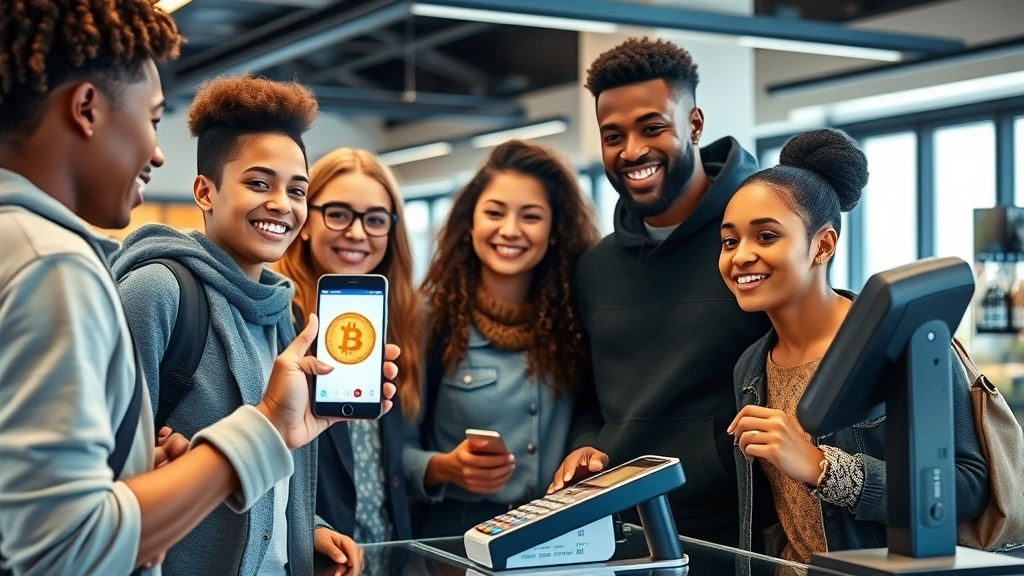
Bitcoin, the world’s first and most established cryptocurrency, operates on a decentralized blockchain network. Unlike traditional payment methods, Bitcoin transactions occur directly between parties without intermediaries, potentially reducing processing fees and settlement times. For retailers, this offers operational efficiency and access to a new customer base actively seeking spending opportunities for their digital holdings.
The technical infrastructure required for Bitcoin acceptance has matured significantly. Payment processors like Stripe, Square, and specialized crypto payment gateways now offer seamless integration with existing point-of-sale systems. These solutions convert Bitcoin to fiat currency instantly if desired, eliminating volatility concerns that previously deterred merchant adoption. GameStop could implement such systems with minimal disruption to current operations.
Bitcoin’s properties make it particularly attractive for retail transactions. The network processes transactions quickly, with confirmations occurring within minutes. The immutable transaction record provides security benefits. Additionally, Bitcoin transactions are transparent and verifiable on the blockchain, creating an auditable payment trail that retailers value for accounting and compliance purposes. Understanding why is Bitcoin going up helps retailers appreciate the asset’s long-term appeal to customers.
For GameStop specifically, Bitcoin acceptance could extend payment options to customers in regions with limited traditional banking access. International customers and those preferring privacy in transactions would find value in this option. The company could market this feature as part of its commitment to financial inclusion and technological innovation.
Customer Benefits and Incentives
Cryptocurrency holders often seek merchants accepting their preferred digital assets. GameStop customers who hold Bitcoin would gain convenience and utility for their holdings. Rather than converting to fiat currency first, they could directly purchase games, merchandise, and collectibles. This seamless integration of cryptocurrency into everyday commerce encourages broader adoption and normalizes digital currencies.
The company could implement creative incentive structures around Bitcoin payments. Loyalty programs offering bonus rewards for Bitcoin transactions would encourage adoption among existing cryptocurrency holders. Time-limited promotions giving discounts for Bitcoin purchases could drive initial adoption and generate buzz. These strategies would demonstrate GameStop’s commitment to the crypto community while creating competitive advantages.
Younger consumers, particularly those interested in gaming and technology, show higher cryptocurrency adoption rates than older demographics. By accepting Bitcoin, GameStop directly appeals to this valuable market segment. These customers represent future growth potential and higher lifetime value, as they tend to be early adopters of emerging technologies and digital payment methods. Learning how to invest with little money empowers younger consumers to participate in both traditional and digital asset markets.
Cryptocurrency holders often exhibit strong brand loyalty toward companies accepting their preferred assets. A company that embraces Bitcoin signals alignment with values of financial sovereignty, technological progress, and innovation. This cultural resonance builds community around the brand and encourages word-of-mouth marketing within crypto communities.
Challenges and Implementation Barriers
Despite potential benefits, significant obstacles remain for GameStop’s Bitcoin acceptance. Regulatory uncertainty in various jurisdictions creates compliance complexity. Different countries impose varying requirements on cryptocurrency transactions, reporting obligations, and customer verification procedures. GameStop’s global operations would require navigating this fragmented regulatory landscape, adding operational complexity and legal costs.
Bitcoin’s price volatility presents another challenge. While payment processors can instantly convert Bitcoin to fiat currency, the timing of conversion affects realized prices. A customer purchasing a $60 game with Bitcoin could theoretically trigger different transaction amounts depending on conversion timing. Clear communication about pricing mechanisms would be necessary to prevent customer confusion and disputes.
Consumer adoption remains uncertain. Despite growing interest, most retail customers still prefer traditional payment methods. GameStop would need to invest in customer education about cryptocurrency payments, security best practices, and wallet management. The learning curve might deter average customers unfamiliar with digital currency technology. Additionally, technical issues with wallets or blockchain networks could result in failed transactions and negative customer experiences.
Operational challenges include training staff to assist customers with cryptocurrency transactions, handling payment disputes, and managing refunds in volatile assets. If a customer paid in Bitcoin and later requests a refund, the company must decide whether to refund in Bitcoin (exposing the customer to price risk) or convert to fiat currency (creating accounting complications). These practical considerations require careful policy development.
Cryptocurrency’s association with illicit activities remains a perception problem. Although Bitcoin is increasingly used for legitimate commerce, regulatory concerns about money laundering and sanctions compliance persist. GameStop would need robust anti-money laundering procedures and customer verification protocols to mitigate reputational risks. Understanding pros and cons of cryptocurrency helps companies make informed decisions about adoption.
Market Impact and Competition
If GameStop successfully implements Bitcoin acceptance, competitive pressure would likely increase across retail. Other gaming retailers and major chains might follow suit to avoid losing market share to early adopters. This cascading effect could accelerate mainstream cryptocurrency payment adoption, creating network effects that benefit the entire ecosystem. The Coinbase platform has observed increasing merchant interest in crypto payment integration.
GameStop’s move would signal confidence in cryptocurrency’s future, potentially influencing investor sentiment and media narratives around digital assets. Positive coverage of successful Bitcoin payment implementation could enhance the company’s brand perception and attract capital from investors interested in crypto-forward businesses. Conversely, technical failures or security issues could damage reputation and deter other retailers from pursuing similar initiatives.
The gaming industry particularly benefits from cryptocurrency integration. Many games now incorporate blockchain technology and NFTs, creating natural synergies with cryptocurrency payment options. GameStop could position itself as the retail hub for blockchain gaming, offering both digital assets and cryptocurrency payment infrastructure. This comprehensive offering would appeal to the gaming community’s tech-forward demographics.
Competitor responses matter significantly. If Amazon, Walmart, or Best Buy implement Bitcoin acceptance first, GameStop loses first-mover advantage. However, as a specialized retailer with strong community ties to gaming culture, GameStop could differentiate through superior cryptocurrency integration and community engagement rather than competing on scale.
Future of Crypto in Retail
The long-term trajectory of cryptocurrency in retail commerce depends on several factors: regulatory clarity, technological maturation, consumer adoption, and macroeconomic conditions. As blockchain explorers demonstrate, cryptocurrency transaction volumes continue expanding, suggesting growing utility beyond speculation.
Central bank digital currencies (CBDCs) may eventually reshape retail payment landscapes. If governments launch digital currencies compatible with existing blockchain infrastructure, cryptocurrency payment acceptance becomes more straightforward. Traditional financial institutions and retailers could more easily integrate digital currency options without regulatory friction. This potential future scenario makes early adoption valuable for companies building cryptocurrency payment infrastructure today.
Consumer preferences increasingly favor payment flexibility. Younger generations expect multiple payment options reflecting their asset preferences. Companies offering Bitcoin, stablecoins, and traditional payments simultaneously position themselves as customer-centric and forward-thinking. Understanding what is portfolio diversification helps consumers appreciate why merchants accepting multiple asset types provide value.
Security and user experience improvements will be critical for mainstream adoption. Hardware wallet integration, biometric authentication, and simplified transaction flows reduce friction and technical barriers. As these technologies mature, cryptocurrency payments become as intuitive as traditional card transactions. GameStop could leverage these improvements to create frictionless payment experiences.
The environmental narrative around Bitcoin has evolved significantly. Improvements in mining efficiency and renewable energy adoption address previous sustainability concerns. As Bitcoin’s environmental footprint decreases, retail companies face fewer reputational risks from cryptocurrency acceptance. This trend favors broader merchant adoption across industries.
Looking at Bitcoin price prediction trends helps retailers understand potential asset appreciation, which could drive customer adoption if Bitcoin continues rising. Customers holding appreciating assets become more likely to spend them, creating virtuous cycles of merchant adoption and customer utilization.
FAQ
Would GameStop immediately convert Bitcoin to fiat currency?
Most likely yes, using payment processors that handle instant conversion. This minimizes volatility exposure and accounting complexity while still serving customers who want to pay in Bitcoin. However, GameStop could optionally hold portions of Bitcoin received to build cryptocurrency reserves, especially if the company maintains bullish long-term outlook on digital assets.
Is Bitcoin payment secure for customers and retailers?
Bitcoin transactions are cryptographically secure and irreversible, protecting retailers from chargebacks. For customers, security depends on wallet management practices. Reputable payment processors provide security frameworks protecting both parties. However, customers must safeguard their private keys, as lost or stolen keys result in permanent asset loss.
How would GameStop handle taxes on Bitcoin transactions?
Tax authorities require retailers to report cryptocurrency transaction values in fiat currency at transaction time. GameStop would need robust accounting systems tracking Bitcoin received and its fiat equivalent at conversion time. The company must report gains or losses from any held Bitcoin inventory to tax authorities. Compliance requires working with specialized crypto accounting firms.
Could GameStop accept other cryptocurrencies besides Bitcoin?
Absolutely. Ethereum, stablecoins, and other major cryptocurrencies could be accepted through similar payment infrastructure. Stablecoins particularly appeal to retailers since they minimize volatility while maintaining cryptocurrency benefits. A diverse cryptocurrency payment menu would attract broader customer bases and demonstrate comprehensive crypto integration.
What happens if Bitcoin’s price crashes after GameStop accepts it?
If GameStop immediately converts Bitcoin to fiat currency, price crashes don’t directly affect the company. However, customer adoption could decline if Bitcoin becomes less valuable. If GameStop holds Bitcoin reserves, significant price declines would impact balance sheet valuations. The company must clearly communicate its Bitcoin holding strategy to investors.
How long would Bitcoin transactions take at GameStop?
Modern payment processors can confirm Bitcoin transactions within seconds to minutes, faster than traditional wire transfers. For point-of-sale transactions, retailers typically wait for one blockchain confirmation, occurring within 10 minutes on average. This speed is acceptable for retail transactions and comparable to credit card processing times.


