
Bitcoin’s Global Impact: Economic Insights and Market Analysis
Bitcoin has fundamentally transformed the global financial landscape since its inception in 2009, evolving from a niche technological experiment into a multi-trillion-dollar asset class that influences monetary policy, investment strategies, and international commerce. As institutional adoption accelerates and regulatory frameworks mature across jurisdictions, understanding Bitcoin’s macroeconomic implications becomes essential for investors, policymakers, and financial professionals navigating the digital economy.
The cryptocurrency’s impact extends far beyond price speculation. Bitcoin serves as a hedge against inflation, facilitates cross-border payments with reduced friction, and challenges traditional banking infrastructure. This comprehensive analysis explores Bitcoin’s multifaceted effects on the global economy, examining both opportunities and risks that stakeholders must carefully consider.
Bitcoin’s Role in Global Finance
Bitcoin’s emergence challenged conventional notions of currency and value storage. Unlike traditional fiat currencies controlled by central banks, Bitcoin operates on a decentralized network secured by cryptographic consensus mechanisms. This fundamental distinction has created new dynamics in global financial markets, attracting diverse participants from retail investors to corporate treasuries.
The total market capitalization of Bitcoin has reached unprecedented levels, demonstrating substantial institutional interest and mainstream acceptance. Major corporations now hold Bitcoin as part of their treasury reserves, signaling confidence in its long-term value proposition. Understanding what cryptocurrency represents is crucial for grasping its economic significance. Beyond speculation, Bitcoin functions as a store of value comparable to gold, offering portability and divisibility advantages that traditional precious metals cannot match.
The network effect driving Bitcoin’s adoption creates economic incentives for continued growth. As more participants enter the ecosystem, the network becomes increasingly valuable and secure. This self-reinforcing cycle has contributed to Bitcoin’s resilience through multiple market cycles and external shocks.
Monetary Policy and Inflation Hedging
Central banks worldwide have adopted expansionary monetary policies, particularly following the 2008 financial crisis and the COVID-19 pandemic. These policies, while intended to stimulate economic recovery, have raised inflation concerns and eroded purchasing power for savers. Bitcoin’s fixed supply of 21 million coins provides a compelling alternative to currencies subject to unlimited monetary expansion.
Many investors view Bitcoin as digital gold, a hedge against currency devaluation and inflation. During periods of rising consumer prices, Bitcoin has demonstrated positive correlation with inflation expectations, though this relationship remains complex and context-dependent. Monitoring Bitcoin price movements through reliable platforms helps investors assess its inflation-hedging effectiveness in their portfolios.
The relationship between monetary policy and Bitcoin adoption varies significantly across countries. Nations experiencing hyperinflation or currency crises have seen accelerated Bitcoin adoption as citizens seek store-of-value alternatives. Venezuela, Argentina, and Turkey exemplify jurisdictions where Bitcoin has gained traction due to local currency instability. This pattern suggests Bitcoin serves an important economic function in countries with compromised monetary systems.
Cross-Border Payments and Remittances
Traditional international payment systems rely on correspondent banking networks that are slow, expensive, and geographically limited. Bitcoin offers a peer-to-peer alternative that enables direct value transfer across borders without intermediaries, significantly reducing transaction costs and settlement times.
Remittances represent a critical economic lifeline for many developing nations, with annual flows exceeding $700 billion globally. Traditional remittance corridors charge fees averaging 6-8% of transaction value, disproportionately affecting low-income workers sending money to family members. Bitcoin and other cryptocurrencies can reduce these costs to less than 1%, enabling greater value transfer to recipients.
Several countries have begun exploring Bitcoin for official remittance channels. El Salvador’s adoption of Bitcoin as legal tender represents a landmark policy shift aimed partly at reducing remittance costs for citizens receiving money from abroad. This experiment provides valuable data on Bitcoin’s practical utility for international money transfers at scale.
The efficiency gains from Bitcoin-based payments extend beyond remittances. Merchants, importers, and exporters benefit from faster settlement and reduced currency conversion costs. For small and medium enterprises operating internationally, Bitcoin can provide cost savings that improve competitiveness and profitability.
Financial Inclusion and Banking Access
Approximately 1.7 billion adults worldwide lack access to basic banking services. Bitcoin’s decentralized architecture enables financial participation for anyone with internet access and a digital device, regardless of geographic location or banking infrastructure availability. This accessibility has profound implications for global economic equity and opportunity.
Mobile phone penetration in developing countries has created infrastructure for Bitcoin adoption without requiring traditional banking relationships. Users can store value, conduct transactions, and participate in financial markets using only a smartphone and internet connection. This democratization of finance has transformative potential for underbanked populations.
Learning about technical analysis empowers individual investors to make informed decisions about Bitcoin and other assets. Financial literacy, combined with accessible trading platforms, enables broader participation in wealth-building activities previously reserved for institutional investors.
Market Volatility and Risk Considerations
Bitcoin’s price volatility significantly exceeds that of traditional assets, with annual swings often exceeding 50%. This volatility creates both opportunities and risks for investors. While price appreciation has generated substantial wealth for early adopters, sudden corrections have also inflicted significant losses on unprepared investors.
Several factors contribute to Bitcoin’s volatility: regulatory announcements, macroeconomic data releases, technological developments, and shifts in institutional interest. The relatively small market size compared to traditional asset classes means that large trades can substantially impact prices. As market maturity increases and trading volume expands, volatility may gradually moderate.
Risk-averse investors should approach Bitcoin with caution, limiting exposure to amounts they can afford to lose entirely. More aggressive investors willing to accept higher volatility may allocate meaningful portfolio percentages to Bitcoin. Checking Bitcoin to PHP conversion rates helps investors in specific jurisdictions assess their exposure in local currency terms.
Leverage and derivatives trading amplify volatility effects, creating additional risks for sophisticated traders. Margin calls and liquidations can force distressed selling that accelerates price declines. Conservative position sizing and risk management practices are essential for participants in leveraged Bitcoin markets.
Regulatory Landscape and Compliance
Regulatory approaches to Bitcoin vary dramatically across jurisdictions, ranging from complete prohibition to enthusiastic embrace. This fragmented landscape creates complexity for global participants and affects Bitcoin’s utility as an international medium of exchange.
Developed economies have generally moved toward regulatory frameworks that accommodate Bitcoin while protecting consumers and preventing financial crimes. The United States, European Union, and United Kingdom have published guidance establishing Bitcoin as a commodity or asset class subject to tax and reporting requirements. These frameworks provide legal clarity that facilitates institutional participation.
Conversely, some nations including China have implemented strict restrictions on cryptocurrency trading and mining. These prohibitions reduce local demand but do not fundamentally impair Bitcoin’s global network functionality. The decentralized nature of Bitcoin ensures continued operation regardless of restrictions in any single jurisdiction.
Ongoing regulatory developments will likely shape Bitcoin’s role in global finance. Proposals for central bank digital currencies, stricter anti-money laundering requirements, and environmental regulations all have potential to affect Bitcoin adoption and usage patterns. Investors should monitor regulatory developments carefully as they influence long-term value propositions.
Energy Consumption and Environmental Impact
Bitcoin’s proof-of-work consensus mechanism requires substantial computational resources, consuming approximately 150 terawatt-hours annually according to some estimates. This energy consumption has drawn criticism from environmental advocates and some policymakers concerned about climate change implications.
However, Bitcoin’s energy consumption must be contextualized within broader economic systems. Approximately 39% of Bitcoin mining now utilizes renewable energy sources, a percentage that continues increasing. Additionally, Bitcoin’s energy use represents a small fraction of global electricity consumption compared to traditional financial infrastructure, data centers, and other industries.
The debate surrounding Bitcoin’s environmental impact involves important nuances. Mining operations increasingly locate in regions with surplus renewable energy capacity, effectively monetizing otherwise wasted power generation. Some environmental economists argue that Bitcoin mining can incentivize renewable energy development in underutilized regions.
Technological improvements including layer-two scaling solutions reduce on-chain transaction volume, improving energy efficiency per transaction. The Lightning Network, for example, enables millions of transactions with minimal energy consumption by settling transactions off-chain periodically. These developments suggest Bitcoin’s environmental profile will improve as technology matures.
Investment Portfolio Integration
Financial advisors increasingly incorporate Bitcoin into diversified investment portfolios, treating it as an alternative asset class similar to commodities or real estate. Bitcoin’s low correlation with traditional stocks and bonds provides diversification benefits that can reduce overall portfolio volatility.
Institutional investors including pension funds, endowments, and insurance companies have begun allocating capital to Bitcoin. These sophisticated investors typically limit allocations to 1-5% of portfolios, reflecting Bitcoin’s speculative nature while capturing potential upside. This institutional adoption legitimizes Bitcoin as an investable asset and attracts additional capital flows.
Understanding cryptocurrency price predictions for 2025 can inform allocation decisions, though such forecasts carry substantial uncertainty. Historical patterns suggest Bitcoin experiences major cycles approximately every four years, influenced by halving events that reduce mining rewards. These cycles create both opportunities and risks for investors with different time horizons.
Portfolio construction should reflect individual risk tolerance, investment timeline, and financial objectives. Conservative investors might allocate 1-2% to Bitcoin as a long-term hedge, while growth-oriented investors might justify 5-10% allocations. Investors unfamiliar with cryptocurrencies should educate themselves before committing capital, potentially starting with small positions before increasing exposure.
Tax implications of Bitcoin holdings vary by jurisdiction but generally require investors to track cost basis, holding periods, and fair market value at transaction dates. Consultation with tax professionals ensures compliance with local regulations and optimizes tax efficiency.
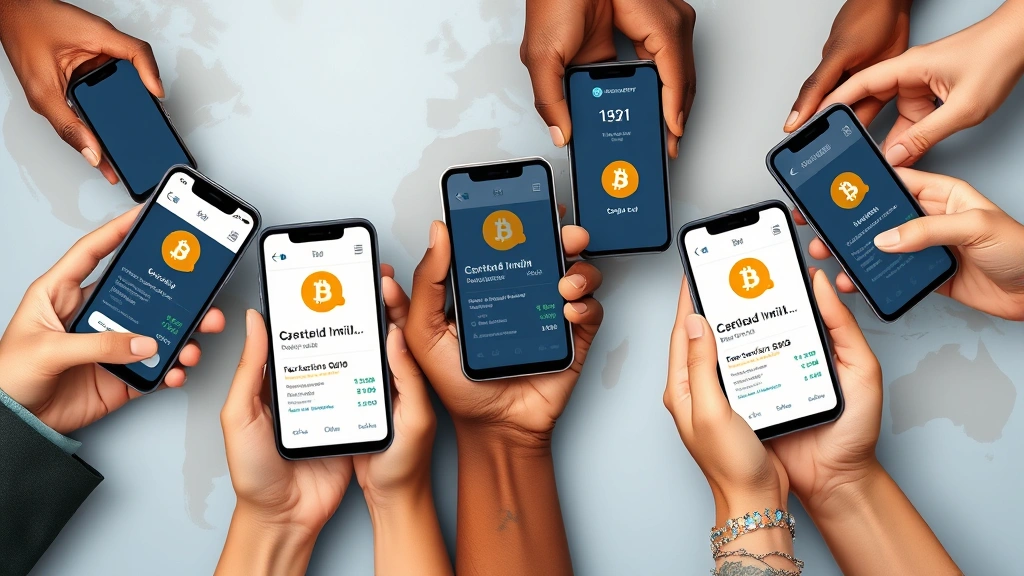
Bitcoin’s integration into traditional finance continues accelerating through futures markets, exchange-traded products, and banking services. The introduction of Bitcoin spot ETFs in major markets has significantly simplified institutional and retail access. These developments reduce friction in Bitcoin ownership and likely contribute to continued adoption expansion.

FAQ
How does Bitcoin affect traditional currency values?
Bitcoin’s appreciation can influence currency markets by redirecting capital flows and affecting investor sentiment. However, Bitcoin’s relatively small size compared to global currency markets limits direct impact. Central banks maintain control over monetary policy through traditional mechanisms unaffected by Bitcoin’s price movements. Longer-term impacts depend on Bitcoin adoption rates and institutional integration into financial systems.
Can Bitcoin eliminate the need for central banks?
Bitcoin’s decentralized design offers an alternative to central banking, but practical replacement seems unlikely in the near term. Central banks provide essential functions including payment system oversight, lender-of-last-resort services, and macroeconomic policy tools that decentralized systems cannot easily replicate. Bitcoin and central bank money likely coexist indefinitely, serving different purposes for different users.
What risks should investors consider before buying Bitcoin?
Key risks include price volatility, regulatory changes, technological vulnerabilities, cybersecurity threats, and market manipulation. Bitcoin remains a speculative asset with limited track record compared to traditional investments. Investors should only allocate capital they can afford to lose entirely and should diversify across multiple asset classes.
How does Bitcoin mining affect electricity prices?
Bitcoin mining’s impact on electricity prices varies by region. In areas with abundant renewable energy or low-cost power, mining has minimal impact on grid prices. In constrained markets, mining demand can contribute to price increases. However, mining’s flexibility enables load-shifting to off-peak periods, potentially stabilizing overall electricity markets.
Can Bitcoin serve as a universal global currency?
Bitcoin’s technical limitations including transaction speed and scalability currently prevent it from serving as a universal currency for all transactions. Layer-two solutions and technological improvements may enhance Bitcoin’s transaction capacity, but fundamental design choices prioritize decentralization and security over transaction speed. Bitcoin likely functions best as a store of value and settlement layer rather than everyday currency.
How do macroeconomic trends affect Bitcoin prices?
Bitcoin prices respond to various macroeconomic factors including inflation rates, interest rate changes, equity market performance, and currency movements. During periods of rising inflation and currency weakness, Bitcoin typically appreciates. Conversely, rising real interest rates and strong dollar periods have historically pressured Bitcoin prices. These relationships remain imperfect and context-dependent.


