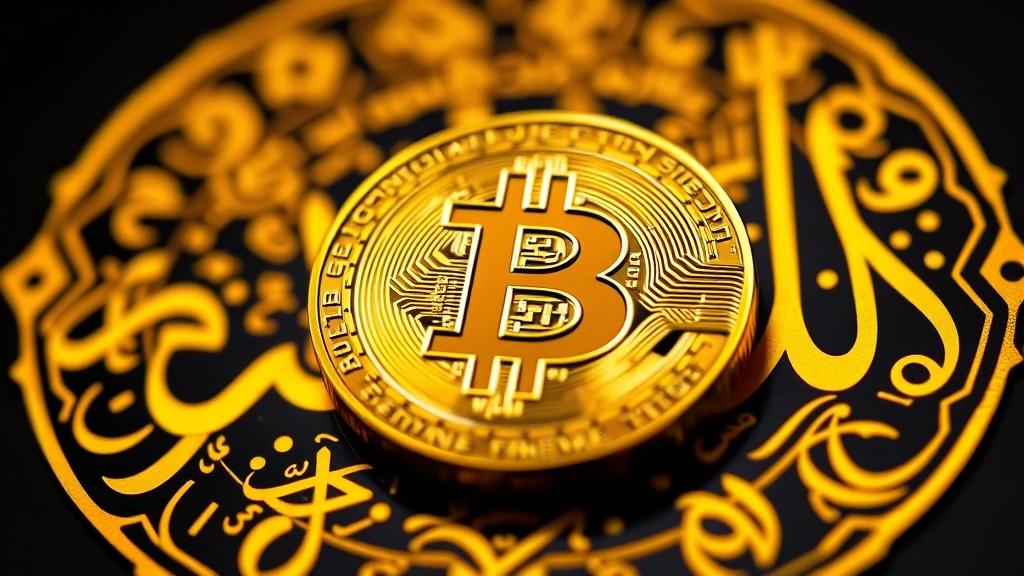
The question of whether Bitcoin is halal or haram has become increasingly relevant as Islamic finance intersects with digital assets. With over 1.8 billion Muslims worldwide and growing interest in cryptocurrency, religious scholars and financial experts are grappling with how to classify Bitcoin within Islamic jurisprudence. This debate extends beyond theological circles—it has practical implications for Muslim investors, financial institutions, and the broader adoption of cryptocurrency in Islamic-majority nations.
Islamic finance operates under strict principles derived from the Quran, Hadith, and scholarly consensus. These principles prohibit riba (usury), gharar (excessive uncertainty), and maysir (gambling). The classification of Bitcoin depends heavily on whether it satisfies these fundamental requirements. While some prominent Islamic scholars have declared Bitcoin permissible, others maintain reservations about its speculative nature and lack of intrinsic value.
Understanding Islamic Finance Principles
Islamic finance is built upon a foundation of ethical and moral principles that distinguish it from conventional finance. The primary objective is to ensure that financial transactions promote justice, equality, and social welfare while adhering to religious law. These principles have guided Muslim financial practices for over 1,400 years and continue to shape how Islamic scholars evaluate modern financial instruments.
Riba (often translated as usury or interest) is the most well-known Islamic finance prohibition. The Quran explicitly forbids riba in multiple verses, emphasizing that it creates economic inequality and exploits borrowers. In Islamic finance, this means charging interest on loans is prohibited. However, scholars distinguish between different types of transactions—some financial arrangements that generate returns are permissible if they involve profit-sharing or asset-backed transactions.
Gharar refers to excessive uncertainty or ambiguity in a contract. Islamic law requires that parties entering a transaction have clear knowledge of what they’re exchanging. Contracts with hidden terms, unknown quantities, or uncertain outcomes violate this principle. This principle particularly impacts how scholars view speculative trading and derivatives.
Maysir means gambling or games of chance. Islamic law prohibits any transaction where one party’s gain directly corresponds to another’s loss based on chance rather than effort or value creation. This principle extends to financial instruments that function similarly to gambling, where participants are essentially betting on outcomes.
Beyond these three primary prohibitions, Islamic finance emphasizes the importance of halal economic activity. Investments must support legitimate business activities and avoid industries deemed haram, such as alcohol, pork products, weapons, or gambling operations.
Bitcoin’s Characteristics and Religious Classification
To determine whether Bitcoin is halal or haram, we must first understand what Bitcoin actually is. Bitcoin is a decentralized digital currency that operates on a peer-to-peer network without central authority. It uses blockchain technology to record transactions and employs cryptographic proofs to validate and secure the network. These technical characteristics form the basis of religious analysis.
One fundamental question scholars ask: Is Bitcoin a commodity, a currency, or something else entirely? This classification matters significantly for religious ruling. If Bitcoin functions as a medium of exchange (like currency), it may be treated differently than if it’s primarily a speculative asset. The answer influences whether converting dollars to Bitcoin constitutes a permissible exchange or a problematic transaction.
Bitcoin’s decentralized nature presents unique theological considerations. Unlike fiat currency issued by governments or Islamic banks, Bitcoin has no central issuer or authority. This raises questions about whether it can function as legitimate money within Islamic frameworks. However, Islamic history shows that money doesn’t require government backing—precious metals like gold and silver served as currency for centuries without central authority.
The blockchain ledger’s transparency and immutability appeal to Islamic finance principles. Every transaction is recorded publicly, creating accountability and reducing opportunities for fraud—values deeply important in Islamic commerce. This technical feature addresses some gharar concerns by providing clarity and certainty.
Scholarly Opinions on Bitcoin and Cryptocurrency
Islamic scholars globally have reached varying conclusions about Bitcoin’s permissibility. This diversity of opinion reflects the complexity of applying centuries-old principles to novel technology.
Scholars Supporting Bitcoin’s Permissibility:
Dr. Abdulqawi Yusuf, former Grand Mufti of Egypt, has suggested that Bitcoin, if used as a medium of exchange rather than for speculation, could be permissible. His reasoning centers on Bitcoin’s functional similarities to historical Islamic currencies. The Central Bank of Malaysia has also indicated that cryptocurrencies used primarily as payment methods may be acceptable, though regulatory concerns remain.
Mufti Muhammad Abu Bakar, a prominent Islamic scholar, has argued that Bitcoin possesses the characteristics of legitimate money: scarcity, divisibility, and acceptance as a medium of exchange. He contends that these properties satisfy Islamic requirements for currency, making Bitcoin potentially halal for transaction purposes.
Scholars Expressing Reservations:
The Islamic Fiqh Academy of Saudi Arabia has expressed concerns about Bitcoin’s extreme volatility and speculative nature, suggesting these characteristics align with maysir (gambling). The Academy emphasizes that Bitcoin’s price fluctuations make it unsuitable as a stable store of value, a traditional function of money in Islamic finance.
Many conservative scholars point out that Bitcoin lacks the intrinsic value that Islamic finance traditionally requires. Gold and silver have inherent utility and value; Bitcoin exists only as digital code. This distinction leads some to question whether Bitcoin can serve as proper Islamic currency.
The Council of Islamic Ideology in Pakistan has warned that cryptocurrency trading, particularly with leverage or speculation, violates Islamic principles. This position reflects concerns about the gambling-like nature of many cryptocurrency trading practices.

Riba, Gharar, and Maysir in Bitcoin Trading
The application of Islamic finance prohibitions to Bitcoin requires careful analysis of how Bitcoin is actually used and traded.
Riba Considerations:
Holding Bitcoin itself doesn’t inherently involve riba. Bitcoin transactions don’t require interest payments, and simply owning Bitcoin doesn’t violate Islamic principles against usury. However, many cryptocurrency platforms offer lending services where users earn interest on deposited Bitcoin. These arrangements may constitute riba, making them impermissible under Islamic law. Similarly, shorting Bitcoin or using leveraged trading products creates financial relationships that resemble interest-based transactions.
Gharar Concerns:
Bitcoin’s extreme price volatility creates significant gharar issues. When Bitcoin’s value can swing 20-30% in days, the uncertainty about transaction value becomes substantial. A Muslim investor buying Bitcoin today cannot know with certainty what it will be worth tomorrow, creating the kind of ambiguity Islamic law discourages.
Furthermore, many cryptocurrency exchanges and trading platforms operate with unclear terms, hidden fees, or opaque algorithms. These operational gharar issues make trading on such platforms potentially impermissible regardless of Bitcoin itself.
Maysir Dimensions:
Speculation in Bitcoin most closely resembles maysir. When traders buy Bitcoin primarily hoping to sell at higher prices rather than for its utility as money, they’re essentially gambling on price movements. The zero-sum nature of much cryptocurrency speculation—where one trader’s profit directly equals another’s loss—mirrors gambling dynamics.
Leveraged trading and futures contracts amplify maysir concerns. These financial derivatives allow traders to bet on Bitcoin’s direction without owning actual Bitcoin, creating purely speculative instruments that clearly violate Islamic principles.
However, scholars generally distinguish between using Bitcoin as a payment method (which may be permissible) and trading it speculatively (which raises serious concerns). This distinction is crucial for understanding Islamic positions on Bitcoin.
Islamic Cryptocurrency Projects and Solutions
Recognizing the demand for Islamic-compliant cryptocurrency solutions, several projects have emerged specifically designed to address religious concerns.
Shariah-Compliant Cryptocurrencies:
Some cryptocurrency projects have sought formal Islamic certification. These projects typically emphasize their use as payment methods rather than speculative assets, maintain transparency about operations, and avoid practices associated with riba or maysir.
Islamic finance institutions are exploring blockchain technology for legitimate purposes. The Central Bank of the UAE has experimented with digital currencies, and several Islamic banks have investigated blockchain for cross-border payments—applications that create genuine utility rather than speculation.
Islamic Finance and Cryptocurrency Integration:
Progressive Islamic financial institutions are developing frameworks for cryptocurrency integration. These approaches typically include:
- Restricting cryptocurrency holdings to use as payment methods rather than investment vehicles
- Implementing strict anti-speculation policies
- Ensuring transactions comply with Islamic banking standards
- Providing transparency and clear contract terms to eliminate gharar
- Avoiding leverage, shorting, and derivatives
Malaysia’s regulatory framework has become particularly sophisticated, with guidelines distinguishing between Islamic and non-Islamic cryptocurrency uses. The Securities Commission Malaysia has issued detailed guidelines for Islamic digital assets.
Practical Considerations for Muslim Investors
For Muslim investors considering Bitcoin or cryptocurrency involvement, several practical considerations emerge from Islamic finance principles.
Investment Intent Matters:
The purpose of Bitcoin ownership significantly impacts its Islamic permissibility. Using Bitcoin as a medium of exchange for legitimate purchases may be acceptable to many scholars. Holding Bitcoin as part of a diversified portfolio with long-term investment horizons presents fewer concerns than active trading. Understanding your own difference between active and passive investing approach becomes religiously relevant.
Platform and Transaction Concerns:
The exchange or platform through which you trade Bitcoin matters. Platforms offering leveraged trading, shorts, or interest-bearing accounts create additional Islamic concerns. Choosing platforms with transparent operations and Islamic finance-compliant features addresses gharar issues.
Portfolio Approach:
Implementing proper portfolio diversification principles helps address speculation concerns. Rather than concentrating wealth in volatile cryptocurrencies, spreading investments across multiple asset classes reduces gambling-like characteristics. Using cryptocurrency portfolio trackers helps maintain discipline and transparency.
Decision-Making Framework:
Muslim investors should consider consulting with Islamic finance scholars familiar with cryptocurrency. Different Islamic schools (madhabs) and individual scholars reach different conclusions. A personal fatwa (religious ruling) from a trusted scholar familiar with your specific situation provides more reliable guidance than general statements.
When making investment decisions, consider whether you should sell or hold your Bitcoin in current cycles, but evaluate these decisions through an Islamic finance lens rather than purely financial metrics.
Understanding technical indicators like the Bitcoin Pi Cycle Top Indicator can help inform investment timing, but should be combined with Islamic principles rather than replacing them.

Conversion and Exchange Issues:
The mechanics of converting dollars to Bitcoin require attention. Ensure exchanges provide fair rates without excessive fees that constitute hidden riba. Understand all transaction costs transparently before proceeding.
FAQ
Is Bitcoin completely haram in Islam?
No, Bitcoin’s status is disputed among Islamic scholars. Some scholars consider Bitcoin permissible when used as a payment method, while others maintain it’s haram due to speculation and volatility. The answer depends on your specific use case and the Islamic school you follow. Consulting a qualified Islamic finance scholar provides personalized guidance.
Can Muslims trade Bitcoin for profit?
This depends on how trading occurs. Long-term investing in Bitcoin with the intent to use it as currency may be permissible to some scholars. However, active speculation, leveraged trading, and short-selling raise serious concerns about violating Islamic principles against gambling and uncertainty. The distinction between investment and speculation matters significantly.
What makes cryptocurrency potentially haram?
Primary concerns include: extreme volatility creating gharar (uncertainty), speculation resembling maysir (gambling), leverage and derivatives functioning like interest-based transactions (riba), and platform operations lacking transparency. These issues apply more to certain trading practices than to Bitcoin’s underlying technology.
Are there Islamic-compliant cryptocurrencies?
Yes, several projects explicitly design cryptocurrencies to comply with Islamic principles. These typically emphasize payment functionality over speculation, maintain transparency, avoid leverage and derivatives, and seek Islamic certification. However, the cryptocurrency space remains largely unregulated, so due diligence is essential.
What do major Islamic organizations say about Bitcoin?
Positions vary widely. Some Islamic finance authorities express openness to cryptocurrencies used as payment methods, while others warn against speculation and volatility. The Islamic Fiqh Academy of Saudi Arabia expresses significant concerns, while Malaysia’s Securities Commission has developed detailed Islamic cryptocurrency guidelines. No universal Islamic position exists.
Can I use Bitcoin for charitable giving?
Yes, donating Bitcoin to legitimate Islamic charities appears permissible under most scholars’ frameworks. The charitable purpose aligns with Islamic values, and Bitcoin functions as a medium of value transfer. However, ensure the charity operates transparently and uses donations for legitimate halal purposes.
How do Islamic banks view cryptocurrency?
Most Islamic banks remain cautious about cryptocurrency, citing regulatory uncertainty and speculation concerns. However, some are exploring blockchain technology for legitimate banking purposes like cross-border payments. Progressive Islamic financial institutions are developing frameworks for compliant cryptocurrency integration, though adoption remains limited.


