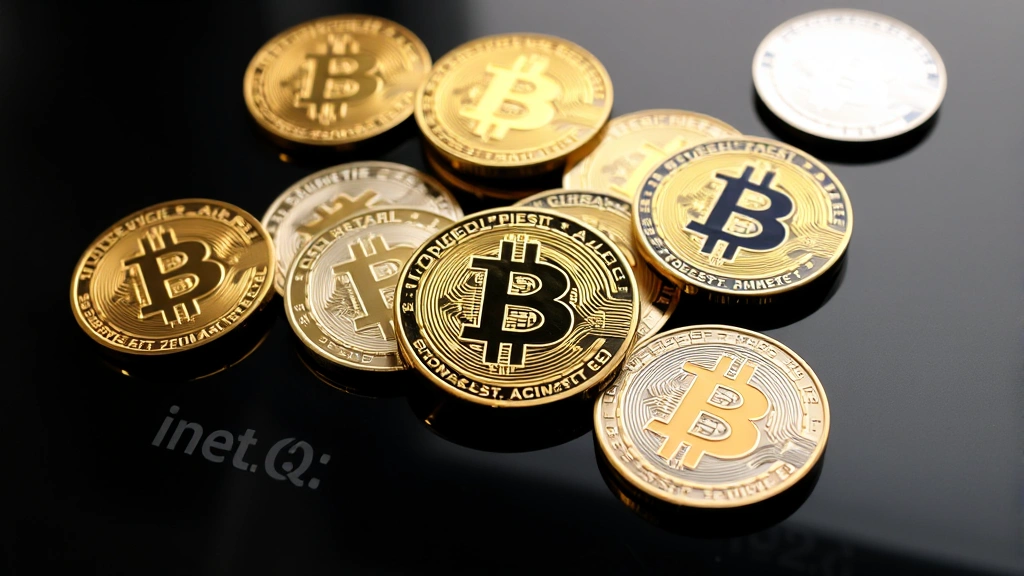
Are Physical Bitcoins Legit? Expert Insight into Tangible Crypto Assets
The concept of a physical bitcoin often confuses newcomers to the cryptocurrency space. Unlike digital Bitcoin that exists purely on the blockchain, physical bitcoins are tangible objects—coins, tokens, or collectibles—that represent or claim to hold actual Bitcoin value. But are they legitimate investment tools, or are they merely novelty items? This comprehensive guide explores what physical bitcoins actually are, how they work, their legitimacy, and whether they deserve a place in your portfolio diversification strategy.
Physical bitcoins have existed since the early days of cryptocurrency, emerging as enthusiasts sought to create tangible representations of digital wealth. Some contain private keys embedded within them, while others serve purely as collectibles or promotional items. Understanding the distinction between these categories is crucial before considering any investment or acquisition.
The legitimacy question isn’t straightforward. Some physical bitcoins are genuine, secure, and valuable, while others are scams designed to defraud collectors. This article breaks down everything you need to know to make informed decisions about physical bitcoin assets.
What Are Physical Bitcoins?
A physical bitcoin is a tangible object designed to represent or store Bitcoin value. Unlike the cryptocurrency itself, which exists only as digital data on the blockchain, physical bitcoins are items you can hold in your hand. They range from metal coins and tokens to collectible items and even embedded hardware devices.
The primary distinction lies in their function. Some physical bitcoins contain actual private keys—cryptographic codes that grant access to real Bitcoin stored on the blockchain. Others are simply collectibles or promotional items with no direct claim to digital assets. Understanding this difference is essential for evaluating their legitimacy and value.
The concept emerged around 2011-2012 when early Bitcoin enthusiasts wanted to create physical representations of digital wealth. Companies began producing brass coins, gold-plated tokens, and other items marked with Bitcoin logos and values. Some included security features like holograms, serial numbers, and embedded QR codes linking to blockchain addresses.
Types of Physical Bitcoins
Collectible Coins and Tokens
The most common type of physical bitcoin is the collectible coin—a metal object bearing Bitcoin imagery and branding. These are produced by various manufacturers and typically serve as novelty items or collector’s pieces rather than functional cryptocurrency storage. They’re often made from brass, gold-plated metals, or other materials and may feature security elements like holograms or serial numbers.
Collectible physical bitcoins have no direct claim to actual Bitcoin value. Their worth depends entirely on collector interest, rarity, material composition, and brand recognition. Some vintage coins from early manufacturers can command significant prices among collectors, similar to numismatic coins or limited-edition merchandise.
Funded Physical Bitcoins
More sophisticated physical bitcoins actually contain embedded Bitcoin. These coins come “loaded” with a specific amount of cryptocurrency, secured by a private key embedded within or attached to the coin. The private key is typically covered by a hologram, sticker, or tamper-evident seal that must be removed to access the Bitcoin.
Funded physical bitcoins serve as cold storage solutions—they keep Bitcoin offline and secure from hacking. Once you peel back the protective seal and scan the private key, you can transfer the Bitcoin to your digital wallet. This makes them functional cryptocurrency storage devices rather than purely decorative items.
Hardware Wallets and Devices
Some manufacturers produce physical devices that function as hardware wallets—specialized equipment designed to securely store cryptocurrency private keys. These aren’t coins in the traditional sense but rather devices like USB tokens or cards that generate and protect Bitcoin keys. They represent the most secure form of physical Bitcoin storage available.
Promotional and Gift Items
Many companies, exchanges, and organizations distribute physical bitcoins as promotional materials or gifts. These typically have no intrinsic Bitcoin value and serve purely as marketing tools or collectibles. While fun to own, they shouldn’t be confused with legitimate Bitcoin storage solutions.
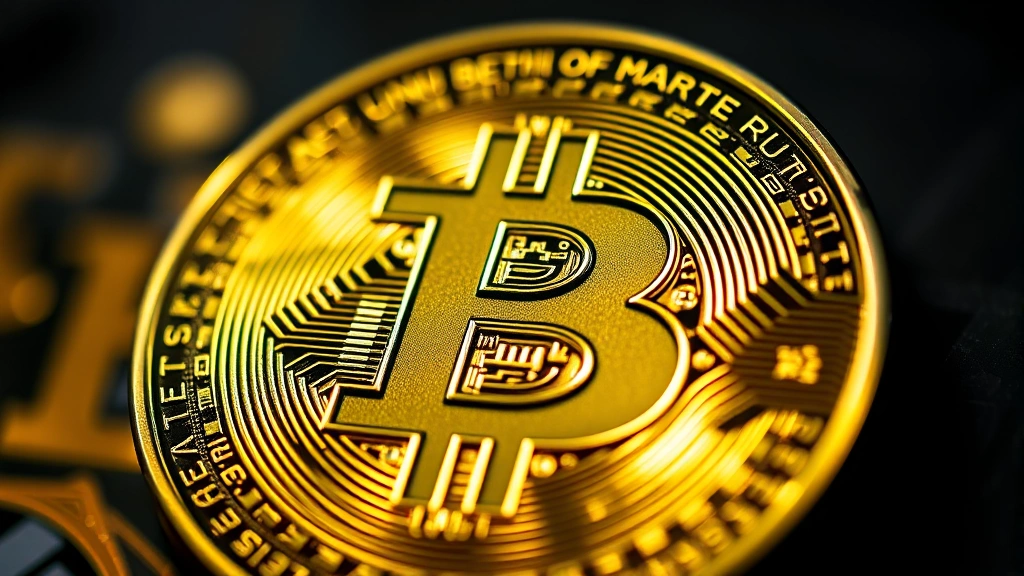
” alt=”Physical Bitcoin coins arranged in a collection, showing various metallic finishes and Bitcoin logo designs” style=”max-width: 100%; height: auto;”>
The legitimacy of physical bitcoins varies dramatically depending on their type, manufacturer, and intended use. Distinguishing legitimate products from scams requires careful evaluation. Legitimate Physical Bitcoins Genuine physical bitcoins come from established manufacturers with verifiable histories and positive reviews within the cryptocurrency community. Legitimate funded coins employ robust security measures including tamper-evident seals, holographic protection, and secure manufacturing processes. Reputable producers publish verification methods allowing buyers to confirm authenticity and value before purchasing. Organizations like CoinDesk have covered legitimate physical bitcoin manufacturers, and community forums like Reddit’s cryptocurrency communities maintain discussions about authentic products. Legitimate manufacturers often provide certificates of authenticity and documented private keys. Common Scams and Fraudulent Products The physical bitcoin market attracts scammers because buyers often cannot verify actual Bitcoin value before purchase. Common scams include: Before purchasing any funded physical bitcoin, verify the private key’s authenticity through blockchain exploration. Use blockchain explorers to check whether the claimed Bitcoin value actually exists at the associated wallet address. Security Vulnerabilities Even legitimate physical bitcoins present security risks. If a coin’s protective seal is damaged or shows signs of tampering, the private key may have been compromised. Someone could have already transferred the Bitcoin, leaving you with a worthless physical object. Additionally, physical loss, theft, or damage can result in permanent loss of your cryptocurrency investment, unlike digital wallets with backup options. Understanding the mechanics behind physical bitcoins clarifies their functionality and limitations. The Private Key Mechanism Bitcoin operates through public-private key cryptography. The private key is a long alphanumeric code that grants exclusive access to specific Bitcoin stored on the blockchain. Physical bitcoins embed this private key within the coin itself, either printed on paper, etched into metal, or stored on embedded microchips. When you own a funded physical bitcoin, you possess the tangible object but the actual Bitcoin remains on the blockchain. The coin is merely a secure storage container for the private key. To access your Bitcoin, you must reveal and import the private key into a digital wallet. Redemption Process Redeeming a physical bitcoin involves several steps. First, carefully remove any protective covering without damaging the private key. Second, use a QR code reader or manual entry to input the private key into a cryptocurrency wallet application. Third, the wallet software will scan the blockchain and display your Bitcoin balance. Finally, you can transfer the Bitcoin to another wallet address or exchange for fiat currency. This process is irreversible—once you’ve revealed and imported the private key, the coin’s protective value is compromised. You cannot reseal it or pass it to another person with confidence that they haven’t already accessed the Bitcoin. This makes physical bitcoins problematic for long-term storage or gifting. Blockchain Verification All Bitcoin transactions and balances exist on the public blockchain. To verify a physical bitcoin’s value, you can use blockchain explorers to check the associated wallet address. This transparency is actually a strength—you can independently confirm whether a coin truly contains the promised Bitcoin before purchasing it. From an investment standpoint, physical bitcoins present unique considerations distinct from holding digital Bitcoin directly. Collector Value vs. Bitcoin Value Physical bitcoins have two potential value streams. First, they may contain actual Bitcoin, which fluctuates with market price. Second, they may have collector value based on rarity, age, condition, and manufacturer reputation. These values are separate—a coin might contain $500 in Bitcoin but be worth $1,200 to collectors due to its limited production run. Rare vintage physical bitcoins from early manufacturers sometimes appreciate significantly, similar to numismatic coins. However, this collector premium varies unpredictably and depends on market trends within the physical bitcoin collecting community. Premium Costs Physical bitcoins typically cost more than their underlying Bitcoin value due to manufacturing, distribution, security features, and profit margins. A coin containing $1,000 in Bitcoin might retail for $1,200-$1,500. This premium represents a cost you must recoup through collector appreciation to break even on investment. This contrasts with how to invest in cryptocurrency directly, where you pay minimal fees and acquire Bitcoin at near-market prices. Unless you specifically value the physical and collectible aspects, direct digital ownership is more economically efficient. Calculating Returns When evaluating physical bitcoin investments, you must account for multiple factors. How to calculate investment returns for physical bitcoins should include the initial premium paid, any appreciation from collector value, the Bitcoin price movement, and costs associated with secure storage or insurance. For example, if you purchase a physical bitcoin for $1,200 containing $1,000 in Bitcoin, and Bitcoin price increases 20% while the coin appreciates 10% in collector value, your total return would be approximately 25%, but your effective cost basis is higher than the underlying Bitcoin value. Benefits of Physical Bitcoins Risks and Limitations Weighing these factors, physical bitcoins work best as collectibles or supplementary storage for enthusiasts, not as primary investment vehicles. Consider pros and cons of cryptocurrency ownership more broadly before deciding whether physical coins align with your strategy.Legitimacy and Security Concerns
How Physical Bitcoins Actually Work
Investment Perspective and Value
Risks vs. Benefits
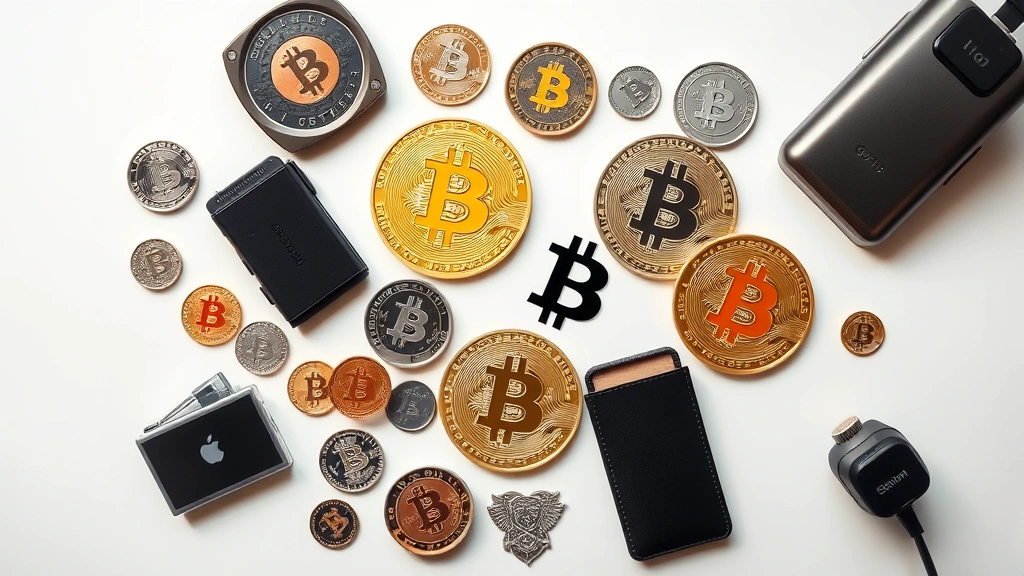
” alt=”Close-up of a Bitcoin physical coin showing security hologram and metallic texture details” style=”max-width: 100%; height: auto;”>
If you’re considering purchasing physical bitcoins, follow these expert-recommended practices: Verification Before Purchase Never purchase a physical bitcoin without first verifying its claimed value. Ask the seller for the public wallet address associated with the coin. Use a blockchain explorer to confirm the Bitcoin balance exists and matches the seller’s claim. This single step prevents most scams. Research Manufacturers Purchase only from established, reputable manufacturers with documented histories in the cryptocurrency community. Check reviews on cryptocurrency forums, social media, and review sites. Avoid unknown brands or sellers without verifiable credentials. Inspect Security Features Legitimate physical bitcoins employ multiple security measures including holograms, sequential serial numbers, security printing, and tamper-evident seals. Examine these features carefully. Any damage or signs of previous opening should be a red flag. Purchase from Authorized Retailers Buy from official manufacturers or authorized distributors rather than secondary market sellers whenever possible. This reduces counterfeit risk and provides recourse if problems arise. Cryptocurrency exchanges and major retailers sometimes carry legitimate physical bitcoins from verified manufacturers. Secure Storage Physical bitcoins require the same security considerations as other valuable assets. Store them in secure locations such as safes, safe deposit boxes, or dedicated security services. Consider insurance for high-value coins, though verify coverage terms carefully. Funded physical bitcoins contain real Bitcoin secured by embedded private keys. However, the Bitcoin value depends on the associated private key being uncompromised. Once revealed, the coin’s protective value is lost. Collectible coins without embedded Bitcoin are not real Bitcoin—they’re novelty items. No. Physical bitcoins cannot be spent directly like traditional coins. You must first reveal the private key, import it into a digital wallet, and transfer the Bitcoin to a recipient’s address. This multi-step process makes physical bitcoins impractical for frequent transactions. Prices vary dramatically. Collectible coins range from $20-$200, while funded coins containing Bitcoin cost significantly more, typically 10-25% above the underlying Bitcoin value. Rare vintage coins can sell for hundreds or thousands of dollars to collectors regardless of Bitcoin content. Physical bitcoins are better suited for collectors than investors. The premium costs, liquidity challenges, and security risks generally make direct digital Bitcoin ownership more efficient for investment purposes. Consider them only if you specifically value the collectible or novelty aspects. Losing a physical bitcoin means losing the Bitcoin permanently. Unlike digital wallets with backup seed phrases, there’s no recovery mechanism. This makes physical bitcoins risky for long-term storage of significant value. For funded coins, verify the public wallet address on a blockchain explorer to confirm Bitcoin balance. Check security features like holograms and serial numbers for signs of tampering. Research the manufacturer’s reputation and purchase from authorized dealers only. Yes. Counterfeit physical bitcoins exist, ranging from poor-quality replicas to sophisticated fakes. This is why verification through blockchain explorers is essential. Always confirm the private key’s validity before purchasing. Physical bitcoins can be included in portfolio tracking, but they require special considerations. Track both the Bitcoin value and any collector premium separately. Most portfolio tracking applications focus on digital holdings, so physical coins may require manual entry. Physical bitcoins occupy a unique niche in the cryptocurrency ecosystem. While some are legitimate, secure storage solutions for Bitcoin, others are scams or collectibles with no real value. The key to legitimacy lies in transparent verification—always confirm Bitcoin existence through blockchain explorers before purchasing. For most investors, direct digital Bitcoin ownership through cryptocurrency investment channels offers superior efficiency, lower costs, and better liquidity. However, for enthusiasts who appreciate the tangible and collectible aspects, physical bitcoins can serve as interesting supplementary holdings or novelty items. The answer to “are physical bitcoins legit?” is nuanced: some are legitimate and valuable, while others are fraudulent. Your responsibility as a potential buyer is conducting thorough due diligence, verifying claims independently, and understanding the specific product you’re purchasing. With proper research and caution, physical bitcoins can be legitimate assets—but without verification, they’re high-risk purchases vulnerable to scams.Best Practices for Physical Bitcoin Evaluation
Frequently Asked Questions
Are physical bitcoins real Bitcoin?
Can you spend physical bitcoins directly?
How much do physical bitcoins cost?
Are physical bitcoins a good investment?
What happens if you lose a physical bitcoin?
How do you verify a physical bitcoin’s authenticity?
Can physical bitcoins be counterfeited?
Should I use physical bitcoins for portfolio tracking?
Conclusion


