
Summer of Bitcoin: 2023 Trends and Insights
The summer of 2023 marked a pivotal moment in cryptocurrency history, characterized by significant institutional adoption, regulatory clarity, and market recovery. As Bitcoin rebounded from the turbulent 2022 bear market, the season brought renewed optimism to the digital asset space, with major financial institutions embracing cryptocurrency like never before. This period witnessed accelerated development in blockchain infrastructure, increased mainstream acceptance, and shifting narratives around Bitcoin’s role in the global financial system.
During these critical months, Bitcoin demonstrated remarkable resilience while the broader crypto ecosystem experienced transformative changes. From spot ETF discussions to major corporate investments, the summer of 2023 became a defining chapter in cryptocurrency’s journey toward mainstream legitimacy. Understanding the trends and insights from this period provides valuable context for anyone seeking to comprehend Bitcoin’s trajectory and its implications for investors worldwide.

Institutional Adoption Accelerates
The summer of 2023 witnessed unprecedented institutional interest in Bitcoin and cryptocurrency assets. Major financial institutions that had previously maintained distance from digital assets began actively exploring integration into their service offerings. This shift represented a fundamental change in how traditional finance viewed Bitcoin, moving from skepticism to cautious optimism and strategic positioning.
BlackRock, one of the world’s largest asset managers, made headlines with increased focus on cryptocurrency infrastructure and potential Bitcoin exposure products. For those curious about institutional Bitcoin holdings, understanding how much Bitcoin does BlackRock own provides insight into institutional accumulation patterns. The company’s moves signaled confidence that regulatory frameworks would eventually accommodate cryptocurrency investment products for mainstream investors.
Beyond BlackRock, numerous hedge funds, pension funds, and family offices allocated capital to Bitcoin during this period. The summer months saw increased venture capital funding for crypto infrastructure projects, with developers and entrepreneurs receiving substantial investments to build blockchain solutions. This institutional capital influx created positive momentum that extended beyond Bitcoin to the broader cryptocurrency ecosystem.
Traditional banking institutions began offering cryptocurrency custody services and trading capabilities to institutional clients. This infrastructure development proved crucial for enabling larger capital movements into digital assets. The availability of regulated custody solutions addressed one of institutional investors’ primary concerns regarding Bitcoin security and compliance.
Market Recovery and Price Dynamics
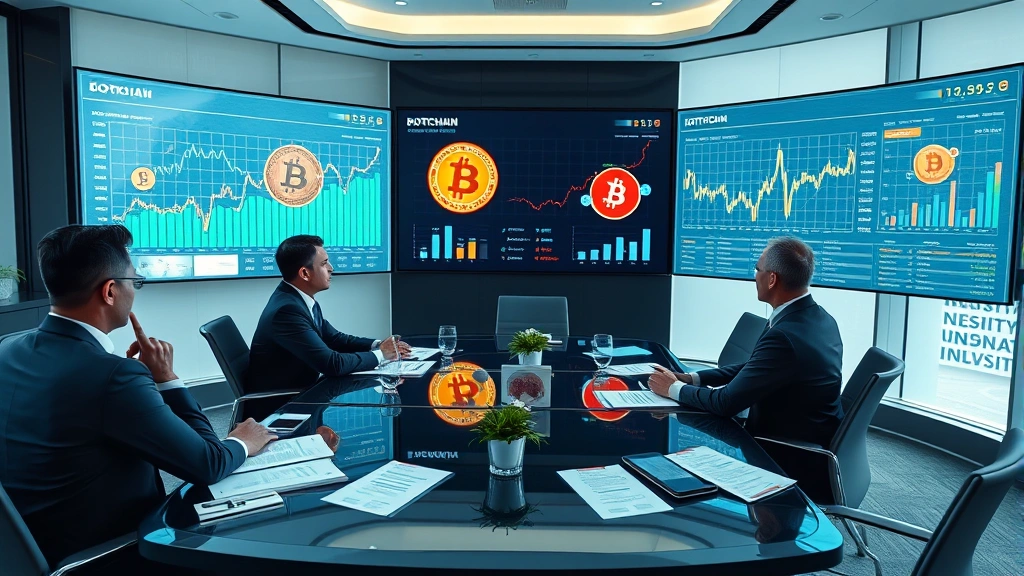
Bitcoin’s price action during summer 2023 reflected growing confidence in the asset’s long-term prospects. After the devastating collapse of FTX in late 2022 and subsequent market turmoil, Bitcoin began a steady recovery that gained momentum through the spring and summer months. Understanding Bitcoin’s price movements during this period requires examining both technical factors and broader market sentiment.
The 100 bitcoins to USD conversion rates during summer 2023 demonstrated significant appreciation from early year levels. Bitcoin climbed from approximately $26,000 in January to approach $43,000 by late summer, representing a substantial recovery that renewed investor interest. This upward trajectory reflected institutional buying, improving macroeconomic expectations, and positive regulatory developments.
Interestingly, the correlation between dollar to Bitcoin exchange rates and traditional financial indicators shifted during this period. As the Federal Reserve’s interest rate trajectory became clearer, investors increasingly viewed Bitcoin as a potential hedge against currency devaluation and inflation. This narrative strengthened throughout the summer, supporting price appreciation.
Regional variations in Bitcoin adoption and pricing emerged during this season. For investors in emerging markets, tracking Bitcoin price in PKR and other local currencies became increasingly important. The summer of 2023 saw growing cryptocurrency adoption in South Asia, with Bitcoin serving as a store of value for individuals concerned about currency stability and capital controls.
Technical analysis suggested Bitcoin was establishing a new market cycle with higher lows and higher highs. The asset broke through multiple resistance levels during the summer months, signaling potential for further appreciation. However, volatility remained elevated, with occasional pullbacks reminding investors of cryptocurrency’s inherent risk characteristics.
Regulatory Landscape Evolution
Summer 2023 brought significant regulatory developments that shaped the cryptocurrency industry’s future trajectory. Governments and financial regulators worldwide recognized the need for clear, comprehensive frameworks governing digital assets. This regulatory clarity, while sometimes restrictive, provided the institutional confidence necessary for large-scale capital allocation to cryptocurrency.
The European Union advanced its Markets in Crypto-Assets Regulation (MiCA), establishing comprehensive rules for cryptocurrency service providers. The United States continued developing frameworks through various agencies, including the SEC and CFTC, with increasing coordination on regulatory approach. These efforts signaled that cryptocurrency would not be banned but rather integrated into existing financial regulatory structures.
Hong Kong announced comprehensive cryptocurrency regulations allowing licensed institutions to offer digital asset services. Singapore continued refining its regulatory approach, positioning itself as a cryptocurrency hub for Asia. These regulatory developments attracted significant capital flows and demonstrated that jurisdictions recognized digital assets’ economic importance.
The summer months also saw increased focus on stablecoin regulation, with legislators worldwide proposing rules governing reserve requirements and issuance standards. This regulatory attention, while sometimes burdensome, actually benefited Bitcoin by establishing clearer distinctions between decentralized cryptocurrencies and centralized stablecoin systems.
Technical Developments and Infrastructure
Bitcoin’s technical ecosystem experienced substantial advancement during summer 2023. Developers continued improving the Lightning Network, Bitcoin’s primary scaling solution, with enhanced routing efficiency and reduced transaction costs. These improvements made Bitcoin more practical for everyday transactions while maintaining the security properties that define the protocol.
Layer-2 solutions gained prominence as developers worked to address Bitcoin’s transaction throughput limitations. Sidechains and other scaling approaches attracted developer attention and capital investment. The summer months saw accelerated development on the Stacks network, Liquid Network, and other Bitcoin-adjacent protocols designed to expand functionality.
For those seeking detailed price information and technical analysis tools, platforms like Fintechzoom Bitcoin price today resources provided comprehensive market data. These tools enabled investors to make informed decisions based on technical indicators and real-time price information.
Bitcoin development activity remained robust, with the open-source community continuing to propose and implement protocol improvements. The Taproot upgrade from previous years continued showing benefits, with developers increasingly utilizing its enhanced scripting capabilities. This technical progress supported Bitcoin’s evolution from a simple peer-to-peer payment system to a programmable settlement layer.
Mining Industry Transformation
Bitcoin mining underwent significant transformation during the summer of 2023. The industry consolidated around efficient, large-scale operations powered by renewable energy sources. This consolidation represented a maturation of the mining sector, with environmental concerns driving adoption of sustainable energy practices.
Miners increasingly located operations in regions with abundant renewable energy, including Iceland, El Salvador, and Texas. This geographic diversification reduced Bitcoin’s energy footprint and improved the network’s geographic distribution. The summer months saw announcements of major mining operations transitioning to renewable energy sources, addressing longstanding environmental criticisms.
Mining profitability fluctuated with Bitcoin’s price movements, but the improving institutional interest supported mining economics. Public mining companies saw increased valuations and capital availability, enabling expansion of operations. The summer’s price appreciation made mining more profitable for both large institutional operators and smaller independent miners.
The narrative around Bitcoin’s energy consumption shifted during this period. Credible research demonstrated that Bitcoin mining increasingly utilized stranded energy resources that would otherwise be wasted. This environmental argument, combined with the industry’s transition to renewables, gradually changed the public perception of Bitcoin mining’s environmental impact.
Mining pool dynamics evolved as well, with decentralization efforts gaining traction. Developers and miners worked to reduce concentration among large pools, promoting a more distributed network architecture. These efforts aimed to preserve Bitcoin’s fundamental property of censorship resistance and distributed consensus.
FAQ
What drove Bitcoin’s price recovery during summer 2023?
Multiple factors contributed to Bitcoin’s summer 2023 recovery: improving macroeconomic conditions, increased institutional adoption, regulatory clarity expectations, and growing recognition of Bitcoin as an inflation hedge. The combination of these elements created positive momentum that sustained price appreciation throughout the season.
How did regulatory developments affect Bitcoin during summer 2023?
Regulatory developments provided clarity and legitimacy for Bitcoin and cryptocurrency assets. While some regulations imposed compliance burdens, they also demonstrated government acceptance of digital assets and provided the framework necessary for institutional participation. This regulatory clarity significantly boosted investor confidence.
Why did institutional investors increase Bitcoin exposure in summer 2023?
Institutional investors recognized Bitcoin’s potential as a portfolio diversifier and inflation hedge. The availability of regulated custody solutions, improving regulatory frameworks, and the asset’s demonstrated resilience during market stress made Bitcoin increasingly attractive for professional capital allocators.
What technical improvements benefited Bitcoin during summer 2023?
Layer-2 scaling solutions like the Lightning Network continued improving, enhancing Bitcoin’s transaction capacity and speed. Development activity remained strong, with the Taproot upgrade enabling more sophisticated smart contract applications on the Bitcoin network.
How did mining evolve during summer 2023?
Bitcoin mining consolidated around larger, more efficient operations increasingly powered by renewable energy. This transformation improved the network’s sustainability while enabling miners to achieve better profitability. Geographic diversification of mining operations reduced concentration risk and improved network resilience.
What role did The Bitcoin Standard philosophy play in summer 2023 adoption?
Growing interest in sound money principles and alternative monetary systems supported Bitcoin adoption during summer 2023. As inflation concerns persisted and monetary policies remained accommodative, Bitcoin’s appeal as digital gold and currency alternative strengthened among both retail and institutional investors.


