1 Bitcoin to PKR: Current Market Insights and Exchange Dynamics
The Pakistani cryptocurrency market has experienced significant growth over recent years, with Bitcoin emerging as one of the most sought-after digital assets among investors and traders. Understanding the current exchange rate of 1 Bitcoin to PKR (Pakistani Rupee) is crucial for anyone looking to participate in the crypto market or diversify their investment portfolio. As of the latest market data, Bitcoin’s value fluctuates continuously based on global demand, regulatory developments, and macroeconomic factors affecting both international and local markets.
Pakistan’s growing interest in cryptocurrency stems from various factors, including financial inclusion, inflation concerns, and the desire for alternative investment vehicles. The Pakistani rupee has faced depreciation pressures in recent years, making Bitcoin an attractive hedge for many local investors. This comprehensive guide explores the current Bitcoin to PKR conversion rates, market dynamics, factors influencing prices, and practical insights for Pakistani investors entering the cryptocurrency space.
Understanding Bitcoin and Its Global Value
Bitcoin, created in 2009 by an anonymous entity known as Satoshi Nakamoto, is the world’s first and most valuable cryptocurrency. Understanding what cryptocurrency is forms the foundation for comprehending Bitcoin’s role in global financial markets. Bitcoin operates on a decentralized blockchain network, meaning no central authority controls its supply or transactions. This fundamental characteristic gives Bitcoin its appeal as a store of value and medium of exchange.
The global Bitcoin market operates 24/7 across multiple exchanges worldwide, creating a dynamic pricing environment. The price of Bitcoin is determined by supply and demand forces in the market, with major exchanges like Coinbase, Kraken, and Binance setting benchmark prices. When discussing 1 Bitcoin to PKR conversion, we’re essentially translating the global Bitcoin price (typically quoted in USD) into Pakistani Rupees using current exchange rates between the two currencies.
Bitcoin’s value proposition extends beyond simple price speculation. Many investors view it as digital gold—a scarce asset (limited to 21 million coins) that can serve as a hedge against inflation and currency devaluation. For Pakistani investors particularly, this characteristic becomes relevant given the historical depreciation of the Pakistani rupee against major currencies.
Current Bitcoin to PKR Exchange Rates
The exchange rate for 1 Bitcoin to PKR varies constantly throughout the day due to real-time market movements. As of current market conditions, Bitcoin typically trades between 10 to 12 million Pakistani Rupees, though this figure fluctuates based on global Bitcoin prices and USD to PKR conversion rates. For example, if Bitcoin trades at approximately $43,000 USD and the USD to PKR rate stands at 280 PKR per dollar, the calculation would yield roughly 12,040,000 PKR per Bitcoin.
However, it’s crucial to understand that this is not a fixed rate. Several factors contribute to price variations:
- Global market sentiment: News, regulatory announcements, and macroeconomic events influence worldwide Bitcoin demand
- USD to PKR exchange rate: Since Bitcoin is priced globally in USD, currency fluctuations directly impact the PKR value
- Local market demand: Pakistani-specific factors, regulatory clarity, and local adoption rates affect local prices
- Trading volume: Higher trading volumes on Pakistani exchanges may create slight variations from global prices
- Exchange premiums: Different Pakistani crypto platforms may offer slightly different rates based on their liquidity and market conditions
To find the most current Bitcoin to PKR rate, investors should check real-time data from reliable sources. CoinDesk provides regularly updated Bitcoin price information, while Blockchain.com offers blockchain explorer tools to track Bitcoin transactions and market data.
Factors Influencing Bitcoin Prices in Pakistan
While Bitcoin operates as a global asset, several Pakistan-specific factors influence how the 1 Bitcoin to PKR rate manifests in local markets:
Currency Depreciation and Inflation: The Pakistani rupee has experienced periods of significant depreciation against the US dollar. When the rupee weakens, Bitcoin becomes relatively more expensive in PKR terms, but simultaneously more attractive as an inflation hedge. This dynamic makes Bitcoin particularly appealing during periods of economic uncertainty in Pakistan.
Regulatory Environment: Pakistan’s regulatory stance toward cryptocurrency has evolved. The State Bank of Pakistan (SBP) has issued various directives regarding crypto trading. Positive regulatory clarity tends to increase local demand and potentially create premiums on local exchanges, while regulatory uncertainty can suppress prices.
Banking Access and Remittances: Pakistan receives substantial remittances from overseas Pakistanis. Some individuals use cryptocurrency as a more efficient remittance channel, particularly when traditional banking faces restrictions. This demand factor can influence local Bitcoin prices and trading volumes.
Economic Crises and Capital Controls: During periods of economic stress, when capital controls might be imposed or currency stability questioned, demand for Bitcoin as an alternative store of value increases significantly. This phenomenon has been observed in other countries facing similar economic challenges.
Local Exchange Liquidity: The depth of liquidity on Pakistani crypto exchanges affects price spreads. Exchanges with higher trading volumes typically offer rates closer to global benchmarks, while smaller exchanges may have wider bid-ask spreads.
How to Track and Monitor Bitcoin Prices
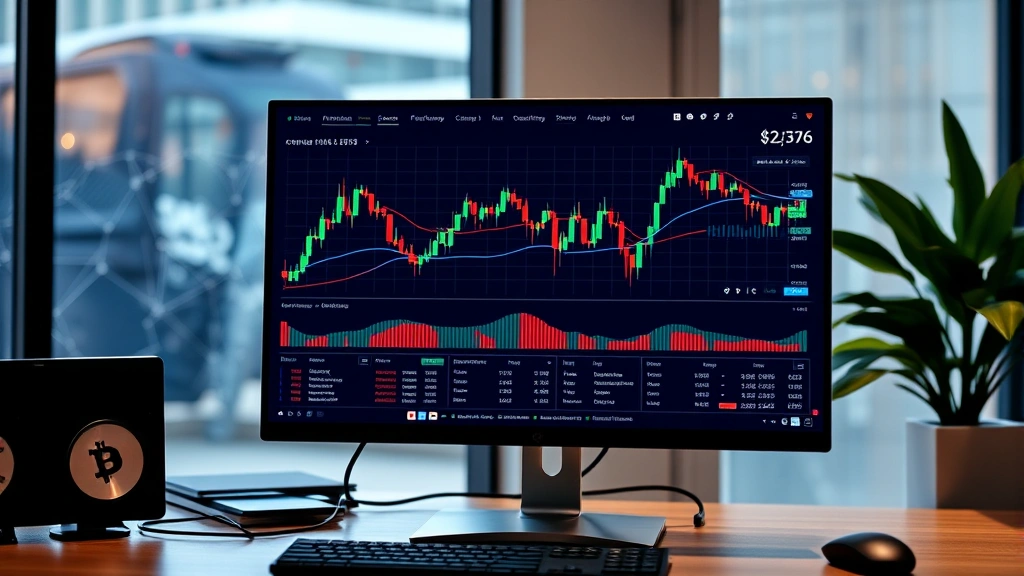
For Pakistani investors wanting to monitor the 1 Bitcoin to PKR rate effectively, several tools and methods are available. Learning how to read cryptocurrency charts enables better decision-making when tracking price movements.
Real-Time Price Tracking Platforms: Websites like CoinMarketCap and CoinGecko provide real-time Bitcoin prices in multiple currencies, including PKR. These platforms update prices every few seconds and display historical charts for technical analysis.
Cryptocurrency Portfolio Trackers: Using cryptocurrency portfolio trackers helps investors monitor their holdings and set price alerts. These tools automatically convert Bitcoin values to PKR and can notify users when prices reach specific thresholds.
Exchange-Specific Tools: Major Pakistani crypto exchanges offer built-in price charts and market data. These platforms often provide more localized pricing and may reflect premiums or discounts compared to global rates.
Mobile Applications: Dedicated crypto tracking apps available on iOS and Android provide convenient access to Bitcoin prices on the go, with real-time notifications and portfolio management features.
News and Analysis Websites: Staying informed about market developments through crypto news sites helps understand price movements beyond simple technical analysis. CoinDesk and similar platforms provide market analysis and breaking news that impacts Bitcoin valuations.
Trading Bitcoin in Pakistan: Platforms and Methods
Pakistani investors have multiple options for purchasing and trading Bitcoin. The most straightforward method involves using cryptocurrency exchanges operating in or serving Pakistan.
Local Crypto Exchanges: Several Pakistani-based and international exchanges serving Pakistani users offer Bitcoin trading pairs with PKR. These platforms allow users to deposit PKR through bank transfers or other payment methods and purchase Bitcoin directly.
International Exchanges with PKR Support: Major international exchanges like Binance and other platforms have added PKR trading pairs, making it easier for Pakistani users to trade without currency conversion intermediaries.
Peer-to-Peer Trading: P2P platforms enable direct transactions between buyers and sellers, often with more flexible payment options including cash transfers and mobile payment systems popular in Pakistan.
Over-the-Counter (OTC) Services: For larger transactions, OTC desks operated by crypto companies offer direct trading with potentially better rates for bulk purchases.
ATMs and Physical Locations: Some cities in Pakistan now have Bitcoin ATMs where users can purchase Bitcoin using cash, though these typically charge higher premiums than online exchanges.
Before choosing a platform, investors should verify regulatory compliance, security measures, and user reviews. The State Bank of Pakistan provides guidance on legitimate crypto service providers.
Risk Management and Investment Strategies
Investing in Bitcoin carries inherent risks that Pakistani investors must understand and manage appropriately. Understanding risk tolerance helps determine suitable investment amounts and strategies.
Volatility Management: Bitcoin’s price can fluctuate significantly within hours or days. Investors should only allocate capital they can afford to lose without affecting essential expenses or financial obligations. Dollar-cost averaging—investing fixed amounts regularly regardless of price—helps mitigate volatility impacts.
Portfolio Diversification: Bitcoin should typically represent only a portion of an overall investment portfolio. Learning about asset allocation principles helps create balanced portfolios combining Bitcoin with traditional investments.
Security Practices: Protecting Bitcoin holdings requires proper security measures. Hardware wallets, cold storage solutions, and strong password management prevent theft and unauthorized access. Never share private keys or seed phrases with anyone.
Tax Compliance: Bitcoin transactions have tax implications in Pakistan. Investors should maintain detailed records of purchases, sales, and gains for potential tax reporting purposes.
Economic Protection: During economic downturns, understanding how to protect investments during a recession becomes crucial. Bitcoin can serve as portfolio insurance, but shouldn’t constitute an excessive portion of holdings.
Regulatory Landscape for Crypto in Pakistan
Pakistan’s regulatory environment for cryptocurrency has been evolving. The State Bank of Pakistan has issued several directives regarding crypto trading and banking relationships with crypto businesses. Key regulatory considerations include:
Banking Relationships: The SBP has restricted banks from providing services to cryptocurrency exchanges and traders in certain periods. However, recent developments suggest a potential shift toward regulated frameworks rather than outright bans.
Legal Status: While not explicitly illegal, cryptocurrency operates in a gray area legally. The government has discussed potential regulations and taxation frameworks for crypto activities.
Future Regulatory Direction: Pakistan appears to be moving toward establishing clear regulatory frameworks rather than prohibitions. This potential clarity could significantly impact Bitcoin adoption and pricing in the country.
Compliance Considerations: Users should engage with platforms demonstrating compliance with available regulations and maintaining transparent operations. Regulatory compliance protects both users and the broader ecosystem.
Investors should stay updated on regulatory developments through official government sources and reputable news outlets, as changes can significantly impact market conditions and accessibility.
FAQ
What is the current 1 Bitcoin to PKR exchange rate?
Bitcoin prices fluctuate constantly. As of recent data, 1 Bitcoin typically ranges between 10-12 million Pakistani Rupees depending on global Bitcoin prices and USD to PKR conversion rates. For the most current rate, check real-time platforms like CoinMarketCap or CoinGecko.
Why does Bitcoin price in PKR change so frequently?
Bitcoin is priced globally in USD, and its PKR value depends on both global Bitcoin demand and the USD to PKR exchange rate. Both factors change continuously, causing the 1 Bitcoin to PKR rate to fluctuate throughout the day.
Is Bitcoin legal in Pakistan?
Bitcoin exists in a regulatory gray area in Pakistan. While not explicitly illegal, the State Bank of Pakistan has issued directives limiting banking relationships with crypto businesses. However, individual ownership and trading aren’t formally prohibited. Check current regulatory guidance before engaging.
Which platforms can Pakistani investors use to buy Bitcoin?
Several options exist including local Pakistani exchanges, international platforms with PKR support, peer-to-peer trading platforms, and OTC services. Always verify platform legitimacy and security before depositing funds.
How can I protect my Bitcoin investment in Pakistan?
Use hardware wallets or cold storage for security, maintain detailed transaction records, diversify your portfolio, invest only disposable capital, and stay informed about market and regulatory developments. Never share private keys with anyone.
What factors affect Bitcoin prices specifically in Pakistan?
Global Bitcoin demand and news, USD to PKR currency fluctuations, local regulatory developments, economic conditions in Pakistan, banking access restrictions, and local exchange liquidity all influence how Bitcoin is priced in PKR.
Should I invest in Bitcoin as a hedge against rupee depreciation?
Bitcoin can serve as an inflation hedge and alternative store of value, but shouldn’t constitute an excessive portfolio portion. Consider your risk tolerance and financial goals. Consult financial advisors for personalized guidance.
How do I report Bitcoin gains for taxes in Pakistan?
Maintain detailed records of all transactions. Tax treatment of cryptocurrency gains in Pakistan is still evolving. Consult tax professionals familiar with Pakistani tax law and crypto transactions for accurate guidance.


