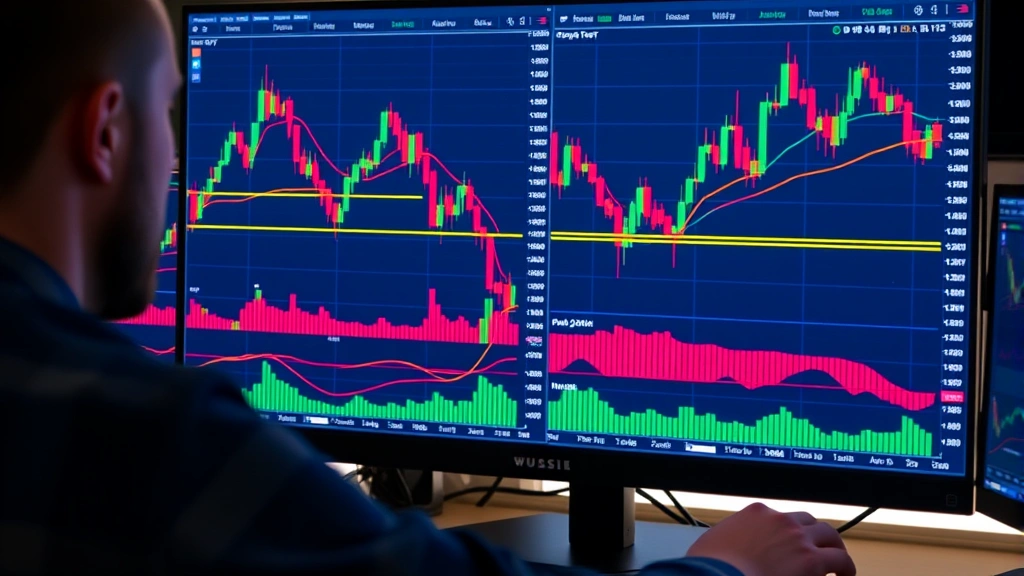
Shorting Bitcoin: A Step-by-Step Guide
Bitcoin’s volatility presents opportunities for traders looking to profit from price declines. While most investors focus on buying and holding, shorting Bitcoin allows you to capitalize on bearish market conditions and downward price movements. This comprehensive guide walks you through the mechanics of shorting Bitcoin, the platforms that support it, and the critical risk management strategies you need to succeed.
Shorting cryptocurrency requires understanding leverage, margin requirements, and liquidation risks that can amplify losses quickly. Whether you’re an experienced trader or exploring advanced investment strategies, this guide provides the knowledge needed to execute short positions responsibly and understand the complexities involved in betting against the world’s largest cryptocurrency.

Understanding Bitcoin Shorting Basics
Shorting Bitcoin means selling an asset you don’t own, betting that its price will decrease so you can buy it back at a lower price and pocket the difference. Unlike traditional stock markets where short selling is heavily regulated, the cryptocurrency market offers more accessible shorting mechanisms through various platforms and derivatives products.
When you short Bitcoin, you’re essentially borrowing BTC from a lender (usually your exchange), selling it at the current market price, and hoping to repurchase it at a lower price later. The profit equals the difference between your selling price and your lower buying price, minus fees and interest charges for borrowing the Bitcoin.
Understanding what cryptocurrency fundamentally is helps you grasp why shorting works differently than traditional assets. Bitcoin operates on blockchain technology without central authority, creating unique market dynamics that impact shorting strategies. The 24/7 trading nature of cryptocurrency markets means prices can move dramatically outside traditional market hours, affecting your short positions constantly.
Three main shorting methods exist: margin trading on spot exchanges, futures contracts, and options trading. Each method carries different risk profiles and requires specific knowledge to execute properly. Futures contracts offer standardized terms and built-in safeguards, while margin trading provides more flexibility but demands active management.
Key Differences Between Short Selling and Margin Trading
Short selling and margin trading are distinct strategies often confused by newer traders. Margin trading involves borrowing funds to buy more Bitcoin than you could afford with your own capital, amplifying both potential gains and losses. When you margin trade, you’re betting the price will rise and you’ll repay the borrowed funds with profit.
Short selling, conversely, borrows Bitcoin itself rather than capital. You sell borrowed Bitcoin immediately, hoping to buy it back cheaper. This strategy profits from price declines rather than increases. The borrowed Bitcoin must eventually be returned to the lender, regardless of price movements.
Margin trading requires maintaining a minimum collateral ratio to prevent liquidation, similar to maintaining equity in a brokerage account. Short selling also requires collateral but focuses on the borrowed Bitcoin’s value relative to your account balance. Both strategies involve paying interest or fees to borrow, which eats into profits.
The psychological impact differs significantly between these strategies. Margin trading involves watching your position potentially grow, creating pressure to hold through volatility. Shorting requires discipline to stick with a bearish thesis when market sentiment turns bullish, often triggering fear of missing gains elsewhere.
Step-by-Step Process to Short Bitcoin
Step 1: Choose Your Platform
Select a cryptocurrency exchange or derivatives platform offering shorting capabilities. Binance, Kraken, Bybit, and Deribit are among the most popular platforms supporting various shorting methods. Research each platform’s fee structures, leverage limits, and borrowing availability before committing funds.
Step 2: Complete Verification and Funding
Create an account and complete identity verification (KYC requirements). Fund your account with your initial capital. Most platforms require minimum deposits ranging from $100 to $1,000 depending on the exchange and your location.
Step 3: Access Margin or Futures Markets
Navigate to the margin trading or futures section of your chosen platform. Understand the interface showing available borrowing rates, current Bitcoin prices, and liquidation levels. Familiarize yourself with order types before executing trades.
Step 4: Determine Position Size
Calculate how much Bitcoin exposure you want, considering your total account balance and risk tolerance. Never risk more than 1-2% of your account on a single trade. If your account holds $10,000, a 2% risk means maximum $200 loss on that position.
Step 5: Place Your Short Order
Execute a sell order at your chosen price point. For margin trading, you’re selling borrowed Bitcoin. For futures, you’re opening a short contract representing Bitcoin price movements. Set your entry price strategically based on technical analysis and current market conditions.
Step 6: Monitor Your Position Actively
Watch your short position continuously, especially during volatile market periods. Check your margin ratio, borrowing costs, and proximity to liquidation levels. Set alerts for key price levels and maintain discipline around your predetermined exit strategy.
Step 7: Close Your Position
Execute a buy order to close your short when your profit target is reached or your stop loss is triggered. For margin shorts, buying Bitcoin repays the borrowed amount. For futures, closing the contract settles your profit or loss.
Choosing the Right Platform
The platform you select dramatically impacts your shorting success and risk exposure. CoinDesk regularly reviews major exchanges and their features. Different platforms offer distinct advantages depending on your experience level and strategy.
Centralized Exchanges (CEX)
Binance offers margin trading with up to 3x leverage and futures with up to 125x leverage across multiple Bitcoin trading pairs. Kraken provides isolated margin trading, limiting losses to your position’s margin. These platforms offer user-friendly interfaces and strong liquidity, making them ideal for beginners.
Specialized Derivatives Platforms
Bybit and Deribit focus exclusively on derivatives trading, offering advanced order types and lower fees for high-volume traders. Deribit specializes in options trading, allowing sophisticated hedging strategies. These platforms appeal to experienced traders seeking precision tools.
Decentralized Platforms
dYdX and Aave enable shorting through decentralized protocols, offering censorship resistance and non-custodial trading. However, decentralized platforms typically have lower liquidity and higher slippage, making them less suitable for shorting beginners.
Evaluate platforms based on fee structures, available leverage, borrowing costs, order execution speed, and customer support quality. Test each platform with small positions before committing significant capital.
Borrowing Costs and Fees
Shorting involves paying interest to borrow Bitcoin, typically ranging from 0.01% to 0.5% daily depending on market demand. Higher borrowing rates occur when many traders want to short simultaneously. Factor these costs into your profit calculations—a 5% price decline might net only 3% profit after borrowing fees.
Risk Management and Stop Losses
Risk management separates successful traders from those who lose everything. Shorting carries theoretically unlimited losses since Bitcoin’s price can rise indefinitely, unlike stock shorting where prices cannot go below zero.
Setting Stop Loss Orders
Always establish a stop loss before entering a short position. If you short Bitcoin at $45,000 with a 5% stop loss, your stop triggers at $47,250. This prevents catastrophic losses from unexpected price spikes or gap moves during low-liquidity periods.
Position Sizing Strategy
Use the 1-2% rule: risk no more than 1-2% of your total account on any single trade. This means if your account has $50,000 and you risk 1%, you can lose maximum $500 per trade. Even a string of losses won’t destroy your account, allowing recovery.
Understanding Liquidation Levels
Margin trading platforms automatically liquidate positions when your collateral falls below required thresholds. If you short with 5x leverage, a 20% price increase liquidates your position. Calculate your liquidation price before opening positions and ensure adequate buffer above it.
Managing Volatility Risk
Bitcoin experiences 5-10% daily swings regularly. Plan for this volatility when setting stops and position sizes. Avoid shorting during major news events or economic announcements that historically trigger extreme moves. Check Bitcoin price predictions and market analysis to understand current volatility expectations.
Hedging Strategies
Sophisticated traders hedge short positions with long positions or call options, limiting maximum losses while maintaining profit potential. This requires more capital and expertise but provides insurance against catastrophic moves.
Technical Analysis for Short Positions
Successful shorting relies on identifying clear downtrend signals and support levels where rebounds might occur. Technical analysis helps traders time entries and exits more precisely, improving risk-reward ratios.
Identifying Downtrends
Look for lower highs and lower lows, indicating sellers control price action. Downtrends show Bitcoin making progressively weaker bounces, suggesting momentum favors lower prices. Learning to read price charts effectively is essential for timing shorts correctly.
Resistance and Support Levels
Strong resistance levels often become shorting entry points. When Bitcoin approaches previous highs with weakening momentum, it frequently reverses. Support levels provide natural stop-loss placement, as breaks below support often accelerate downmoves.
Momentum Indicators
RSI (Relative Strength Index) above 70 suggests overbought conditions, offering shorting opportunities. MACD divergences—where price rises but momentum indicators fall—signal weakening uptrends likely to reverse. Volume analysis confirms trend strength; declining volume during rallies suggests reversals are imminent.
Moving Averages
Bitcoin trading below key moving averages like the 200-day MA suggests strong downtrends. Shorting during these periods aligns with the dominant trend, improving success probability. Death crosses—where faster moving averages cross below slower ones—historically precede major declines.
Chart Patterns
Head and shoulders patterns, bearish flags, and descending triangles all signal potential downside. These patterns form when price action creates visual structures that historically precede significant moves. Entering shorts after pattern confirmation increases win rates.
Common Mistakes to Avoid
Mistake 1: Shorting Without Stop Losses
Never enter a short position without predetermined exit prices. Traders who skip stop losses hoping for reversals often face devastating losses when markets move against them. Discipline trumps hope in trading.
Mistake 2: Excessive Leverage
Using maximum available leverage amplifies losses during inevitable adverse moves. A 50x leveraged short liquidates after just 2% price increase. Start with 2-3x leverage maximum until you develop consistent profitability.
Mistake 3: Ignoring Borrowing Costs
Many traders neglect the compounding impact of daily borrowing fees. At 0.1% daily interest, you lose 36.5% annually before any price movement. This makes shorting less profitable than expected, especially for longer-term positions.
Mistake 4: Shorting During Bull Markets
Fighting the dominant trend is dangerous. Bitcoin’s long-term trend is upward, making shorting harder against this backdrop. Shorting works best during established downtrends where momentum favors lower prices. Understand why Bitcoin moves in certain directions before betting against it.
Mistake 5: Emotional Decision-Making
Fear of further losses causes premature exits, locking in losses when positions might recover. Greed from quick profits encourages overconfidence and excessive risk-taking. Stick to your predetermined strategy regardless of emotional impulses.
Mistake 6: Inadequate Capitalization
Undercapitalized traders face margin calls during normal volatility, forcing liquidations that lock in losses. Maintain sufficient collateral to weather 10-15% adverse moves without liquidation concerns.
Mistake 7: Neglecting Regulatory Risk
Regulatory changes can trigger violent price moves opposite to your expectations. Major regulatory announcements can cause 10-20% daily swings. Monitor regulatory developments and reduce position sizes before major announcements.
Understanding how compound interest works helps you appreciate how borrowing costs accumulate over time, reinforcing why short positions shouldn’t remain open indefinitely.
Mistake 8: Poor Platform Selection
Using unreliable exchanges with high fees and poor liquidity turns shorting unprofitable. Research platforms thoroughly and start with established, well-capitalized exchanges offering strong security and customer support.
FAQ
What’s the minimum amount needed to start shorting Bitcoin?
Most exchanges require minimum deposits of $100-$1,000 to enable margin trading. However, responsible traders maintain at least $5,000-$10,000 to properly diversify positions and weather volatility without liquidation risks. Starting with larger capital improves success probability and allows proper position sizing.
Can I short Bitcoin indefinitely?
Technically yes, but practically no. Borrowing costs accumulate daily, eventually exceeding profits from price declines. Most traders close short positions within days or weeks, not months. Extended shorts require Bitcoin to decline faster than borrowing costs accumulate, which rarely happens.
What’s the difference between spot shorting and futures shorting?
Spot shorting borrows actual Bitcoin, requiring repayment of the exact amount borrowed. Futures shorting uses contracts representing Bitcoin’s price movements without borrowing physical Bitcoin. Futures offer standardized terms and automatic settlement, making them simpler for beginners.
How much leverage should I use for shorting?
Start with 2-3x maximum leverage as a beginner. This means risking only 1-2% of your account per trade. As you gain experience and develop consistent profitability, you can gradually increase leverage. Most professional traders never exceed 5x leverage due to liquidation risks.
What happens if the exchange I’m using gets hacked while I have an open short?
This is a real risk. Decentralized platforms eliminate this risk but offer less liquidity. Use exchanges with strong security records, insurance funds, and regulatory licenses. Never short more than you can afford to lose completely, accounting for exchange risk.
Are there tax implications for shorting Bitcoin?
Yes. Short-term capital gains from shorting are typically taxed as ordinary income at your marginal tax rate, usually higher than long-term capital gains rates. Consult a tax professional familiar with cryptocurrency to understand your jurisdiction’s specific requirements.
How do I know when to close a profitable short position?
Close when your profit target is reached or technical indicators suggest the downtrend is reversing. Don’t wait for maximum downside; taking profits at predetermined levels locks in gains and prevents reversals from erasing profits. Greed costs more money than taking reasonable profits.
Can I short Bitcoin on traditional stock brokers?
Most traditional brokers don’t offer direct Bitcoin shorting. Some offer Bitcoin futures or ETF shorting through options, but access is limited. Cryptocurrency exchanges remain the primary venues for shorting Bitcoin directly, offering more leverage and lower costs.


