
Texas Sheriffs Recover Bitcoin: Security Update
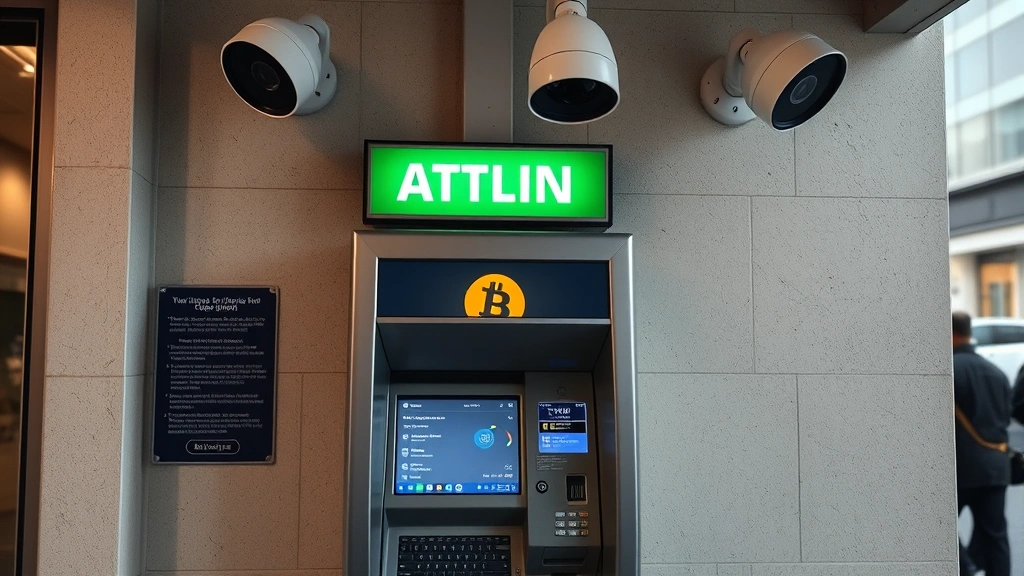
In a significant development for law enforcement and cryptocurrency security, Texas sheriffs have successfully recovered stolen Bitcoin from an ATM retrieval scheme, marking an important milestone in combating crypto-related crimes. This incident underscores the growing intersection of traditional law enforcement and digital asset protection, as criminals increasingly target cryptocurrency infrastructure across the United States.
The recovery operation highlights how local and state law enforcement agencies are adapting their strategies to address cryptocurrency theft and fraud. As cryptocurrency becomes more mainstream, understanding the security vulnerabilities and recovery mechanisms becomes essential for both individual investors and institutional stakeholders. This update provides critical insights into how law enforcement agencies are working to protect digital assets and what it means for the broader cryptocurrency ecosystem.
Details of the Texas Bitcoin Recovery
Texas sheriffs executed a coordinated operation that resulted in the recovery of significant Bitcoin holdings stolen through ATM-based schemes. The operation involved multiple law enforcement agencies working in tandem to track down suspects and recover the digital assets. This type of inter-agency cooperation has become increasingly common as cryptocurrency crimes span jurisdictional boundaries and require specialized knowledge.
The recovery demonstrates that Bitcoin, despite its pseudonymous nature, can be traced and recovered when proper investigative techniques are employed. Law enforcement agencies utilized blockchain analysis tools to track the movement of stolen funds through various wallets and exchanges. This capability represents a significant shift in how traditional law enforcement approaches digital asset crimes, moving beyond conventional investigative methods to embrace technology-driven solutions.
According to reports from CoinDesk, such recoveries are becoming more frequent as agencies develop expertise in blockchain forensics. The Texas case exemplifies how Bitcoin transactions, while difficult to reverse, leave permanent records on the blockchain that can be analyzed by trained professionals. The recovered assets were secured and processed through proper legal channels to ensure chain of custody and admissibility in potential prosecutions.
The incident also involved coordination with cryptocurrency exchanges and wallet providers who assisted in freezing accounts and preventing further movement of stolen funds. This cooperation between law enforcement and private sector cryptocurrency companies has become a critical component of successful recovery operations.

How Bitcoin ATM Theft Occurs
Bitcoin ATMs represent a unique vulnerability in the cryptocurrency ecosystem. Unlike traditional ATMs that dispense fiat currency from secure underground vaults, Bitcoin ATMs function as gateways between digital and physical assets, creating multiple points of vulnerability. Understanding these vulnerabilities is essential for protecting your investments and recognizing potential threats.
Criminals typically target Bitcoin ATMs through several methods. Social engineering represents one common approach, where perpetrators trick users into sending Bitcoin to attacker-controlled wallets by posing as ATM operators or support staff. Another method involves physical tampering with ATM hardware to capture transaction data or redirect funds. Some criminals use stolen payment cards or identity information to conduct unauthorized transactions through these machines.
The appeal of Bitcoin ATMs to criminals lies in their accessibility and the relatively quick conversion between fiat currency and digital assets. Unlike exchanges that require extensive verification procedures and account setup, many Bitcoin ATMs offer faster transactions with minimal identification requirements. This speed advantage makes them attractive targets for theft schemes and money laundering operations.
Transaction manipulation represents another vulnerability. Sophisticated attackers may intercept or redirect transactions at the network level, ensuring that Bitcoin intended for legitimate users ends up in criminal wallets. These attacks often exploit the irreversible nature of blockchain transactions, making recovery difficult without law enforcement intervention and blockchain analysis.
Understanding risk tolerance becomes particularly important when using Bitcoin ATMs, as users must recognize the potential for loss and take appropriate precautions. Educational initiatives about ATM security have become increasingly important as these machines proliferate across the country.
Law Enforcement Response and Tactics
The Texas sheriffs’ operation represents a coordinated law enforcement response that combines traditional investigative techniques with cutting-edge cryptocurrency forensics. This multi-pronged approach has proven effective in disrupting criminal networks that target Bitcoin ATMs and other cryptocurrency infrastructure.
Blockchain analysis has become a cornerstone of modern cryptocurrency investigation. Law enforcement agencies now employ specialized software that tracks Bitcoin transactions across the blockchain, identifying patterns and connections that reveal criminal activity. These tools can follow the movement of stolen funds through multiple wallets and exchanges, creating detailed maps of financial flows that support prosecution efforts.
The Texas case involved cooperation with federal agencies including the FBI and Secret Service, demonstrating how cryptocurrency crimes often require resources beyond local law enforcement capabilities. Federal agencies bring specialized training, advanced forensic tools, and access to intelligence networks that facilitate successful investigations. This vertical integration of law enforcement resources has proven crucial in complex cryptocurrency cases.
Information sharing between law enforcement agencies and cryptocurrency exchanges has accelerated recovery efforts. When suspicious transactions are identified, exchanges can freeze accounts and cooperate with investigators to preserve evidence. This collaboration has created a more hostile environment for criminals attempting to launder stolen Bitcoin through legitimate trading platforms.
Training programs for law enforcement officers have expanded significantly to address cryptocurrency crimes. Agencies now invest in educating investigators about blockchain technology, cryptocurrency wallets, and digital forensics. This knowledge base enables officers to recognize cryptocurrency-related crimes and pursue appropriate investigative avenues.
Security Measures for Bitcoin ATM Users
Protecting yourself when using Bitcoin ATMs requires awareness of potential threats and implementation of practical security measures. The Texas recovery case provides valuable lessons about the vulnerabilities users face and how to mitigate them.
First, verify the legitimacy of Bitcoin ATM operators before conducting transactions. Research the company operating the machine, check reviews and complaints, and confirm that the ATM is registered with appropriate regulatory bodies. Fraudulent ATMs may be installed by criminals specifically to capture transaction information or redirect funds.
Never share your private keys or recovery phrases with anyone, regardless of their claimed authority. Legitimate Bitcoin ATM operators and law enforcement will never request this sensitive information. If someone claims to be from technical support and asks for these details, it is almost certainly a scam.
Use hardware wallets to store significant Bitcoin holdings rather than relying on exchange wallets or ATM-associated accounts. Hardware wallets provide enhanced security by keeping private keys offline and away from potential network-based attacks. This portfolio tracking approach ensures that even if an ATM transaction is compromised, your broader holdings remain secure.
Monitor your transaction history carefully and report suspicious activity immediately. Most cryptocurrency exchanges and wallet providers offer transaction monitoring tools that alert users to unusual account activity. Early detection of unauthorized transactions can sometimes enable reversal before funds are irretrievably lost.
Consider using Bitcoin ATMs primarily for small transactions and avoid conducting large transfers through these machines. The higher-value the transaction, the greater the incentive for criminals to target it. Reserve Bitcoin ATMs for convenience transactions and use more secure methods like established exchanges for significant purchases or sales.
Educate yourself about common scams targeting Bitcoin ATM users, including QR code switching, where criminals replace legitimate QR codes with codes directing funds to their wallets. Verify QR codes by comparing them to official documentation before scanning.
Implications for Cryptocurrency Security
The Texas sheriffs’ recovery operation carries significant implications for the broader cryptocurrency ecosystem and how security is approached at both institutional and individual levels. This incident demonstrates that law enforcement capabilities are evolving faster than many realize, potentially deterring some criminals while encouraging others to develop more sophisticated techniques.
The success of blockchain analysis in recovering stolen Bitcoin suggests that pseudonymity, while valuable for privacy-conscious users, does not provide the anonymity that some criminals assume. This reality may prompt changes in how criminals attempt to launder stolen cryptocurrency, potentially shifting targets toward privacy-focused coins or more complex money laundering schemes.
For legitimate cryptocurrency users, the recovery highlights the importance of calculating investment returns and protecting assets through proper security practices. The incident reinforces that while the blockchain itself is secure, the interfaces through which users access Bitcoin—including ATMs—can present vulnerabilities.
Regulatory implications also emerge from successful recovery operations. Law enforcement success may accelerate regulatory initiatives aimed at requiring Bitcoin ATM operators to implement stronger identity verification procedures and security measures. These regulations could reduce accessibility for some users while improving overall security for the ecosystem.
The incident also underscores the importance of cooperation between government agencies and private cryptocurrency companies. As both sectors continue developing expertise in cryptocurrency security, collaborative frameworks will likely expand, creating more robust protective mechanisms.
Insurance products specifically designed to cover cryptocurrency losses may become more prevalent and affordable as law enforcement demonstrates capability to recover stolen assets. This development could reduce the perceived risk of cryptocurrency holdings for institutional investors.
Future of Digital Asset Protection
The trajectory of cryptocurrency security suggests that future protection mechanisms will combine technological innovation with improved law enforcement capabilities and regulatory frameworks. The Texas case represents a milestone in this evolution, demonstrating that the current ecosystem can successfully address major theft incidents.
Technological solutions are advancing rapidly. Multi-signature wallets require multiple parties to authorize transactions, reducing the risk that a single compromised key can result in fund loss. Cold storage solutions keep private keys completely offline, eliminating exposure to network-based attacks. These technologies continue improving and becoming more user-friendly.
Regulatory frameworks are developing to establish standards for cryptocurrency service providers, including Bitcoin ATM operators. Enhanced know-your-customer (KYC) and anti-money-laundering (AML) requirements are becoming standard across legitimate platforms, making it more difficult for criminals to operate openly.
According to SEC guidance, institutional adoption of cryptocurrency continues despite security concerns. As major institutions enter the market, they bring sophisticated security infrastructure and risk management practices that raise overall ecosystem standards.
Law enforcement agencies continue expanding their cryptocurrency investigation capabilities. Training programs, specialized units, and international cooperation frameworks are all expanding. This professionalization of cryptocurrency law enforcement suggests that future crimes will face more determined and capable opposition.
Looking at cryptocurrency predictions for 2025 and beyond, security will likely remain a central concern alongside price performance. As adoption increases, security infrastructure must scale proportionally to protect user assets.
Blockchain technology itself continues evolving to address security concerns. Layer 2 solutions, improved consensus mechanisms, and enhanced privacy protocols are all under active development. These innovations will provide users with more options for securing their digital assets according to their specific needs and risk profiles.
International cooperation in cryptocurrency law enforcement is expanding through initiatives like the Financial Action Task Force (FATF), which develops standards for combating cryptocurrency-related financial crimes. These global frameworks will create more consistent security and regulatory standards across jurisdictions.
FAQ
How do law enforcement agencies recover stolen Bitcoin?
Law enforcement uses blockchain analysis tools to track the movement of stolen Bitcoin across the blockchain. By identifying patterns and following transactions through multiple wallets and exchanges, investigators can determine where stolen funds are located. They then work with exchanges and wallet providers to freeze accounts and prevent further movement of assets. Once located, proper legal procedures ensure the recovered Bitcoin is secured and eventually returned to victims or processed as evidence.
Can Bitcoin transactions be reversed?
Bitcoin transactions are generally irreversible once confirmed on the blockchain. This immutability is a core feature of blockchain technology, providing security and preventing double-spending. However, law enforcement can sometimes prevent completed transactions by freezing exchange accounts before stolen Bitcoin is withdrawn as fiat currency. Recovery in these cases involves legal proceedings rather than technical transaction reversal.
Are Bitcoin ATMs safe to use?
Bitcoin ATMs can be safe when used properly and with appropriate precautions. Verify the legitimacy of the ATM operator, use small transactions, and never share private keys with anyone. However, ATMs do present vulnerabilities compared to established exchanges, so they should be used primarily for convenience rather than storing significant holdings.
What should I do if my Bitcoin is stolen?
Report the theft to law enforcement immediately, providing transaction details and wallet information. Contact the exchange or service where the theft occurred and alert them to suspicious activity. Document everything about the incident. While recovery is not guaranteed, law enforcement has successfully recovered stolen Bitcoin in many cases using blockchain analysis.
How can I protect my Bitcoin from theft?
Use hardware wallets for significant holdings, implement strong passwords and two-factor authentication, verify all transactions before confirming, and educate yourself about common scams. Avoid conducting large transactions through ATMs, and never share recovery phrases or private keys with anyone claiming to represent legitimate services.
What role do cryptocurrency exchanges play in law enforcement recovery?
Exchanges are critical partners in cryptocurrency crime investigations. They can freeze suspicious accounts, preserve transaction records, and cooperate with law enforcement to prevent stolen Bitcoin from being converted to fiat currency. This cooperation has become standard practice among legitimate exchanges and significantly enhances recovery prospects.


