Margo Bitcoin ATM: Is It Trustworthy? User Reviews and Analysis
Bitcoin ATMs have become increasingly popular as entry points for cryptocurrency adoption, offering convenience for users who want to buy or sell digital assets quickly. Among the various Bitcoin ATM operators, Margo Bitcoin ATM has gained attention in the crypto community, but questions about reliability, fees, and security remain common concerns for potential users. This comprehensive guide examines user reviews, trustworthiness factors, and what you need to know before using a Margo Bitcoin ATM.
As the cryptocurrency market continues to evolve and Bitcoin prices fluctuate, understanding the platforms and physical infrastructure available for trading becomes crucial. Bitcoin ATMs serve as bridges between traditional finance and the digital asset space, but not all operators maintain the same standards of service, security, and transparency. This article provides an in-depth analysis of Margo Bitcoin ATM based on user feedback, operational practices, and industry comparisons.
What is Margo Bitcoin ATM?
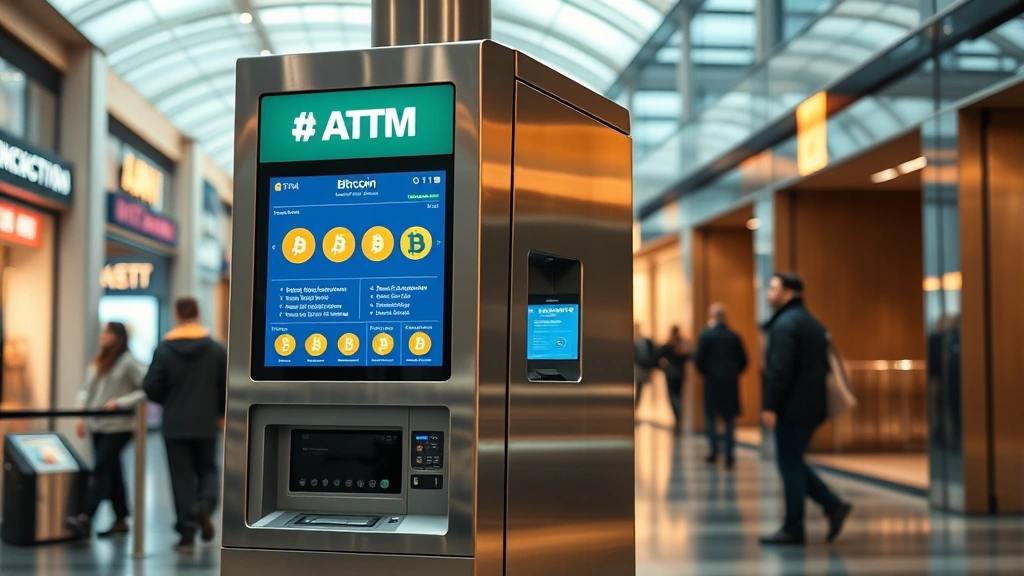
Margo Bitcoin ATM is a cryptocurrency ATM service that allows users to buy and sell Bitcoin and other digital assets at physical kiosk locations. The platform operates in multiple jurisdictions and provides an alternative to traditional cryptocurrency exchanges for users who prefer in-person transactions or lack access to reliable online trading platforms.
The service targets both cryptocurrency beginners and experienced traders who value the convenience of quick transactions without the need for extensive account verification on digital platforms. Margo positions itself as a user-friendly solution for converting fiat currency to cryptocurrency and vice versa. However, like all financial services operating in the cryptocurrency space, it operates within a complex regulatory landscape that varies by jurisdiction.
Understanding the operational model of Margo Bitcoin ATM is essential before using their services. The company claims to prioritize customer security and compliance with local regulations, though the extent of these protections varies by location. Users should verify whether Margo ATMs in their area comply with local anti-money laundering (AML) and know-your-customer (KYC) requirements, which have become increasingly stringent globally.
User Reviews and Ratings
Analyzing user reviews provides valuable insights into the actual experience of Margo Bitcoin ATM customers. Across various review platforms, the service receives mixed ratings, with scores typically ranging from 2 to 4 out of 5 stars, depending on the specific location and transaction type.
Positive User Feedback: Many users appreciate the convenience factor of Margo Bitcoin ATMs, particularly those who prefer not to navigate complex online exchanges. Customers frequently praise the speed of transactions, with most Bitcoin purchases completing within minutes. Users also commend the availability of multiple locations in certain areas, reducing travel time for transactions. Some reviewers highlight that Margo’s interface is relatively intuitive for beginners, making the first cryptocurrency purchase less intimidating.
Several users note that Margo ATMs have improved their service quality over time, with faster processing times and more reliable machines in recent months. Those who have used multiple Bitcoin ATM providers often rank Margo favorably compared to competitors in terms of user experience and customer support responsiveness.
Negative User Feedback: Critical reviews frequently mention high transaction fees, which can range from 5% to 15% depending on the transaction type and location. This significantly impacts the overall value proposition, especially for larger transactions. Users also complain about occasional machine malfunctions, with some reporting that ATMs became unresponsive during transactions or displayed incorrect exchange rates.
Privacy concerns appear in several reviews, with users questioning data storage practices and what information Margo retains after transactions. Some customers experienced delayed refunds when transactions failed, with support tickets taking days or weeks to resolve. A notable complaint involves inconsistent exchange rates across different machines, suggesting potential price manipulation or outdated rate feeds.
Fee Structure and Costs
Understanding Margo Bitcoin ATM’s fee structure is critical for calculating the true cost of your transactions. The fees charged can significantly impact whether using an ATM is cost-effective compared to alternatives.
Transaction Fees: Margo typically charges between 5% and 15% per transaction, with rates varying based on several factors including transaction amount, location, and market conditions. Buying Bitcoin usually incurs higher fees than selling, a common practice across the industry. Some locations offer tiered pricing, where larger transactions receive slightly better rates, though the savings are often minimal.
Network Fees: Beyond Margo’s commission, users must account for blockchain network fees (also called miner fees) when withdrawing Bitcoin. These fees fluctuate based on network congestion and can add another 1-5% to your total cost during peak trading periods. When Bitcoin price predictions suggest volatility, network congestion often increases, raising these fees further.
Hidden Costs: Some users report unexpected charges that weren’t clearly disclosed before transaction completion. ATM screens sometimes display final amounts only after the transaction is initiated, leaving users with limited options to cancel without penalty. Currency exchange fees may apply if the ATM operates in a different currency than your local fiat currency.
Comparing Margo’s fees with major cryptocurrency exchanges like Coinbase (typically 1-4% for similar transactions) or Kraken (0.16-0.26% maker/taker fees) reveals that ATM services command a significant premium for convenience. However, for users prioritizing speed and anonymity over cost, this premium may be acceptable.
Security and Compliance
Security remains paramount when dealing with cryptocurrency transactions and financial services. Evaluating Margo Bitcoin ATM’s security measures and regulatory compliance is essential before entrusting your funds.
Regulatory Compliance: Margo Bitcoin ATM operates under varying regulatory frameworks depending on jurisdiction. In the United States, Bitcoin ATM operators must comply with FinCEN regulations and state-level money transmitter laws. The company claims to implement KYC procedures requiring identity verification for transactions above certain thresholds, typically $1,000-$3,000 depending on location.
However, enforcement of these standards appears inconsistent across different Margo locations. Some users report completing transactions with minimal identity verification, raising questions about whether all machines meet regulatory requirements. This inconsistency could expose users in stricter jurisdictions to potential legal complications.
Machine Security: Physical security of the ATM machines themselves is crucial. Margo machines feature standard security measures including surveillance cameras, secure cash compartments, and encrypted communication channels. However, no Bitcoin ATM is completely immune to physical tampering or skimming attacks, where criminals install devices to steal payment card information.
Cryptocurrency Security: When you purchase Bitcoin through Margo, the cryptocurrency is typically sent directly to a wallet address you provide. Margo doesn’t hold your Bitcoin long-term, reducing their custodial risk but placing responsibility on users to secure their wallet addresses correctly. Entering an incorrect wallet address during a transaction results in permanent loss of funds, as blockchain transactions are irreversible.
Margo’s cold storage practices for their operational funds are not publicly detailed, making it difficult to assess how well they protect cryptocurrency reserves used to fulfill customer purchase requests.
How to Use Margo Bitcoin ATM
Using a Margo Bitcoin ATM involves several steps that differ slightly from online exchanges but remain relatively straightforward for most users.
Step-by-Step Process: First, locate a nearby Margo Bitcoin ATM using their website or mobile app. Upon arriving at the machine, select whether you want to buy or sell Bitcoin. For purchases, you’ll enter the amount of fiat currency you wish to spend, typically ranging from $20 to $5,000 per transaction, though limits vary by location and machine.
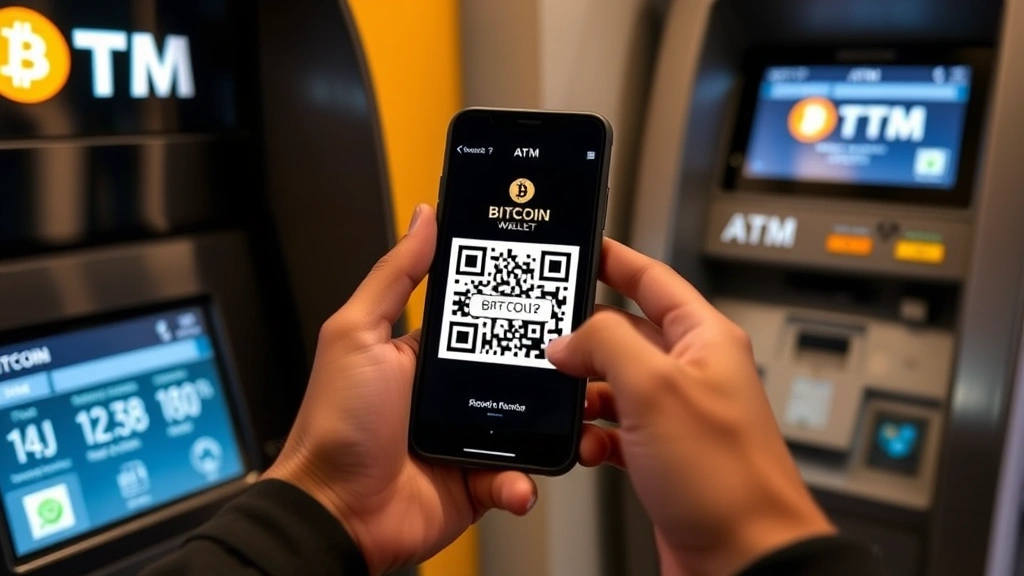
Next, you’ll need to provide a destination wallet address where your Bitcoin will be sent. This is critical—double and triple-check this address, as sending Bitcoin to an incorrect address means permanent loss. The machine will display a QR code you can scan with your wallet app or allow you to type the address directly.
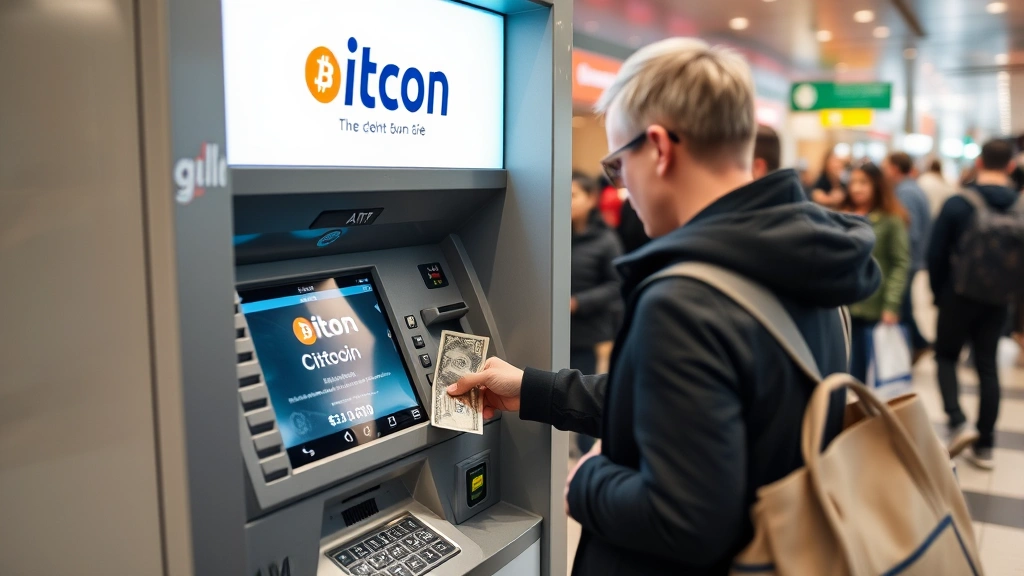
Payment methods accepted at Margo ATMs typically include cash and debit cards, with some locations accepting credit cards. After inserting cash or swiping your card, you’ll confirm the transaction details including the final amount you’ll receive after fees. The machine will process your payment, and your Bitcoin should arrive in your wallet within minutes, though blockchain confirmation may take longer during network congestion.
For selling Bitcoin, the process reverses. You’ll scan a QR code to send your Bitcoin to a Margo wallet address, wait for confirmation, and receive fiat currency from the machine’s cash dispenser.
Comparison with Competitors
The Bitcoin ATM market includes several operators, each with distinct advantages and disadvantages. Comparing Margo with major competitors helps contextualize its position in the industry.
Coinbase ATM Network: Coinbase operates one of the largest Bitcoin ATM networks, integrated with their exchange platform. Fees typically range from 7-8%, slightly lower than Margo’s average. Coinbase’s integration with their exchange means users can manage transactions through a familiar app interface. However, Coinbase ATMs are less widely available in some regions.
Bitcoin Depot: Another major operator, Bitcoin Depot, charges similar fees to Margo (5-15%) but reports better customer service ratings. Their machines often feature more modern technology and faster transaction processing. Bitcoin Depot has expanded aggressively into new markets, sometimes offering promotional rates for first-time users.
Athena Bitcoin: Athena operates thousands of machines globally with competitive fees around 6-10%. They’ve invested heavily in machine reliability and customer support infrastructure. However, availability varies significantly by region, with sparse coverage in rural areas.
When analyzing Bitcoin technical analysis, ATM prices should theoretically track exchange prices closely, though ATM operators maintain some pricing discretion. Margo’s pricing competitiveness varies by location, with some machines offering better rates than competitors while others lag significantly.
Common Issues and Complaints
Reviewing common problems experienced by Margo Bitcoin ATM users reveals patterns that potential customers should understand.
Transaction Failures: Users report occasional transaction failures where Bitcoin is not received despite payment being processed. Resolving these issues requires contacting Margo support, a process that can take days or weeks. Some customers report never receiving compensation or Bitcoin for failed transactions.
Incorrect Exchange Rates: Several complaints mention machines displaying one exchange rate during transaction initiation but applying a different, less favorable rate at completion. This practice, sometimes called “rate lock,” should be clearly disclosed but often isn’t obvious to users unfamiliar with ATM operations.
Machine Malfunctions: Physical machines occasionally malfunction, becoming unresponsive or displaying error messages that prevent transactions. While Margo’s support team typically addresses these issues, customers arriving at broken machines experience frustration and wasted travel time.
Withdrawal Limits: Some locations impose strict withdrawal limits that prevent users from conducting larger transactions, even if they’re willing to pay additional fees. These limits may be set by Margo or by the physical locations hosting the machines.
Identity Verification Delays: Users requiring enhanced identity verification report that the process can be time-consuming and intrusive. Some machines require uploading government ID photos and selfies, creating additional friction and privacy concerns.
Understanding these issues helps users set realistic expectations and determine whether Margo Bitcoin ATM’s convenience justifies these potential frustrations compared to alternatives.
For those considering cryptocurrency investments, understanding all available acquisition methods is important. Whether you’re concerned about Bitcoin holders capitulation or seeking to build your portfolio, evaluating transaction methods thoroughly ensures you make informed decisions aligned with your financial goals.
Trustworthiness Assessment: Based on comprehensive review analysis, Margo Bitcoin ATM presents a mixed trustworthiness profile. The company appears to operate legitimately within regulatory frameworks and maintains basic security standards. However, the high fees, inconsistent service quality across locations, and occasional customer service failures prevent it from being considered a premium service option.
Margo is most trustworthy for users prioritizing convenience and speed over cost optimization. If you’re making small purchases and value the ability to acquire Bitcoin quickly without navigating complex online platforms, Margo provides adequate service. However, if you’re cost-conscious or conducting large transactions, exploring alternatives or using online exchanges with lower fees would be prudent.
The company’s regulatory compliance appears generally adequate, though location-specific variations exist. Users in jurisdictions with strict cryptocurrency regulations should verify that their local Margo ATM meets all applicable requirements before conducting transactions.
For investors tracking cryptocurrency market movements, services like Bitcoin price change notification services complement physical ATM usage by keeping you informed of optimal buying moments. Combining real-time price alerts with ATM access creates a more strategic acquisition approach.
Before using any Margo Bitcoin ATM, research reviews specific to your local machine, verify current fee rates, and confirm regulatory compliance in your jurisdiction. Compare total costs including blockchain network fees against online exchange alternatives to ensure you’re making the most economical choice for your circumstances.
Final Recommendation: Margo Bitcoin ATM is trustworthy for basic Bitcoin transactions but shouldn’t be your primary acquisition method if cost efficiency matters. Use it for convenience purchases when online platforms are unavailable or when you specifically need immediate physical cash conversion. For regular or large-volume Bitcoin acquisition, online exchanges offer superior fee structures and more transparent pricing.
If you’re interested in understanding broader market dynamics affecting Bitcoin pricing, learning how to calculate investment returns helps contextualize whether ATM-acquired Bitcoin meets your financial objectives given the premium fees charged.
FAQ
Is Margo Bitcoin ATM safe to use?
Margo Bitcoin ATM implements standard security measures including surveillance and encrypted transactions. However, safety depends on your personal security practices, particularly ensuring wallet addresses are correct before confirming transactions. The company maintains regulatory compliance in most jurisdictions, making it reasonably safe compared to unregulated operators.
What are typical Margo Bitcoin ATM fees?
Margo typically charges 5-15% per transaction, with buying fees generally higher than selling fees. Location, transaction amount, and current market conditions influence exact rates. Always verify fees on the specific machine before completing your transaction.
How long does a Margo Bitcoin ATM transaction take?
Most transactions complete within 5-15 minutes at the machine itself. However, blockchain confirmation may take longer during network congestion. Your Bitcoin should appear in your wallet within an hour for most transactions, though network delays can extend this period.
What payment methods does Margo accept?
Margo Bitcoin ATMs typically accept cash and debit cards at most locations. Some machines accept credit cards, though this varies by location. Verify accepted payment methods at your specific machine before visiting.
Can I remain anonymous using Margo Bitcoin ATM?
Complete anonymity is increasingly difficult as regulatory requirements mandate identity verification for transactions above certain thresholds. While Margo may allow small transactions with minimal verification, larger purchases typically require government ID verification to comply with AML regulations.
What should I do if my Margo transaction fails?
Contact Margo customer support immediately with your transaction details and receipt information. Document the failure with photos if possible. While the company typically resolves issues, the process can take days or weeks, and compensation isn’t guaranteed for all failures.
How does Margo’s pricing compare to online exchanges?
Margo’s 5-15% fees significantly exceed online exchange fees, which typically range from 0.5-4%. However, Margo offers speed and convenience that online platforms cannot match, justifying the premium for some users.
Is Margo Bitcoin ATM regulated?
Margo operates within regulatory frameworks in jurisdictions where it conducts business, complying with money transmitter laws and AML/KYC requirements. However, regulatory oversight varies by location, so verify compliance in your specific jurisdiction.


