
Bitcoin Surge? Google Trends Insights and What They Really Mean
Google Trends has become an increasingly valuable tool for cryptocurrency investors and analysts seeking to understand market sentiment and identify potential price movements. By analyzing search volume patterns, interest spikes, and regional data, traders and researchers can gain deeper insights into how public interest in Bitcoin fluctuates over time. This data-driven approach helps separate genuine market momentum from hype-driven speculation, providing a more nuanced understanding of Bitcoin’s market dynamics.
The relationship between Google search trends and Bitcoin price movements has fascinated both retail investors and institutional analysts for years. When Bitcoin search volume surges on Google, it often coincides with significant price volatility, media coverage, and increased retail investor participation. Understanding these patterns can help you make more informed decisions about timing your entries and exits in the cryptocurrency market.

Understanding Google Trends for Bitcoin
Google Trends is a free tool that displays the relative search volume for specific keywords over time. For Bitcoin enthusiasts and investors, this platform offers a window into public interest and awareness levels. The tool normalizes data on a scale of 0-100, where 100 represents peak search interest for a given term during a selected time period.
When you search for “Bitcoin” on Google Trends, you’ll notice dramatic spikes corresponding to major market events—bull runs, regulatory announcements, or celebrity endorsements. These spikes indicate periods when mainstream audiences turn to Google seeking information about Bitcoin, suggesting increased retail investor interest and potential market entry points for newcomers.
The beauty of Google Trends lies in its accessibility and real-time nature. Unlike traditional financial indicators that require complex calculations or paid subscriptions, anyone can access Google Trends data instantly. This democratization of market sentiment analysis has made it a popular supplementary tool for understanding Bitcoin’s broader appeal and adoption trajectory.
Several factors influence Bitcoin search volume on Google. Major price rallies naturally trigger curiosity among non-crypto natives. Media coverage, whether positive or negative, drives search behavior. Regulatory announcements from governments or financial institutions also spike interest. Additionally, seasonal patterns and holiday periods can affect overall search volume trends across all categories, including cryptocurrency.
Historical Bitcoin Search Patterns
Examining Bitcoin’s Google Trends history reveals fascinating cyclical patterns. The first major search surge occurred in late 2017, when Bitcoin approached $20,000 for the first time. This period saw unprecedented mainstream media attention and retail investor FOMO (fear of missing out). Search volume reached all-time highs as inexperienced investors rushed to understand and purchase Bitcoin.
Following the 2017-2018 bear market, Bitcoin search interest declined substantially for several years. This period, often called the “crypto winter,” saw reduced mainstream attention despite continued development and institutional interest. Interestingly, during this quiet period, serious Bitcoin adoption and infrastructure development accelerated, suggesting that Google Trends captures retail interest more than professional market activity.
The 2020-2021 bull cycle produced another massive search volume spike. This surge coincided with institutional adoption, corporate treasury allocation announcements, and the COVID-19 pandemic’s impact on monetary policy. Major companies like Tesla and Square announced Bitcoin holdings, triggering renewed mainstream curiosity and driving search volume to near-2017 levels.
Recent trends show sustained interest in Bitcoin compared to the 2018-2019 period, though volatility remains. The emergence of Bitcoin ETFs, regulatory clarity in certain jurisdictions, and growing institutional involvement have created a more stable baseline of search interest. This shift suggests Bitcoin is transitioning from speculative asset to mainstream financial instrument.
Understanding these historical patterns helps investors recognize where we are in the current cycle. By comparing current search trends to previous peaks and troughs, you can contextualize present market sentiment and identify whether current interest levels suggest early-stage rallies or mature bull markets approaching correction.
Correlation Between Trends and Price Movements
Research has demonstrated a measurable correlation between Bitcoin Google search volume and price movements, though the relationship isn’t perfectly predictive. When search volume increases sharply, it typically indicates retail investor entry, which can fuel short-term price rallies. Conversely, declining search interest often precedes price corrections as enthusiasm wanes.
However, this correlation becomes more complex when examining longer timeframes. Sometimes search volume spikes represent capitulation selling—panicked investors searching for “why is Bitcoin crashing?”—rather than bullish sentiment. This distinction is crucial for traders using Google Trends as a market timing tool. The context and nature of the searches matter as much as the volume itself.
A 2022 study published by crypto research firms found that extreme Google search volume (both peaks and troughs) often preceded significant price reversals. When search interest reached 90+ on the trending scale, subsequent weeks frequently saw price consolidation or minor corrections. Conversely, when search volume dropped to historic lows, prices often bottomed within weeks, suggesting capitulation had occurred.
Check your Bitcoin Price Prediction May 2025 analysis and compare it against current Google Trends data to validate predictions. This cross-referencing approach combines technical analysis with sentiment data, providing a more comprehensive market view.
The predictive power of Google Trends varies significantly based on market conditions. During strong bull markets, search volume tends to lag price movements—by the time retail investors are searching for Bitcoin information, prices have already risen substantially. During bear markets, search volume often leads price declines as investors seek reassurance and exit strategies.
For how to day trade Bitcoin, understanding these sentiment shifts becomes essential. Day traders can use Google Trends as a supplementary indicator to confirm momentum shifts detected through technical analysis. When search volume and price movements align, conviction in the trade direction increases.
Regional Interest Variations
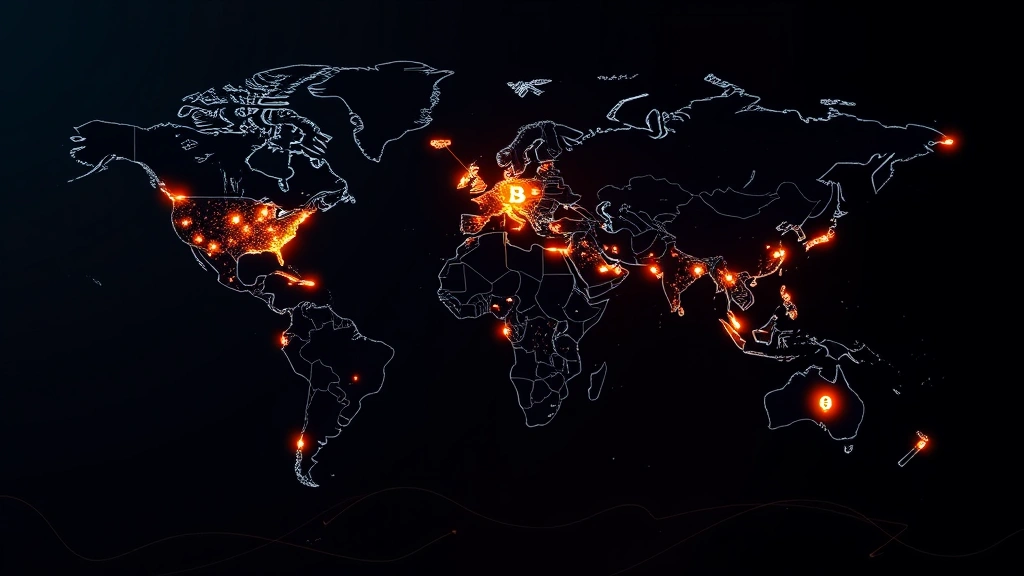
Google Trends provides granular geographic data showing which regions search for Bitcoin most frequently. This information reveals where adoption is accelerating and where regulatory environments may be encouraging or discouraging interest. El Salvador, for instance, showed a dramatic spike in Bitcoin searches following the country’s adoption of Bitcoin as legal tender.
Developed markets like the United States, United Kingdom, and Germany consistently show high absolute search volumes, reflecting large populations and internet penetration. However, relative interest (adjusted for population) sometimes shows surprising patterns. Some emerging markets demonstrate disproportionately high Bitcoin interest, suggesting younger populations and those seeking alternatives to unstable local currencies drive searches.
Nigeria, for example, has consistently ranked among the top countries for Bitcoin searches relative to population. This interest stems from factors including currency instability, limited banking access, and a young, tech-savvy population. Similarly, countries experiencing high inflation or currency devaluation often show elevated Bitcoin search interest as citizens explore alternative stores of value.
Understanding regional variations helps investors recognize emerging markets where Bitcoin adoption may accelerate. When search interest begins rising in previously low-interest regions, it may signal expanding addressable markets and growing institutional recognition in those areas. This geographic data can inform longer-term investment theses about Bitcoin’s global adoption trajectory.
Regional interest data also reveals timing differences in bull and bear cycles. Some regions lag others in recognizing market trends, creating potential arbitrage opportunities for informed traders. By monitoring regional search patterns, sophisticated investors can anticipate which markets may drive the next wave of adoption-driven demand.
Using Google Trends for Trading Strategy
Incorporating Google Trends into your trading strategy requires careful methodology and realistic expectations. Rather than relying solely on search volume, use Google Trends as a confirming indicator alongside technical analysis and fundamental research. This multi-factor approach reduces false signals and improves decision quality.
One effective strategy involves comparing Bitcoin search volume trends to related financial assets. When Bitcoin searches spike while traditional assets searches decline, it suggests capital rotation into cryptocurrency. This pattern can indicate the beginning of a risk-on market environment favoring speculative assets. Conversely, when Bitcoin interest declines while safe-haven assets gain searches, risk-off sentiment may be developing.
Another approach uses Google Trends to identify market extremes. Historically, when Bitcoin search interest reaches 95+ on the trending scale, markets have often been overheated, suggesting caution for new entrants. When search interest drops to 10-20, capitulation may be complete, creating contrarian buying opportunities for investors understanding their risk tolerance.
Set up Google Alerts for Bitcoin-related keywords and monitor trending searches in your geographic region. When “Bitcoin crash,” “Bitcoin regulation,” or “Bitcoin scam” trend, it indicates negative sentiment and potential selling pressure. Conversely, when “Bitcoin investment,” “how to buy Bitcoin,” or “Bitcoin adoption” trend, bullish sentiment is building.
Combine Google Trends analysis with analysis of whether Bitcoin might crash based on technical indicators. When both sentiment (Google Trends) and technical analysis align, conviction in your trading thesis increases. This convergence approach minimizes false signals that occur when only one indicator suggests a direction change.
For portfolio management, use Google Trends to inform asset allocation decisions. When retail interest spikes dramatically, consider taking some profits or reducing exposure, as these peaks often precede corrections. When interest wanes despite stable or rising prices, accumulation may be occurring, suggesting patient buying could be rewarded.
Monitor Bitcoin searches alongside related terms like “cryptocurrency regulation,” “blockchain technology,” and “digital currency.” When broader cryptocurrency and blockchain searches rise proportionally to Bitcoin searches, it suggests genuine technology interest and adoption. When Bitcoin searches spike disproportionately, it may indicate pure speculation.
Limitations and Considerations
While Google Trends provides valuable sentiment insights, important limitations warrant acknowledgment. Search volume captures only Google searches, excluding other major search engines like Baidu, Yandex, and regional platforms. For a complete picture of global search interest, you’d need to supplement Google Trends with data from these alternative sources.
Additionally, Google Trends data lacks granularity regarding searcher intent. A spike in “Bitcoin” searches might represent genuine interest from potential investors, or simply curious onlookers, journalists researching articles, or existing investors monitoring prices. Without intent classification, you’re interpreting volume alone, which can be misleading.
The tool’s normalization methodology also presents challenges. Google Trends displays relative rather than absolute search volume, making year-over-year comparisons tricky. A search score of 50 today doesn’t represent the same absolute volume as a score of 50 five years ago, given the growth of internet users and cryptocurrency awareness.
Algorithmic changes, bot activity, and VPN usage can distort Google Trends data. Some researchers and traders use automated tools to artificially inflate search volumes, potentially skewing data. Additionally, VPN usage obscures true geographic origins of searches, affecting regional analysis reliability.
Google Trends should never be your sole decision-making tool. Combine it with Bitcoin price prediction analysis, on-chain metrics, regulatory news, and technical analysis. A diversified analytical approach reduces reliance on any single indicator and improves decision quality.
Consider that institutional investors and professional traders rarely use Google Trends for decision-making, as they access more sophisticated sentiment analysis tools and proprietary data. This means Google Trends primarily reflects retail sentiment, which is valuable but represents only part of the market. Institutional moves often contradict retail sentiment, creating profitable opportunities for contrarian traders.
Finally, remember that correlation doesn’t imply causation. Even if Bitcoin searches and prices correlate historically, this relationship may break down unexpectedly due to changing market structure, regulatory developments, or technological innovations. Always maintain healthy skepticism toward any single analytical tool.
FAQ
What does a high Google Trends score for Bitcoin indicate?
A high Google Trends score (80+) indicates elevated public interest and searches for Bitcoin. This typically correlates with price volatility, media coverage, and retail investor activity. However, high scores can indicate both bullish interest (“how to buy Bitcoin”) and bearish panic (“Bitcoin crash”). Context matters more than the score itself.
Can Google Trends predict Bitcoin price movements?
Google Trends shows some correlation with Bitcoin price movements, but it’s not reliably predictive on its own. It works best as a confirming indicator alongside technical analysis and fundamental research. Extreme search volumes (very high or very low) have historically preceded reversals more reliably than moderate levels.
How often should I check Bitcoin Google Trends data?
Check Google Trends data weekly for longer-term trend analysis or daily during volatile market periods. Daily monitoring can help identify emerging sentiment shifts, while weekly reviews provide clearer trend direction without noise from daily fluctuations.
Which Bitcoin-related searches are most meaningful?
Searches like “Bitcoin price,” “buy Bitcoin,” and “Bitcoin news” indicate genuine interest. Searches like “Bitcoin crash,” “Bitcoin scam,” or “is Bitcoin dead” indicate negative sentiment. Combining multiple search terms provides better context than monitoring single keywords.
How does Bitcoin Google Trends data compare to other cryptocurrencies?
Bitcoin typically dominates Google searches relative to other cryptocurrencies, reflecting its market dominance and mainstream recognition. Comparing Bitcoin search trends to Ethereum or other altcoins can reveal whether interest is broadening to other cryptocurrencies or remaining concentrated on Bitcoin.
What external factors most influence Bitcoin search volume?
Major price movements, regulatory announcements, media coverage, celebrity endorsements, and macroeconomic events most significantly influence Bitcoin search volume. Seasonal factors and holiday periods also affect overall search activity across all categories.
Can I use Google Trends for other cryptocurrencies?
Yes, Google Trends works for any cryptocurrency. However, search volumes are typically much lower for altcoins, creating noisier data. Bitcoin’s established market position and mainstream recognition make its Google Trends data more reliable than smaller cryptocurrencies.


