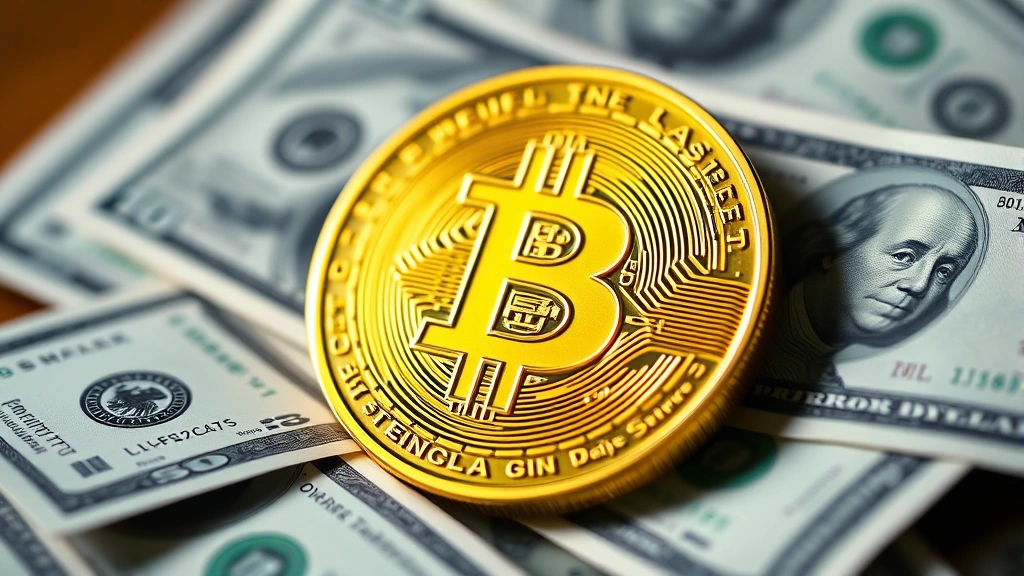
Dollar to Bitcoin: Exchange Rate Insights 2023
The dollar to bitcoin exchange rate in 2023 represented one of the most significant narratives in cryptocurrency markets, reflecting broader macroeconomic shifts, institutional adoption, and evolving regulatory landscapes. Throughout 2023, Bitcoin’s valuation against the US dollar experienced substantial volatility, ranging from lows near $16,500 to peaks exceeding $44,000, demonstrating the dynamic nature of crypto-fiat currency conversions. Understanding these exchange rate movements requires examining the underlying factors that influence Bitcoin pricing, including Federal Reserve policy, inflation concerns, institutional investment flows, and global economic uncertainty.
2023 marked a pivotal year for Bitcoin’s legitimacy as institutional money began flowing into the cryptocurrency space at unprecedented scales. The anticipation of spot Bitcoin ETFs, geopolitical tensions affecting traditional markets, and macroeconomic pressures on traditional assets created conditions where investors increasingly viewed Bitcoin as a potential hedge against currency devaluation. This article explores the comprehensive factors affecting dollar-to-bitcoin exchange rates throughout 2023, providing investors with the context needed to understand Bitcoin’s price movements and make informed decisions about cryptocurrency exposure.
Factors Affecting Dollar to Bitcoin Exchange Rates
The dollar to bitcoin exchange rate fluctuates based on multiple interconnected factors that create the foundation for price discovery in cryptocurrency markets. Understanding these variables is essential for anyone seeking to comprehend Bitcoin’s valuation or participate in trading. The exchange rate itself is determined through supply and demand dynamics on global exchanges, where millions of transactions occur daily, converting fiat currency into digital assets and vice versa.
Federal Reserve monetary policy represents one of the most influential factors affecting dollar strength and consequently Bitcoin’s dollar-denominated price. When the Federal Reserve raises interest rates, the US dollar typically strengthens as investors seek higher returns on dollar-denominated assets, potentially reducing Bitcoin’s appeal as an alternative store of value. Conversely, periods of monetary easing or lower interest rates tend to weaken the dollar, making Bitcoin more attractive to investors seeking to preserve purchasing power. Throughout 2023, the Fed’s decisions regarding the terminal interest rate directly correlated with Bitcoin price movements, as markets reacted to inflation data and policy announcements.
Inflation expectations significantly influence the dollar-to-bitcoin exchange rate, as Bitcoin advocates promote it as a hedge against currency debasement. When inflation remains elevated, institutional and retail investors increasingly allocate capital to Bitcoin as a means of protecting wealth against the declining purchasing power of fiat currencies. The Consumer Price Index and Producer Price Index announcements regularly triggered Bitcoin volatility in 2023, as market participants reassessed the need for inflation hedges based on newly released economic data.
Regulatory developments and legal clarity surrounding cryptocurrency usage directly affect investor confidence and Bitcoin demand. Positive regulatory announcements, such as BlackRock’s Bitcoin ETF announcements, typically strengthen Bitcoin’s dollar valuation by signaling mainstream acceptance. Conversely, regulatory crackdowns or restrictive government policies in major economies can suppress Bitcoin demand and weaken its exchange rate against the dollar.
Global geopolitical tensions and economic uncertainty drive investors toward alternative assets like Bitcoin, which operates outside traditional financial systems. During periods of conflict, sanctions, or international instability, Bitcoin often experiences increased demand as investors seek assets uncorrelated with government-controlled monetary systems. The ongoing geopolitical challenges in 2023 contributed to sustained interest in Bitcoin as a diversification tool.
Bitcoin Price Movement Throughout 2023
Bitcoin’s 2023 price trajectory can be divided into distinct phases, each driven by different market catalysts and macroeconomic conditions. The year began with Bitcoin trading near $16,500, reflecting the aftermath of 2022’s cryptocurrency winter and the collapse of major platforms like FTX. This depressed valuation represented a significant markdown from Bitcoin’s previous all-time highs, creating what many investors perceived as an attractive entry point for long-term holders.
The first quarter of 2023 witnessed a gradual recovery as regulatory clarity improved and institutional investors demonstrated renewed interest in cryptocurrency markets. Bitcoin climbed steadily toward $28,000 by March, supported by improved market sentiment following the resolution of banking sector concerns in the United States. This recovery phase demonstrated that despite previous market trauma, investor appetite for Bitcoin remained resilient when external conditions stabilized.
Mid-2023 proved more challenging for Bitcoin bulls, as persistent inflation and hawkish Federal Reserve commentary pressured risk assets across all markets. Bitcoin consolidated in the $25,000 to $32,000 range during the summer months, as investors grappled with the possibility of sustained higher interest rates. This sideways price action reflected genuine uncertainty about the future trajectory of monetary policy and economic growth.
The fourth quarter of 2023 emerged as the most bullish period for Bitcoin, driven primarily by anticipation of spot Bitcoin ETF approvals. As major asset managers including CoinDesk reported on institutional preparations for Bitcoin ETF launches, investment demand accelerated significantly. Bitcoin surged past $40,000 and approached $44,000 by late November and December, representing a remarkable 167% gain from the year’s lows. This rally reflected a fundamental shift in how institutional investors viewed Bitcoin’s role within diversified portfolios.
Institutional Adoption and Its Impact
Institutional adoption emerged as the defining theme of Bitcoin’s 2023 performance, fundamentally altering the dollar-to-bitcoin exchange rate dynamics. Unlike previous bull markets driven primarily by retail speculation, 2023’s price appreciation was substantially supported by institutional capital flows, signaling a transition toward mainstream financial system integration.
The approval of spot Bitcoin ETFs represented a watershed moment for institutional adoption, as these products eliminated traditional barriers preventing large institutions from gaining Bitcoin exposure. Pension funds, endowments, insurance companies, and mutual fund managers could now allocate to Bitcoin through familiar investment vehicles, dramatically expanding the potential investor base. The BlackRock Bitcoin ETF announcement alone catalyzed billions in anticipated flows, as the world’s largest asset manager signaled serious commitment to cryptocurrency infrastructure.
Corporate treasury allocations to Bitcoin also gained momentum during 2023, as companies recognized the potential benefits of holding Bitcoin as part of their cash reserves. MicroStrategy, Tesla, and other corporations already holding Bitcoin demonstrated the precedent for corporate Bitcoin adoption, while others carefully evaluated the strategic benefits. This corporate demand contributed to sustained upward pressure on the dollar-to-bitcoin exchange rate throughout the year.
Hedge fund allocation to Bitcoin increased substantially in 2023, as experienced portfolio managers recognized the asset’s uncorrelated returns and potential portfolio benefits. The portfolio diversification benefits of Bitcoin allocation attracted sophisticated investors who previously remained skeptical of cryptocurrency markets. These institutional inflows provided a more stable demand foundation compared to retail-driven markets, contributing to sustained price appreciation in the latter half of 2023.
Large cryptocurrency exchanges and custodians expanded their infrastructure to accommodate institutional investors, creating the plumbing necessary for massive capital flows. Improvements in custody solutions, regulatory compliance frameworks, and reporting standards made institutional Bitcoin investment substantially more feasible than in previous market cycles. This institutional infrastructure development supported the dollar-to-bitcoin exchange rate by enabling easier conversion of large dollar amounts into Bitcoin holdings.

” alt=”Cryptocurrency blockchain network visualization with interconnected nodes and digital data flows”>
Macroeconomic Influences on Exchange Rates
The dollar-to-bitcoin exchange rate cannot be analyzed in isolation from broader macroeconomic trends affecting global financial markets. Bitcoin’s performance in 2023 reflected complex interactions between inflation, interest rates, economic growth expectations, and currency valuations across multiple economies.
US dollar strength relative to other global currencies significantly influenced Bitcoin’s dollar-denominated price. When the dollar appreciates against other currencies, foreign investors face higher costs to purchase Bitcoin, potentially reducing demand from international sources. Conversely, dollar weakness makes Bitcoin more accessible to global investors, potentially supporting higher dollar-denominated prices. The dollar index fluctuated substantially throughout 2023, creating headwinds and tailwinds for Bitcoin valuation depending on the specific period.
Banking sector stress in early 2023, particularly following the collapse of Silicon Valley Bank and regional banking concerns, created a “flight to quality” environment that initially benefited Bitcoin as investors sought alternative stores of value outside the traditional banking system. The subsequent resolution of banking concerns and Federal Reserve support measures reduced these flight-to-safety flows, moderating Bitcoin’s upside momentum temporarily.
Inflation data releases consistently triggered Bitcoin volatility throughout 2023, as the market reassessed the need for inflation hedges based on newly released consumer price information. Higher-than-expected inflation readings typically supported Bitcoin, reinforcing its narrative as a hedge against currency debasement. Lower inflation readings, while supporting broader economic stability, sometimes pressured Bitcoin as investors reduced hedging demand.
The transition from the Federal Reserve’s aggressive rate-hiking cycle to a pause in policy adjustments created a more favorable environment for Bitcoin in late 2023. Once investors accepted that interest rates would stabilize at elevated levels rather than continue rising indefinitely, risk asset demand improved significantly. This shift in monetary policy expectations proved particularly supportive for Bitcoin’s fourth-quarter rally, as investors repositioned toward growth and alternative assets.
Global economic growth expectations influenced the dollar-to-bitcoin exchange rate through their impact on risk sentiment and currency valuations. Periods of improved growth expectations typically supported risk assets including Bitcoin, while recession concerns pressured cryptocurrency valuations. The gradual improvement in economic data throughout late 2023 supported Bitcoin appreciation alongside broader equity market gains.
Trading Strategies and Exchange Rate Monitoring
Understanding dollar-to-bitcoin exchange rates enables development of informed trading and investment strategies tailored to individual risk tolerance and financial objectives. Before implementing any cryptocurrency strategy, investors should carefully evaluate their risk tolerance and investment goals to ensure alignment with personal financial circumstances.
Dollar-cost averaging represents a popular strategy for investors seeking to reduce the impact of exchange rate volatility. By investing fixed dollar amounts at regular intervals regardless of Bitcoin’s current price, investors can accumulate Bitcoin exposure while minimizing the impact of short-term price fluctuations. This disciplined approach proved particularly effective during 2023’s volatile price environment, allowing investors to benefit from both lower prices earlier in the year and higher prices later.
Technical analysis of the dollar-to-bitcoin exchange rate helps traders identify potential support and resistance levels, trend changes, and momentum shifts. Key technical levels established during 2023, such as the $30,000 support and $44,000 resistance, proved relevant for subsequent price movements. Chart patterns, moving averages, and other technical indicators provide frameworks for timing entries and exits, though technical analysis carries inherent limitations and risks.
Fundamental analysis examining Bitcoin’s long-term value proposition complements technical approaches by evaluating factors like adoption rates, network security, regulatory environment, and macroeconomic conditions. Investors employing fundamental analysis focus on Bitcoin’s underlying utility and adoption trends rather than short-term price movements, often implementing buy-and-hold strategies aligned with their conviction in Bitcoin’s long-term viability.
Hedging strategies using Bitcoin to offset traditional portfolio risk gained prominence in 2023 as institutional investors recognized Bitcoin’s uncorrelated returns. By allocating a portion of portfolio capital to Bitcoin, investors can reduce overall portfolio volatility and potentially improve risk-adjusted returns. This institutional approach to Bitcoin allocation differs substantially from retail speculation, focusing on strategic portfolio benefits rather than directional price bets.
Exchange rate monitoring tools and alerts enable investors to track dollar-to-bitcoin conversions across multiple platforms, identifying arbitrage opportunities and optimal execution prices. Major cryptocurrency exchanges provide real-time pricing data, while aggregator platforms consolidate information across multiple venues, helping investors locate the most favorable rates for their transactions.

” alt=”Secure digital wallet and cryptocurrency transaction verification on blockchain network”>
Future Outlook for Dollar-Bitcoin Dynamics
The dollar-to-bitcoin exchange rate in the coming years will likely reflect continued evolution in how mainstream financial institutions integrate cryptocurrency into their operations. The institutional adoption momentum established in 2023 appears poised to accelerate, potentially supporting sustained Bitcoin demand regardless of short-term price volatility.
Bitcoin’s role as a potential inflation hedge gains credibility if central banks continue maintaining elevated interest rates or if inflation resurfaces following periods of apparent progress. The cryptocurrency market remains positioned to benefit from any return to inflationary conditions, as Bitcoin’s fixed supply creates a natural hedge against currency debasement.
Regulatory developments will substantially influence future dollar-to-bitcoin exchange rates, as clarity regarding cryptocurrency taxation, custody standards, and trading regulations determines how easily institutional capital can flow into Bitcoin. Positive regulatory developments that create clear frameworks for institutional participation could accelerate adoption, while restrictive regulations might suppress demand and pressure valuations.
Technological improvements to Bitcoin’s network, including potential scaling solutions and enhanced privacy features, could improve its utility and support higher valuations. However, Bitcoin development moves deliberately, with changes requiring broad consensus among network participants. This conservative approach to protocol modifications prioritizes security and decentralization over rapid innovation, which may limit Bitcoin’s competitive advantages against newer blockchain platforms.
The dollar’s future strength relative to other global currencies will continue influencing Bitcoin’s dollar-denominated price, as currency valuations affect international demand. If the dollar weakens substantially due to fiscal concerns or relative economic underperformance, Bitcoin could benefit from increased demand from global investors seeking alternative reserve assets.
Macroeconomic conditions including recession risk, deflation concerns, and geopolitical instability will likely remain primary drivers of Bitcoin demand and dollar-to-bitcoin exchange rates. During periods of economic stress or financial system concerns, Bitcoin typically experiences increased demand as investors seek uncorrelated assets outside traditional financial system control.
FAQ
What determines the dollar-to-bitcoin exchange rate?
The dollar-to-bitcoin exchange rate is determined through supply and demand dynamics on global cryptocurrency exchanges. Factors including Federal Reserve policy, inflation expectations, regulatory developments, institutional adoption, geopolitical events, and macroeconomic conditions all influence buyer and seller preferences, ultimately determining the equilibrium price at which dollars exchange for Bitcoin.
Why did Bitcoin’s price increase so significantly in late 2023?
Bitcoin’s late-2023 surge was primarily driven by anticipation of spot Bitcoin ETF approvals, which promised to unlock institutional capital flows. Additionally, Federal Reserve policy stabilization, improved economic sentiment, and reduced inflation concerns created a more favorable environment for risk assets. Institutional investors preparing for ETF launches and existing Bitcoin holders demonstrating conviction in the asset’s long-term potential contributed to sustained buying pressure.
How can I track real-time dollar-to-bitcoin exchange rates?
Major cryptocurrency exchanges including Coinbase, Kraken, and Binance provide real-time Bitcoin pricing in USD. Aggregator platforms like CoinMarketCap consolidate pricing across multiple exchanges, providing volume-weighted average prices. Financial platforms like Bloomberg and Reuters also offer Bitcoin pricing data for professional investors.
Is Bitcoin a reliable hedge against inflation?
Bitcoin’s inflation-hedging properties remain debated among economists and investors. Bitcoin’s fixed supply of 21 million coins creates a theoretical hedge against currency debasement, and empirical data from high-inflation periods shows Bitcoin often appreciates when inflation accelerates. However, Bitcoin’s correlation with other risk assets sometimes overrides its inflation-hedging properties, particularly during market stress. Investors considering Bitcoin allocation should evaluate its role within broader portfolio strategies rather than relying solely on inflation-hedging narratives.
What role do institutional investors play in bitcoin’s exchange rate?
Institutional investors have become increasingly important price drivers, particularly following the 2023 ETF approval momentum. Large institutional capital flows can move Bitcoin’s price substantially, and institutional demand has become more stable and predictable compared to retail speculation. The entrance of institutions like BlackRock, Fidelity, and major pension funds legitimizes Bitcoin as an institutional asset class and potentially supports higher valuations through sustained demand.
How does Federal Reserve policy affect dollar-to-bitcoin exchange rates?
Federal Reserve policy affects dollar-to-bitcoin exchange rates through multiple channels. Higher interest rates strengthen the dollar and increase opportunity costs for holding non-yielding assets like Bitcoin, potentially pressuring prices. Conversely, lower rates weaken the dollar and reduce opportunity costs, supporting Bitcoin demand. Additionally, Fed policy signals about inflation, economic growth, and financial stability influence investor risk sentiment and demand for alternative assets like Bitcoin.
Should I invest in Bitcoin for portfolio diversification?
Bitcoin’s uncorrelated returns relative to traditional stocks and bonds make it potentially valuable for portfolio diversification purposes. However, Bitcoin remains highly volatile and suitable only for investors with appropriate risk tolerance and long-term investment horizons. Professional financial advisors can help determine appropriate Bitcoin allocation levels based on individual circumstances, objectives, and constraints.


