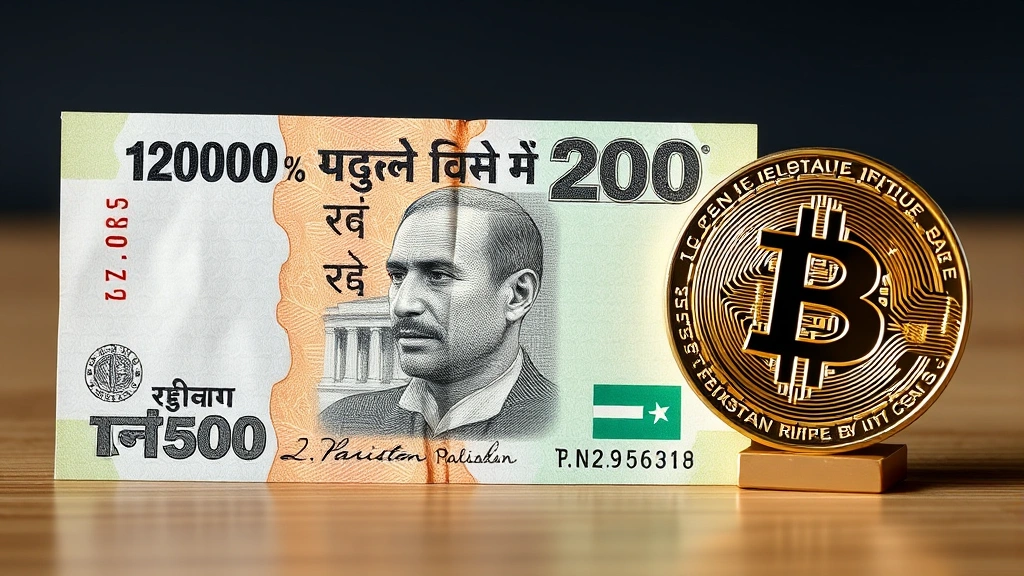
Bitcoin to PKR 2023: Current Exchange Rate Analysis
The Pakistani rupee (PKR) has experienced significant volatility against major cryptocurrencies, particularly Bitcoin, throughout 2023. Understanding the 1 bitcoin to PKR exchange rate requires examining macroeconomic factors, currency stability, and global cryptocurrency market dynamics that directly impact Pakistani investors and traders. This comprehensive analysis explores the relationship between Bitcoin valuation and Pakistani rupee performance during a year marked by economic challenges and digital asset evolution.
Pakistan’s financial landscape in 2023 presented unique opportunities and challenges for cryptocurrency adoption. The rupee faced depreciation pressures from inflation, external account deficits, and International Monetary Fund (IMF) conditionality requirements. Meanwhile, Bitcoin emerged as a potential hedge against currency devaluation for Pakistani citizens seeking alternative value storage methods. This intersection of traditional finance stress and cryptocurrency growth created dynamic exchange rate movements that deserve careful examination.
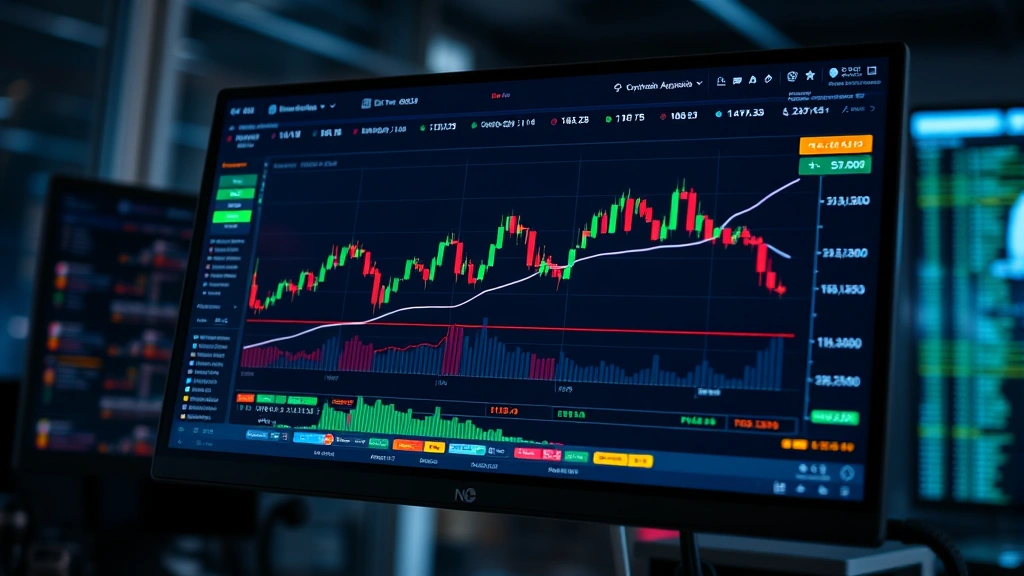
Understanding Bitcoin to PKR Exchange Dynamics
The exchange rate between Bitcoin and Pakistani rupees operates differently from traditional currency pairs. Bitcoin trades on global cryptocurrency exchanges with prices denominated primarily in US dollars, and the PKR conversion depends on both Bitcoin’s dollar value and the USD/PKR rate. When discussing 1 bitcoin to PKR, investors reference the combined effect of Bitcoin’s global market price and Pakistan’s rupee depreciation against the dollar.
To comprehend this relationship, it’s essential to understand what cryptocurrency represents and how it functions as a decentralized asset. Bitcoin operates independently of any central bank or government, making its value determined entirely by market supply and demand. This fundamental characteristic distinguishes it from fiat currencies like the Pakistani rupee, which the State Bank of Pakistan (SBP) manages through monetary policy.
The conversion mechanism works as follows: Bitcoin’s price in USD is multiplied by the current USD/PKR exchange rate to determine the rupee equivalent. For example, if Bitcoin trades at $42,000 USD and the USD/PKR rate stands at 278, then one Bitcoin equals approximately 11.676 million PKR. This three-variable relationship (Bitcoin price in USD, USD/PKR rate, and Bitcoin quantity) creates complex dynamics that affect Pakistani traders differently than Western investors.
Pakistani cryptocurrency exchanges and peer-to-peer platforms facilitate Bitcoin to PKR transactions, often adding their own spreads and fees. These local market factors can create discrepancies between the theoretical global Bitcoin price conversion and actual trading prices available to Pakistani users. Understanding these nuances helps investors make informed decisions about entry and exit points.
Historical Price Movements in 2023
Bitcoin’s journey throughout 2023 demonstrated remarkable recovery from the cryptocurrency winter of 2022. The year began with Bitcoin trading around $16,500 USD, representing a depressed valuation following the FTX collapse and broader market pessimism. By mid-year, Bitcoin had climbed past $30,000, and it achieved even more impressive gains toward year-end, approaching $42,000 USD.
In Pakistani rupee terms, these movements translated into dramatic swings. Early 2023 saw Bitcoin valued at approximately 4.5-5 million PKR per coin, while late-year valuations exceeded 11-12 million PKR. This represented a 140% increase in rupee terms, significantly outpacing gains measured purely in dollar terms. The additional appreciation in PKR terms reflects both Bitcoin’s dollar strength and the Pakistani rupee’s continued depreciation.
The rupee’s weakness played a crucial role in these dynamics. Pakistan’s currency depreciated from approximately 220 PKR per USD at 2023’s beginning to over 280 PKR per USD by year-end. This 27% depreciation against the dollar meant that even if Bitcoin’s dollar value had remained flat, its rupee equivalent would have increased substantially. For Pakistani investors, this created a dual benefit: Bitcoin appreciation against fiat currencies globally, compounded by rupee weakness.
Several key inflection points marked 2023’s Bitcoin to PKR trajectory. The March banking sector turmoil in the United States, triggered by regional bank failures, paradoxically benefited Bitcoin as investors sought safe-haven assets. The September Federal Reserve pause on interest rate hikes signaled potential accommodation, supporting risk assets like cryptocurrency. Finally, the November introduction of spot Bitcoin ETF approval expectations in the United States catalyzed year-end rallies that substantially boosted Bitcoin valuations.
Factors Influencing the Exchange Rate
Multiple interconnected factors determine Bitcoin to PKR exchange rates. Understanding these drivers enables investors to anticipate potential price movements and make strategic decisions. The primary influences include global Bitcoin market sentiment, US dollar strength, Pakistani economic conditions, and local regulatory developments.
Global Bitcoin Market Dynamics: Bitcoin’s price in US dollars fundamentally determines its rupee equivalent. Macroeconomic factors affecting global risk appetite directly impact Bitcoin valuations. Understanding why Bitcoin goes up requires examining Federal Reserve policy, inflation expectations, geopolitical tensions, and institutional adoption trends. When global investors view Bitcoin as a hedge against currency devaluation or inflation, demand increases, pushing prices higher.
US Dollar Strength: The US dollar’s performance against major currencies influences Bitcoin pricing. A strong dollar typically pressures Bitcoin valuations as higher dollar strength reduces its appeal as a diversification tool. Conversely, dollar weakness often correlates with Bitcoin appreciation as investors seek alternatives to fiat currency exposure. For Pakistani investors specifically, the USD/PKR rate becomes critically important since Bitcoin trades globally in dollars.
Pakistani Rupee Stability: The State Bank of Pakistan’s monetary policy, foreign exchange reserves, and external account balance directly affect rupee strength. In 2023, Pakistan’s economic challenges including high inflation, external financing needs, and IMF program requirements created structural rupee weakness. This weakness, while challenging for general economic activity, enhanced Bitcoin’s appeal as an alternative store of value for Pakistani citizens concerned about currency devaluation.
Inflation and Interest Rates: Pakistan’s inflation rates exceeding 30% at various points during 2023 made conventional savings instruments unattractive in real terms. Fixed deposits and bonds offered nominal returns insufficient to offset purchasing power erosion. Bitcoin, with its fixed supply and potential for appreciation, attracted investors seeking inflation hedges. The State Bank’s aggressive interest rate increases, while intended to combat inflation, paradoxically increased Bitcoin’s relative attractiveness by highlighting currency debasement concerns.
Capital Controls and Remittances: Pakistan’s foreign exchange management framework affects Bitcoin demand. During periods of capital restrictions, Bitcoin serves as an alternative mechanism for value transfer and storage. Pakistani expatriates considering remittances face traditional banking channels with fees, delays, and currency conversion costs. Bitcoin and other cryptocurrencies present alternatives, though regulatory uncertainty limits mainstream adoption.
Pakistani Rupee Depreciation Impact
The Pakistani rupee’s 2023 performance substantially amplified Bitcoin’s appreciation in local currency terms. Understanding this depreciation context helps investors recognize that Bitcoin’s rupee gains partly reflected currency weakness rather than purely Bitcoin strength. This distinction matters for investment decision-making and risk assessment.
Pakistan’s rupee depreciated approximately 27% against the US dollar during 2023, making it one of the worst-performing currencies globally. This weakness resulted from multiple structural factors: a persistent current account deficit, declining foreign exchange reserves, high inflation differentials with trading partners, and external debt service requirements. The IMF program provided some stabilization through conditional financing, but structural reforms required time to produce results.
For Pakistani investors, rupee depreciation creates both challenges and opportunities. The challenge involves reduced purchasing power for imported goods and services, increased debt servicing costs for external borrowing, and general economic uncertainty. The opportunity emerges through alternative asset appreciation—Bitcoin’s rupee gains benefited from this depreciation dynamic.
However, investors must recognize that rupee-denominated Bitcoin gains don’t represent pure wealth creation if the underlying cause is currency debasement. If Bitcoin’s dollar value remained flat while the rupee depreciated 27%, the rupee-denominated gains would be illusory in real terms. True wealth creation requires Bitcoin appreciation in hard currency terms (dollars or other major currencies) that outpaces rupee depreciation. In 2023, Bitcoin achieved both dollar appreciation and rupee appreciation, creating genuine gains for Pakistani investors.
Understanding why Bitcoin drops becomes particularly relevant for Pakistani investors during rupee stability periods. If the rupee stabilizes while Bitcoin declines in dollar terms, Pakistani investors would face double depreciation—both from Bitcoin’s dollar decline and loss of the rupee depreciation benefit.
Trading and Investment Considerations
Pakistani investors approaching Bitcoin to PKR trading and investment decisions face unique considerations distinct from Western cryptocurrency participants. These factors include regulatory uncertainty, local exchange availability, tax implications, and personal risk tolerance.
Exchange Selection: Pakistan has multiple cryptocurrency exchanges serving local users, including international platforms with Pakistani user bases and local exchanges. Major international exchanges like Coinbase and Kraken offer direct Bitcoin to PKR conversion through third-party payment processors in some cases. Local Pakistani exchanges provide rupee-denominated trading pairs directly, though liquidity and security vary. Investors should prioritize exchanges with robust security measures, transparent fee structures, and regulatory clarity.
Entry and Exit Strategies: Pakistani investors should develop systematic approaches to Bitcoin accumulation and liquidation rather than attempting to time market peaks and troughs. Learning how to invest with little money helps Pakistani citizens with limited capital participate in Bitcoin markets through rupee-cost averaging—purchasing fixed rupee amounts at regular intervals regardless of price. This approach reduces the impact of volatility and eliminates timing risk.
Portfolio Diversification: Bitcoin should rarely constitute an investor’s entire cryptocurrency or overall investment portfolio. Understanding portfolio diversification principles helps Pakistani investors balance Bitcoin’s volatility with more stable assets. A diversified approach might include Bitcoin (high volatility, high potential), other cryptocurrencies with different characteristics, traditional Pakistani assets like real estate and fixed income, and potentially international diversification through ETFs or international brokers.
Tax and Compliance: Pakistan’s Federal Board of Revenue (FBR) has issued guidelines on cryptocurrency taxation. Bitcoin gains may be subject to capital gains tax or income tax depending on holding periods and trading frequency. Investors must maintain detailed transaction records including purchase dates, prices, and sale proceeds. The FBR’s increasing focus on cryptocurrency compliance suggests that transparent reporting will become increasingly important.
Regulatory Environment in Pakistan
Pakistan’s regulatory approach to cryptocurrency remains cautious and evolving. The State Bank of Pakistan has not explicitly banned cryptocurrency ownership by individuals, but it has restricted financial institutions from providing direct cryptocurrency services. This creates a gap between permissible individual ownership and institutional support limitations.
In 2023, Pakistani regulators began showing increased engagement with cryptocurrency issues. The FBR’s taxation guidelines suggested recognition of cryptocurrency as taxable assets. The Securities and Exchange Commission of Pakistan (SECP) considered cryptocurrency regulations, though formal frameworks remained incomplete. This regulatory evolution creates both uncertainty and opportunity—clarity would likely boost mainstream adoption while current ambiguity deters institutional participation.
International regulatory developments also affect Pakistani Bitcoin investors. The Financial Action Task Force (FATF) recommendations on cryptocurrency compliance influence how countries structure their approaches. Pakistan’s efforts to maintain international financial system compliance mean that FATF guidance indirectly shapes Pakistani cryptocurrency policy. Investors should monitor FATF’s cryptocurrency guidance for insights into potential Pakistani regulatory directions.
The regulatory environment creates practical implications: Pakistani investors should use exchanges with strong know-your-customer (KYC) and anti-money laundering (AML) compliance. While peer-to-peer transactions offer privacy, they increase legal and security risks. Transparent, compliant approaches protect investors from potential future regulatory issues.
Risk Factors and Market Volatility
Bitcoin to PKR investments carry substantial risks that Pakistani investors must understand before committing capital. These risks encompass market volatility, regulatory risk, security risk, and concentration risk.
Extreme Volatility: Bitcoin’s price can fluctuate 10-20% in single days, and larger swings occur during market stress periods. In 2023, Bitcoin experienced a 65% price range from lows near $16,500 to highs near $42,000. For Pakistani investors, this volatility compounds with rupee exchange rate fluctuations, creating complex price movements. Investors must possess psychological resilience to withstand these swings without panic selling or euphoric buying.
Regulatory Risk: Pakistan could implement stricter cryptocurrency regulations or even restrictions on ownership. While such actions seem unlikely given current trajectories, they remain possible. Any significant regulatory action would likely suppress Bitcoin prices, particularly in local markets. Investors should consider what personal impact hypothetical regulation would create.
Security Risk: Cryptocurrency theft through exchange hacks, phishing attacks, or personal security breaches represents genuine danger. Pakistani investors must use secure exchanges, enable two-factor authentication, consider hardware wallet storage for larger amounts, and never share private keys. Security breaches have cost cryptocurrency investors billions globally, and Pakistani users are not exempt from these risks.
Liquidity Risk: While Bitcoin itself is highly liquid on major exchanges, Pakistani rupee liquidity on local exchanges may be limited. During market stress, investors might struggle to liquidate Bitcoin positions quickly at fair prices. This liquidity risk is particularly relevant for large holdings or during market disruptions.
Leverage and Margin Risk: Some Pakistani exchanges offer margin trading, allowing investors to borrow funds to purchase Bitcoin. This leverage amplifies both gains and losses, creating significant risk for inexperienced traders. Margin calls can force liquidation at worst possible moments. Most Pakistani investors should avoid leverage entirely.
FAQ
What was the Bitcoin to PKR exchange rate in early 2023?
At the beginning of 2023, Bitcoin traded around $16,500 USD while the USD/PKR rate was approximately 220, making one Bitcoin worth roughly 3.6-3.8 million PKR. This represented depressed valuations following the 2022 cryptocurrency bear market and FTX collapse.
How did Bitcoin to PKR rates change throughout 2023?
Bitcoin’s PKR value increased approximately 200% during 2023, driven by Bitcoin’s dollar appreciation from $16,500 to over $42,000 (155% gain) combined with Pakistani rupee depreciation from 220 to 280+ PKR per USD (27% depreciation). By year-end, one Bitcoin exceeded 11-12 million PKR.
Why does the Pakistani rupee depreciation matter for Bitcoin investors?
Rupee depreciation increases Bitcoin’s local currency value even if its dollar price remains flat. This creates a dual benefit for Pakistani investors: Bitcoin appreciation against major currencies plus rupee weakness. However, it also means rupee-denominated gains partly reflect currency debasement rather than pure Bitcoin strength.
Where can Pakistani investors buy and sell Bitcoin?
Pakistani investors can use international exchanges like Binance or Kraken with PKR deposit options, local Pakistani exchanges, or peer-to-peer platforms. Investors should prioritize exchanges with strong security, regulatory compliance, transparent fees, and adequate liquidity. Binance and LocalBitcoins serve Pakistani users.
Is Bitcoin investment legal in Pakistan?
Individual Bitcoin ownership is not explicitly illegal in Pakistan, though the regulatory environment remains unclear. The State Bank restricts financial institutions from providing cryptocurrency services, and the FBR treats Bitcoin as a taxable asset. Investors should maintain transparent transaction records and comply with tax obligations.
What is the relationship between US dollar strength and Bitcoin to PKR rates?
Bitcoin trades globally in US dollars, so dollar strength influences its rupee equivalent. A stronger dollar against the rupee increases Bitcoin’s PKR value, while dollar weakness decreases it. Additionally, global Bitcoin demand often increases during dollar weakness periods, creating a dual effect on Bitcoin to PKR rates.
Should Pakistani investors use leverage or margin trading for Bitcoin?
Most Pakistani investors should avoid leverage and margin trading. Leverage amplifies losses during price declines and can result in liquidation at worst possible times. The complexity and risk make leverage unsuitable for most retail investors, particularly those new to cryptocurrency.
How should Pakistani investors approach Bitcoin investment given economic uncertainty?
Pakistani investors facing currency depreciation concerns might consider Bitcoin as a small portfolio allocation (5-15%) for diversification and inflation hedging. Regular rupee-cost averaging through fixed periodic purchases reduces timing risk. Investors should avoid concentrating excessive wealth in Bitcoin and maintain diversified portfolios including traditional assets and other cryptocurrencies.


