Is Bitcoin Farming in Tarkov Profitable? A Comprehensive Gamer Insight
Escape from Tarkov has captivated millions of players worldwide, and one of the most intriguing in-game mechanics involves the Bitcoin Farm—a hideout upgrade that generates cryptocurrency passively. But is it truly profitable? This question bridges two worlds: gaming strategy and actual cryptocurrency economics. Understanding the Bitcoin Farm’s profitability requires examining the initial investment, operational costs, in-game market dynamics, and how this virtual asset generation compares to real-world crypto opportunities.
The Bitcoin Farm represents a fascinating intersection of gaming economy and blockchain technology. Players invest substantial in-game resources to construct and upgrade this facility, hoping to generate a steady stream of virtual Bitcoin that can be sold for considerable in-game currency. However, the profitability equation involves numerous variables that shift with game updates, market conditions, and individual playstyle. This guide breaks down whether the Bitcoin Farm is a worthwhile investment for Tarkov players seeking maximum profitability.
Understanding the Bitcoin Farm Mechanic
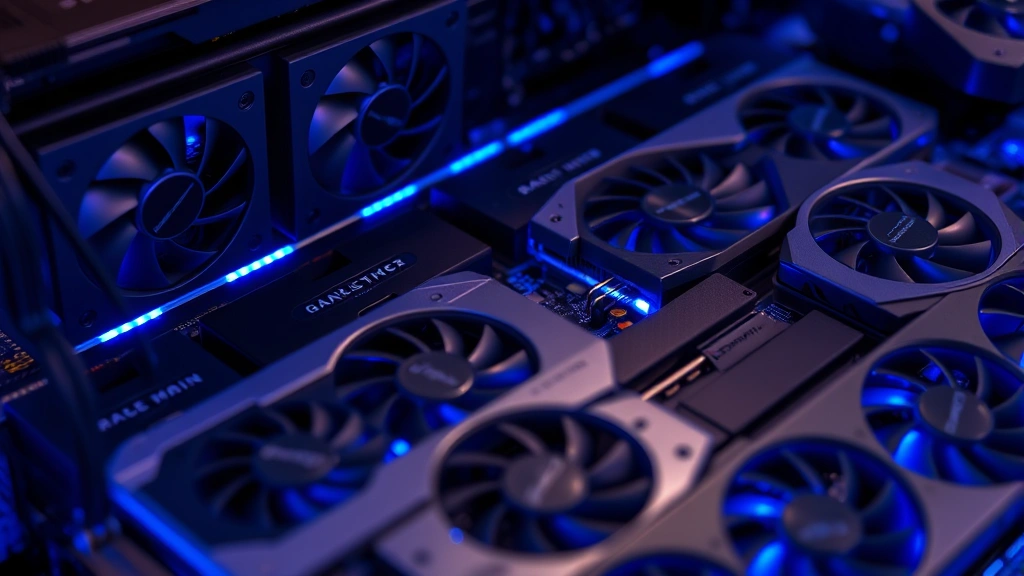
The Bitcoin Farm is a hideout upgrade available to players in Escape from Tarkov that functions as a passive income generator. Located within your hideout, this facility produces virtual Bitcoin at regular intervals based on the number of graphics cards (GPUs) installed. The more GPUs you install, the faster your farm generates Bitcoin, creating a direct correlation between investment and output.
Each GPU installed reduces the Bitcoin generation time by approximately 6-7 minutes per installed card. A fully upgraded Bitcoin Farm with 50 GPUs can generate one Bitcoin every 12-14 minutes of real-world time. This passive generation occurs whether you’re actively playing or logged off, making it one of the most valuable hideout upgrades for long-term progression. The Bitcoin Farm unlocks at hideout level 3 and can be upgraded multiple times to increase GPU capacity.
The mechanics are straightforward: players collect Bitcoin from the farm periodically, then sell them to traders or other players. The in-game price of Bitcoin fluctuates based on supply and demand within the Tarkov economy, influenced by wipe cycles, game patches, and overall player base activity. Understanding these mechanics is crucial before committing resources to this investment.
Initial Investment and Setup Costs
Building a profitable Bitcoin Farm requires significant upfront investment. The hideout upgrades themselves demand millions of in-game rubles, construction materials, and components. Players need to reach hideout level 3 before even constructing the initial Bitcoin Farm, which already requires substantial progression investment.
The primary cost driver is acquiring graphics cards. GPUs in Tarkov are expensive items found throughout the game world or purchased from other players. Prices fluctuate dramatically based on availability and demand. Currently, a single GPU costs anywhere from 100,000 to 200,000+ rubles depending on market conditions. A fully upgraded farm with 50 GPUs represents an investment of 5-10 million rubles just for the cards themselves.
Beyond GPUs, players must purchase construction materials and pay in-game currency for hideout upgrades. The Bitcoin Farm upgrade itself costs approximately 1.4 million rubles plus materials like bolts, cables, and other components. Additional upgrades to increase GPU capacity incur additional costs. Total initial investment for a fully operational Bitcoin Farm typically ranges from 7-15 million rubles, representing a significant commitment for mid-tier players.
This substantial barrier to entry means that setting clear investment goals is essential before committing resources. Players should calculate expected returns and timeline to profitability before beginning construction.
Operational Expenses and Maintenance
Unlike real-world cryptocurrency mining, the Bitcoin Farm in Tarkov doesn’t consume electricity or require ongoing maintenance costs once constructed. This represents a significant advantage over actual crypto mining operations. However, players must consider opportunity costs—the rubles and resources invested in the Bitcoin Farm could have been used for other hideout upgrades or combat loadouts.
The hideout itself requires management through the Scav Case and Lavatory, which generate additional income streams. Players can optimize their hideout to produce multiple revenue sources simultaneously. The Bitcoin Farm works best as part of a diversified hideout strategy, similar to how investors practice portfolio diversification in real investing.
One operational consideration involves stash space. Bitcoin takes up inventory slots, requiring players to extract them regularly to prevent overflow. This necessitates frequent hideout visits, which some players may find inconvenient. However, this minor inconvenience is offset by the passive income generation.
Bitcoin Generation and Market Value
A fully upgraded Bitcoin Farm generates approximately one Bitcoin every 12-14 minutes. Over a 24-hour period, this produces roughly 100-120 Bitcoin daily. In-game Bitcoin prices vary significantly but typically range from 250,000 to 350,000 rubles per coin depending on the wipe cycle phase and market conditions.
Early in a wipe cycle, Bitcoin prices tend to be higher as the player base actively pursues high-tier loot. As the wipe progresses and more players accumulate wealth, Bitcoin prices may stabilize or decline slightly. This creates a strategic timing consideration—players who complete their Bitcoin Farm early in a wipe cycle benefit from higher prices. Understanding these market dynamics parallels real-world cryptocurrency price movements, though Tarkov’s economy is more predictable.
Daily Bitcoin generation at 110 coins multiplied by an average price of 300,000 rubles yields approximately 33 million rubles daily revenue. Over a month, this generates roughly 990 million rubles—substantial passive income that significantly accelerates hideout development and gear acquisition.
Profitability Calculations
Determining true profitability requires comparing revenue against initial investment and calculating return on investment (ROI). This mirrors how investors analyze real crypto opportunities and calculate investment returns in actual markets.
Using conservative estimates:
- Initial Investment: 10 million rubles (GPUs, materials, upgrades)
- Daily Revenue: 33 million rubles (110 Bitcoin × 300,000 rubles)
- Break-even Timeline: Approximately 9 days
- Monthly Profit: 980 million rubles
- ROI (30 days): 9,700% return
These calculations demonstrate extraordinary profitability. The Bitcoin Farm breaks even remarkably quickly and generates substantial ongoing income. However, these figures assume optimal conditions: full GPU installation, stable Bitcoin prices, and continuous gameplay over the calculation period.
Real-world results vary based on individual circumstances. Casual players who log in sporadically benefit less than dedicated players who extract Bitcoin regularly. Players who purchase GPUs at inflated prices during shortages face longer break-even periods. Market price fluctuations also significantly impact profitability—a 20% drop in Bitcoin price reduces monthly revenue by 200 million rubles.
Comparing Virtual vs Real Cryptocurrency Investment
The Bitcoin Farm provides an interesting thought experiment for understanding cryptocurrency investment fundamentals. Both virtual Tarkov Bitcoin and real-world cryptocurrency share certain characteristics: passive income generation, market price volatility, and initial capital requirements. However, crucial differences exist between these investment vehicles.
Real Bitcoin mining requires ongoing electricity costs, hardware maintenance, and technical expertise. Actual cryptocurrency mining profitability depends on electricity prices, hardware efficiency, and Bitcoin market price. Miners must also contend with regulatory uncertainty and market volatility that can swing returns dramatically. For those interested in actual crypto investment, understanding how to invest in cryptocurrency provides legitimate pathways to market participation.
Tarkov’s Bitcoin Farm, by contrast, requires only one-time investment and generates risk-free income (assuming the game continues operating). This makes it a far superior investment within the game’s economy. The game’s economy is controlled and predictable compared to volatile real cryptocurrency markets.
For players interested in understanding actual cryptocurrency markets beyond Tarkov, examining resources like BlackRock Bitcoin ETF 2025 predictions provides insight into institutional approaches to Bitcoin investment. These real-world investment vehicles offer different risk-return profiles than in-game farming.
The Bitcoin Farm essentially teaches fundamental investment concepts: initial capital requirements, passive income generation, market-based pricing, and return on investment calculations. Players who master these concepts in Tarkov gain valuable intuition for real-world investing.
Optimization Strategies for Maximum Returns
Maximizing Bitcoin Farm profitability requires strategic planning beyond simple GPU installation. Several optimization approaches exist for dedicated players:
- Timing: Complete the Bitcoin Farm early in a wipe cycle when Bitcoin prices peak. This maximizes revenue during the most profitable period.
- GPU Sourcing: Farm GPUs from high-yield locations rather than purchasing them at inflated market prices. Locations like the Interchange and Reserve offer reliable GPU spawns.
- Hideout Efficiency: Combine the Bitcoin Farm with other hideout upgrades like the Scav Case and Lavatory to create multiple passive income streams.
- Regular Extraction: Extract Bitcoin frequently to prevent stash overflow and maintain consistent farm operation.
- Market Awareness: Monitor Bitcoin prices and plan large expenditures around price cycles to maximize purchasing power.
These strategies require active engagement and game knowledge. Players who invest time in understanding Tarkov’s economy consistently outperform casual players in profitability. This parallels real investing, where fundamental analysis and market awareness drive superior returns.
Another optimization involves prioritizing hideout upgrades strategically. Some players argue that upgrading other facilities first provides better overall value. The Bitcoin Farm competes with the Scav Case (which generates high-value item drops) and the Lavatory (which produces valuable crafted items) for investment priority. Optimal hideout sequencing depends on individual playstyle and goals.

Experienced players often develop specific upgrade sequences that maximize total hideout income. These sequences typically place the Bitcoin Farm relatively early due to its exceptional ROI, but exact timing depends on current game balance and market conditions.
Risk Factors and Considerations
Despite the Bitcoin Farm’s apparent profitability, several risk factors warrant consideration. Game updates frequently balance hideout mechanics, potentially reducing Bitcoin generation rates or increasing upgrade costs. Tarkov’s development team actively adjusts the economy to maintain challenge and progression pacing.
Wipe cycles present another consideration. Every major game update resets progress, meaning all hideout investments vanish. This makes the Bitcoin Farm most valuable during extended wipe cycles when players have maximum time to recoup investments and enjoy passive income.
Market saturation also affects profitability. As more players complete Bitcoin Farms, increased supply of in-game Bitcoin may depress prices. While Tarkov’s economy typically maintains price stability through NPC traders and dynamic supply, player-driven inflation remains possible.
Additionally, game access represents a fundamental risk. Players with limited playtime or irregular access benefit less from the Bitcoin Farm’s passive generation. The investment only pays off if players maintain active accounts and extract Bitcoin regularly.

FAQ
How long does it take to break even on a Bitcoin Farm investment?
Using current market prices and assuming full GPU installation, most players break even within 7-14 days of the farm becoming operational. This rapid break-even makes the Bitcoin Farm an exceptionally valuable investment compared to other hideout upgrades.
Can I start a Bitcoin Farm with partial GPU installation?
Yes, players can install GPUs incrementally as they acquire them. Even a partially upgraded farm generates Bitcoin, though at slower rates. Many players start with 10-20 GPUs and expand gradually as budgets allow.
Do Bitcoin prices in Tarkov affect real cryptocurrency markets?
No, Tarkov’s in-game Bitcoin economy is entirely separate from real-world cryptocurrency markets. In-game Bitcoin prices fluctuate based solely on Tarkov’s player economy and NPC trader mechanics.
Is the Bitcoin Farm worth it for casual players?
The Bitcoin Farm provides excellent value even for casual players, though with longer break-even timelines. Casual players logging in a few times weekly still benefit from passive income accumulation between sessions.
What’s the maximum number of GPUs in a Bitcoin Farm?
Current game balance allows up to 50 GPUs in a fully upgraded Bitcoin Farm. This configuration generates one Bitcoin approximately every 12-14 minutes of real-world time.
Should I prioritize the Bitcoin Farm over other hideout upgrades?
The Bitcoin Farm typically ranks among the top hideout investments by ROI. However, optimal upgrade sequences vary based on playstyle. Balancing the Bitcoin Farm with the Scav Case and Lavatory creates diversified passive income.
How does the Bitcoin Farm compare to cryptocurrency mining in real life?
The Bitcoin Farm is far more profitable than real cryptocurrency mining for most players due to zero operational costs. Real mining requires expensive hardware, ongoing electricity expenses, and faces regulatory uncertainty that the in-game farm avoids.


