What is Bitcoin’s Physical Coin? Explained
Bitcoin exists purely as digital code on a decentralized blockchain network, yet the term “bitcoin physical coin” has become increasingly common in cryptocurrency discussions. This apparent contradiction confuses many newcomers to the crypto space. Understanding what physical bitcoin coins actually are—and what they aren’t—is essential for anyone considering cryptocurrency investments or exploring the broader digital asset ecosystem.
The concept of a physical bitcoin coin represents an interesting intersection between tangible assets and digital currency. While Bitcoin itself has no physical form, various companies and entrepreneurs have created physical representations of the cryptocurrency for collectors, investors, and those seeking a bridge between the digital and traditional financial worlds. These physical coins serve different purposes, from novelty items to security solutions for storing actual Bitcoin.
Understanding Bitcoin’s Digital Nature
Bitcoin is fundamentally a peer-to-peer electronic cash system that operates entirely in the digital realm. Created by the pseudonymous Satoshi Nakamoto in 2008, Bitcoin uses cryptographic technology to verify transactions and control the creation of new coins. The actual Bitcoin exists as data entries on the blockchain—a distributed ledger maintained by thousands of computers worldwide.
When you own Bitcoin, you don’t possess a physical object. Instead, you control private cryptographic keys that grant you access to specific amounts of Bitcoin on the blockchain. These keys are essentially long strings of numbers and letters that prove ownership and allow you to transfer your Bitcoin to others. This digital-only existence is what makes Bitcoin revolutionary, enabling borderless transactions without intermediaries.
The confusion around physical bitcoin coins arises because people naturally associate value with tangible objects. Throughout history, precious metals like gold and silver served as currency because of their inherent value and physical properties. Bitcoin challenges this paradigm by deriving its value from consensus, scarcity through its fixed supply cap of 21 million coins, and utility within its network.
Types of Physical Bitcoin Coins
Despite Bitcoin’s purely digital nature, several categories of physical bitcoin coins exist in the marketplace. Understanding these distinctions is crucial for consumers and collectors.
Novelty and Commemorative Coins
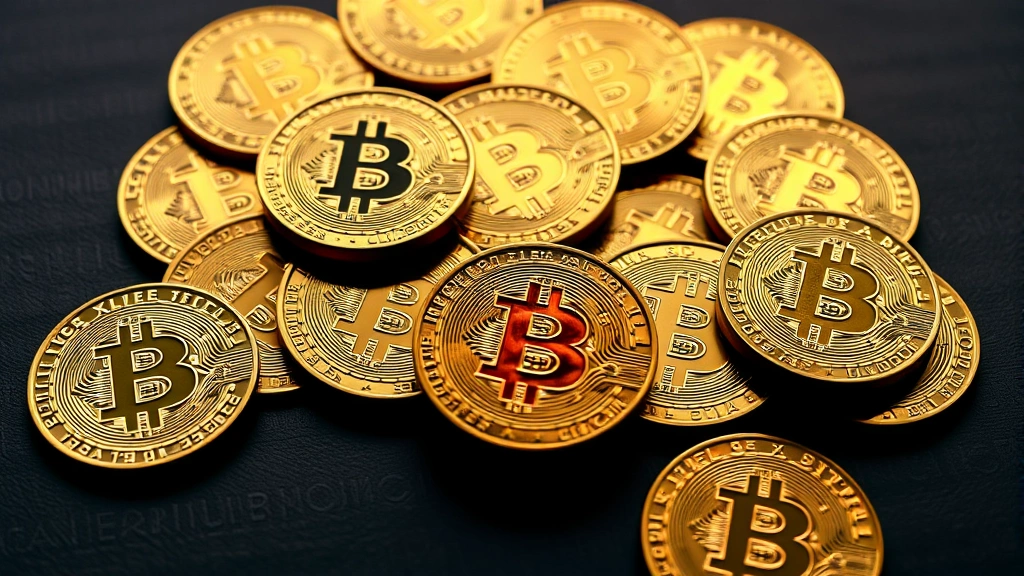
The most common physical bitcoin coins are novelty items made from brass, copper, silver, or gold-plated materials. These coins feature Bitcoin’s iconic logo—a stylized capital B with two vertical lines through it—and serve primarily as collectibles or conversation pieces. Companies like Casascius created some of the earliest and most sought-after physical bitcoin coins, embedding private keys under tamper-evident holograms that could be redeemed for actual Bitcoin.
These collectible coins hold value for two distinct reasons: their potential to contain actual Bitcoin (if unredeemed) and their rarity as vintage cryptocurrency memorabilia. Some Casascius coins from the early 2010s now sell for thousands of dollars, making them valuable to serious collectors interested in cryptocurrency history.
Hardware Wallets and Security Devices
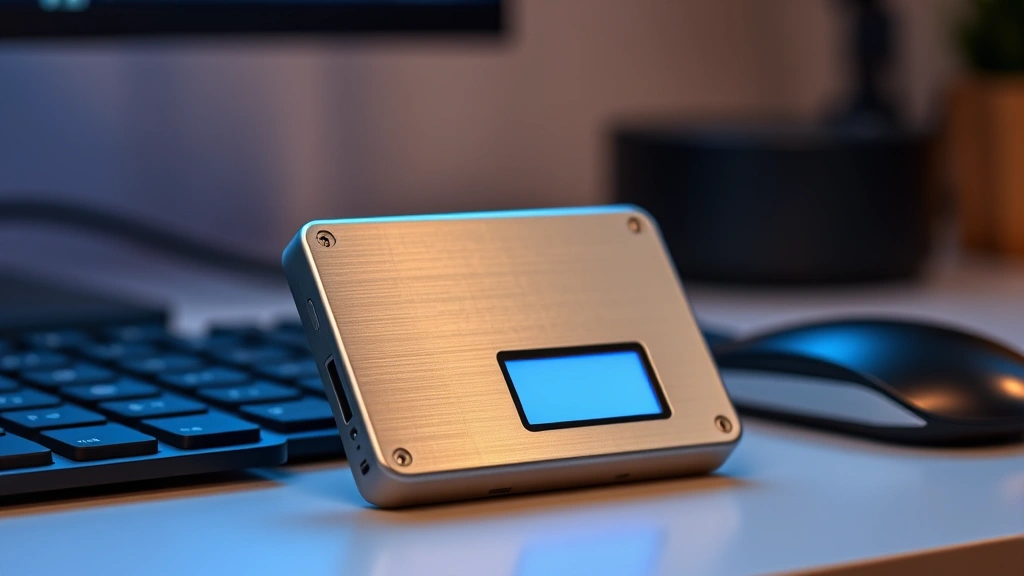
Another category of physical bitcoin products includes hardware wallets and security devices designed to store private keys offline. Products like Ledger, Trezor, and ColdCard are small electronic devices that generate and store your Bitcoin’s private keys in an isolated environment, protecting them from online threats. While these aren’t “coins” in the traditional sense, they’re physical devices that secure actual Bitcoin holdings and represent a critical bridge between digital assets and tangible security infrastructure.
Hardware Wallets and Cold Storage
For serious Bitcoin investors, understanding the role of physical security devices is essential. A hardware wallet is a physical device—typically resembling a USB drive or small electronic gadget—that stores your Bitcoin’s private keys offline. This “cold storage” approach eliminates vulnerability to online hacking, malware, and exchange breaches.
When you own Bitcoin, the actual cryptocurrency remains on the blockchain. Your hardware wallet doesn’t contain Bitcoin itself; rather, it securely stores the cryptographic keys needed to access and transfer your Bitcoin. This distinction is important: the physical device protects access to your digital assets rather than holding them directly.
The security advantage of hardware wallets is substantial. By keeping private keys offline, you eliminate the primary attack vectors that compromise digital wallets. Even if someone gains access to your computer or phone, they cannot steal your Bitcoin without physical access to your hardware wallet and knowledge of your PIN or recovery phrase.
Popular hardware wallet manufacturers have established themselves as trusted infrastructure providers in the cryptocurrency ecosystem. Their devices undergo rigorous security audits and receive regular firmware updates to address emerging threats. For anyone holding significant Bitcoin amounts, investing in a quality hardware wallet is considered essential security practice, far superior to keeping Bitcoin on exchanges or in online wallets.
Collectible Bitcoin Coins
The market for physical bitcoin collectible coins has developed into a niche but passionate community. These coins appeal to different demographics for various reasons.
Early adopters and Bitcoin enthusiasts value collectible coins as tangible representations of their belief in cryptocurrency’s future. These coins often commemorate significant moments in Bitcoin’s history—the genesis block, the first transaction, major price milestones, or network upgrades. Some coins feature artistic designs that reflect the philosophical principles underlying Bitcoin, such as decentralization, financial freedom, and cryptographic security.
Investors interested in learning about Bitcoin’s future forecast often combine this analysis with collecting physical representations of the asset. The combination of speculative interest in Bitcoin’s price performance with the tangible appeal of collectible coins has created a secondary market with significant trading activity.
Vintage Casascius coins represent the most valuable segment of the physical bitcoin coin market. Casascius, operated by Mike Caldwell, produced physical bitcoins from 2011 to 2013 before ceasing operations due to regulatory concerns. These coins embedded actual Bitcoin in redeemable form, making them genuinely valuable beyond their collector appeal. Unredeemed Casascius coins from the early production runs can command premium prices, with some rare variants selling for tens of thousands of dollars.
The legal and regulatory status of physical coins containing embedded Bitcoin has evolved. Most modern collectible coins do not contain actual Bitcoin due to money transmission concerns; instead, they serve purely as collectibles with artistic and historical value.
Security Considerations
When considering physical bitcoin coins—whether as collectibles or security devices—several security factors merit careful attention.
For hardware wallets, security best practices include:
- Purchasing directly from official manufacturers rather than third-party sellers to avoid tampered devices
- Securely storing recovery phrases (backup seed words) separate from the physical device
- Using strong PINs that cannot be easily guessed
- Updating firmware regularly to patch security vulnerabilities
- Never sharing recovery phrases or PINs with anyone, including manufacturer support staff
For collectible coins, security considerations differ. If you own vintage coins with embedded Bitcoin, protecting them from theft becomes paramount. Many collectors store valuable coins in safe deposit boxes, home safes, or through specialized cryptocurrency collectibles insurance. The physical vulnerability of valuable coins creates different security concerns than purely digital holdings.
Another important consideration involves the distinction between actual Bitcoin ownership and physical representations. A beautiful physical coin without embedded private keys does not grant you any Bitcoin ownership. Only control of private keys—whether through a hardware wallet, software wallet, or other means—constitutes actual Bitcoin ownership. This distinction prevents confusion and protects against scams where people purchase attractive physical coins believing they own Bitcoin.
Investment Value and Market Trends
The investment case for physical bitcoin coins differs significantly from investing in actual Bitcoin. Before deciding whether to purchase physical coins, consider your investment objectives.
If your goal is Bitcoin exposure as a digital asset investment, purchasing actual Bitcoin through exchanges or secure wallets provides direct exposure to price movements. Physical coins add collector premiums that dilute pure Bitcoin investment returns. A physical coin containing one Bitcoin may cost significantly more than one Bitcoin’s market price due to manufacturing costs, rarity, and collectibility factors.
However, if you value Bitcoin as a historical artifact and cryptocurrency collectible, the premium becomes justified. Rare Casascius coins and early-production physical bitcoins have appreciated substantially, sometimes outpacing Bitcoin’s own price growth. This appreciation reflects their scarcity, historical significance, and passionate collector demand.
Market trends in physical bitcoin coins show cyclical patterns aligned with broader cryptocurrency market movements. During Bitcoin bull markets, collector interest intensifies and prices for rare coins surge. During bear markets, liquidity can become challenging as speculative demand dries up. This volatility suggests physical coins are speculative assets requiring careful research and patience.
For those interested in Bitcoin price predictions, understanding that physical coins operate in a different market dynamic is important. Physical coin value depends on both Bitcoin’s underlying price and collector sentiment—two variables that don’t always move in tandem.
How Physical Coins Compare to Digital Holdings
The relationship between physical bitcoin coins and actual digital Bitcoin holdings deserves careful examination.
Digital Bitcoin Holdings: When you own Bitcoin in a digital wallet (hardware or software), you possess the private keys granting access to Bitcoin on the blockchain. Your holdings are entirely digital, existing only as cryptographic data. You can transfer Bitcoin instantly to anyone worldwide without physical limitations. Your ownership is recorded on the immutable blockchain, verifiable by anyone running a full node. Digital holdings require no insurance and occupy no physical space.
Physical Bitcoin Coins: Collectible coins are tangible objects you can hold and display. They have inherent physical appeal and historical significance. However, unless they contain embedded private keys (rare for modern coins), they don’t grant any Bitcoin access. They’re purely collectibles, similar to commemorative coins celebrating historical events. Their value depends on market demand for the specific coin design and rarity.
Hardware Wallets: These physical devices represent a middle ground—they’re tangible objects that secure access to actual Bitcoin. Unlike collectible coins, hardware wallets have clear utility beyond aesthetics. They’re essential security infrastructure for serious Bitcoin holders, protecting your digital assets through offline storage of private keys.
Understanding what you’re actually purchasing is crucial. If you want Bitcoin exposure, buying actual Bitcoin through a reputable cryptocurrency exchange and securing it with a hardware wallet provides the most direct and secure approach. If you want collectible physical coins for their artistic and historical value, that’s a distinct purchase serving different purposes.
The cryptocurrency community sometimes debates whether physical representations of Bitcoin undermine its revolutionary nature as purely digital money. Traditionalists argue that Bitcoin’s power derives from operating entirely outside physical constraints. Others appreciate physical coins as bridges that help newcomers understand cryptocurrency concepts or as artistic expressions of their Bitcoin philosophy.
For those considering how to allocate limited investment capital, exploring investment strategies with limited funds becomes relevant. Physical coins may not be the most capital-efficient approach for building Bitcoin wealth compared to direct digital ownership.
If you’re interested in more sophisticated Bitcoin strategies, understanding how to short Bitcoin and other advanced trading techniques provides additional perspective on the broader Bitcoin investment landscape.
FAQ
Can physical bitcoin coins be used as actual currency?
Modern collectible physical bitcoin coins cannot be used as currency—they’re purely collectibles. Only vintage Casascius coins with embedded private keys could be “redeemed” for actual Bitcoin by accessing the private key under the hologram. Today’s coins are artistic representations without embedded value or cryptocurrency access.
How much does a physical bitcoin coin cost?
Prices vary dramatically. New commemorative coins typically cost $5 to $100. Vintage Casascius coins range from hundreds to tens of thousands of dollars depending on rarity, condition, and whether they’ve been redeemed. Hardware wallets (physical security devices) cost $50 to $200 typically.
Are physical bitcoin coins a good investment?
This depends on your objectives. As Bitcoin exposure, physical coins are inefficient—you pay collector premiums. As cryptocurrency memorabilia, vintage coins have appreciated substantially. As security devices (hardware wallets), they’re essential infrastructure, not investments. Evaluate your actual goals before purchasing.
What’s the difference between a physical coin and a hardware wallet?
Collectible physical coins are art/memorabilia with no direct Bitcoin access unless they contain embedded private keys (rare). Hardware wallets are security devices that store private keys offline, directly protecting actual Bitcoin holdings. Hardware wallets have clear utility; collectible coins are primarily aesthetic.
Can I store actual Bitcoin in a physical coin?
Theoretically yes, but it’s impractical and insecure. You could write a private key on a physical object, but this creates security vulnerabilities (physical theft, degradation, loss). Hardware wallets solve this problem properly through secure key generation and storage. For long-term Bitcoin security, hardware wallets are the standard approach.
Where can I buy authentic physical bitcoin coins?
Reputable sources include established cryptocurrency retailers, specialty coin dealers, and verified marketplaces. Research seller reputation carefully, especially for vintage coins. Avoid unknown sellers or unrealistically low prices, which often indicate counterfeits or scams.
Are physical bitcoin coins legal?
Collectible coins are legal in most jurisdictions. Coins containing embedded Bitcoin (like Casascius coins) operated in a legal gray area, which is why production ceased. Check your local regulations regarding cryptocurrency-related products before purchasing.


