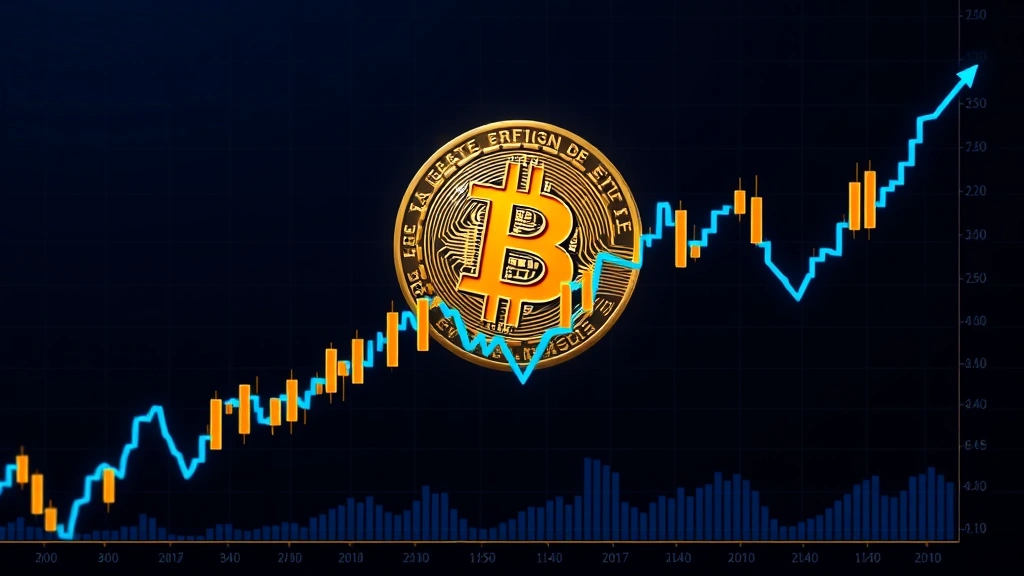
Bitcoin’s 200-Day Moving Average: Key Insights for Traders and Investors
The 200-day moving average stands as one of the most respected technical indicators in cryptocurrency trading and investment analysis. For Bitcoin, this long-term trend line serves as a critical reference point that traders, institutions, and analysts monitor constantly to assess market direction, identify support and resistance levels, and make informed trading decisions. Understanding how Bitcoin’s price interacts with its 200-day moving average can provide valuable insights into market sentiment, trend strength, and potential reversal points.
Bitcoin’s relationship with the 200-day moving average has evolved significantly since the early days of cryptocurrency. As the digital asset has matured and attracted institutional capital, the technical significance of this indicator has become more pronounced. When Bitcoin trades above its 200-day moving average, it typically signals a strong uptrend and bullish sentiment. Conversely, when price falls below this line, it often indicates weakness and potential bearish pressure. This guide explores the mechanics, applications, and strategic importance of Bitcoin’s 200-day moving average for modern investors.
What is the 200-Day Moving Average?
The 200-day moving average (MA) is a technical indicator calculated by averaging Bitcoin’s closing price over the previous 200 trading days. This calculation creates a smooth line that filters out short-term price volatility and highlights the underlying trend direction. The formula is straightforward: sum the closing prices of the last 200 days and divide by 200. As new daily candles close, the oldest price point drops from the calculation, and the newest one is added, creating a continuously updated trend line.
What makes the 200-day moving average particularly valuable is its role as a long-term trend indicator. Unlike shorter moving averages such as the 50-day or 20-day MA, which respond quickly to price changes, the 200-day MA moves deliberately and reflects sustained price direction. This characteristic makes it less susceptible to whipsaws and false signals that plague shorter-term indicators. For Bitcoin investors and traders, the 200-day moving average serves as a psychological and technical benchmark that influences trading behavior across retail and institutional markets.
The indicator gained prominence in traditional stock markets decades ago and has proven equally relevant in cryptocurrency markets. Bitcoin’s volatile nature actually makes the 200-day MA even more valuable, as it provides a stable reference point amid wild price swings. Many professional traders consider a price position relative to the 200-day moving average as fundamental information, similar to how fundamental analysts review earnings reports or balance sheets.
How Bitcoin Traders Use This Indicator
Professional Bitcoin traders employ the 200-day moving average in multiple ways to develop trading strategies and manage positions. The most basic application is trend identification: when Bitcoin trades consistently above its 200-day MA, traders recognize an established uptrend. This recognition often encourages traders to adopt a bullish bias and look for buying opportunities on price dips toward the moving average. Conversely, prices consistently below the 200-day MA suggest a downtrend, prompting traders to favor short positions or avoid long entries.
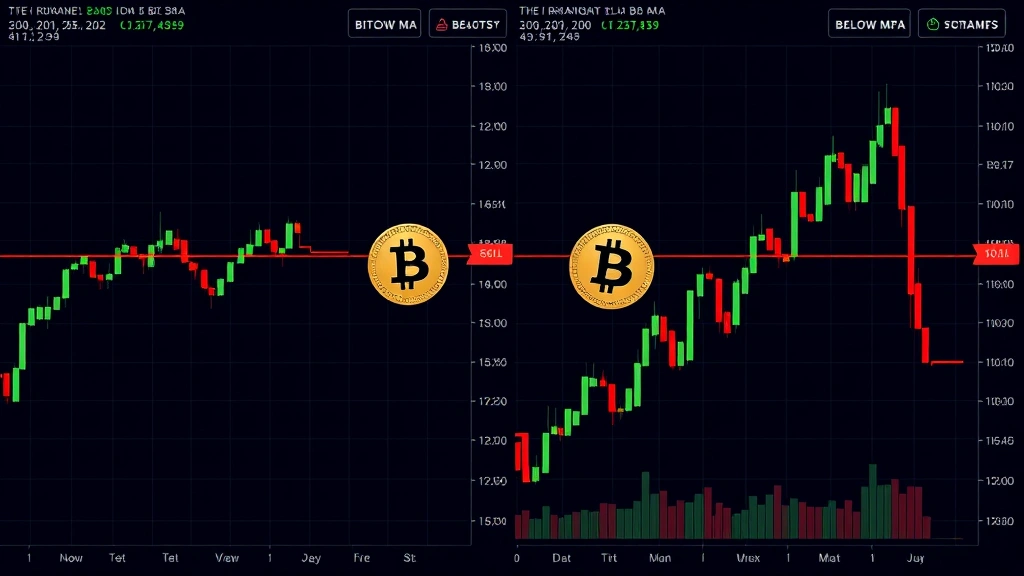
A crucial trading application involves using the 200-day MA as a dynamic support and resistance level. When Bitcoin’s price approaches this moving average from above during a rally, traders watch closely to see if the price bounces back upward or breaks below. A bounce typically confirms the uptrend remains intact. If price decisively breaks below the 200-day MA, it often triggers sell signals and can prompt stops to be hit, accelerating downward momentum. The reverse dynamic applies during downtrends when the 200-day MA acts as resistance above price.
Institutional investors and hedge funds incorporate the 200-day moving average into systematic trading strategies. These algorithms may generate buy signals when price crosses above the 200-day MA and sell signals when it crosses below. The predictability of these technical patterns means that sufficient trading volume often accumulates around these crossovers, creating self-fulfilling prophecies that strengthen the indicator’s reliability. This institutional participation amplifies the significance of the 200-day MA beyond simple mathematics into a market-moving technical reality.
For those interested in how to invest in cryptocurrency, understanding the 200-day moving average provides a framework for timing entries and exits. Traders often wait for price to pull back toward the 200-day MA during an uptrend before entering long positions, believing they’re buying near support. This discipline helps traders improve their risk-to-reward ratios and avoid chasing extended rallies.
Historical Performance and Trend Analysis
Bitcoin’s interaction with its 200-day moving average reveals fascinating historical patterns. During the 2017 bull market, Bitcoin remained above its 200-day MA for an extended period, with the moving average acting as a reliable support level during pullbacks. This sustained positioning above the line provided confidence to traders that the uptrend remained healthy. When Bitcoin finally broke below the 200-day MA in late 2017 and early 2018, it marked a significant shift in sentiment and preceded a prolonged bear market.
The 2020-2021 bull cycle demonstrated the indicator’s power even more dramatically. Bitcoin’s price spent months above the 200-day MA while rallying from under $10,000 to nearly $69,000. Each time price pulled back toward the moving average, it found buyers, and the indicator served as a reliable support. The subsequent bear market in 2022 saw Bitcoin spend considerable time below the 200-day MA, with the line acting as resistance that price struggled to reclaim. This extended period below the 200-day MA coincided with negative sentiment and declining institutional involvement.
Understanding what is cryptocurrency and its market cycles helps contextualize the 200-day moving average’s performance. Bitcoin’s price history shows that the longer the price remains above the 200-day MA, the stronger and more sustainable the uptrend tends to be. Conversely, extended periods below the line often precede prolonged bear markets. This relationship isn’t perfect, but the statistical evidence strongly supports the indicator’s utility for identifying major trend changes.
Analyzing Bitcoin’s price action relative to the 200-day MA also reveals the strength of rallies. Strong bull markets typically see price trading well above the moving average, with significant distance between price and the line. Weak bull markets feature price hovering near or just slightly above the 200-day MA, suggesting underlying weakness. This distance metric provides traders with additional information about trend health beyond simple above-or-below positioning.
Support and Resistance Dynamics
The 200-day moving average functions as both support during uptrends and resistance during downtrends. This dynamic support and resistance characteristic makes it more valuable than static price levels that don’t adjust over time. As Bitcoin’s price rises, the 200-day MA gradually increases, creating an ascending support level that follows price upward. This means traders don’t need to identify specific support prices; the moving average automatically adjusts.
When Bitcoin approaches its 200-day MA from above, price often experiences brief pauses or minor pullbacks before resuming higher. Savvy traders recognize these as accumulation opportunities and add to long positions at reduced prices. The psychological importance of the 200-day MA means that traders worldwide are watching the same level, creating natural buying pressure when price approaches it. This coordination between independent traders creates a self-reinforcing support level.
During downtrends, the 200-day MA transforms into resistance. Bitcoin rallies often stall when approaching the 200-day MA from below, as traders who are short positions take profits and new buyers become hesitant about purchasing above the line. The resistance function of the moving average can persist for weeks or months during bear markets, frustrating buyers who believe they’ve identified the bottom. Breaking above the 200-day MA during a downtrend represents a significant shift and often precedes trend reversals.
The reliability of the 200-day MA as support and resistance relates directly to the pros and cons of cryptocurrency trading. The advantage is clear: a widely recognized, objective technical level that traders can reference. The disadvantage is that this same recognition can lead to false breakouts, where price briefly moves beyond the line before reversing, triggering stop-losses and causing losses for traders who didn’t anticipate the bounce-back.
Integration with Other Technical Tools
The 200-day moving average achieves maximum effectiveness when combined with other technical indicators and tools. Traders often pair it with shorter-term moving averages like the 50-day MA to identify momentum shifts. When the 50-day MA crosses above the 200-day MA, it generates a “golden cross” signal, historically associated with strong uptrends. The opposite crossover, the “death cross,” occurs when the 50-day MA falls below the 200-day MA and often precedes significant downtrends.
Volume analysis complements moving average trading perfectly. When Bitcoin’s price bounces off the 200-day MA with strong volume, it confirms genuine support and increases the reliability of the bounce. Conversely, a bounce on light volume may indicate weakness and a potential follow-through decline. Professional traders always check volume when price interacts with the 200-day MA to distinguish between significant support and temporary pauses.
Relative Strength Index (RSI) and Moving Average Convergence Divergence (MACD) indicators provide additional confirmation signals. When Bitcoin is oversold on the RSI while trading near the 200-day MA, it creates a high-probability setup for bounces. Similarly, MACD divergences near the moving average can signal momentum changes before price confirms them. These combinations reduce false signals and improve the accuracy of technical trading strategies.
For investors considering what is portfolio diversification, the 200-day moving average helps time entries into Bitcoin positions. Rather than investing a lump sum, investors can scale into positions as price approaches the 200-day MA, averaging their entry prices and reducing the risk of buying near short-term tops. This disciplined approach aligns technical analysis with prudent investment practice.
Candlestick patterns gain additional significance when they form near the 200-day moving average. A bullish engulfing pattern near the line carries more weight than the same pattern at random price levels. Hammer patterns, morning stars, and other reversal formations provide strong signals when price is positioned at the 200-day MA, as the technical pattern combines with the moving average’s support or resistance properties.
Risk Management Strategies
Sophisticated traders use the 200-day moving average as a risk management tool, not just for entry signals. One common strategy involves placing stop-loss orders below the 200-day MA when trading long positions. If Bitcoin breaks below this support level, it signals that the long-term trend has reversed, and holding the position becomes riskier. This objective stop placement removes emotion from trading and protects capital during unexpected moves.
Position sizing often correlates with distance from the 200-day moving average. When Bitcoin trades significantly above the 200-day MA, traders might reduce position sizes, recognizing that the rally has extended far from support. Conversely, when price approaches the 200-day MA during a pullback in an uptrend, traders might increase position sizes, believing they’re risking less capital to achieve the same profit potential. This dynamic position sizing improves risk-adjusted returns over time.
The 200-day moving average helps traders identify when to exit profitable trades. A common rule involves taking profits if Bitcoin breaks below the 200-day MA after a sustained rally, even if the trade remains profitable. This approach prioritizes trend preservation over squeezing every possible point from a trade. By exiting when the long-term trend changes, traders avoid giving back large portions of profits during reversals.
Risk-aware traders recognize that no technical indicator is perfect. The 200-day moving average generates false signals during choppy, sideways markets when Bitcoin oscillates around the line repeatedly. During these periods, traders reduce position sizes and require additional confirmation before acting on moving average signals. Understanding how to choose stocks for beginners applies similarly to Bitcoin trading: confirmation and patience beat hasty decisions.
Institutional investors monitor Bitcoin’s 200-day moving average as a key risk metric. When price breaks below this line, it often triggers algorithmic selling and stop-loss executions, amplifying downward pressure. Conversely, breaking above the 200-day MA during extended declines attracts institutional buying, as it signals potential trend reversal. Understanding these large-scale dynamics helps individual traders anticipate institutional moves and avoid being caught on the wrong side of major price movements.
For those interested in converting Bitcoin value, resources like Bitcoin to PHP conversion tools help traders in specific regions manage their risk and returns. Understanding local currency implications of technical levels like the 200-day MA ensures traders properly assess their profit and loss positions.
FAQ
Why is the 200-day moving average more significant than other moving averages?
The 200-day moving average is considered the standard long-term trend indicator in financial markets, including cryptocurrency. Its 200-day period provides enough historical data to filter out short-term noise while remaining responsive to genuine trend changes. This balance makes it more reliable than shorter averages for identifying major trend reversals. Additionally, its widespread adoption among professional traders and institutions creates self-fulfilling prophecy effects that strengthen its technical significance.
Can the 200-day moving average be used for day trading?
While the 200-day moving average can provide context for day traders, it’s not ideal as a primary signal generator for intraday trading. Day traders typically use shorter timeframe moving averages like 5-day or 10-day MAs on hourly or 15-minute charts. However, the daily 200-day MA provides valuable perspective on the longer-term trend, helping day traders avoid trading against major trend reversals. Professional day traders often check the daily 200-day MA to ensure their short-term trades align with the bigger picture.
What does it mean when Bitcoin is significantly above its 200-day moving average?
When Bitcoin trades substantially above its 200-day MA (typically 10-20% or more), it indicates a strong, healthy uptrend with significant bullish momentum. This positioning suggests that recent price increases have been substantial and sustained. However, extended periods far above the moving average can also indicate overbought conditions where price becomes vulnerable to pullbacks or corrections. Traders often view these extended rallies as opportunities to take partial profits or reduce position sizes.
Is the 200-day moving average reliable during sideways markets?
The 200-day moving average becomes less reliable during extended sideways or choppy markets when Bitcoin oscillates around the line repeatedly. In these conditions, the moving average generates numerous false signals as price crosses above and below it without establishing a clear trend. During sideways markets, traders typically rely more heavily on support and resistance levels, moving average bands, or oscillators like the RSI rather than the simple 200-day MA. Patience and waiting for clear trend establishment is often the best strategy during these periods.
How do I use the 200-day moving average with external trading platforms?
Most cryptocurrency exchanges and charting platforms like TradingView include moving average tools that allow you to plot the 200-day MA on Bitcoin charts. Simply add the moving average indicator, set the period to 200, and select daily timeframe data. You can customize the color and style for visibility. Many platforms also allow you to set alerts that notify you when Bitcoin’s price crosses the 200-day MA, enabling you to respond quickly to potential trading signals without constantly monitoring charts.
What external resources can help me track Bitcoin’s 200-day moving average?
Several authoritative platforms provide Bitcoin charting with the 200-day moving average. CoinDesk offers market analysis and price tracking. Blockchain.com explorer provides blockchain data and price information. Glassnode specializes in on-chain analytics and Bitcoin metrics. Bloomberg Crypto provides institutional-grade analysis including technical indicators. These resources help traders and investors stay informed about Bitcoin’s technical positioning.
Can the 200-day moving average predict Bitcoin price movements?
The 200-day moving average is a lagging indicator that reflects past price action rather than predicting future movements. However, it identifies established trends and provides reliable support and resistance levels that influence trader behavior and decision-making. By following where professional traders act based on this indicator, you can anticipate likely price reactions near the 200-day MA. This isn’t true prediction but rather understanding how the market likely responds to technical levels.