How Much is 100 Bitcoins Worth? Latest Market Update 2025
The value of 100 bitcoins represents a significant portion of wealth in the cryptocurrency market. As of the latest market data, understanding the worth of this substantial bitcoin holding requires examining current price movements, market capitalization trends, and broader economic factors influencing bitcoin’s valuation. Whether you’re an institutional investor, cryptocurrency enthusiast, or simply curious about bitcoin’s market position, knowing the real-time value of 100 BTC is essential for making informed financial decisions.
Bitcoin’s price fluctuates continuously based on market demand, macroeconomic conditions, regulatory developments, and technological advancements. A holding of 100 bitcoins places an investor in the upper echelon of bitcoin ownership, as the vast majority of the world’s population owns zero bitcoins. This article provides a comprehensive breakdown of 100 bitcoins’ current value, factors affecting its price, and strategic considerations for bitcoin investors at any scale.

Current Value of 100 Bitcoins
The current market value of 100 bitcoins depends entirely on bitcoin’s price at any given moment. Bitcoin trades on numerous cryptocurrency exchanges worldwide, with prices varying slightly between platforms due to regional demand, liquidity differences, and exchange fees. To determine the precise value of 100 BTC, you would multiply the current bitcoin price by 100. For example, if bitcoin trades at $45,000 per coin, 100 bitcoins would be worth $4.5 million. If the price reaches $65,000, the same 100 bitcoins would be valued at $6.5 million.
Real-time bitcoin pricing can be found on major cryptocurrency exchanges and financial platforms. CoinDesk provides live bitcoin price updates with historical data and market analysis. The volatility of bitcoin means that the value of 100 bitcoins can change significantly within hours or days. This volatility presents both opportunities and risks for investors holding substantial quantities of bitcoin.
Understanding the Bitcoin Price Prediction May 2025 can help investors contextualize current valuations within broader market trends. Historical bitcoin price movements show that the cryptocurrency has experienced multiple boom-and-bust cycles, with prices ranging from under $1,000 in the early 2010s to over $60,000 in recent years. The scarcity of bitcoin—capped at 21 million coins—contributes to its value proposition as a store of wealth.
Factors Affecting Bitcoin’s Price
Multiple interconnected factors influence bitcoin’s price at any given time. Understanding these drivers is crucial for investors trying to comprehend why 100 bitcoins might be worth significantly more or less than it was months or years ago. Macroeconomic conditions, including inflation rates, interest rate decisions by central banks, and overall economic growth, substantially impact bitcoin’s valuation. During periods of high inflation, investors often view bitcoin as a hedge against currency debasement, driving demand upward.
Regulatory developments represent another critical price factor. Announcements from government agencies regarding cryptocurrency regulation, whether favorable or restrictive, can cause dramatic price swings. The approval of bitcoin exchange-traded funds (ETFs) in various jurisdictions has generally supported bitcoin’s price by making it more accessible to institutional investors. Conversely, regulatory crackdowns or hostile government statements have historically created selling pressure.
Technological developments within the bitcoin network also affect its value. Software upgrades, improvements to transaction efficiency, and developments in the layer-2 scaling solutions like the Lightning Network influence investor sentiment. Additionally, the bitcoin halving event, which occurs approximately every four years and reduces the rate at which new bitcoins are created, historically correlates with price appreciation due to reduced supply growth.
Market sentiment and investor psychology play outsized roles in bitcoin’s price movements. Fear and greed cycles drive speculative trading, while major news events—whether positive announcements from major companies adopting bitcoin or negative stories about security breaches—can trigger rapid repricing. The question of Should I Buy Bitcoin Now ultimately depends on your analysis of these various factors and your personal risk tolerance.
Market Dynamics and Trading Volume
Bitcoin’s market dynamics are characterized by significant trading volume across multiple global exchanges. The total daily trading volume for bitcoin frequently exceeds tens of billions of dollars, providing substantial liquidity for investors looking to buy or sell large quantities. However, the liquidity available varies considerably between exchanges, time zones, and market conditions. A holder of 100 bitcoins would find it relatively straightforward to liquidate this position compared to smaller investors, though executing such a large sale strategically to minimize price impact requires careful planning.
Different exchanges serve different geographic regions and user bases. Major exchanges like Coinbase, Kraken, and Binance maintain significant bitcoin trading pairs with various fiat currencies and stablecoins. The price of bitcoin on these exchanges remains relatively synchronized due to arbitrage trading, but small discrepancies emerge based on local demand and regulatory conditions. International traders monitoring bitcoin’s value across multiple exchanges benefit from understanding these regional variations.
Trading volume patterns show distinct peaks and troughs based on market hours and news cycles. Asian trading hours, particularly during Hong Kong and Singapore sessions, often drive significant volume. European and North American trading sessions add additional liquidity layers. For someone holding 100 bitcoins, understanding these volume patterns helps optimize the timing of any buying or selling activities. The Bitcoin Liquidity Heatmap provides insights into where liquidity clusters on the orderbook, helping traders understand price levels where substantial buying or selling pressure exists.
Investment Strategies for Bitcoin Holdings
Investors holding 100 bitcoins face strategic decisions about whether to maintain their position, accumulate more bitcoin, or diversify into other assets. The What is Dollar Cost Averaging strategy offers a systematic approach for investors looking to gradually build bitcoin positions without timing the market. This approach reduces the impact of volatility and removes emotion from purchasing decisions, making it particularly valuable for long-term wealth accumulation.
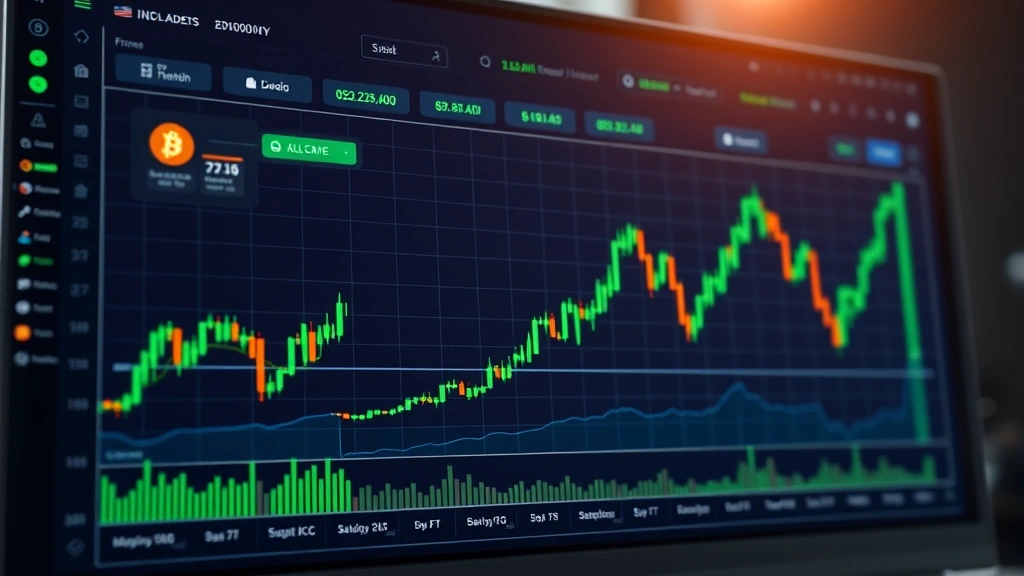
Technical analysis provides tools for understanding bitcoin price movements and potential future direction. The Best Indicators to Use on Bitcoin Charts include moving averages, relative strength index (RSI), MACD, and Bollinger Bands. These indicators help investors identify potential entry and exit points, support and resistance levels, and overbought or oversold conditions. However, technical analysis should be combined with fundamental analysis and risk management practices rather than used in isolation.
Fundamental analysis for bitcoin examines factors such as network growth, transaction volume, developer activity, and adoption rates. Metrics like the number of active addresses, transaction fees, and network value help investors assess whether bitcoin is undervalued or overvalued relative to its utility and adoption. A comprehensive investment strategy combines technical indicators, fundamental analysis, and macroeconomic awareness to guide decision-making regarding 100-bitcoin positions.
Risk management is paramount when holding substantial bitcoin quantities. Setting clear stop-loss levels, determining target prices for taking profits, and establishing position sizing rules help protect capital during inevitable market downturns. The cryptocurrency market remains volatile, and investors should only allocate capital they can afford to lose without threatening their financial security.
Security and Storage Considerations
Holding 100 bitcoins creates significant security responsibilities that casual investors with smaller positions might not face. The value of this holding makes it an attractive target for hackers, thieves, and scammers. Proper storage solutions are essential for protecting this asset. Hardware wallets like Ledger and Trezor provide offline storage, protecting private keys from online threats. For holders of 100 bitcoins, multi-signature wallets that require multiple private keys to authorize transactions add additional security layers.
Cold storage solutions completely disconnect bitcoin from the internet, eliminating hacking risks associated with online wallets or exchange accounts. Many institutional investors and high-net-worth individuals holding substantial bitcoin quantities use cold storage exclusively, accessing their bitcoin only when they intend to make transactions. This approach trades convenience for security, which is an appropriate tradeoff for protecting valuable assets.
Insurance and custody solutions have emerged as alternative approaches for storing large bitcoin quantities. Specialized cryptocurrency custody providers offer insured storage with institutional-grade security measures, though these services typically charge fees. Some bitcoin investors use a combination of approaches, maintaining a portion of their holdings in cold storage while keeping smaller amounts in more accessible formats for trading or spending purposes.
Backup and recovery procedures are critical components of bitcoin security. Private keys or seed phrases should be stored in multiple secure locations, protected from fire, flood, and other physical disasters. Loss of private keys means permanent loss of access to bitcoins, as the blockchain contains no mechanism for recovery. Proper documentation of backup locations and recovery procedures ensures that heirs or trusted individuals can access the bitcoins if necessary.
Tax Implications and Reporting
Holding 100 bitcoins creates tax obligations that vary significantly based on jurisdiction. In the United States, the Internal Revenue Service (IRS) treats bitcoin as property rather than currency, requiring capital gains reporting when bitcoins are sold or exchanged. The difference between the basis (price at acquisition) and the sale price determines the taxable gain or loss. Long-term holdings of more than one year receive preferential long-term capital gains treatment, while shorter holding periods are taxed at ordinary income rates.
Record-keeping is essential for accurate tax reporting. Each bitcoin purchase should be documented with the date, quantity, and price paid. Similarly, each sale or exchange should be recorded with the date, quantity, proceeds, and basis. Failure to report cryptocurrency transactions accurately can result in significant penalties and legal consequences. Many cryptocurrency investors use specialized tax software designed for tracking bitcoin transactions and calculating tax liability.
Mining, staking, and receiving bitcoins as payment create taxable events at the fair market value on the date of receipt. Donating bitcoins to charity can provide tax deductions based on the fair market value at the time of donation. Some jurisdictions offer favorable tax treatment for long-term cryptocurrency holdings, while others impose wealth taxes or capital gains taxes on unrealized gains. Consulting with a tax professional familiar with cryptocurrency taxation is highly recommended for holders of substantial bitcoin quantities.
International considerations add complexity for bitcoin holders in multiple jurisdictions. Different countries maintain varying rules regarding cryptocurrency taxation, reporting requirements, and treatment of gains. Citizens and residents of multiple countries may face reporting obligations in each jurisdiction where they reside or have income sources.
Future Outlook for Bitcoin Valuation
Bitcoin’s future valuation depends on multiple factors including mainstream adoption, regulatory clarity, macroeconomic conditions, and technological development. Optimistic scenarios envision bitcoin becoming a globally recognized store of value and medium of exchange, potentially supporting significantly higher prices than current levels. Pessimistic scenarios consider regulatory restrictions, technological obsolescence, or the emergence of superior competing cryptocurrencies that could limit bitcoin’s value.
Institutional adoption has increased substantially over recent years, with major companies, pension funds, and financial institutions allocating portions of their portfolios to bitcoin. This trend toward institutional ownership could support higher valuations as more capital flows into the asset class. The approval of bitcoin spot ETFs in multiple countries has accelerated institutional participation by providing familiar investment vehicles.
The How to Protect Investments During a Recession framework applies to bitcoin holdings as well. While some view bitcoin as a hedge against economic downturns and currency debasement, others consider it a risk asset that declines during severe recessions. Historical data shows mixed results, with bitcoin exhibiting both safe-haven characteristics and risk-asset behavior depending on market conditions.
Long-term bitcoin price projections vary wildly among analysts. Some cryptocurrency advocates project bitcoin could reach $100,000 or higher, while skeptics believe the cryptocurrency remains overvalued and subject to eventual collapse. The actual outcome will depend on real-world adoption, regulatory developments, and macroeconomic trends that remain highly uncertain. Investors holding 100 bitcoins should maintain awareness of these various scenarios while avoiding overconfidence in any single outcome.
The development of central bank digital currencies (CBDCs) and competing cryptocurrencies could influence bitcoin’s long-term role in the financial system. Bitcoin’s established network, security, and first-mover advantage provide significant competitive advantages, but technological disruption remains a possibility. Staying informed about cryptocurrency developments, regulatory changes, and market dynamics helps bitcoin holders make informed decisions about their substantial holdings.
FAQ
What is the exact current value of 100 bitcoins?
The current value of 100 bitcoins equals 100 multiplied by the current bitcoin price. Bitcoin trades continuously on global exchanges, so the value changes constantly. Check CoinDesk or major cryptocurrency exchanges for real-time pricing. For example, at $50,000 per bitcoin, 100 bitcoins would be worth $5 million.
Where can I check the real-time price of 100 bitcoins?
Major cryptocurrency exchanges like Coinbase, Kraken, and Binance display real-time bitcoin prices. Financial websites including CoinMarketCap, CoinGecko, and CoinDesk provide price data aggregated from multiple exchanges. These platforms allow you to multiply the displayed price by 100 to determine your holding’s value.
Is 100 bitcoins a significant amount?
Yes, 100 bitcoins represents a significant cryptocurrency holding. With approximately 21 million bitcoins in total supply, 100 bitcoins places an investor in the top tier of bitcoin ownership. The percentage of the global population holding even one bitcoin remains quite small, making 100 bitcoins an exceptional holding.
How should I store 100 bitcoins safely?
Hardware wallets like Ledger or Trezor provide secure offline storage for substantial bitcoin holdings. Multi-signature wallets requiring multiple private keys add additional security. Cold storage approaches that keep bitcoins completely offline eliminate online hacking risks. Institutional custody services offer insured storage for those preferring professional management.
What tax obligations arise from holding 100 bitcoins?
Tax obligations depend on your jurisdiction and whether you’ve sold or exchanged any bitcoins. In the United States, selling bitcoins triggers capital gains taxes based on the difference between your basis and sale price. Long-term holdings receive preferential tax treatment. Consult a tax professional familiar with cryptocurrency to ensure proper compliance.
How volatile is the value of 100 bitcoins?
Bitcoin’s volatility means that 100 bitcoins can experience significant value swings—potentially millions of dollars—within days or weeks. This volatility creates both opportunities and risks. Investors should only hold bitcoin amounts they can afford to lose without threatening financial stability, and should maintain clear risk management strategies.
Should I buy 100 bitcoins now?
Whether to purchase 100 bitcoins depends on your financial situation, risk tolerance, investment timeline, and analysis of bitcoin’s future prospects. Review the Should I Buy Bitcoin Now article for comprehensive considerations. Consider using dollar cost averaging to gradually build positions rather than making large lump-sum purchases.
Can I liquidate 100 bitcoins easily?
Yes, 100 bitcoins can be sold on major cryptocurrency exchanges, though executing such a large sale strategically to minimize price impact requires careful planning. The substantial daily trading volume across global exchanges provides sufficient liquidity for most situations. Dividing sales across multiple exchanges and time periods helps avoid moving the market against your position.
What factors could significantly change the value of 100 bitcoins?
Major regulatory announcements, macroeconomic shocks, technological breakthroughs, and shifts in institutional adoption could substantially affect bitcoin’s price. Monitoring Bitcoin Price Prediction May 2025 and broader market developments helps investors stay informed about factors that could impact their holdings.
How does bitcoin compare to other investments for $5 million?
Bitcoin offers different risk-return characteristics than traditional stocks, bonds, or real estate. It provides potential for significant appreciation but also carries substantial volatility and regulatory risks. A diversified portfolio typically includes bitcoin as a smaller allocation rather than concentrating all capital in this single asset class.


