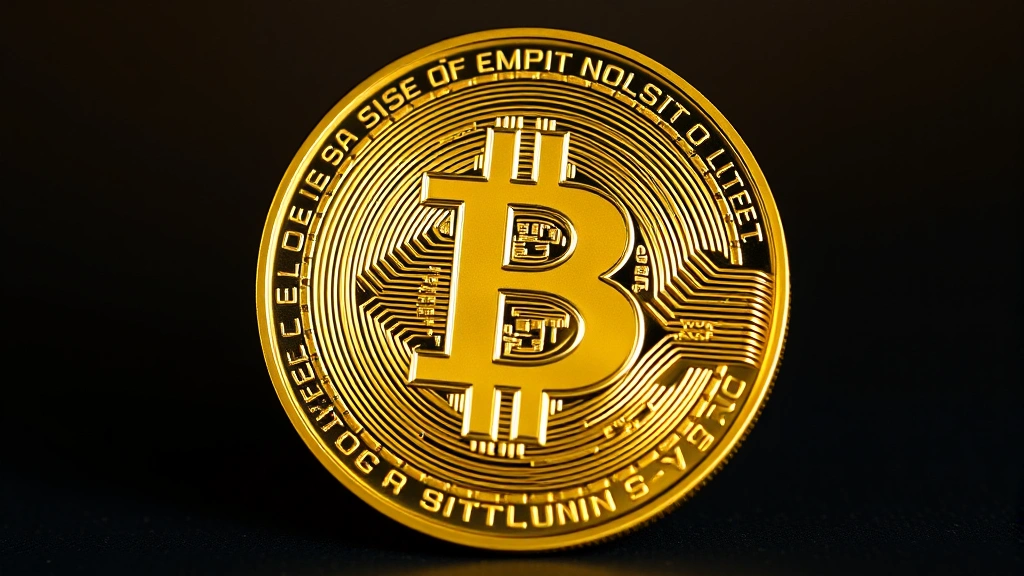
What Are Bitcoin Physical Coins? Collector’s Insight
Bitcoin exists as pure digital code on a decentralized blockchain network, yet the demand for tangible representations has created a thriving market for bitcoin physical coins. These collectible items bridge the gap between the intangible nature of cryptocurrency and humanity’s deep-rooted desire to hold and display wealth in physical form. Whether crafted from precious metals, designed as commemorative pieces, or engineered with security features, physical bitcoin coins have evolved into a unique niche within the broader crypto ecosystem.
For collectors, investors, and cryptocurrency enthusiasts, understanding the nuances of physical bitcoin coins reveals fascinating insights into how traditional numismatic traditions merge with modern digital currency culture. This comprehensive guide explores what these coins are, their types, value propositions, authentication methods, and why collectors are increasingly interested in adding them to their portfolios alongside digital holdings tracked on platforms like FintechZoom Bitcoin Price Today.
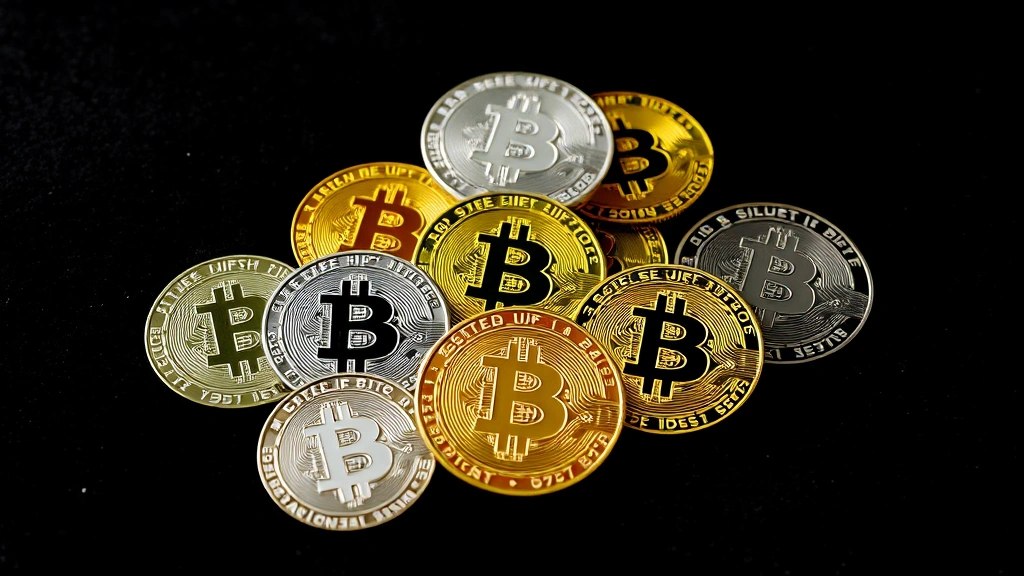
Understanding Bitcoin Physical Coins: Definition and Purpose
A bitcoin physical coin is a tangible object designed to represent Bitcoin or commemorate the cryptocurrency in physical form. Unlike actual cryptocurrency stored in digital wallets, these coins are not blockchain-based assets themselves. Instead, they serve as collectibles, memorabilia, or optionally as storage devices for private keys that control actual Bitcoin holdings.
The primary purposes of physical bitcoin coins include:
- Collectibility: Limited edition designs appeal to numismatists and crypto enthusiasts who appreciate artistic and historical significance
- Educational Value: Physical representations help newcomers understand cryptocurrency concepts in tangible terms
- Gift and Commemorative Use: Special editions mark milestones in Bitcoin’s history, such as halvings or price records
- Cold Storage Alternative: Some coins embed private keys or seeds, offering a physical backup method for securing actual Bitcoin
- Investment Speculation: Rare or limited-edition coins appreciate based on scarcity, design, and historical significance
The distinction between physical coins and actual Bitcoin ownership is crucial. Holding a physical coin does not automatically grant ownership of Bitcoin on the blockchain unless it explicitly contains embedded private key information. Understanding this relationship helps collectors make informed decisions about their purchases and expectations.
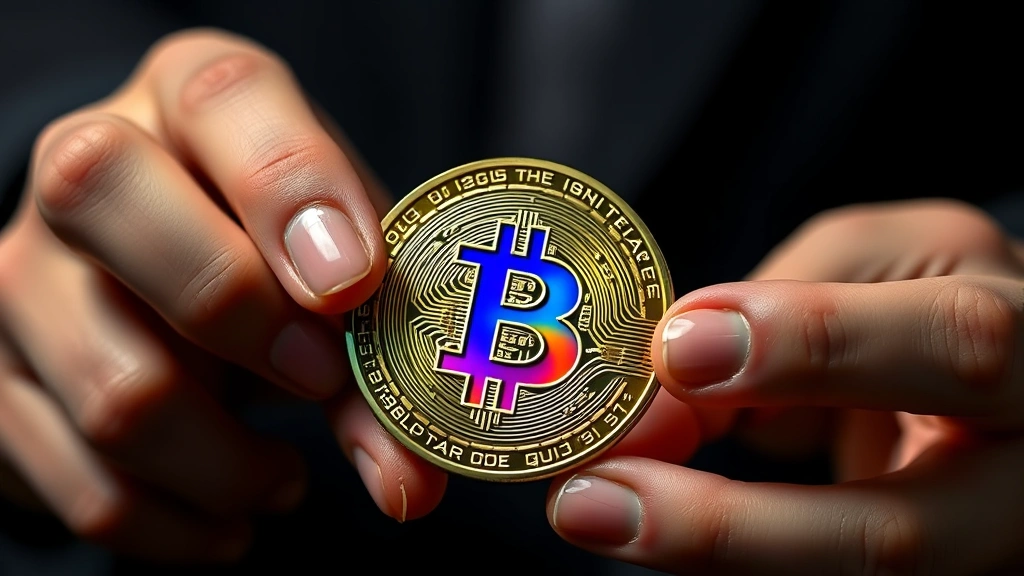
Types of Physical Bitcoin Coins
The market offers diverse categories of physical bitcoin coins, each serving different collector interests and use cases. Recognizing these distinctions helps enthusiasts identify which types align with their goals, whether they’re pursuing investment returns or building a curated collection.
Commemorative Coins represent the largest category, featuring artistic designs that celebrate Bitcoin’s milestones. These typically commemorate events like the network’s genesis block, significant price movements, or anniversaries of Bitcoin’s creation. They’re produced in limited quantities, often numbered and serialized, which enhances their collectibility. Many feature the iconic Bitcoin logo, blockchain imagery, or portraits of Satoshi Nakamoto.
Bullion Coins combine precious metal content with Bitcoin themes. Crafted from gold, silver, or platinum, these coins derive value from both material composition and numismatic appeal. Governments and private mints produce these pieces, with some achieving official recognition. For investors interested in precious metals alongside crypto exposure, bullion coins offer dual value propositions that traditional cryptocurrency holdings cannot provide.
Casascius Coins represent a historically significant category created by programmer Mike Caldwell. These coins embed private keys under tamper-evident holograms, allowing holders to physically own Bitcoin without digital wallet infrastructure. Original Casascius coins have become highly collectible, with early pieces commanding premium prices. The amount of bitcoin remaining in the ecosystem has influenced the scarcity and value of these coins.
Novelty and Souvenir Coins prioritize artistic expression over precious metal content. Produced in large quantities, these affordable pieces introduce casual collectors to physical bitcoin representation. While less valuable than limited editions, they serve important educational and promotional functions within the cryptocurrency community.
Hardware Wallet Coins integrate modern security technology, combining physical bitcoin representation with digital storage capabilities. Some manufacturers embed NFC chips or QR codes linking to cryptocurrency holdings, merging physical and digital security paradigms.
Materials and Manufacturing Standards
The quality and material composition of physical bitcoin coins significantly influence their value, durability, and appeal to collectors. Premium coins employ rigorous manufacturing standards comparable to official government coinage.
Precious Metal Composition remains the gold standard for high-value pieces. Gold coins typically contain .999 fine gold, with weights ranging from fractional grams to full ounces. Silver coins often feature .999 or .925 sterling silver purity, offering more affordable entry points than gold while maintaining intrinsic value. Platinum coins represent the premium tier, valued for extreme rarity and material worth.
The relationship between Bitcoin’s price movements and precious metal valuations creates interesting dynamics. As Bitcoin’s market cap grows, so does collector enthusiasm for physical representations, driving demand for limited-edition precious metal coins.
Base Metal Coins utilize copper, brass, or zinc alloys, providing affordable options for collectors prioritizing design and novelty over intrinsic material value. These pieces often feature vibrant colors, detailed minting, and innovative designs that showcase artistic creativity without the expense of precious metals.
Manufacturing Techniques employ both traditional coin striking and modern methods. Proof coins showcase exceptional detail through specialized minting processes, while uncirculated pieces maintain pristine condition. Some manufacturers use 3D printing or custom casting to create unique designs impossible with traditional presses.
Quality assurance standards vary significantly across producers. Reputable manufacturers provide certificates of authenticity, detailed specifications, and limited edition documentation. Collector-grade coins undergo rigorous inspection to ensure consistency with published standards, while mass-produced novelty pieces may have more relaxed quality controls.
Security Features and Authentication
As physical bitcoin coins increase in value, authentication becomes paramount. Sophisticated counterfeiting operations threaten the market, making security features essential for protecting collector investments.
Holographic Elements serve as primary tamper-evidence mechanisms, particularly in coins containing embedded private keys. High-quality holograms are extremely difficult to replicate, providing visual verification of authenticity. When damaged or removed, these holograms indicate potential compromise of contained cryptocurrency.
Serial Numbers and Certificates provide documented provenance. Limited-edition coins include unique identification numbers cross-referenced with official registration databases. Certificates of authenticity from reputable manufacturers include specifications, production details, and anti-counterfeiting information.
Weight and Dimension Verification allows collectors to authenticate coins using precision scales and calipers. Legitimate precious metal coins maintain exact specifications, while counterfeits often deviate measurably. Collectors serious about authentication invest in calibrated measurement equipment.
Material Testing Methods range from non-destructive techniques to invasive analysis. Specific gravity testing, magnetic susceptibility measurement, and sound resonance analysis can verify material composition without damaging coins. Professional grading services employ X-ray fluorescence and other advanced technologies for definitive authentication.
Registry Systems maintained by manufacturers or community organizations track registered coins, preventing duplicate claims and providing authenticity databases. Some blockchain-based systems now record physical coin ownership, creating digital verification complementing physical security features.
Collectibility and Investment Value
Understanding what drives value in physical bitcoin coins helps collectors make strategic acquisition decisions. Unlike cryptocurrency holdings, which derive value from network effects and adoption, physical coins incorporate numismatic, material, and historical value components.
Scarcity and Limited Editions fundamentally drive collectible value. Coins produced in quantities under 1,000 units typically command premium prices, particularly if production has ceased. First-year issues, special anniversary editions, and unique designs with no planned reprints attract serious collectors willing to pay substantial premiums.
Historical Significance elevates certain coins above material value. Original Casascius coins from Bitcoin’s early adoption phase trade for multiples of their embedded Bitcoin value, reflecting historical importance and scarcity. Coins commemorating specific Bitcoin milestones or featuring designs from renowned artists appreciate as cultural artifacts.
Condition Grading employs standardized scales similar to traditional numismatic grading. Coins in pristine condition command higher prices than circulated or damaged pieces. Professional grading services provide independent assessment, though costs may exceed the value of lower-tier coins.
Material Intrinsic Value establishes price floors for precious metal coins. Regardless of collector demand, gold and silver coins maintain minimum value based on spot prices. This provides downside protection while allowing upside appreciation from numismatic premiums.
Market Sentiment and Adoption influence physical bitcoin coin values alongside broader cryptocurrency market conditions. Periods of high Bitcoin enthusiasm correlate with increased collector interest and premium pricing. Conversely, bear markets may depress demand despite underlying precious metal value.
Buying and Storing Physical Bitcoin Coins
Acquiring quality physical bitcoin coins requires careful vendor selection, authentication verification, and appropriate storage solutions. The specialized nature of this market demands more diligence than purchasing standard merchandise.
Reputable Sources include established precious metals dealers, cryptocurrency-focused retailers, and official manufacturer websites. Authorized dealers provide certificates of authenticity, transparent pricing, and customer protections. Avoid marketplace sales from unverified sellers, as counterfeit coins proliferate in less-regulated channels.
Pricing for physical bitcoin coins varies dramatically based on type, material, and rarity. A novelty copper coin might cost $10-30, while a limited-edition gold proof coin could exceed $2,000. Precious metal bullion coins typically trade near spot prices plus modest premiums, while rare collectibles command prices reflecting historical significance and scarcity.
Storage Considerations depend on coin value and security concerns. High-value pieces warrant professional vault storage through precious metals dealers or specialized secure storage facilities. Home storage requires climate control to prevent oxidation and corrosion, along with secure safes or hidden locations. For coins containing embedded private keys, physical security prevents unauthorized access to contained Bitcoin.
Insurance and Documentation protect valuable collections against loss or theft. Specialized collectibles insurance covers physical bitcoin coins, typically requiring photographic documentation, certificates of authenticity, and professional appraisals. Maintaining detailed records of acquisition dates, prices, and condition supports both insurance claims and tax reporting.
Collectors interested in acquiring Bitcoin through digital channels should recognize that physical coins complement rather than replace digital asset ownership. Diversifying between digital holdings and physical collectibles spreads risk while satisfying different collector motivations.
The Future of Physical Bitcoin Collectibles
The physical bitcoin coin market continues evolving as technology advances and collector sophistication increases. Several trends suggest the trajectory of this niche segment within the broader cryptocurrency ecosystem.
Technological Integration will likely expand as manufacturers embed advanced security features and connectivity options. Blockchain-verified authenticity systems could revolutionize authentication, creating immutable records of coin ownership and transaction history. Integration with hardware wallets and cold storage solutions may blur lines between physical representation and functional security devices.
Artist Collaborations bring renowned designers into the physical bitcoin space, elevating coins to art objects worthy of museum collections. Limited editions featuring contemporary artists’ work appeal to broader audiences beyond traditional numismatists, potentially expanding the market significantly.
Regulatory Clarity may impact the market as governments establish frameworks for physical cryptocurrency representations. Some jurisdictions might recognize certain coins as official collectibles, while others could implement restrictions. Clear regulations could legitimize the market and attract institutional collectors.
Institutional Adoption represents significant growth potential. Museums, universities, and cryptocurrency foundations increasingly acquire physical coins for educational and historical preservation purposes. Institutional collecting could drive values for historically significant pieces while establishing physical bitcoin coins as legitimate cultural artifacts.
The long-term Bitcoin price trajectory influences collector enthusiasm and market dynamics. As Bitcoin matures as an asset class, physical representations may gain mainstream acceptance beyond cryptocurrency enthusiast circles.
Community-Driven Innovation continues producing novel designs and manufacturing approaches. Decentralized communities develop open-source designs and collaborative projects, democratizing physical bitcoin coin creation. This grassroots innovation complements commercial manufacturers’ offerings, creating diverse options for collectors with varying preferences and budgets.
The intersection of physical and digital assets will likely define the sector’s evolution. As blockchain technology becomes more sophisticated, physical coins may incorporate increasingly advanced security and verification mechanisms, creating seamless bridges between tangible and digital wealth representation.
FAQ
What is the difference between a physical bitcoin coin and actual Bitcoin?
Physical bitcoin coins are collectible objects with no intrinsic blockchain value unless they explicitly contain embedded private keys. Actual Bitcoin exists as digital entries on the blockchain ledger. A physical coin might represent Bitcoin artistically or commemorate the cryptocurrency, but owning the coin doesn’t automatically grant ownership of Bitcoin unless private key information is embedded within it.
Can physical bitcoin coins be used as cold storage?
Yes, some physical coins, particularly Casascius coins and modern hardware wallet coins, embed private keys under tamper-evident holograms. These coins function as cold storage devices by keeping cryptocurrency offline. However, most physical coins serve purely commemorative purposes and don’t contain any private key information.
How do I authenticate a physical bitcoin coin?
Authentication involves multiple methods: verify serial numbers against manufacturer databases, check certificates of authenticity, measure weight and dimensions against published specifications, assess hologram quality, and consider using professional grading services for high-value pieces. For coins with embedded keys, examine hologram integrity without removing it.
What factors influence the value of physical bitcoin coins?
Value depends on material composition, scarcity and edition size, historical significance, condition grade, artist reputation, precious metal spot prices, and collector demand. Limited-edition gold or silver coins with special designs typically appreciate faster than mass-produced novelty pieces.
Where should I store valuable physical bitcoin coins?
High-value coins warrant professional vault storage through precious metals dealers or secure storage facilities. For home storage, use climate-controlled safes with insurance coverage. Maintain detailed photographic documentation and certificates of authenticity. Consider specialized collectibles insurance to protect against loss or theft.
Are physical bitcoin coins good investments?
Physical bitcoin coins can appreciate based on scarcity, historical significance, and collector demand, but they’re more collectibles than liquid investments. Returns depend on selecting rare pieces and maintaining condition. Precious metal coins provide downside protection through intrinsic material value, while purely commemorative pieces rely entirely on collector demand.


