Is Bitcoin Used in Tarkov? Gamer Insights and In-Game Economics
Escape from Tarkov, the hardcore first-person shooter MMO developed by Battlestate Games, has captivated millions of players worldwide with its intense gameplay, realistic mechanics, and intricate in-game economy. One of the most intriguing aspects of Tarkov’s economic system is the presence of Bitcoin as a tradeable in-game item. However, this Bitcoin bears no direct connection to real-world cryptocurrency—it exists purely as a virtual currency within the game’s ecosystem. Understanding how Bitcoin functions in Tarkov reveals fascinating parallels to real economic systems and provides valuable insights into game design, player behavior, and virtual markets.
The inclusion of Bitcoin in Tarkov has sparked considerable discussion within the gaming community, particularly among players curious about the relationship between the in-game item and actual cryptocurrency. This comprehensive guide explores how Bitcoin operates in Escape from Tarkov, why developers chose to include it, how players obtain and utilize it, and what this tells us about virtual economies compared to real-world financial systems.
Bitcoin in Tarkov: Overview and Purpose
Bitcoin in Escape from Tarkov serves as a valuable in-game item that players can collect, trade, and sell for substantial in-game currency known as Roubles. Unlike real cryptocurrency, Tarkov’s Bitcoin has no blockchain technology, no decentralized ledger, and no real-world monetary value. Instead, it functions as a high-value collectible item similar to precious metals or jewelry within the game’s economy.
The developers at Battlestate Games incorporated Bitcoin into Tarkov’s economy as a strategic element that encourages exploration, risk-taking, and long-term planning. Players who successfully extract Bitcoin from raids can convert it into Roubles through various traders, making it one of the most profitable items to find during gameplay. The inclusion of Bitcoin also adds cultural relevance to the game, tapping into widespread public awareness of cryptocurrency while maintaining complete separation from actual digital assets.
Tarkov’s Bitcoin typically appears as a physical item in your inventory with a distinct visual representation. Its value fluctuates based on in-game trader pricing systems, creating an additional layer of economic complexity that mirrors real market dynamics. This design choice demonstrates how video games can incorporate real-world financial concepts to enhance immersion and player engagement.
How to Find and Obtain Bitcoin in Tarkov
Players can obtain Bitcoin in Tarkov through several distinct methods, each requiring different strategies and risk assessments. The primary methods include looting specific locations, completing raids, finding Bitcoin in hidden caches, and purchasing from other players through the Flea Market.
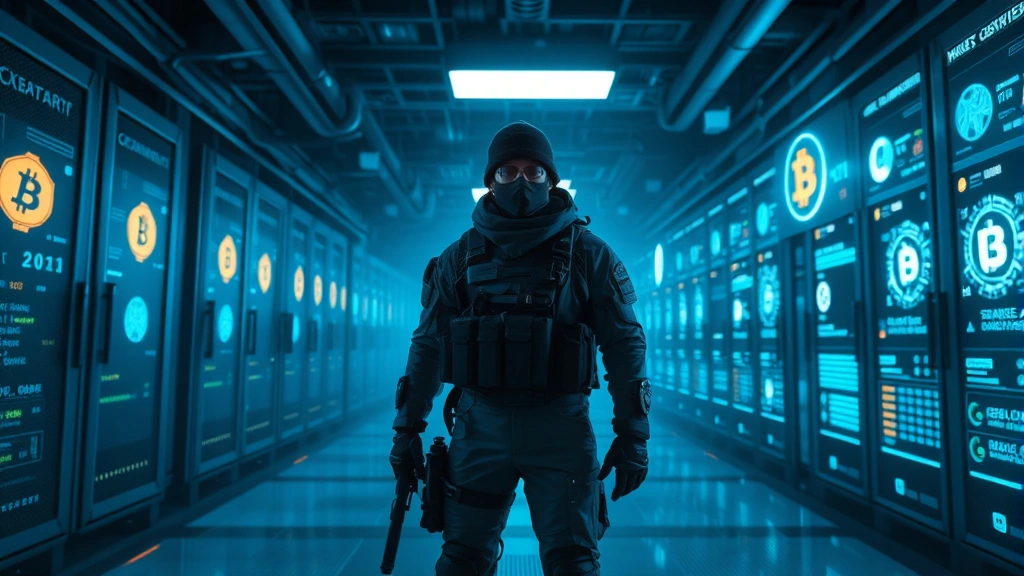
Looting High-Value Locations: Certain maps in Tarkov contain locations more likely to yield Bitcoin. The Reserve map, particularly around server rooms and technical areas, frequently spawns Bitcoin items. Similarly, the Lighthouse map offers Bitcoin spawns in specific high-security areas. The Streets of Tarkov map also contains multiple Bitcoin spawn points, though accessing these areas typically requires navigating dangerous player-infested zones.
Hidden Caches and Safes: Bitcoin frequently appears inside locked safes and hidden containers scattered throughout various maps. Players must possess the appropriate keys to access these containers, adding a layer of strategic planning to Bitcoin acquisition. Some safes require rare keys that themselves command high prices on the Flea Market, creating interesting economic trade-offs.
Flea Market Trading: Experienced players with substantial Rouble reserves can purchase Bitcoin directly from other players through Tarkov’s Flea Market system. This approach requires significant capital but guarantees acquisition without the risk of dying during raids. However, prices fluctuate based on supply and demand, similar to actual financial markets.
Raid Rewards: Completing specific quests and objectives occasionally rewards players with Bitcoin. These quest-based Bitcoins provide reliable acquisition methods for players willing to complete challenging tasks.
Bitcoin Mining in Escape from Tarkov
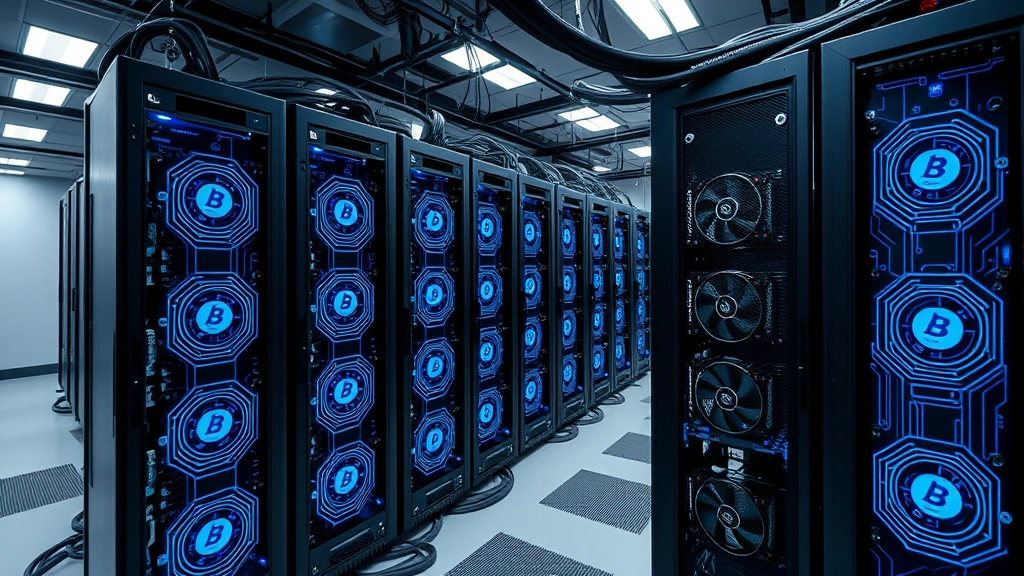
One of the most distinctive features of Tarkov’s economy is the ability to mine Bitcoin within your hideout, the player’s personal base of operations. This mechanic parallels real-world cryptocurrency mining while maintaining the game’s balanced economic structure.
Setting Up the Mining Operation: Players must construct and upgrade a Bitcoin mining facility within their hideout using in-game resources and currency. The initial setup requires substantial investment in hideout upgrades, CPU components, and graphics processing units (GPUs). These components must be physically looted from raids, adding a layer of grinding and exploration to the mining setup process.
Mining Yield and Duration: Once operational, the Bitcoin mining facility generates one Bitcoin approximately every 24 real-world hours, though this timeline adjusts based on hideout upgrades and installed components. Players can accelerate production by installing additional GPUs and upgrading the mining rig, but each improvement demands significant resource investment.
Economic Implications: Bitcoin mining represents the most reliable long-term wealth generation method in Tarkov. Unlike raid-based income, mining continues passively while players engage in other activities or log out completely. This creates interesting economic incentives where dedicated players can accumulate substantial wealth through patient, systematic approaches rather than exclusively relying on combat success.
The mining mechanic demonstrates sophisticated game design thinking about resource management, time investment, and economic systems. It rewards players who plan strategically while maintaining balance by requiring substantial initial capital and hideout development.
Trading and Selling Bitcoin
Converting Bitcoin into Roubles requires understanding Tarkov’s trader system and market dynamics. Multiple avenues exist for monetizing Bitcoin, each with different advantages and disadvantages.
Trader Sales: Several in-game traders purchase Bitcoin at fixed prices. The Therapist and Fence traders both offer Bitcoin purchases at predetermined rates. These transactions guarantee consistent value but typically offer slightly lower rates than player-to-player trading. Trader relationships also improve through successful sales, unlocking additional trading benefits and reputation bonuses.
Flea Market Sales: Players can list Bitcoin on the Flea Market for negotiated prices. This approach potentially yields higher profits than trader sales but requires finding willing buyers and managing marketplace competition. Flea Market prices fluctuate dynamically based on supply, demand, and player willingness to pay premium prices.
Price Volatility: Bitcoin prices in Tarkov experience fluctuations influenced by game patches, economy adjustments, and player behavior changes. Understanding these price movements helps players optimize selling timing, similar to how real investors analyze market conditions. Some players hold Bitcoin expecting price increases, while others immediately convert to Roubles.
Bitcoin’s Role in the Game Economy
Bitcoin functions as a critical pillar of Tarkov’s economic system, influencing player behavior, progression strategies, and overall game dynamics. Understanding Bitcoin’s economic role provides insights into how virtual economies operate and what drives player decision-making.
Wealth Inequality: Bitcoin availability creates wealth disparities within the player base. Experienced players with established hideouts generate consistent passive Bitcoin income, accumulating wealth faster than newer players. This economic stratification mirrors real-world wealth distribution patterns, creating interesting social dynamics within the community.
Risk-Reward Analysis: Players constantly evaluate whether raid risks justify potential Bitcoin rewards. A player might assess that looting high-Bitcoin-value locations carries dangerous player-encounter probability, requiring sophisticated risk-tolerance evaluation. This decision-making process parallels real investment analysis where potential returns must justify corresponding risks.
Market Stabilization: Bitcoin serves as a wealth sink within Tarkov’s economy, absorbing player capital and preventing infinite Rouble accumulation. By making Bitcoin valuable but not essential for progression, developers created an economically balanced system where players maintain motivation for continued engagement.
The economic role of Bitcoin demonstrates how virtual items can create complex, self-sustaining economic systems that engage player psychology and strategic thinking. Learning about investment principles in real cryptocurrency helps understand these game economy dynamics better.
Comparing Virtual and Real Cryptocurrency
While Tarkov’s Bitcoin shares its name with actual cryptocurrency, the two systems differ fundamentally in technology, value, and purpose. Understanding these distinctions helps clarify common misconceptions about both virtual and real digital assets.
Blockchain Technology: Real cryptocurrency operates on blockchain technology, a decentralized ledger system that records all transactions immutably. Tarkov’s Bitcoin exists solely on Battlestate Games’ centralized servers, without any blockchain infrastructure. This fundamental difference means Tarkov Bitcoin cannot be transferred outside the game or verified through decentralized networks.
Real-World Value: Actual Bitcoin possesses real-world monetary value, exchangeable for fiat currency through cryptocurrency exchanges. Tarkov Bitcoin has zero real-world value—it cannot be sold for actual money, though some players attempt black-market sales that violate game terms of service. The distinction matters significantly for regulatory and legal purposes.
Economic Principles: Despite technological differences, both systems demonstrate legitimate economic principles. Supply and demand dynamics influence both real and virtual Bitcoin prices. Scarcity creates value in both contexts. Understanding how Tarkov’s Bitcoin economy operates provides practical insights applicable to real cryptocurrency markets, though at a simplified scale.
Security and Ownership: Real Bitcoin ownership depends on private key security and blockchain verification. Tarkov Bitcoin ownership relies entirely on account security and developer server integrity. If Battlestate Games’ servers suffer compromise, Tarkov Bitcoin could disappear entirely, whereas real Bitcoin remains secure if private keys remain protected.
For players interested in understanding actual cryptocurrency investment, examining resources about cryptocurrency market analysis provides valuable educational foundation beyond gaming contexts.
Strategic Value for Serious Players
For dedicated Tarkov players pursuing maximum efficiency and wealth accumulation, Bitcoin represents one of the most strategically important items in the entire game. Understanding optimal Bitcoin strategies separates casual players from competitive ones.
Hideout Prioritization: Serious players prioritize Bitcoin mining facility upgrades early in their progression journey. While this requires substantial initial capital, the long-term passive income substantially outweighs the opportunity cost. Strategic players calculate exact upgrade sequences that maximize Bitcoin generation efficiency relative to resource investment.
Raid Route Optimization: Experienced players develop specific raid routes targeting known Bitcoin spawn locations. These routes balance travel time, danger exposure, and Bitcoin probability to maximize expected value per raid. Different maps require different strategies based on spawn locations, player density, and extraction difficulty.
Market Timing: Sophisticated players monitor Bitcoin price fluctuations across traders and the Flea Market, timing sales to maximize Rouble conversion. Some players hold Bitcoin expecting price increases after game patches, while others immediately liquidate for guaranteed returns. This mirrors real investment decision-making about asset timing.
Portfolio Diversification: Serious players don’t rely exclusively on Bitcoin for wealth generation. They develop diversified income streams including looting high-value items, completing quests, running specific raid routes, and maintaining Bitcoin mining. This diversification principle directly parallels real investment strategy where setting investment goals requires understanding portfolio composition.
The strategic complexity surrounding Bitcoin in Tarkov demonstrates how video games can teach legitimate economic and financial principles through engaging gameplay mechanics. Players who master Tarkov’s economy develop intuitive understanding of concepts applicable to real financial markets, though the actual risks and rewards differ dramatically.
Understanding virtual economies also provides context for evaluating real cryptocurrency risks. Just as Tarkov Bitcoin depends on developer decisions and server integrity, real cryptocurrency depends on network security and community consensus. Learning about risk tolerance in gaming contexts helps players evaluate real investment risks more carefully.
FAQ
Can I convert Tarkov Bitcoin to real money?
No, Tarkov Bitcoin has absolutely no real-world monetary value. It cannot be exchanged for actual currency through legitimate channels. Attempting to sell Tarkov Bitcoin violates the game’s terms of service and could result in account suspension or permanent bans. The virtual item exists purely within the game’s ecosystem.
How often does Bitcoin spawn in Tarkov raids?
Bitcoin spawn rates vary by location and map. High-value locations like Reserve and Lighthouse have more frequent spawns but attract more dangerous players. Exact spawn probabilities remain undisclosed by developers, but experienced players report finding Bitcoin approximately once every 5-10 raids when actively looting known spawn locations.
Is Bitcoin mining in Tarkov worth the investment?
Yes, Bitcoin mining represents one of the most profitable long-term investments in Tarkov. A fully upgraded mining facility generates approximately one Bitcoin every 24 hours, which converts to substantial Rouble income. The initial setup costs are significant, but the passive income generation easily justifies the investment within a few weeks of gameplay.
Do Bitcoin prices change in Tarkov?
Yes, Bitcoin prices fluctuate in Tarkov based on game patches, economy adjustments, and market dynamics. Trader prices remain relatively stable, but Flea Market prices vary constantly based on player supply and demand. Monitoring price trends helps players optimize selling timing.
What’s the difference between Tarkov Bitcoin and real Bitcoin?
Tarkov Bitcoin is a virtual game item with no real value, no blockchain technology, and no connection to actual cryptocurrency. Real Bitcoin operates on decentralized blockchain technology, possesses real monetary value, and can be exchanged for actual currency. The two systems are entirely separate despite sharing the same name.
How much Rouble value is one Bitcoin worth?
Bitcoin value in Roubles fluctuates regularly but typically ranges between 500,000 to 700,000 Roubles depending on current market conditions and trader pricing. Flea Market prices may exceed trader prices during high-demand periods. Players should check current prices before selling to optimize returns.


