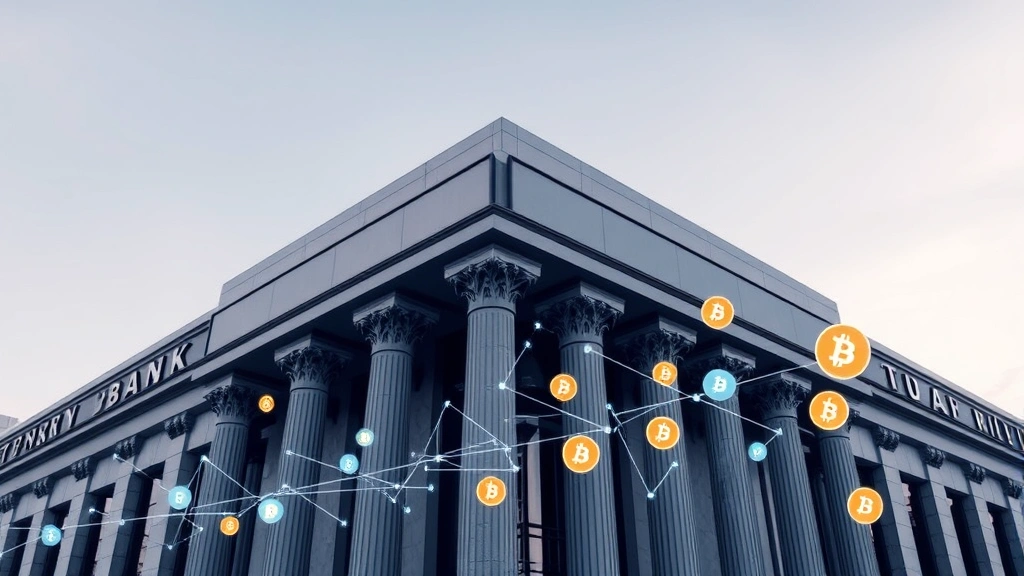
Bank of America Bitcoin Stance: Analyst Insight
Bank of America’s position on Bitcoin has evolved significantly over the past several years, reflecting broader institutional shifts in how traditional finance views cryptocurrency. Once dismissed as a speculative asset class, Bitcoin has gradually gained recognition from major financial institutions, including Bank of America, which now acknowledges its role in diversified investment portfolios. Understanding the nuances of Bank of America’s stance on Bitcoin is crucial for investors seeking guidance from established financial institutions navigating the cryptocurrency landscape.
The evolution of Bank of America’s Bitcoin perspective reveals important patterns about institutional adoption, regulatory considerations, and the growing intersection between traditional banking and digital assets. As one of the world’s largest financial institutions with significant influence over investment trends, Bank of America’s official positions and analyst recommendations carry substantial weight in shaping how retail and institutional investors perceive cryptocurrency opportunities and risks.

Evolution of Bank of America’s Bitcoin Stance
Bank of America’s journey with Bitcoin began with skepticism. In earlier years, the institution’s leadership expressed concerns about cryptocurrency’s volatility, regulatory uncertainty, and potential use in illicit activities. However, this perspective has undergone substantial transformation as Bitcoin demonstrated resilience, achieved greater market maturity, and attracted mainstream institutional investors.
The turning point came as Bitcoin’s market capitalization surged and institutional adoption accelerated. Bank of America recognized that dismissing Bitcoin entirely would mean ignoring a significant asset class with growing real-world applications. The institution began integrating Bitcoin analysis into its research divisions, offering clients educational resources about cryptocurrency investment, and acknowledging Bitcoin’s potential as a store of value alongside traditional assets.
In recent years, Bank of America has positioned itself as a neutral facilitator of cryptocurrency transactions for clients who wish to engage with digital assets. Rather than actively promoting Bitcoin, the bank has shifted toward providing comprehensive information that allows clients to make informed decisions. This pragmatic approach reflects the reality that Bitcoin has become too significant to ignore, while maintaining the bank’s traditional fiduciary responsibilities.
The bank’s compliance and risk management frameworks have also evolved to accommodate Bitcoin and other cryptocurrencies. Bank of America has invested in technology infrastructure to monitor cryptocurrency transactions, understand blockchain technology, and ensure regulatory compliance. This operational transformation demonstrates the institution’s commitment to serving clients in the evolving financial landscape.

Analyst Perspectives and Research
Bank of America’s research team has produced numerous reports examining Bitcoin’s characteristics, market dynamics, and investment implications. These analyses typically acknowledge Bitcoin’s unique properties as a decentralized digital asset while emphasizing the importance of understanding volatility and market risks.
Key themes in Bank of America’s research include Bitcoin’s correlation with traditional assets, its potential role in portfolio diversification, and the technical factors driving price movements. Analysts have noted that Bitcoin’s behavior differs significantly from stocks and bonds, making it a potentially valuable diversification tool for sophisticated investors with appropriate risk tolerance.
One significant area of Bank of America’s research focuses on comparing Bitcoin with other asset classes. The institution has examined whether Bitcoin functions as digital gold, comparing its properties to precious metals, and whether it provides meaningful portfolio benefits. Research findings suggest that Bitcoin’s low correlation with traditional assets can provide diversification benefits, though this benefit diminishes during extreme market stress when correlations tend to increase.
Bank of America analysts have also examined the Bitcoin price prediction landscape, analyzing technical factors, on-chain metrics, and macroeconomic influences. While the institution avoids making definitive price predictions, analysts provide frameworks for understanding potential price drivers and market scenarios. This research approach acknowledges that cryptocurrency markets remain highly speculative while providing analytical tools for decision-making.
Comparisons with other major financial institutions prove instructive. JPMorgan Bitcoin 2025 prediction analysis demonstrates how investment banks approach Bitcoin valuations differently, with JPMorgan establishing specific price targets while Bank of America maintains more cautious frameworks.
Institutional Adoption and Market Impact
Bank of America’s gradual embrace of Bitcoin reflects and accelerates broader institutional adoption trends. As one of the world’s largest financial institutions, the bank’s willingness to facilitate Bitcoin transactions and research cryptocurrency has influenced other financial institutions to develop their own cryptocurrency strategies.
Institutional adoption has fundamentally changed Bitcoin’s market structure. When major institutions began allocating capital to Bitcoin, the asset’s price stability improved and liquidity increased substantially. Bank of America’s role in this process, while often understated, has been significant. By providing custody solutions, trading platforms, and research to institutional clients, the bank has reduced friction for large capital allocations.
The impact extends beyond trading and custody services. Bank of America’s research publications reach thousands of financial advisors, wealth managers, and institutional investors. When the bank’s analysts discuss Bitcoin’s potential merits, this information influences asset allocation decisions across the financial industry. This multiplier effect means Bank of America’s stance carries influence far beyond its direct client base.
Bitcoin’s increasing correlation with institutional investment flows demonstrates this impact. As institutions like Bank of America facilitate greater capital flows into Bitcoin, the asset has become more responsive to macroeconomic factors and less purely driven by retail speculation. This evolution suggests Bitcoin is gradually maturing as an asset class, though significant volatility remains.
Risk Considerations and Warnings
Despite acknowledging Bitcoin’s growing importance, Bank of America consistently emphasizes significant risks associated with cryptocurrency investment. The institution’s approach reflects fiduciary responsibilities and genuine concerns about protecting client assets.
Primary risks highlighted by Bank of America analysts include extreme volatility, regulatory uncertainty, and technological risks. Bitcoin’s price has experienced multiple corrections exceeding 50% from peak levels, creating substantial drawdown risks for investors. Bank of America research emphasizes that investors should only allocate capital they can afford to lose without compromising financial goals or retirement security.
Regulatory risks represent another major concern. Bank of America closely monitors regulatory developments globally, recognizing that unfavorable regulatory actions could significantly impact Bitcoin’s value and accessibility. The institution advises clients to stay informed about regulatory changes and understand how government actions might affect their cryptocurrency holdings.
Technological risks, while often overlooked by retail investors, receive serious consideration from Bank of America analysts. The institution examines potential vulnerabilities in Bitcoin’s network, the implications of quantum computing, and the challenges of blockchain scalability. These technical considerations inform the bank’s long-term assessments of Bitcoin’s viability as a financial asset.
Bank of America also emphasizes behavioral risks associated with cryptocurrency investment. The highly speculative nature of crypto markets can trigger emotional decision-making, leading investors to buy at peaks and sell at bottoms. The bank’s educational materials stress the importance of disciplined investment approaches, such as Bitcoin DCA strategy, which can reduce timing risk through systematic purchasing.
Investment Strategies for Bitcoin
For investors considering Bitcoin allocation, Bank of America’s research suggests several strategic approaches. The institution emphasizes that Bitcoin should represent only a modest portion of diversified portfolios, with allocation sizes dependent on individual risk tolerance and financial circumstances.
Dollar-cost averaging emerges as a recommended strategy in Bank of America materials, allowing investors to accumulate Bitcoin positions gradually while reducing exposure to short-term price volatility. This approach proves particularly suitable for risk-averse investors seeking cryptocurrency exposure without concentrating capital at potentially unfavorable prices.
Portfolio allocation frameworks suggest Bitcoin should constitute 1-5% of diversified portfolios for most investors, with higher allocations only appropriate for investors with substantial financial resources and genuine risk appetite. Bank of America research indicates that allocations exceeding 10% introduce concentrated risk that may not align with prudent portfolio management principles.
The institution also discusses the importance of custody and security when holding Bitcoin. Bank of America emphasizes that investors must carefully evaluate custodial options, ensuring proper insurance coverage, security protocols, and regulatory oversight. Self-custody through personal wallets introduces operational risks that many institutional investors find unacceptable.
For those planning long-term financial goals, tools like the Bitcoin retirement calculator can help integrate cryptocurrency allocation into comprehensive retirement planning. These tools demonstrate how modest Bitcoin allocations might compound over extended periods while maintaining overall portfolio risk within acceptable parameters.
Regulatory Environment and Compliance
Bank of America’s Bitcoin stance reflects deep engagement with regulatory developments affecting cryptocurrency. The institution maintains dedicated compliance teams monitoring regulatory changes globally, recognizing that government actions represent one of the most significant risks to cryptocurrency values.
The bank actively participates in regulatory discussions with financial authorities, helping shape cryptocurrency policy while ensuring its operations remain compliant with evolving regulations. This proactive engagement positions Bank of America to adapt quickly to regulatory changes and maintain operational continuity as the legal framework governing cryptocurrency continues developing.
Bank of America’s approach to anti-money laundering (AML) and know-your-customer (KYC) requirements in cryptocurrency transactions demonstrates this regulatory commitment. The institution implements sophisticated systems to monitor cryptocurrency transactions, identify suspicious activities, and report violations to authorities. These controls ensure that Bank of America’s cryptocurrency services support legitimate activities while preventing misuse.
The bank also educates clients about tax implications of Bitcoin ownership and trading. Bank of America’s materials emphasize that cryptocurrency transactions trigger tax reporting requirements, and clients must maintain proper documentation for tax purposes. This educational focus reflects the institution’s commitment to helping clients maintain tax compliance while engaging with digital assets.
International regulatory variations significantly complicate cryptocurrency compliance. Bank of America must navigate different regulatory frameworks across jurisdictions where it operates, adapting its cryptocurrency services to local legal requirements. This complexity explains why Bank of America’s cryptocurrency services may vary by geography and client type.
Future Outlook and Predictions
Looking forward, Bank of America’s analysts suggest Bitcoin will likely continue integrating into mainstream financial markets, though significant uncertainties remain. The institution expects institutional adoption to continue, potentially stabilizing Bitcoin’s price volatility over extended periods.
Technological developments, particularly improvements in how many bitcoins are left to mine and blockchain scalability, will influence Bitcoin’s long-term viability. Bank of America analysts monitor these technical developments closely, recognizing that Bitcoin’s utility and value proposition depend on continued technological evolution.
Regulatory clarity represents perhaps the most important variable determining Bitcoin’s future. Bank of America expects that clearer regulatory frameworks will reduce uncertainty and potentially accelerate institutional adoption. However, the institution also acknowledges that unfavorable regulatory developments could significantly constrain Bitcoin’s growth trajectory.
The relationship between Bitcoin and traditional monetary policy will likely continue evolving. Bank of America research suggests that Bitcoin’s value proposition as a hedge against monetary debasement may strengthen if inflation returns, though this relationship remains imperfect and contested among analysts.
Ultimately, Bank of America’s future outlook on Bitcoin reflects cautious optimism tempered by realistic acknowledgment of risks. The institution sees Bitcoin as a legitimate asset class with growing institutional acceptance, but not as a guaranteed investment or replacement for traditional financial assets.
FAQ
Does Bank of America recommend Bitcoin investment?
Bank of America does not actively recommend Bitcoin investment but provides educational resources and research enabling clients to make informed decisions. The institution acknowledges Bitcoin’s growing importance while emphasizing the need for careful risk assessment and appropriate portfolio sizing.
What percentage of portfolios should Bitcoin represent according to Bank of America?
Bank of America research suggests Bitcoin should represent 1-5% of diversified portfolios for most investors, with higher allocations only appropriate for investors with substantial resources and high risk tolerance. Allocation decisions should reflect individual circumstances and financial goals.
How does Bank of America view Bitcoin’s volatility?
Bank of America recognizes Bitcoin’s extreme volatility as a defining characteristic and significant risk factor. The institution emphasizes that investors must understand and accept volatility risks before allocating capital to Bitcoin, and should only invest amounts they can afford to lose.
Can I hold Bitcoin through Bank of America accounts?
Bank of America provides various services related to Bitcoin, including research, trading platforms for eligible clients, and custody solutions. However, service availability varies by account type, client status, and geographic location. Clients should contact the bank directly regarding specific Bitcoin services available for their accounts.
What are Bank of America’s main concerns about Bitcoin?
Bank of America’s primary concerns include extreme price volatility, regulatory uncertainty, technological risks, and behavioral risks associated with speculative investing. The institution emphasizes that these risks require careful consideration before Bitcoin allocation.
How does Bank of America’s Bitcoin stance compare to other banks?
Bank of America’s approach represents middle ground among major financial institutions. Some banks remain more skeptical of cryptocurrency, while others like JPMorgan have taken more bullish positions. Bank of America’s pragmatic stance reflects its role as a major institutional facilitator of cryptocurrency services while maintaining risk management focus.


