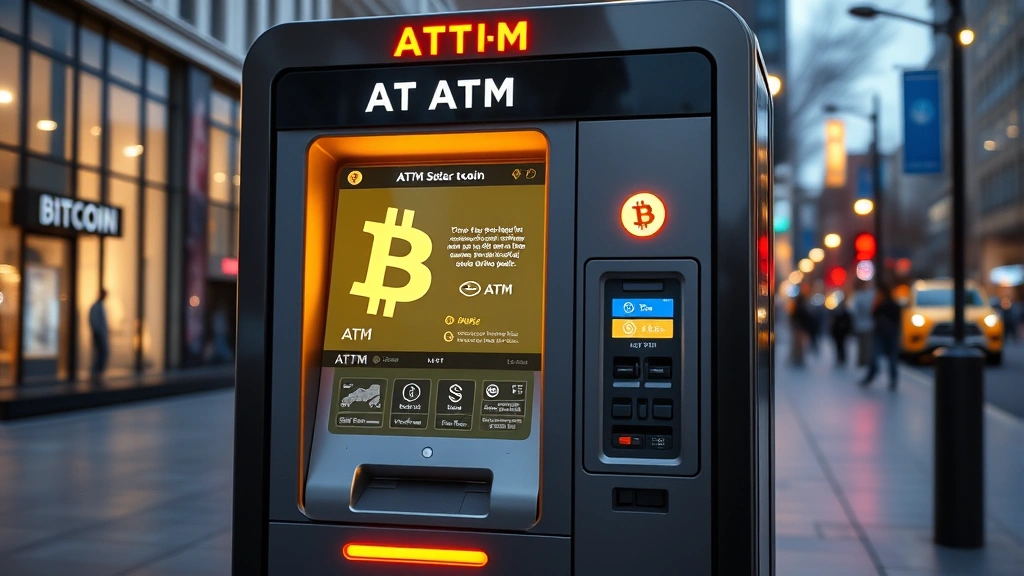
Bitcoin ATM Fees: What You Need to Know
Bitcoin ATMs have emerged as a convenient gateway for purchasing and selling cryptocurrency without relying on traditional exchanges. However, one critical aspect that often surprises users is the fee structure associated with these machines. Unlike standard bank ATMs that charge modest withdrawal fees, Bitcoin ATMs typically impose significantly higher transaction costs that can range from 5% to 20% or more depending on the operator and location. Understanding these fees is essential before using a Bitcoin ATM, as they directly impact your investment returns and overall cost basis.
The proliferation of Bitcoin ATMs across North America, Europe, and Asia has made cryptocurrency more accessible to mainstream users. Yet this convenience comes at a premium price. Whether you’re a seasoned investor conducting a quick transaction or a newcomer entering the crypto space for the first time, comprehending how Bitcoin ATM fees work will help you make informed financial decisions. This guide explores the intricacies of Bitcoin ATM pricing, factors that influence fees, and strategies to minimize costs when converting between fiat currency and Bitcoin.
How Bitcoin ATM Fees Work
Bitcoin ATM fees operate differently from traditional ATM charges. When you use a Bitcoin ATM, you’re not simply withdrawing pre-loaded cash; instead, you’re engaging in a real-time cryptocurrency transaction that involves multiple parties and operational costs. The fee structure typically includes several components: the operator’s margin, network transaction fees, compliance costs, and profit allocation.
Most Bitcoin ATMs function as peer-to-peer exchanges or direct connections to liquidity providers. When you insert cash into a machine, the operator purchases Bitcoin from their liquidity source at the current market rate and transfers it to your wallet. The difference between the wholesale price they pay and the retail price you receive constitutes the operator’s profit margin. This spread is where the majority of Bitcoin ATM fees originate.
The fee presentation varies by machine. Some operators display the fee as a flat percentage (e.g., 8% markup), while others show the amount in fiat currency or Bitcoin. Understanding how to read these fee disclosures is crucial. A machine advertising “5% fee” might actually charge more when you account for hidden spreads or additional network transaction costs that appear only during the final transaction confirmation.
Network transaction fees, also called miner fees, represent another cost layer. These are payments to Bitcoin network validators who process your transaction on the blockchain. Bitcoin ATM operators typically absorb or incorporate these fees into their overall markup, but they can fluctuate based on network congestion. During periods of high Bitcoin network activity, these costs can increase substantially.
Typical Fee Ranges and Pricing Models
Bitcoin ATM fees vary considerably across different operators and geographic regions. In the United States, typical buy fees range from 7% to 15%, while sell fees often fall between 5% to 10%. However, some machines in high-traffic urban locations or operated by premium providers charge fees as low as 4-6%, while others in remote areas or less competitive markets may exceed 20%.
The pricing model employed by operators significantly impacts your transaction costs. The most common models include:
- Percentage-based fees: A flat percentage markup on the current market price, typically ranging from 5% to 18%. This model is straightforward but means larger transactions incur larger absolute costs.
- Tiered fee structure: Different fee percentages based on transaction size. Smaller transactions might incur 12% fees while larger purchases could qualify for 7% rates, incentivizing bigger transactions.
- Spread-based pricing: The machine quotes a buy price higher than the sell price, with the difference representing operator profit. This can be transparent or obscured depending on the ATM interface.
- Fixed fee plus percentage: A combination model charging a base fee (e.g., $5) plus a percentage markup, common with operators targeting high-volume users.
Cryptocurrency exchanges and platforms like Coinbase or Kraken typically offer lower fees (0.5% to 2%) compared to Bitcoin ATMs, though they require account verification and bank transfers that take longer. Understanding these alternatives helps contextualize why Bitcoin ATM fees command such premiums despite their convenience factor.
Factors Affecting ATM Fees
Several variables influence the fees charged at Bitcoin ATMs, and understanding these factors helps explain price variations between machines and operators.
Geographic Location: ATMs in densely populated metropolitan areas with high transaction volumes typically charge lower fees due to economies of scale. Conversely, machines in rural or low-traffic areas may impose higher fees to justify operational costs. Prime retail locations like airports or tourist districts often command premium pricing.
Machine Operator: Different companies operate Bitcoin ATMs with varying business models and profit objectives. Established operators with nationwide networks may offer competitive pricing to build market share, while independent operators might charge higher fees to cover infrastructure investments and maintenance costs.
Bitcoin Network Conditions: When the Bitcoin network experiences congestion, transaction fees spike. Operators may pass these costs to customers through higher markups. During periods of low network activity, fees may decrease slightly as operators can process transactions more cheaply.
Liquidity Provider Costs: Operators source Bitcoin from liquidity providers, exchanges, or their own reserves. Market volatility affects acquisition costs. Operators managing their own inventory face different cost structures than those relying on third-party providers. Bitcoin liquidity heatmaps show how market depth influences pricing across different venues.
Regulatory Compliance: Different jurisdictions impose varying compliance requirements including Know Your Customer (KYC) and Anti-Money Laundering (AML) procedures. Regions with stringent requirements typically see higher ATM fees as operators invest in compliance infrastructure and verification systems.
Transaction Direction: Buying Bitcoin (converting fiat to crypto) typically costs more than selling Bitcoin. Operators face higher risks when providing cash for digital assets, so they charge premium buy fees. Sell transactions often have lower fees since customers are converting crypto to fiat.
Daily Price Volatility: Operators adjust fees based on Bitcoin price volatility. During periods of extreme price swings, operators increase margins to protect against adverse price movements between when they quote a price and when the transaction settles.
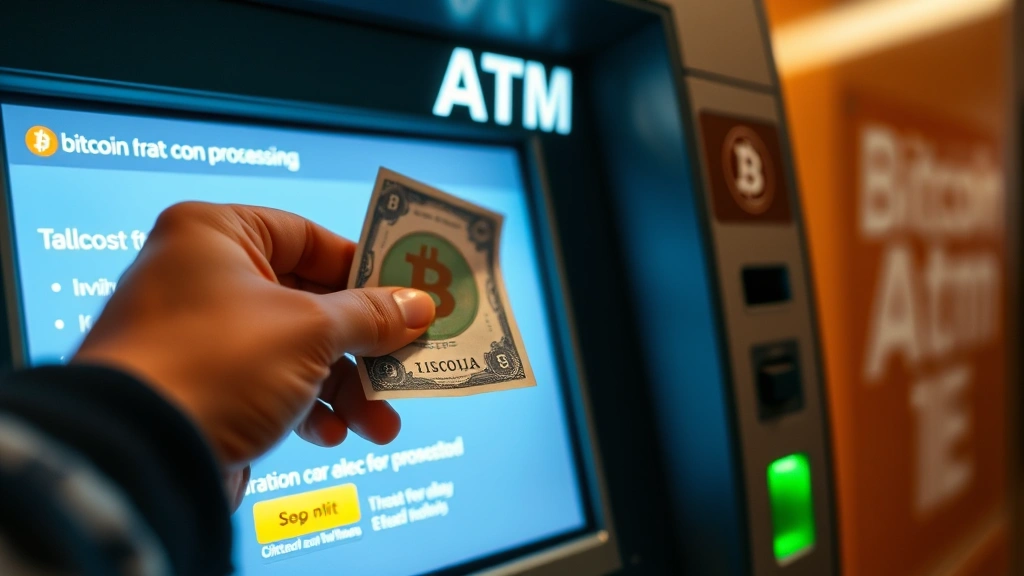
” alt=”Bitcoin ATM kiosk in urban setting with digital display showing transaction interface and cryptocurrency symbols”/>
When considering how to acquire or sell Bitcoin, comparing different channels reveals significant cost differences. Bitcoin ATMs provide unmatched convenience but at a substantial premium. Traditional cryptocurrency exchanges offer lower fees but require account setup, identity verification, and bank transfers that may take several business days. Bitcoin ATMs: Fees of 5-20%, immediate transactions, no account needed, cash-based, limited to available machine locations, minimal privacy. Ideal for small, urgent purchases or users without bank accounts. Cryptocurrency Exchanges: Fees of 0.5-2%, requires account and verification, transactions settle in hours to days, various payment methods available, accessible globally online, transaction history recorded. Better for regular traders and larger investments. Peer-to-Peer Trading: Variable fees (often 1-5%), direct negotiation possible, flexible transaction terms, higher counterparty risk, requires finding trustworthy trading partners, potentially faster than exchanges. Suitable for experienced users comfortable with direct negotiations. Over-the-Counter (OTC) Services: Fees of 1-3% for large transactions, personalized service, high transaction minimums, institutional-grade security, longer settlement times. Designed for high-net-worth individuals and institutions. For someone deciding whether to sell or hold Bitcoin, the fee structure significantly impacts exit strategy calculations. High ATM fees can erode profits on smaller positions, making exchange sales more economical despite longer settlement times. Understanding fee structures enables you to develop strategies that minimize costs when transacting in Bitcoin. Research Machine Locations: Before using any Bitcoin ATM, check multiple machines in your area using platforms like Coin ATM Radar. These services display fee information and user reviews, allowing you to identify the most competitive machines. Sometimes traveling a few miles to a lower-fee machine justifies the effort for substantial transactions. Batch Transactions: If you anticipate multiple Bitcoin purchases, consolidate them into fewer larger transactions. Tiered fee structures often reward bigger transactions with lower percentage rates. A $500 transaction at 10% costs $50, but two $250 transactions at 12% each cost $60, making batching beneficial. Use Lower-Fee ATM Networks: Certain operators consistently offer competitive pricing. Researching which networks operate in your region and prioritizing their machines can reduce costs significantly. Some regional operators compete aggressively while national chains may prioritize convenience over price competitiveness. Avoid Peak Hours: Some operators adjust fees dynamically based on demand. During off-peak hours, machines may offer slightly lower rates. While this isn’t universal, monitoring fee patterns at your local machines might reveal pricing trends. Combine Methods: For larger purchases, consider using an ATM for the initial transaction, then switching to an exchange for additional Bitcoin purchases. The convenience premium paid for the ATM transaction might be justified for establishing initial holdings, while subsequent purchases through cheaper exchanges make economic sense. Monitor Bitcoin Price Movements: Since fees are calculated as percentages of the transaction price, purchasing Bitcoin during price dips means your percentage fee translates to fewer dollars spent. While this is speculative, it’s worth considering if you have transaction flexibility. Understanding why Bitcoin prices move helps you time ATM transactions more strategically when prices are favorable. Bitcoin ATM fees, while frustrating, partly reflect security and compliance infrastructure that protects users and prevents illicit activity. Understanding these aspects provides context for why fees exist and how they’ve evolved. KYC and AML Compliance: Most jurisdictions now require Bitcoin ATM operators to implement Know Your Customer procedures, verifying user identity before transactions. Smaller transactions (often under $100-$500) might have minimal verification requirements, while larger amounts trigger comprehensive identity verification. These compliance costs are embedded in fee structures. Fraud Prevention: Bitcoin ATM operators invest substantially in fraud detection systems, address monitoring, and transaction surveillance. Fees partially subsidize these security measures that protect both operators and users from scams and money laundering. Regulatory Licensing: Many jurisdictions require Money Transmitter licenses for Bitcoin ATM operation. Licensing costs, legal compliance, and regulatory oversight expenses are factored into fee calculations. Operators in heavily regulated markets typically charge higher fees than those in permissive jurisdictions. Insurance and Liability: Operators carry insurance covering theft, fraud, and operational failures. These insurance premiums are business expenses reflected in customer fees. The higher the risk profile, the higher insurance costs and corresponding fees. Transaction Reversibility Risk: Unlike credit card transactions, Bitcoin transfers are irreversible. Operators assume risk that customers might dispute transactions or claim fraud. Higher fees compensate for this irreversibility risk. Recent regulatory developments, such as FinCEN guidance on cryptocurrency transactions, have increased compliance burdens on ATM operators, likely pushing fees higher as operators absorb expanded regulatory costs.Comparison: ATMs vs. Exchanges vs. Peer-to-Peer
Strategies to Minimize Costs
Security and Regulatory Considerations
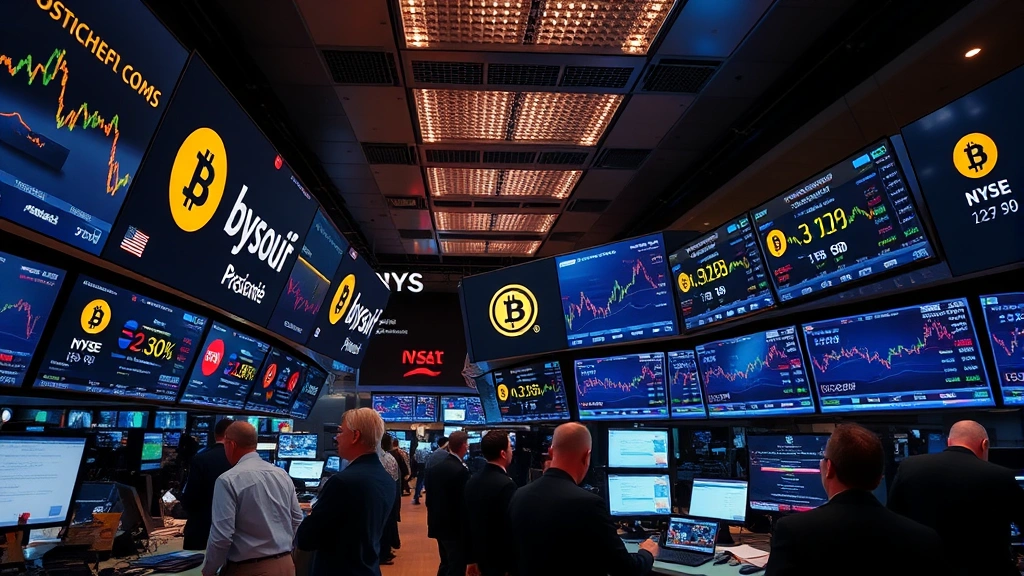
” alt=”Close-up of hands inserting cash into Bitcoin ATM machine with illuminated screen display and secure keypad interface”/>
Bitcoin ATM fees will likely evolve as the market matures and competition increases. Several trends suggest how pricing might change. Increased Competition: As more operators enter the Bitcoin ATM market, competitive pressure may drive fees downward. Established networks expanding into new regions often use aggressive pricing to gain market share, benefiting consumers in those areas. Technology Improvements: Enhanced security, faster transaction processing, and reduced operational costs through automation could enable operators to lower fees while maintaining profitability. Blockchain technology improvements reducing network congestion fees would also decrease total costs. Regulatory Standardization: As regulations mature and compliance becomes routine rather than novel, operators may reduce fees that currently reflect high regulatory uncertainty. Standardized compliance frameworks could lower per-transaction costs. Institutional Competition: Traditional financial institutions entering cryptocurrency markets might deploy ATMs with lower fees to capture market share from established crypto operators. Banks leveraging existing branch networks could offer competitive Bitcoin ATM services. Lightning Network Integration: Bitcoin’s Lightning Network enables faster, cheaper transactions. As ATM operators integrate Lightning Network capabilities, transaction costs could decrease substantially, enabling lower fee structures. Understanding current Bitcoin price dynamics and market factors helps predict how regulatory and market changes might influence ATM fee evolution. For newcomers, understanding cryptocurrency fundamentals provides context for why Bitcoin ATM infrastructure commands premium pricing despite high fees. As adoption increases and infrastructure matures, these premiums should gradually compress. Learning Bitcoin basics ensures you understand not just fees, but the entire ecosystem in which these machines operate, making you a more informed cryptocurrency participant. Average Bitcoin ATM fees typically range from 7% to 15% for buy transactions and 5% to 10% for sell transactions. However, fees can be as low as 4% at competitive machines or exceed 20% at premium locations or during high-volatility periods. Checking local machine fees before transacting is essential. Bitcoin ATM fees are significantly higher than exchange fees (typically 0.5-2%) because ATMs provide immediate transactions without account verification, operate in physical locations with overhead costs, serve users who may lack bank accounts, and absorb higher operational and compliance expenses per transaction. The convenience premium justifies higher costs for users prioritizing speed over price. Fees at Bitcoin ATMs are typically fixed and non-negotiable. However, some independent operators might offer modest discounts for regular customers or large transactions. Generally, you cannot negotiate fees in real-time, but you can choose between machines with different fee structures. Bitcoin ATM fees are not separately tax-deductible expenses for individual investors. However, they increase your cost basis for the Bitcoin purchased. If you bought Bitcoin for $1,000 with an 8% fee ($80), your cost basis is $1,080, which reduces capital gains tax obligations when you eventually sell. Most operators incorporate Bitcoin network transaction fees (miner fees) into their advertised percentage markup. However, some machines display network fees separately. Always check the final confirmation screen before completing transactions to see the total cost breakdown. Fee structures vary by region and change frequently. Platforms like Coin ATM Radar display current fees for machines in your area. Generally, machines in competitive urban markets charge lower fees than rural locations. Researching your specific area provides the most accurate fee information. Cryptocurrency exchanges are almost always cheaper for Bitcoin purchases. Exchange fees of 0.5-2% are significantly lower than ATM fees of 7-15%. However, ATMs offer immediate transactions without account setup, making them valuable for users prioritizing speed over cost for smaller purchases.Future of Bitcoin ATM Pricing
FAQ
What is the average Bitcoin ATM fee?
Why are Bitcoin ATM fees so high compared to exchanges?
Can you negotiate Bitcoin ATM fees?
Are Bitcoin ATM fees tax-deductible?
Do Bitcoin ATM fees include network transaction fees?
Which Bitcoin ATM operators charge the lowest fees?
Is it cheaper to buy Bitcoin at an ATM or exchange?


