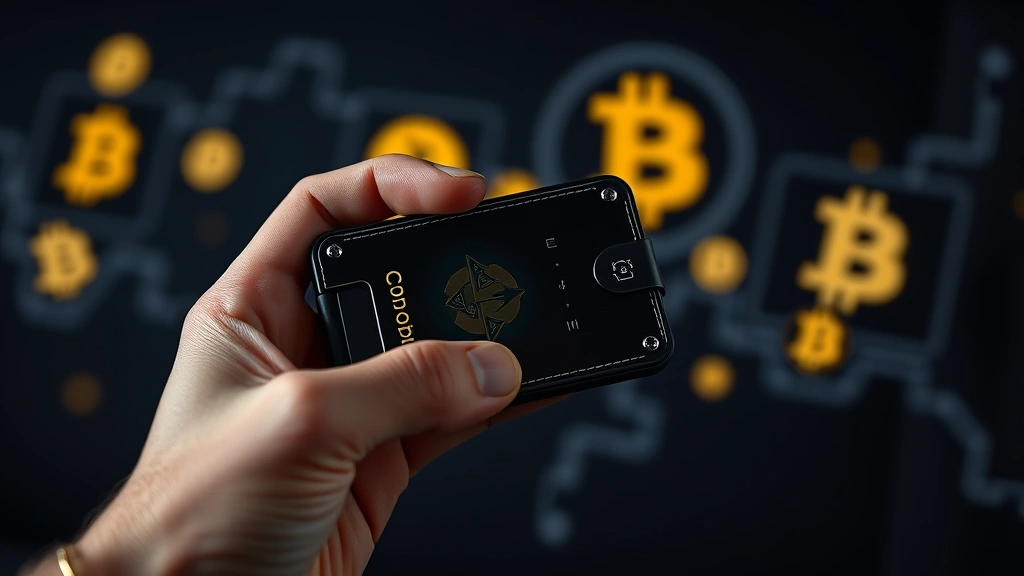
Best Bitcoin Cash Wallets? User Reviews Inside
Bitcoin Cash (BCH) has carved out its own niche in the cryptocurrency ecosystem as a faster, more scalable alternative to Bitcoin. Whether you’re new to BCH or a seasoned holder, choosing the right wallet is one of the most critical decisions you’ll make. A Bitcoin Cash wallet serves as your gateway to storing, sending, and receiving BCH securely, and the market offers numerous options ranging from beginner-friendly mobile apps to advanced hardware solutions.
In this comprehensive guide, we’ll review the best Bitcoin Cash wallets available today, analyze user feedback, and help you understand which solution fits your specific needs. Whether you prioritize security, convenience, or advanced features, we’ve covered the full spectrum of options to ensure you can make an informed decision about protecting your digital assets.
What is a Bitcoin Cash Wallet?
A Bitcoin Cash wallet is a software application or hardware device that stores your private keys—the cryptographic credentials that prove ownership of your BCH tokens. Think of it as a digital equivalent to a physical wallet, but instead of holding cash, it manages your private keys and public addresses. When you own Bitcoin Cash, you don’t actually “hold” coins anywhere; instead, you control the keys that authorize transactions on the blockchain.
Understanding wallet types is essential before making a selection. Wallets fall into two main categories: hot wallets (connected to the internet) and cold wallets (offline storage). Hot wallets prioritize convenience and accessibility, while cold wallets emphasize security by keeping your private keys disconnected from internet-connected devices. The best choice depends on how much BCH you hold, how frequently you transact, and your comfort level with technology.
Before diving into specific wallets, it’s worth understanding the broader cryptocurrency landscape. If you’re new to digital assets, our guide on Bitcoin for Dummies provides foundational knowledge. Additionally, understanding why Bitcoin moves can help contextualize BCH price movements and market dynamics.
Hardware Wallets for Maximum Security
Hardware wallets represent the gold standard for security-conscious cryptocurrency holders. These physical devices store your private keys offline, making them virtually immune to hacking attempts and malware. When you need to make a transaction, you connect the device to a computer, authorize the transaction on the hardware itself, and then disconnect. This approach ensures your keys never touch an internet-connected device.
Ledger Nano S Plus remains one of the most popular hardware wallet choices for Bitcoin Cash storage. Users consistently praise its robust security architecture, intuitive interface, and broad cryptocurrency support. The device features a small screen where you verify transactions before confirming them, adding an extra layer of protection. At approximately $79, it represents a reasonable investment for securing substantial BCH holdings. Ledger’s ecosystem includes a user-friendly desktop application that simplifies transaction management.
Trezor Model T offers another excellent hardware wallet option, particularly appealing to users who value open-source development and maximum customization. The touchscreen interface provides a more premium experience compared to button-based alternatives, and the device supports an extensive range of cryptocurrencies including BCH. At around $180, it costs more than the Ledger but delivers enhanced features and flexibility. User reviews highlight the intuitive setup process and comprehensive security documentation.
Coldcard caters to Bitcoin Cash enthusiasts who demand maximum control over their private keys. This device allows you to generate keys completely offline and never exposes your seed phrase to a computer, even during setup. Advanced users particularly appreciate Coldcard’s support for multisignature wallets and its open-source firmware. The learning curve is steeper than alternatives, making it better suited for experienced cryptocurrency users rather than beginners.

When considering hardware wallets, remember that you’re investing in peace of mind. While the upfront cost might seem high, it becomes negligible if you’re storing significant BCH amounts. Users with holdings exceeding $5,000 almost universally recommend hardware wallet security, as the protection far outweighs the initial expense.
Mobile Wallets for Everyday Use
Mobile wallets excel at balancing security with convenience, making them ideal for regular transactions and smaller holdings. These applications run on smartphones and tablets, allowing you to send and receive BCH on the go. Unlike hardware wallets, mobile apps connect to the internet, introducing some security risk, but modern wallets implement sophisticated safeguards to minimize these vulnerabilities.
Bitcoin.com Wallet serves as one of the most user-friendly mobile solutions for Bitcoin Cash. The interface is intuitive enough for beginners while offering advanced features for experienced users. The wallet supports both BCH and BTC, making it convenient if you hold both cryptocurrencies. Users consistently praise the fast transaction speeds and clear fee estimates. The application is available on both iOS and Android platforms, and it includes built-in exchange functionality, allowing you to swap between cryptocurrencies without leaving the app.
Electrum ABC appeals to users seeking a lightweight, fast mobile experience. Based on the respected Electrum wallet architecture adapted for Bitcoin Cash, this application provides excellent security through private key control while maintaining minimal resource requirements. Power users appreciate Electrum ABC’s support for hardware wallet integration, allowing you to enjoy mobile convenience while maintaining hardware-level security. The interface requires slightly more technical knowledge than beginner-friendly alternatives, but rewards users with granular control over transaction fees and other settings.
Cake Wallet has gained significant traction among BCH users who appreciate its clean design and built-in exchange features. The wallet supports multiple cryptocurrencies and includes a unique feature allowing you to swap between coins directly within the application. Users report smooth onboarding experiences and responsive customer support. The application emphasizes privacy, never collecting unnecessary personal data and allowing you to remain pseudonymous while transacting.
Mobile wallets work best for amounts you’re comfortable spending regularly. Security experts recommend keeping only the BCH you plan to use within the next few weeks on mobile devices, storing larger amounts in hardware wallets or cold storage solutions. This approach balances accessibility with risk management.
Desktop Wallets for Advanced Users
Desktop wallets run on your computer and offer a middle ground between mobile convenience and hardware wallet security. These applications provide more sophisticated features than mobile versions while maintaining direct control over your private keys. Desktop wallets work best for users who regularly transact and want full transparency over blockchain interactions.
Bitcoin ABC represents the official reference implementation for Bitcoin Cash. This full-node wallet downloads the entire blockchain to your computer, providing maximum security and validation capabilities. Running a full node supports the BCH network while giving you complete independence from third-party services. However, the substantial disk space requirement (approximately 200GB) and slower synchronization time make this option less practical for casual users. Dedicated BCH enthusiasts and developers particularly value this option.
Electron Cash offers a lightweight desktop alternative that combines security with efficiency. This wallet doesn’t require downloading the full blockchain, instead relying on trusted servers for transaction verification. Users appreciate the straightforward interface, hardware wallet compatibility, and robust feature set including multisignature support. The application works on Windows, macOS, and Linux, providing flexibility across different operating systems. Electron Cash has maintained an excellent security reputation since its inception, with transparent development and regular security audits.
Exodus appeals to users who prefer beautiful, intuitive interfaces combined with multi-asset support. While Exodus supports numerous cryptocurrencies including BCH, the wallet’s primary strength lies in its exceptional design and ease of use. The built-in exchange feature allows seamless swaps between cryptocurrencies. Some users note that Exodus employs a proprietary backend for transaction broadcasting, introducing a minor centralization element compared to fully decentralized alternatives.
Web Wallets and Exchange Wallets
Web wallets and wallets hosted by cryptocurrency exchanges offer maximum convenience but require trusting a third party with your private keys. These solutions work through your browser without requiring any software installation, making them accessible from any device with internet access. However, this convenience comes with inherent risks.
Exchange Wallets provided by platforms like Kraken, Coinbase, and other major exchanges allow you to store BCH directly on the exchange after purchasing. While convenient for active traders, security experts generally advise against storing substantial amounts on exchanges. The phrase “not your keys, not your coins” reflects the reality that exchange wallets remain vulnerable to hacking, regulatory seizure, or platform insolvency. Use exchange wallets primarily as temporary holding areas while transferring funds to your personal wallet as soon as possible.
MetaMask, while primarily designed for Ethereum, can interact with Bitcoin Cash through bridging solutions. Some users appreciate MetaMask’s integration with decentralized finance applications, though BCH support remains limited compared to Ethereum-based assets. If your cryptocurrency portfolio includes multiple blockchain assets, MetaMask provides unified management, though it sacrifices some BCH-specific optimization.
Web wallets represent the least secure option for long-term storage but excel at facilitating quick transactions. Consider these solutions only for small amounts you plan to spend immediately, never for storing significant BCH holdings long-term.
Comparing Features and User Experience
Selecting the best Bitcoin Cash wallet requires evaluating multiple factors beyond just security. Different wallets excel in different areas, and your ideal choice depends on your specific circumstances and preferences.
Transaction Speed and Fees vary across wallets due to different fee estimation algorithms and network interaction methods. Bitcoin Cash generally supports faster, cheaper transactions than Bitcoin, but wallet implementations affect your actual experience. Electron Cash and Bitcoin ABC provide granular fee control, allowing power users to optimize costs. Beginner-friendly wallets like Bitcoin.com typically automate fee selection, sacrificing some optimization for simplicity.
User Interface Quality significantly impacts daily experience. Exodus and Bitcoin.com Wallet lead in interface design, making them excellent choices for users prioritizing ease of use. Electron Cash and Ledger Live offer less polished interfaces but compensate with powerful features and security. Consider spending time with wallet demo videos before committing to understand whether the interface matches your preferences.
Privacy Features vary considerably across wallets. Some wallets, like Cake Wallet, emphasize privacy by avoiding unnecessary data collection. Others, particularly exchange wallets, collect extensive personal information for regulatory compliance. If privacy ranks high on your priorities, research each wallet’s data collection practices before selecting.
Hardware Integration matters if you want to combine mobile convenience with hardware security. Bitcoin.com Wallet, Electron Cash, and several others support connecting to hardware wallets, allowing you to authorize transactions on secure devices while managing them through convenient interfaces.
To understand broader cryptocurrency market dynamics and how they affect your BCH holdings, explore resources on Bitcoin price predictions and Bitcoin crash risks. Additionally, if you’re building a long-term BCH position, learning about dollar-cost averaging strategies can complement your wallet selection with sound investment practices.
Security Best Practices
Regardless of which wallet you choose, implementing proper security practices is essential for protecting your Bitcoin Cash. These practices form the foundation of responsible cryptocurrency ownership and apply universally across all wallet types.
Backup Your Recovery Phrase Securely. Most wallets provide a 12 or 24-word recovery phrase (seed phrase) that can restore your wallet if you lose access to your device. Write this phrase on paper and store it in multiple secure locations—never store it digitally or photograph it with your phone. If someone obtains your recovery phrase, they can access all your BCH. Treat this phrase with the same security level as your most valuable possessions.
Enable Two-Factor Authentication wherever available. While 2FA doesn’t protect against private key theft, it prevents unauthorized access to wallet accounts and exchange accounts. Use authenticator apps like Google Authenticator rather than SMS-based 2FA, which remains vulnerable to SIM swapping attacks.
Keep Software Updated. Wallet developers regularly release security patches addressing newly discovered vulnerabilities. Enable automatic updates when possible, and manually check for updates regularly. Running outdated wallet software exposes you to known security risks that could have been prevented.
Use Strong, Unique Passwords. If your wallet uses a password, create a complex combination of uppercase letters, lowercase letters, numbers, and symbols. Avoid dictionary words and personal information. Consider using a password manager to generate and store strong passwords securely.
Verify Addresses Carefully. Before sending Bitcoin Cash to an address, double-check that the address matches your intended recipient. Malware can modify clipboard contents, causing you to send funds to attackers instead of your intended destination. Hardware wallets mitigate this risk by displaying addresses on their screens before you authorize transactions.
Separate Hot and Cold Storage. Keep the BCH you spend regularly in hot wallets (mobile, desktop, or hardware wallets with internet access), while storing long-term holdings in cold storage (hardware wallets kept offline or paper wallets). This approach balances accessibility with security.
For additional context on cryptocurrency investment strategies, understanding institutional Bitcoin holdings can provide perspective on market adoption and long-term trends affecting BCH’s position in the broader crypto ecosystem.
FAQ
Is Bitcoin Cash the same as Bitcoin?
No, Bitcoin Cash and Bitcoin are separate cryptocurrencies that diverged from a common origin. Bitcoin Cash was created in 2017 as a fork of Bitcoin, designed to prioritize faster transaction speeds and lower fees by increasing block size. While both use similar underlying technology, they have different networks, separate supply schedules, and distinct development communities. Bitcoin Cash wallets cannot hold Bitcoin and vice versa.
Can I use a Bitcoin wallet for Bitcoin Cash?
No, you cannot use a Bitcoin wallet for Bitcoin Cash due to fundamental technical differences between the networks. Bitcoin and Bitcoin Cash use different address formats and validation rules. Attempting to send BCH to a Bitcoin address will result in lost funds. Always ensure you’re using a wallet that explicitly supports Bitcoin Cash before sending funds.
Which wallet is best for beginners?
Bitcoin.com Wallet offers the best combination of ease of use, security, and features for beginners. The intuitive interface requires minimal technical knowledge, while the integrated exchange functionality and multi-currency support provide useful features as you progress. The mobile application is available on both iOS and Android, making it accessible regardless of your device preference.
How much BCH should I keep in a hot wallet versus cold storage?
A common approach involves keeping 5-10% of your Bitcoin Cash holdings in hot wallets for regular transactions, while storing 90-95% in cold storage. This ratio balances accessibility with security and can be adjusted based on your transaction frequency and risk tolerance. Users who transact frequently might maintain higher hot wallet percentages, while long-term holders might keep minimal amounts in hot wallets.
Are mobile wallets as secure as hardware wallets?
Mobile wallets provide good security for reasonable amounts of BCH but cannot match the security level of hardware wallets. Mobile devices connect to the internet and run complex operating systems, introducing attack vectors that hardware wallets eliminate. For amounts exceeding $5,000 or funds you plan to hold long-term, hardware wallets provide significantly better protection. Mobile wallets work well for spending money and smaller holdings.
What happens if I lose my hardware wallet?
Losing a hardware wallet is not catastrophic if you’ve properly backed up your recovery phrase. You can purchase a replacement hardware wallet, restore it using your saved recovery phrase, and regain access to all your Bitcoin Cash. The recovery phrase, not the physical device, truly protects your funds. This is why securing your recovery phrase is more important than securing the hardware wallet itself.
Can I access the same wallet from multiple devices?
Most wallets allow you to restore your wallet on multiple devices using your recovery phrase, though this introduces security considerations. Each device you add becomes a potential security vulnerability. A better approach involves using a hardware wallet as your primary storage and restoring it on multiple devices only when necessary. Never store your recovery phrase digitally, and avoid restoring wallets on devices you don’t fully control.
How do I know if a wallet is trustworthy?
Evaluate wallet trustworthiness by examining development history, security audits, community reputation, and whether the code is open-source. Established wallets like Ledger, Trezor, Electron Cash, and Bitcoin.com have years of track records and extensive community scrutiny. Check community forums and Bitcoin Cash communities for user experiences. Be cautious of new wallets lacking established reputations or security audits, regardless of their features.
Do I need to pay taxes on Bitcoin Cash held in wallets?
Tax treatment of Bitcoin Cash depends on your jurisdiction and circumstances. Generally, simply holding BCH in a wallet doesn’t trigger tax events, but selling, exchanging, or receiving BCH as payment creates taxable transactions. Consult with a tax professional familiar with cryptocurrency regulations in your jurisdiction to ensure compliance with local tax laws.


