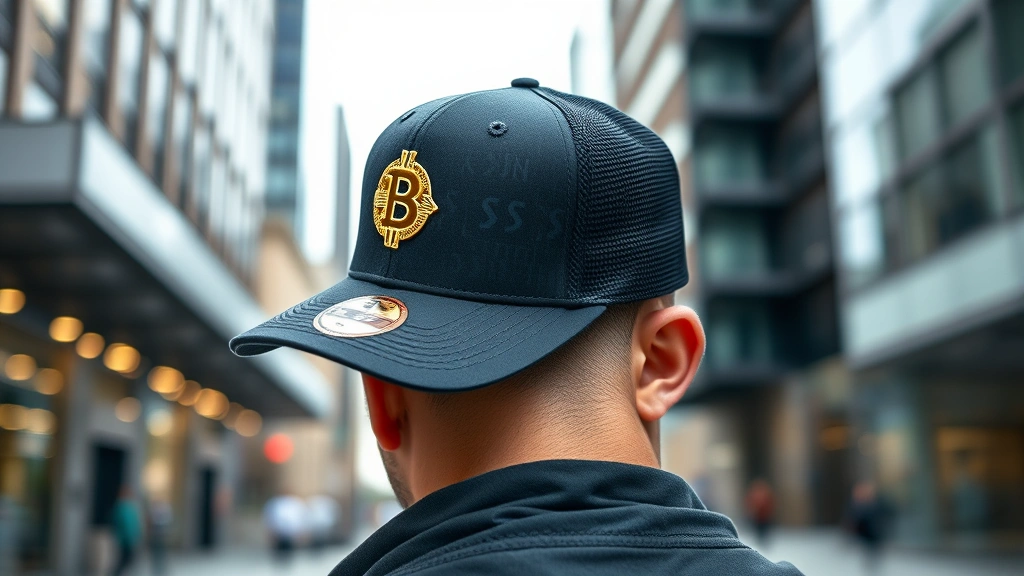
Bitcoin Hat: Fashion or Statement? A Trend Analysis in Crypto Culture
The bitcoin hat has evolved from a niche novelty item into a multifaceted cultural phenomenon that sits at the intersection of cryptocurrency enthusiasm, fashion expression, and community identity. What began as simple merchandise bearing the iconic orange bitcoin logo has transformed into a legitimate fashion accessory that sparks genuine conversations about cryptocurrency adoption, brand loyalty, and the visible markers of digital asset ownership in mainstream society.
Whether worn at conferences, casual meetups, or as everyday streetwear, the bitcoin hat represents more than just fabric and embroidery. It embodies a statement about financial philosophy, technological optimism, and membership within the broader crypto community. Understanding the bitcoin hat trend requires examining its historical context, cultural significance, market dynamics, and what it reveals about how cryptocurrency has embedded itself into popular culture.

The Rise of Bitcoin Merchandise Culture
Bitcoin merchandise emerged organically from the early cryptocurrency community, beginning around 2011-2013 when bitcoin advocates sought tangible ways to express their commitment to digital currency. Unlike traditional merchandise tied to corporations or celebrities, bitcoin merchandise reflected a grassroots movement built on decentralized principles. The bitcoin hat became one of the most accessible entry points for this merchandise ecosystem, offering visibility and wearability that other items couldn’t match.
The early iterations were deliberately simple: black caps with the bitcoin logo, often produced in limited quantities by community members rather than established manufacturers. These weren’t professionally designed fashion items; they were authentic expressions of genuine belief in cryptocurrency’s potential. This authenticity became the foundation for the bitcoin hat’s eventual mainstream appeal. As CoinDesk has documented, merchandise adoption often correlates with mainstream acceptance cycles in cryptocurrency markets.
By 2017, during bitcoin’s first major bull run, merchandise production exploded. Major cryptocurrency exchanges, blockchain companies, and independent designers began creating bitcoin hats with varying quality levels and aesthetic approaches. The market fragmentation that followed meant consumers could choose between minimalist designs, bold statement pieces, luxury versions, and collectible limited editions. This diversification transformed the bitcoin hat from a simple community marker into a legitimate fashion category.
The professionalization of bitcoin merchandise production coincided with broader cryptocurrency industry maturation. Companies began investing in quality materials, professional design, and brand development. Premium bitcoin hat manufacturers emerged, positioning their products alongside conventional fashion brands rather than novelty merchandise. This shift reflected growing confidence that cryptocurrency was here to stay and that associated merchandise would maintain long-term value and relevance.

Design Trends and Fashion Evolution
Bitcoin hat design has followed recognizable fashion evolution patterns, moving from basic logo placement toward sophisticated aesthetic considerations. Early designs relied heavily on the bitcoin symbol as the primary visual element, often centered on the front or back of the cap. Modern designs incorporate the symbol more subtly, use premium materials, employ contemporary color palettes, and consider overall hat silhouettes that align with current fashion trends.
Contemporary bitcoin hat designers draw inspiration from luxury streetwear, vintage Americana, and minimalist design principles. High-end versions feature leather accents, embroidered details, structured fabrics, and collaboration designs with established fashion brands or notable figures in cryptocurrency. Some manufacturers have created seasonal collections that respond to fashion cycles, producing winter-appropriate materials in fall and lighter options for summer months.
The color evolution is particularly telling. While early bitcoin hats were predominantly black or dark colors, modern options span pastels, earth tones, metallics, and even tie-dye variations. This diversification reflects recognition that bitcoin hat wearers have varying fashion sensibilities and that the accessory needs to integrate into different personal style frameworks. A bitcoin hat worn as a statement piece differs significantly from one worn as subtle personal expression, and design variety accommodates both approaches.
Material quality improvements have been substantial. Early merchandise often used standard cotton twill, while contemporary options include organic cotton, technical fabrics, vintage-wash denim, and sustainable materials. Premium brands now offer leather-trimmed versions, structured wool felt, and collaboration pieces with fashion-forward aesthetics that transcend typical crypto merchandise conventions. This elevation reflects the broader mainstreaming of cryptocurrency and recognition that enthusiasts deserve quality products.
The Psychology Behind Wearing Bitcoin
Wearing a bitcoin hat involves complex psychological motivations that extend beyond simple fashion preference. For many wearers, it represents a public declaration of financial philosophy and technological optimism. Individuals who choose to visibly display bitcoin affiliation are making statements about their belief in decentralized finance, skepticism toward traditional financial systems, or confidence in cryptocurrency’s future viability.
Social identity theory helps explain the bitcoin hat phenomenon. By wearing cryptocurrency-branded merchandise, individuals align themselves with a particular community and signal membership in a group that shares specific values and perspectives. This is particularly powerful because cryptocurrency communities are often identity-based rather than geography-based, making visible markers like hats important for building connection and recognition among dispersed community members.
The bitcoin hat also functions as a conversation starter and identity verification tool within cryptocurrency circles. Wearing one signals immediate common ground with other crypto enthusiasts and can facilitate genuine discussions about technology, investment philosophy, and digital asset strategies. This social utility extends beyond casual meetups to professional environments, where bitcoin hats have become increasingly visible at industry conferences and blockchain events.
There’s also an element of contrarianism embedded in bitcoin hat wearing. Particularly during periods of cryptocurrency skepticism or regulatory uncertainty, wearing bitcoin apparel represents a willingness to make unpopular financial and technological bets visible. This contrarian signal appeals to individuals who view themselves as forward-thinking or willing to embrace unconventional perspectives on money and finance.
Understanding personal investment strategy in bitcoin often connects to merchandise purchases. Individuals who have made substantial bitcoin commitments may express this through merchandise, creating a tangible manifestation of their digital asset holdings. The bitcoin hat becomes a physical representation of virtual wealth and commitment.
Market Dynamics and Commercial Opportunities
The bitcoin hat market represents a significant commercial opportunity within the broader cryptocurrency merchandise ecosystem. Estimates suggest the crypto merchandise market exceeds $2 billion annually, with apparel accounting for roughly 40% of this total. Hats, as one of the most accessible and visible apparel items, command disproportionate market share within this category.
Commercial manufacturers have recognized this opportunity, leading to proliferation across multiple distribution channels. Cryptocurrency exchanges offer branded hats as customer incentives. Blockchain companies incorporate hats into merchandise strategies. Independent designers sell through platforms like Etsy and Shopify. Luxury fashion brands have begun collaborating with cryptocurrency figures to create limited-edition collections. This multi-channel distribution means bitcoin hats are available at virtually any price point, from budget options under $15 to premium versions exceeding $150.
The economics of bitcoin hat production favor manufacturers due to relatively low production costs and high margins. A quality baseball cap costs approximately $3-8 to manufacture, allowing retailers to maintain healthy profit margins at consumer prices ranging from $20-60. Premium versions with superior materials or luxury branding can command significantly higher prices, creating tiered market segments that serve different consumer demographics.
Collectibility has emerged as an unexpected market driver. Limited-edition bitcoin hats, particularly those from early manufacturers or featuring collaborations with notable cryptocurrency figures, have appreciated in value within collector communities. Some rare early-production hats from 2013-2014 now command prices exceeding their original retail costs, suggesting a secondary market valuation mechanism similar to other collectible merchandise categories.
The relationship between bitcoin price cycles and merchandise sales is noteworthy. Merchandise purchases tend to spike during bull markets when cryptocurrency enthusiasm peaks, and decline during bear markets when interest wanes. This cyclical pattern reflects the speculative nature of cryptocurrency markets and how mainstream interest fluctuates with price performance. Companies that produce bitcoin hats must navigate these cycles, managing inventory carefully to avoid overproduction during market downturns.
Bitcoin Hats as Community Symbols
Within cryptocurrency communities, the bitcoin hat functions as a powerful symbol of shared identity and values. At blockchain conferences, meetups, and community events, bitcoin hat wearers form visible networks of like-minded individuals. The hat serves as a quick identification mechanism, allowing community members to recognize each other and establish connection points for conversation and networking.
Different communities have developed distinct bitcoin hat cultures. Maximalists—individuals who believe bitcoin represents the future of money and diminish alternative cryptocurrencies—often wear bitcoin hats as explicit statements of their perspective. This contrasts with broader cryptocurrency enthusiasts who might wear hats representing various blockchain projects or maintaining cryptocurrency-agnostic approaches.
Geographic communities have also embraced bitcoin hat culture. Certain cities with concentrated cryptocurrency populations have developed local manufacturing and design scenes around bitcoin merchandise. These local producers often create designs reflecting regional aesthetics or cultural references, making bitcoin hats markers of both global crypto community membership and local geographic identity.
The bitcoin hat has become particularly significant in developing economies where cryptocurrency adoption is highest. In countries experiencing currency instability or limited banking infrastructure, bitcoin hats represent not just investment strategy but philosophical commitment to financial alternatives. Wearing one becomes a statement about participating in global financial systems and rejecting dependence on potentially unstable national currencies.
Corporate adoption has also transformed the bitcoin hat’s symbolic meaning. Companies building on blockchain technology often distribute branded hats to employees and partners, using them to signal company identity and align with broader cryptocurrency industry culture. This corporate appropriation represents the bitcoin hat’s evolution from grassroots symbol to mainstream business accessory.
Fashion vs. Functional Statement
The bitcoin hat occupies an interesting position between pure fashion accessory and functional statement piece. For some wearers, it’s primarily a fashion choice—a cap that happens to feature cryptocurrency branding, selected because it matches their personal style and wardrobe preferences. For others, the statement function dominates, with the hat serving primarily as a declaration of cryptocurrency commitment regardless of fashion considerations.
This duality creates interesting market segmentation. Fashion-forward manufacturers design bitcoin hats that function as genuine fashion items, incorporating contemporary design principles and aesthetic sophistication. These hats would maintain appeal even without the bitcoin branding, suggesting their primary function is fashion with cryptocurrency elements as secondary considerations. Conversely, statement-focused designs prioritize the bitcoin symbol and explicit messaging, sometimes sacrificing broader fashion appeal for maximum clarity of the underlying statement.
The cryptocurrency market context influences this balance significantly. During bull markets when cryptocurrency is culturally prominent, bitcoin hats lean more toward fashion functionality, with designers confident that the cryptocurrency association enhances rather than limits appeal. During bear markets or periods of skepticism, bitcoin hat design often becomes more explicitly statement-focused, appealing primarily to committed believers rather than casual fashion consumers.
The relationship between bitcoin price predictions and merchandise appeal suggests that fashion and statement functions are deeply interconnected. When bitcoin’s future appears bullish, the fashion function strengthens because wearing a bitcoin hat feels like aligning with a winning trend. When bitcoin faces criticism or price uncertainty, the statement function becomes more prominent as wearers make deliberate choices about expressing commitment despite external skepticism.
Professional settings have created new functional considerations for bitcoin hats. In business environments where cryptocurrency is increasingly mainstream, wearing a bitcoin hat can signal industry expertise and community participation without appearing overly casual. This professional functionality has elevated the bitcoin hat from streetwear to legitimate business casual accessory, particularly in technology and finance sectors.
The environmental and ethical dimensions of bitcoin hat production have also become relevant considerations. Conscious consumers increasingly consider manufacturing practices, material sustainability, and supply chain transparency when purchasing cryptocurrency merchandise. This functional dimension—related to values alignment rather than physical functionality—has influenced design and production choices among premium manufacturers.
FAQ
What makes a bitcoin hat different from generic cryptocurrency merchandise?
Bitcoin hats specifically feature the bitcoin symbol or branding, distinguishing them from broader cryptocurrency merchandise that might represent Ethereum, Litecoin, or other digital assets. Bitcoin hats carry particular cultural weight because bitcoin, as the original and largest cryptocurrency by market capitalization, occupies a unique position in crypto culture. The symbol itself has become internationally recognizable, making bitcoin hats function as both community markers and mainstream fashion items in ways that other cryptocurrency merchandise doesn’t achieve.
Are bitcoin hats considered collectible investments?
Early-production bitcoin hats from 2013-2015, particularly those from established manufacturers or featuring notable collaborations, have demonstrated appreciation in collector communities. However, most bitcoin hats produced today should be considered fashion items rather than investment vehicles. The collectible market is limited to specific rare editions, and secondary market values remain modest compared to other cryptocurrency collectibles. Individuals interested in bitcoin hats as investments should focus on limited-edition releases from reputable manufacturers rather than standard production models.
How do bitcoin hats relate to actual bitcoin investment strategy?
Bitcoin hat purchases and cryptocurrency investment decisions are generally independent, though merchandise buying often spikes during bull markets when cryptocurrency enthusiasm peaks. Understanding your broader bitcoin holding strategy provides context for merchandise purchases, but wearing a bitcoin hat doesn’t indicate any particular investment approach. Some bitcoin maximalists wear hats as statements of long-term conviction, while casual cryptocurrency observers might wear them purely for fashion reasons without holding significant bitcoin positions.
What quality differences exist between budget and premium bitcoin hats?
Budget bitcoin hats typically feature standard cotton twill construction, basic embroidery, and standard manufacturing processes. Premium versions employ superior materials like organic cotton, structured wool felt, or technical fabrics; feature higher-quality embroidery or leather accents; and often incorporate design collaboration with fashion-forward creators. The price difference between budget ($15-30) and premium ($80-150+) options primarily reflects material quality, construction sophistication, and brand positioning rather than dramatic functional differences. Premium versions often maintain shape better, age more gracefully, and feature more refined aesthetics.
Where can I purchase authentic bitcoin hats?
Bitcoin hats are available through multiple channels including cryptocurrency exchange merchandise stores, independent blockchain company shops, general merchandise platforms like Amazon and eBay, specialized crypto merchandise retailers, and independent designer platforms like Etsy and Shopify. When purchasing, verify seller authenticity and product quality through reviews and return policies. Premium versions are available directly from design-forward manufacturers who maintain their own e-commerce platforms. Consider purchasing from established cryptocurrency exchanges or well-reviewed independent sellers to ensure product quality and authentic bitcoin branding.
Do bitcoin hat trends correlate with cryptocurrency market cycles?
Yes, bitcoin hat sales and merchandise production demonstrate clear correlation with cryptocurrency market cycles. During bull markets when bitcoin prices surge and mainstream interest peaks, merchandise sales increase substantially. During bear markets, merchandise demand typically declines as general cryptocurrency enthusiasm wanes. This cyclical pattern reflects the speculative nature of cryptocurrency markets and how consumer interest in bitcoin-related products fluctuates with price performance and cultural prominence. Manufacturers typically plan production and inventory based on anticipated market cycles.
The bitcoin hat phenomenon reveals how cryptocurrency has embedded itself into popular culture through tangible, wearable expressions. What began as simple grassroots merchandise has evolved into a legitimate fashion category that serves simultaneously as statement piece, community marker, fashion accessory, and investment collectible. Understanding the bitcoin hat requires recognizing these multiple functions and appreciating how they shift based on broader cryptocurrency market conditions, cultural context, and individual wearer motivations.
Whether the bitcoin hat represents genuine fashion evolution or temporary cryptocurrency trend remains debatable, but its persistence across multiple market cycles suggests lasting cultural significance. As cryptocurrency continues maturing and achieving broader mainstream acceptance, the bitcoin hat will likely remain visible—functioning as both fashion statement and tangible reminder of how digital assets have transformed personal expression and community identity in the 21st century.


