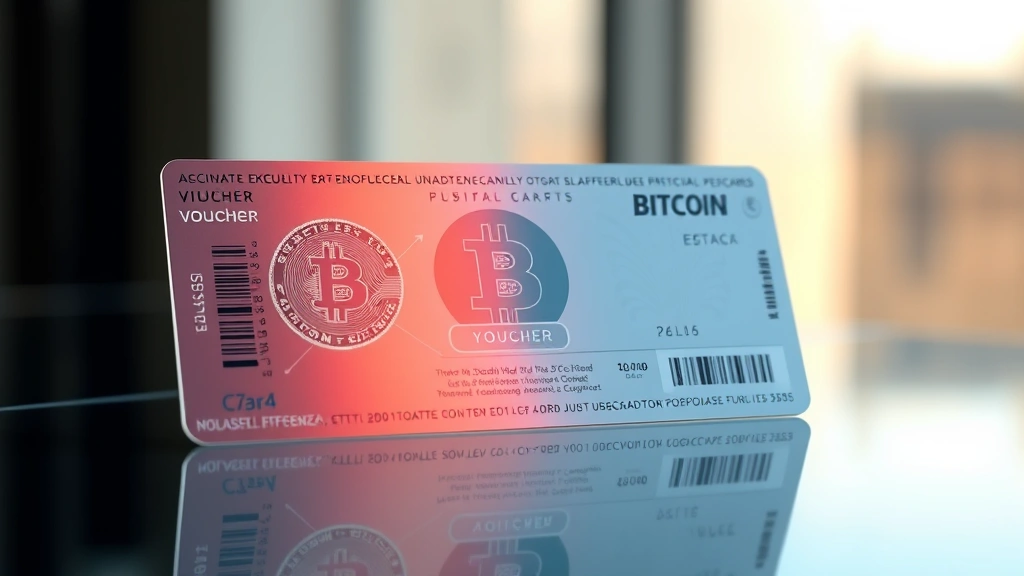
Best Bitcoin Voucher Sites: 2023 Edition
Bitcoin vouchers have emerged as a practical gateway for individuals seeking to enter the cryptocurrency market without traditional banking friction. Whether you’re a newcomer exploring digital assets or an experienced investor diversifying your portfolio, bitcoin voucher sites offer convenient, secure methods to purchase Bitcoin in various denominations. These platforms bridge the gap between fiat currency and cryptocurrency, allowing users to buy prepaid vouchers that convert directly into Bitcoin holdings.
The landscape of Bitcoin voucher providers has evolved significantly, with 2023 bringing enhanced security protocols, improved user experiences, and expanded payment options. This comprehensive guide explores the top Bitcoin voucher sites, their features, advantages, and critical considerations for making informed purchasing decisions.
What Are Bitcoin Vouchers and How Do They Work?
Bitcoin vouchers function as prepaid certificates that represent a specific value in Bitcoin. Unlike direct exchanges where you manage wallets and private keys, vouchers simplify the acquisition process by providing redemption codes that can be converted into Bitcoin holdings. The mechanism is straightforward: purchase a voucher through a provider, receive a unique code, and redeem it on a compatible platform or wallet.
The appeal lies in accessibility and flexibility. Bitcoin vouchers eliminate the need for bank account verification in many cases, accept diverse payment methods including cash and gift cards, and provide a tangible representation of digital value. They’re particularly useful for gifting Bitcoin to friends and family, establishing initial holdings before graduating to self-custody, or maintaining privacy during the purchase phase.
These vouchers typically come in fixed denominations—commonly ranging from $10 to $500 or more—and maintain their value until redemption. Some platforms allow partial redemption, enabling users to preserve voucher balances while converting portions to active Bitcoin holdings. Understanding the redemption timeline is crucial, as certain vouchers expire after specific periods, usually between 6 months and 2 years.
Top Bitcoin Voucher Platforms in 2023
Paxful stands as one of the most comprehensive Bitcoin voucher marketplaces, offering peer-to-peer trading with voucher support from hundreds of providers. The platform’s strength lies in its flexibility—users can buy Bitcoin directly using vouchers from major retailers and payment services. Paxful maintains robust escrow services and buyer protection mechanisms, though transaction fees typically range from 1-5% depending on the payment method.
For those pursuing a DCA Bitcoin strategy, voucher platforms provide consistent entry points without exchange account requirements. Paxful’s integration with various voucher types makes it ideal for dollar-cost averaging approaches.
LocalBitcoins has maintained its position as a trusted peer-to-peer exchange since 2012, supporting Bitcoin voucher transactions alongside cash and bank transfers. The platform’s longevity provides confidence in operational stability, though it requires more active engagement than automated platforms. Fees vary based on seller preferences, typically between 1-8%.
Coinbase offers Bitcoin vouchers through selected retailers in specific markets, providing institutional-grade security with consumer-friendly interfaces. Their voucher program integrates seamlessly with Coinbase wallets, streamlining the redemption process. This option suits users prioritizing established brand recognition and regulatory compliance.
Bitfinex provides voucher services primarily for institutional and high-volume traders, offering competitive rates for larger denomination purchases. Their platform appeals to investors seeking advanced trading features alongside voucher acquisition capabilities.
Kraken supports voucher purchases through select regional partners, combining voucher flexibility with access to comprehensive trading tools. The exchange’s strong security infrastructure and regulatory compliance make it attractive for users concerned about fund safety.
Comparing Features and Fee Structures
When evaluating Bitcoin voucher sites, fee structures demand careful analysis. Most platforms charge between 2-8% premiums above spot Bitcoin prices, with variations based on denomination size, payment method, and regional location. Larger voucher purchases typically attract lower percentage fees, making bulk acquisitions more economical.
Payment method diversity distinguishes premium platforms from basic alternatives. Top-tier sites accept credit cards, debit cards, bank transfers, digital wallets, gift cards, and cash payments. This flexibility accommodates various user preferences and financial situations. Platforms supporting multiple payment options generally command higher fees, reflecting processing costs and risk management expenses.
Redemption speed varies significantly across providers. Some platforms offer instant redemption directly to Bitcoin wallets, while others require 24-48 hour processing periods. For users implementing Bitcoin acquisition strategies, understanding redemption timelines proves critical for capitalizing on market opportunities.
User interface quality impacts the overall experience substantially. Leading platforms feature intuitive designs, clear fee breakdowns, transaction history tracking, and customer support accessibility. Advanced users may appreciate API access and bulk purchasing options, while newcomers benefit from guided onboarding processes and educational resources.
Minimum and maximum purchase limits affect accessibility. Budget-conscious beginners appreciate $10-20 minimums, while serious investors require $1,000+ maximums. Platforms balancing accessibility with security typically set reasonable thresholds.

Security Considerations for Voucher Purchases
Security protocols separate reputable Bitcoin voucher platforms from risky alternatives. Established providers implement SSL encryption, two-factor authentication, and regular security audits. Verify that platforms display current security certifications and maintain transparent privacy policies.
Voucher code storage demands careful attention. Users should treat redemption codes as sensitive as private keys, storing them in secure locations—encrypted digital vaults, password managers, or physical safes. Never screenshot codes or share them through unsecured channels. Lost or compromised codes may result in irretrievable funds.
Redemption verification protects against fraud. Legitimate platforms provide transaction confirmations, unique reference numbers, and blockchain transaction details. Verify redemption success through independent blockchain explorers like Blockchain.com before considering the transaction complete.
Phishing attacks target Bitcoin voucher users through fake websites mimicking legitimate platforms. Always access sites through bookmarked URLs or verified links, never through email attachments or suspicious search results. Legitimate platforms never request voucher codes via email or unsecured messaging.
Regulatory compliance indicators signal platform trustworthiness. Research whether providers maintain money transmitter licenses, comply with KYC/AML requirements, and operate transparently regarding regulatory status. CoinDesk regularly publishes regulatory updates affecting voucher platform operations.
Third-party reviews and community feedback provide valuable security insights. Check independent review sites, Reddit communities, and cryptocurrency forums for user experiences. Multiple positive long-term reviews indicate operational stability and security commitment.
Integration with Investment Strategies
Bitcoin vouchers fit seamlessly into comprehensive investment frameworks. Understanding how voucher purchases align with broader financial goals enhances decision-making quality.
For dollar-cost averaging investors, vouchers enable consistent periodic purchases without exchange account friction. Monthly $100 voucher purchases build Bitcoin holdings gradually while reducing timing risk. This approach complements the DCA Bitcoin strategy by providing accessible entry points regardless of market conditions.
Gift-giving strategies benefit significantly from voucher accessibility. Parents introducing children to cryptocurrency can present Bitcoin vouchers as educational tools, teaching investment principles through hands-on experience. Vouchers enable gifting without requiring recipient financial accounts or identification.
Consider your broader investment philosophy when selecting voucher platforms. Those pursuing growth and value investing approaches may prioritize platforms offering competitive pricing and volume discounts. Conservative investors prefer established platforms with stronger regulatory compliance and institutional backing.
Portfolio diversification considerations apply to Bitcoin voucher purchases. Determine what percentage of your cryptocurrency allocation should consist of Bitcoin acquired through vouchers versus direct exchange purchases. Most financial advisors suggest limiting voucher purchases to 10-30% of total Bitcoin holdings due to premium fees.
Tax documentation matters significantly for investment tracking. Maintain detailed records of all voucher purchases, including dates, amounts, fees, and redemption details. This documentation supports accurate investment returns calculations and tax reporting obligations.

Regulatory Landscape and Compliance
Bitcoin voucher regulation varies dramatically across jurisdictions, affecting platform availability and operational requirements. The United States treats Bitcoin vouchers as money transmissions in most states, requiring providers to maintain licenses and comply with FinCEN regulations. Users should confirm their state permits voucher purchases, as some states restrict certain payment methods.
European Union regulations increasingly scrutinize cryptocurrency voucher providers under the Markets in Crypto-Assets Regulation (MiCA). Compliant platforms maintain detailed customer verification records and transaction monitoring systems. This regulatory environment enhances consumer protection but may increase fees and processing times.
Know Your Customer (KYC) requirements have expanded across major platforms. While some voucher sites historically offered anonymous purchases, regulatory pressure now mandates identity verification for transactions exceeding specific thresholds—typically $1,000-$3,000. Users should anticipate providing government-issued identification and proof of address.
Anti-Money Laundering (AML) compliance protections benefit users by filtering illicit transactions and preventing platform seizure. Platforms maintaining strong AML programs demonstrate commitment to legitimate operations and long-term viability.
Canada’s regulatory framework permits Bitcoin vouchers through registered money services businesses. Users should verify providers maintain proper licensing and comply with provincial requirements. FINTRAC provides authoritative guidance on Canadian cryptocurrency regulations.
Australia classifies Bitcoin vouchers as financial products, requiring providers to maintain Australian Financial Services Licenses (AFSL). This regulatory approach offers strong consumer protections and dispute resolution mechanisms.
Emerging market regulations present both opportunities and risks. Developing nations may lack comprehensive Bitcoin voucher oversight, enabling lower fees but reducing consumer protections. Evaluate platform regulatory status carefully before conducting transactions in less-regulated jurisdictions.
Tax authorities increasingly track Bitcoin voucher purchases for reporting purposes. Users should understand their jurisdiction’s tax treatment of cryptocurrency acquisitions and maintain comprehensive transaction records. Professional tax guidance proves valuable when integrating voucher purchases into overall financial planning, particularly when considering your Bitcoin retirement planning.
Practical Guidance for Voucher Selection
Choosing appropriate Bitcoin voucher platforms requires evaluating personal priorities against platform characteristics. Budget-conscious beginners should prioritize accessibility and educational resources over advanced features. Established platforms like Coinbase and Kraken offer strong security and user-friendly interfaces despite potentially higher fees.
Volume buyers benefit from platforms offering bulk discounts and API access. Paxful and LocalBitcoins provide flexibility for diverse transaction sizes, though require more active engagement than automated platforms.
Privacy-conscious users face challenging tradeoffs. Regulatory compliance increasingly requires identification verification, limiting anonymous options. Those prioritizing privacy should research platforms with strong data protection practices and limited information sharing policies.
When deciding whether vouchers suit your situation, consider your broader investment timeline. For Bitcoin acquisition timing, vouchers provide flexibility when traditional exchange access faces obstacles. However, long-term holders should eventually establish direct exchange accounts for lower fees and enhanced functionality.
Regional availability significantly impacts platform selection. North American users enjoy abundant options, while European and Asian users may face more limited choices reflecting regulatory variations. Verify platform availability in your jurisdiction before committing time to account setup.
FAQ
What are the main advantages of Bitcoin vouchers over direct exchange purchases?
Bitcoin vouchers eliminate exchange account requirements, accept diverse payment methods including cash, provide privacy during purchase phases, and enable convenient gifting. However, they typically carry 2-8% premiums over spot prices, making them less economical for large purchases or frequent trading.
How long do Bitcoin vouchers remain valid after purchase?
Validity periods vary by provider, typically ranging from 6 months to 2 years. Always verify expiration dates before purchasing, as expired vouchers may become irredeemable. Some platforms offer extension options for expired vouchers, though often requiring fees.
Are Bitcoin voucher purchases anonymous?
Regulatory compliance has substantially reduced anonymity options. Most major platforms now require identity verification for purchases exceeding $1,000-$3,000. Smaller purchases on some peer-to-peer platforms may involve less verification, though this landscape continues tightening globally.
What payment methods do top Bitcoin voucher sites accept?
Leading platforms accept credit cards, debit cards, bank transfers, digital wallets (PayPal, Google Pay, Apple Pay), gift cards, and cash deposits. Payment method availability varies by platform and jurisdiction, with cash options typically requiring in-person transactions.
How do I verify that my Bitcoin voucher redemption was successful?
Legitimate platforms provide transaction confirmations with reference numbers and blockchain transaction details. Verify redemption success independently using blockchain explorers by searching for your Bitcoin wallet address. Confirmations typically appear within minutes to hours depending on network congestion.
Can I use Bitcoin vouchers for retirement planning?
Yes, Bitcoin vouchers can support retirement planning strategies. However, integrate them into comprehensive plans using tools like Bitcoin retirement calculators to model long-term scenarios. Consider tax implications and diversification requirements when allocating retirement funds to Bitcoin.
What should I do if my voucher code is compromised?
Contact the platform immediately if you suspect voucher code exposure. Legitimate providers may cancel compromised codes and issue replacements, though policies vary. Never share voucher codes with anyone, including platform support staff through unsecured channels. Treat codes with the same security as private keys.
Are there geographic restrictions for Bitcoin voucher purchases?
Yes, availability varies significantly by jurisdiction due to regulatory requirements. North American users generally access abundant options, while some European and Asian regions face limitations. Always verify platform availability in your specific location before initiating transactions.
How do Bitcoin voucher fees compare to traditional exchange fees?
Voucher premiums (2-8%) typically exceed direct exchange fees (0.5-2%), making them less economical for large purchases. However, the convenience and accessibility benefits often justify premium costs for small transactions, gift-giving, or situations where exchange access faces obstacles.


