
How to Use a Bitcoin Calculator: Quick Guide
A bitcoin calculator is an essential tool for anyone involved in cryptocurrency trading, investing, or simply tracking their holdings. Whether you’re a seasoned trader or a curious beginner, understanding how to use these calculators can significantly improve your financial decision-making in the crypto space. These tools help you convert between different currencies, calculate potential profits and losses, determine your cost basis, and project future portfolio values based on various scenarios.
Bitcoin calculators come in many forms, from simple conversion tools that exchange BTC to fiat currency, to advanced calculators that factor in transaction fees, mining profitability, and complex portfolio analysis. In this comprehensive guide, we’ll walk you through everything you need to know about using bitcoin calculators effectively, exploring different types available, and showing you how to leverage them for smarter cryptocurrency management.
What is a Bitcoin Calculator?
A bitcoin calculator is a digital tool designed to perform mathematical operations related to Bitcoin and other cryptocurrencies. At its core, a calculator helps you convert Bitcoin amounts to traditional fiat currencies (USD, EUR, GBP, etc.) or other cryptocurrencies, using real-time or historical exchange rates. However, modern bitcoin calculators have evolved far beyond simple conversion tools.
These calculators serve multiple purposes in your cryptocurrency journey. They help you understand the value of your holdings in your local currency, calculate potential returns on investments, determine break-even points, and assess the profitability of mining operations. When you’re considering whether to buy Bitcoin now, a calculator can help you understand what your investment might be worth under different price scenarios.
The fundamental principle behind any bitcoin calculator is straightforward: it multiplies the amount of Bitcoin you input by the current exchange rate. However, the sophistication lies in how different calculators handle variables like fees, taxes, historical prices, and future projections. Understanding these nuances helps you choose the right calculator for your specific needs.
Types of Bitcoin Calculators
Bitcoin calculators fall into several distinct categories, each serving different purposes:
Currency Conversion Calculators are the simplest type. These tools convert a specific amount of Bitcoin into your chosen fiat currency at the current market price. You input how much Bitcoin you own, select your target currency, and the calculator displays the equivalent value. These are perfect for quick checks of your holdings’ worth.
Investment Return Calculators help you determine potential profits or losses. You input your purchase price, current price, and the amount of Bitcoin owned, and the calculator shows your gains or losses in both absolute terms and percentages. This is crucial when evaluating your investment performance and deciding whether to sell or hold your Bitcoin this cycle.
Mining Calculators are specifically designed for miners. They calculate potential earnings based on your hardware’s hash rate, electricity costs, network difficulty, and current Bitcoin price. These are essential for understanding whether mining remains profitable given your specific circumstances.
Fee and Tax Calculators account for transaction fees, capital gains taxes, and other costs associated with buying, selling, and trading Bitcoin. These provide a more accurate picture of your actual profits after all expenses.
Dollar-Cost Averaging Calculators help you plan systematic investment strategies. If you’re interested in dollar-cost averaging, these calculators show you potential outcomes of investing fixed amounts at regular intervals.
Portfolio Trackers with Built-in Calculators are comprehensive tools that monitor multiple holdings, calculate weighted averages, show overall portfolio performance, and provide advanced analytics.
How to Use a Basic Conversion Calculator
Using a basic bitcoin conversion calculator is straightforward, even for beginners. Here’s a step-by-step process:
- Find a Reliable Calculator – Visit a trusted cryptocurrency website or use a calculator from a reputable exchange. Many CoinDesk resources include embedded calculators, and major exchanges like Coinbase and Kraken offer conversion tools.
- Select Your Currency Pair – Choose Bitcoin as your source currency and select your target currency (USD, EUR, GBP, etc.). Most calculators default to USD but offer dozens of options.
- Enter Your Bitcoin Amount – Input the amount of Bitcoin you want to convert. You can enter whole numbers (1 BTC) or decimal amounts (0.5 BTC or 0.001 BTC).
- View the Result – The calculator instantly displays the equivalent value in your chosen currency based on the current exchange rate.
- Note the Timestamp – Pay attention to when the exchange rate was last updated. Real-time rates update continuously, while some calculators may have slight delays.
The beauty of conversion calculators is their simplicity, but remember that displayed prices can change within seconds during volatile market conditions. If you’re executing a trade, always verify the current price on your exchange before committing funds.
Advanced Calculator Features
More sophisticated calculators offer features that provide deeper insights into your cryptocurrency activities. Understanding these features helps you make better financial decisions.
Historical Price Analysis allows you to see what your Bitcoin would have been worth at any point in history. This feature is invaluable for understanding market cycles and learning from past price movements. You can input a date and amount to see historical valuations, helping you understand whether Bitcoin is going to crash based on historical patterns.
Fee Deduction is a critical feature often overlooked by beginners. Advanced calculators let you input transaction fees (usually ranging from 0.5% to 2% depending on your exchange and payment method) and automatically subtract these from your final amount. This gives you a more accurate picture of your actual purchasing power.
Multiple Entry Point Tracking lets you calculate average purchase prices when you’ve bought Bitcoin at different times and prices. This is essential for understanding your true cost basis and determining profitability. The calculator averages your entries, accounting for different purchase amounts at different prices.
Leverage and Margin Calculation is for advanced traders using margin trading. These calculators show potential profits and losses when using borrowed funds, helping you understand liquidation points and risk levels. This ties directly to understanding your risk tolerance in trading.
Tax Estimation Tools calculate capital gains taxes based on your country’s specific tax laws. Some calculators integrate with tax software and generate reports suitable for filing.
Calculating Your Portfolio Value
For those holding multiple cryptocurrencies or Bitcoin alongside other assets, calculating total portfolio value requires a different approach than simple conversion.
Step 1: List All Holdings – Document every cryptocurrency you own, including the amount and current price. Include Bitcoin, altcoins, and any other digital assets. Many calculators have fields for multiple assets simultaneously.
Step 2: Calculate Individual Values – Multiply each holding’s amount by its current price. The calculator typically does this automatically once you input quantities and prices.
Step 3: Sum Total Value – The calculator adds all individual values to show your total portfolio worth in your chosen currency.
Step 4: Track Changes – Advanced portfolio calculators show how your portfolio value changes over time, displaying daily, weekly, monthly, and yearly changes in both absolute amounts and percentages.
Step 5: Analyze Performance – Compare your portfolio’s performance against benchmarks like the Bitcoin price change or broader market indices. This helps you understand whether your investment strategy is working.
Portfolio calculators are essential for making informed decisions about whether you should rebalance your portfolio. They show you which assets are outperforming and which are lagging, helping you maintain your desired asset allocation.
Mining Profitability Calculators
For those interested in Bitcoin mining, specialized calculators determine whether mining is profitable under your specific circumstances. These calculators require several inputs:
Hardware Specifications – Enter your mining hardware’s hash rate (measured in TH/s for Bitcoin ASIC miners). You can find this information in your equipment’s specifications. Different miners have vastly different hash rates, directly affecting profitability.
Electricity Costs – Input your local electricity rate (usually in cents per kilowatt-hour). This is perhaps the most critical variable, as electricity costs often determine mining profitability. Miners in regions with cheap electricity have significant advantages.
Pool Fees – Most miners join mining pools that charge fees (typically 1-2%) for coordinating mining efforts and distributing rewards.
Current Difficulty and Block Reward – The calculator automatically fetches current Bitcoin network difficulty and block reward, but you can adjust these if you want to model future scenarios.
Hardware and Maintenance Costs – Some calculators account for the initial cost of mining equipment and ongoing maintenance expenses, providing a complete profitability picture.
The calculator then projects daily, monthly, and yearly Bitcoin earnings, subtracts electricity and other costs, and shows net profitability. This helps you understand whether mining makes financial sense for your situation.
Best Practices and Tips
Always Verify Exchange Rates – Bitcoin prices fluctuate constantly. While calculators provide accurate snapshots, prices change within seconds. When making significant transactions, verify the rate on your actual exchange immediately before executing trades.
Account for All Fees – Don’t forget to factor in exchange fees, withdrawal fees, network fees, and any other costs. These can significantly impact your actual returns. A 2% fee on a 5% gain eliminates 40% of your profit.
Use Multiple Calculators – Different calculators may display slightly different rates due to data source differences. Using multiple sources helps you identify anomalies and find the best rates.
Keep Historical Records – Track your purchases, sales, and current holdings over time. This helps you understand your investment journey and is essential for tax purposes.
Understand the Time Lag – Some calculators update prices in real-time, while others have delays. Know which you’re using, especially when making time-sensitive decisions.
Consider Future Scenarios – Use calculators to model different price scenarios. What happens if Bitcoin reaches $100,000? What if it drops to $20,000? This helps you prepare mentally and financially for various outcomes.
Don’t Rely Solely on Calculations – While calculators provide valuable data, they’re tools to inform decisions, not make them. Combine calculator insights with fundamental analysis, market research, and risk assessment before making investment decisions.
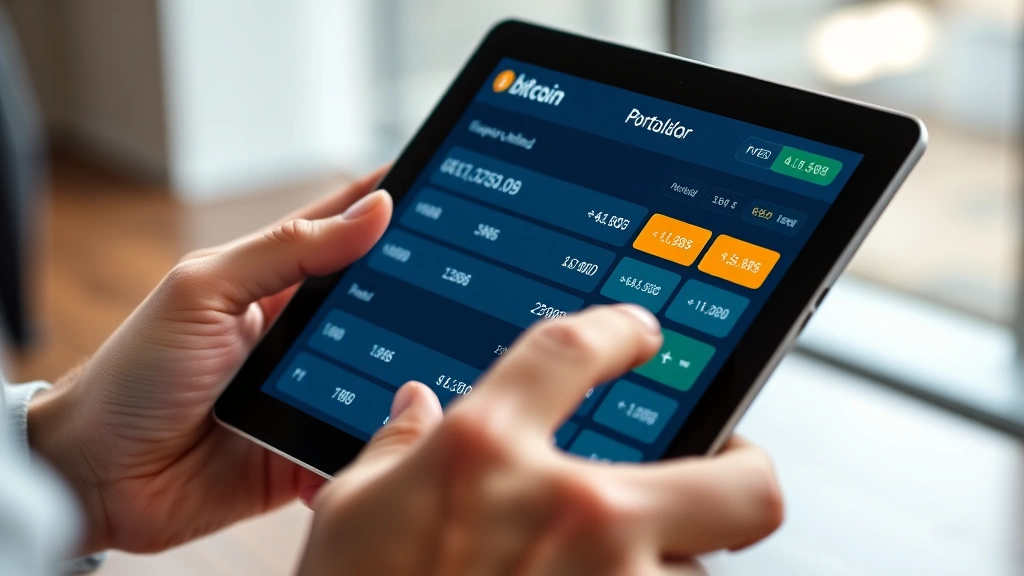
When using bitcoin calculators, remember that they’re only as accurate as the data you input and the exchange rates they pull. Market volatility means that historical performance doesn’t guarantee future results. The best calculator is one that matches your specific needs, whether you’re a casual investor tracking holdings, an active trader analyzing returns, or a miner evaluating profitability.
Many reputable exchanges and cryptocurrency platforms offer free calculator tools. Blockchain.com provides comprehensive tools including address lookup and transaction analysis. Kraken and other major exchanges include built-in conversion calculators. For mining-specific calculations, NiceHash offers detailed profitability analysis tools.

Understanding how to use bitcoin calculators effectively is a fundamental skill in cryptocurrency management. Whether you’re deciding to buy Bitcoin, tracking investment performance, or evaluating mining opportunities, these tools provide the quantitative foundation for informed decision-making. As you become more experienced, you’ll develop preferences for specific calculators and learn to interpret their outputs with greater sophistication.
The cryptocurrency market’s complexity demands that investors use every available tool to understand their positions clearly. Bitcoin calculators transform abstract cryptocurrency amounts into meaningful financial data in your local currency, making it easier to assess risk, calculate returns, and plan your financial future in the crypto space.
FAQ
What is the most accurate bitcoin calculator?
The most accurate calculators are those directly integrated with major exchanges (Coinbase, Kraken, Binance) since they use real-time market data from their own order books. CoinDesk‘s price index aggregates data from multiple exchanges, providing a reliable benchmark. Accuracy depends on how frequently the calculator updates prices and which data sources it uses.
Do bitcoin calculators account for taxes?
Basic calculators don’t include tax calculations, but specialized tax-aware calculators do. These tools calculate capital gains based on your country’s specific tax laws. However, they provide estimates only—consult a tax professional for definitive tax advice, as regulations vary significantly by jurisdiction.
Can I use bitcoin calculators to predict future prices?
No, calculators are tools for converting and analyzing current or historical data. They cannot predict future prices. Some calculators allow you to input hypothetical future prices to model scenarios, but these are projections you create, not predictions the calculator makes. Use them for planning, not price forecasting.
Are free bitcoin calculators reliable?
Yes, most free calculators from reputable sources are reliable. The key is using calculators from established platforms like major exchanges, cryptocurrency news sites, or blockchain explorers. Avoid obscure calculators from unknown sources, as they might display incorrect rates or compromise your privacy.
What’s the difference between a bitcoin calculator and a portfolio tracker?
A bitcoin calculator performs specific mathematical functions (conversion, fee calculation, mining profitability) for individual transactions or scenarios. A portfolio tracker is a comprehensive tool that continuously monitors all your holdings, calculates total value, tracks performance over time, and often includes calculator functions within it. Portfolio trackers are better for long-term management, while calculators excel at analyzing specific transactions.
How do I calculate my average bitcoin purchase price?
Advanced calculators include this feature. You input each purchase’s amount and price, and the calculator computes the weighted average. For example, if you bought 1 BTC at $40,000 and 1 BTC at $50,000, your average cost is $45,000. This average cost basis is essential for calculating actual profits or losses on your holdings.


