
Is Tarkov Bitcoin Farm Profitable? Player Insights and Analysis
Escape from Tarkov has become a cultural phenomenon in the gaming world, blending intense first-person shooter mechanics with deep economic simulation elements. One of the most intriguing aspects of the game is the Bitcoin Farm—a hideout module that generates cryptocurrency passively while players engage in raids and other activities. But the burning question remains: is it actually profitable? This comprehensive guide explores player experiences, profitability metrics, and strategic considerations that determine whether investing in a Tarkov Bitcoin Farm makes economic sense.
Understanding the Bitcoin Farm requires examining both the real-world cryptocurrency concepts it mirrors and the in-game economics that govern its operation. Unlike actual cryptocurrency mining, which demands significant computational resources, the Tarkov Bitcoin Farm operates on a simplified timer-based system. Yet players still debate its viability as a core money-making strategy, with opinions varying based on individual playstyles, hideout progression, and market conditions within the game.

Understanding the Tarkov Bitcoin Farm Mechanics
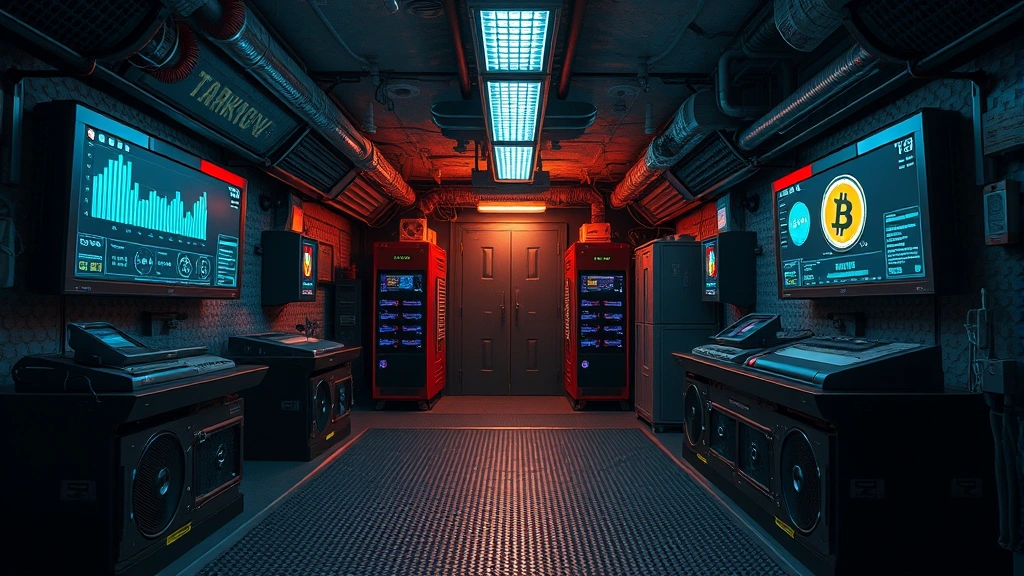
The Bitcoin Farm in Escape from Tarkov operates through a straightforward but time-consuming mechanism. Located within your hideout, this facility generates bitcoins automatically based on the number of graphics processing units (GPUs) installed. Each GPU generates one bitcoin approximately every 143-170 minutes, depending on your hideout management skill level and the specific GPU model. This passive income generation happens whether you’re actively playing, in a raid, or offline—provided your power supply remains operational and your hideout isn’t destroyed during raids.
The farm’s profitability hinges on several interconnected variables. First, you need to understand the progression requirements. Access to the Bitcoin Farm requires reaching level 2 in your hideout, which demands completion of specific quests and accumulation of resources. The initial construction requires approximately 1.5 million rubles in construction materials, not including the GPUs themselves. This substantial upfront cost deters many casual players, but experienced players view it as a critical long-term investment.
GPU acquisition represents the most challenging aspect of Bitcoin Farm setup. Players must hunt for graphics cards throughout Tarkov’s maps, trade with other players, or purchase them from the flea market. High-tier GPUs like RTX cards and Nvidia graphics processors command premium prices due to their superior bitcoin generation rates. The scarcity of GPUs in-game mirrors real-world cryptocurrency mining hardware availability, creating interesting parallels between game economics and actual crypto markets.
Initial Investment and Setup Costs
Before your Bitcoin Farm generates its first coin, you’ll face substantial financial commitments. The hideout module itself costs approximately 1.5-2 million rubles to construct, depending on current market prices for construction materials. However, this represents only the foundation. The real expense emerges when acquiring GPUs.
A fully operational Bitcoin Farm capable of running 25 GPUs—the maximum capacity in current game versions—requires securing 25 graphics cards. Prices fluctuate dramatically based on in-game market dynamics, but a single GPU typically ranges from 100,000 to 400,000 rubles depending on type and availability. This means establishing a complete farm demands between 2.5 to 10 million rubles in GPU purchases alone. Many players phase in their GPU acquisition gradually, starting with 3-5 cards and expanding over time as their financial situation improves.
Beyond initial costs, operational expenses include electricity consumption. The Bitcoin Farm requires fuel or power supplies to function. Each GPU consumes approximately 10 fuel per hour of operation. This ongoing expense must factor into profitability calculations. Additionally, hideout upgrades that improve efficiency—such as upgrading the management skill or installing better power systems—require additional investment but yield better bitcoin generation rates over time.
Smart investors approach this like cryptocurrency investment strategy, carefully calculating break-even points and expected returns. The key is understanding that this investment requires patience and sustained engagement with the game.
Profitability Calculations and ROI
Analyzing Bitcoin Farm profitability demands rigorous mathematical examination. With a fully loaded 25-GPU farm and average bitcoin generation rates, players can expect approximately 3.5-4.5 bitcoins per day under optimal conditions. Current in-game bitcoin values hover around 500,000-650,000 rubles per coin, generating daily returns of 1.75-2.92 million rubles before operational costs.
Subtracting fuel expenses (approximately 600,000 rubles daily for a full farm), net daily profit reaches roughly 1.15-2.32 million rubles. Over a month, this translates to 34.5-69.6 million rubles in pure profit from a fully operational farm. However, these calculations assume consistent gameplay and stable market conditions—variables that rarely remain constant in Tarkov’s dynamic economy.
Return on investment varies significantly based on initial setup timing. Players who established farms during GPU scarcity periods might have invested 8-12 million rubles initially. With monthly profits of 35-70 million rubles, their break-even point arrives within 2-4 months of consistent operation. Conversely, players starting their farm during low GPU price periods might achieve break-even in just 4-6 weeks. This illustrates why timing and market awareness prove crucial to farm profitability.
Many experienced players treat the Bitcoin Farm as a long-term passive income stream rather than a quick money-making scheme. Over six months of operation, a fully functional farm generates 200-400 million rubles in pure profit, making it one of the most reliable wealth-accumulation methods in the game. This steady income stream enables players to fund more aggressive playstyles, fund risky raids, or invest in other hideout upgrades.
GPU Requirements and Market Fluctuations
GPU selection dramatically impacts farming efficiency and profitability. Different GPU models generate bitcoins at varying rates. High-end graphics cards like RTX 3090s and RTX 4090s produce bitcoins faster than budget options like GTX 1070s, but their acquisition costs prove substantially higher. This creates an interesting optimization puzzle: should you invest in fewer high-performance GPUs or more budget-friendly options?
Mathematical analysis suggests that mid-tier GPUs like RTX 2080 Ti or RTX 3070 cards offer the best value proposition. They generate bitcoins at respectable rates while remaining relatively accessible on the flea market. Players running mixed GPU setups—combining high-tier and mid-tier cards—often achieve optimal balance between investment and returns.
Market fluctuations present both opportunities and risks. When Bitcoin prices surge in-game, farm profitability increases immediately without requiring additional investment. Conversely, GPU price inflation can make farm expansion prohibitively expensive. Savvy players monitor market trends, acquiring GPUs during price dips and selling bitcoins during market peaks. This mirrors real-world cryptocurrency trading psychology, where cryptocurrency volatility creates both opportunities and dangers.
The in-game economy also responds to patches and wipes. Major game updates sometimes adjust bitcoin generation rates, GPU availability, or prices, fundamentally altering farm profitability calculations. Players must remain adaptable, prepared to adjust their strategies when the developers rebalance game economics.
Comparison with Alternative Income Streams
To properly evaluate Bitcoin Farm profitability, comparing it against other money-making methods proves essential. Tarkov offers numerous income sources: raid loot collection, quest rewards, trading, crafting, and hideout production from other modules.
High-risk raid farming generates variable income. Successful raids might yield 500,000-2 million rubles in loot, but deaths result in complete loss. Over time, skilled players might average 1-3 million rubles per raid, but this requires active participation and carries significant risk. The Bitcoin Farm generates 1.15-2.32 million rubles daily with zero risk, making it mathematically superior for passive income despite requiring upfront investment.
Crafting and production facilities offer more predictable returns. Upgrading the Workbench, Nutrition Unit, or other crafting stations generates items with consistent profit margins. However, these typically yield 100,000-500,000 rubles daily, substantially less than a mature Bitcoin Farm. Most experienced players view the Bitcoin Farm as complementary to these other income sources rather than replacement for them.
The strategic advantage of the Bitcoin Farm lies in its passivity and consistency. While you’re raiding, completing quests, or engaging in PvP combat, your farm generates wealth automatically. This creates a powerful psychological advantage: players can pursue risky, potentially unprofitable activities without worrying about their economic survival, knowing their farm continues generating steady income regardless of raid success or failure.
Player Experiences and Real-World Data
Community research provides valuable insights into Bitcoin Farm profitability across different player segments. Hardcore players running fully optimized 25-GPU farms with high management skills report monthly profits exceeding 60 million rubles. These players typically started their farms early in wipes when GPU prices remained reasonable, then expanded gradually as profits accumulated.
Casual players operating smaller 5-10 GPU farms report more modest returns of 8-15 million rubles monthly. While still substantial, these returns require longer accumulation periods before reaching break-even points. However, casual players often find this acceptable, viewing the farm as long-term wealth insurance rather than immediate profit generation.
Interesting patterns emerge when analyzing player success metrics. Those who establish farms immediately upon reaching hideout level 2 tend toward higher profitability over extended periods, despite higher initial GPU acquisition costs. Players who delay farm setup until later in wipes often face dramatically inflated GPU prices, extending their break-even periods significantly. This temporal advantage highlights the importance of early progression and resource management.
Player retention data suggests Bitcoin Farm owners show higher long-term engagement with Tarkov. The consistent passive income provides psychological motivation to continue playing, knowing their wealth accumulates regardless of daily performance. This contrasts with players relying solely on active raid income, who may experience burnout during unsuccessful streaks.
Optimization Strategies for Maximum Returns
Experienced players employ several strategies to maximize Bitcoin Farm profitability. First, prioritizing hideout management skill through crafting and hideout upgrades accelerates bitcoin generation rates. Each skill level improvement provides percentage-based generation bonuses, compounding returns over time. Players who consistently upgrade their hideout and engage in crafting activities see their farms generate 15-25% more bitcoins compared to players ignoring management skill development.
GPU acquisition strategy significantly impacts long-term profitability. Rather than attempting to acquire 25 GPUs immediately, successful players employ phased expansion. Starting with 3-5 cards, they expand by 2-3 GPUs weekly as profits accumulate. This approach maintains lower total investment at any given time while still benefiting from early farm activation. By the time a full farm is operational, earlier GPUs have already generated substantial returns offsetting their cost.
Market timing proves crucial for maximum profitability. Monitoring in-game markets and purchasing GPUs during price dips while selling bitcoins during peaks significantly amplifies returns. Players who treat Bitcoin Farm management like actual portfolio diversification often achieve 20-30% better returns compared to passive operators.
Power management optimization also matters. Upgrading hideout power systems and fuel storage ensures your farm operates continuously without interruption. Some players maintain multiple fuel supplies, ensuring they never experience downtime due to power depletion. This seemingly minor optimization translates into millions of additional rubles annually through uninterrupted operation.
Finally, understanding your own risk tolerance determines optimal farm sizing. Conservative players might maintain 10-15 GPU farms generating reliable returns without overextending financially. Aggressive players might push toward 25 GPUs despite higher investment risk. Neither approach is inherently superior; profitability depends on matching farm size to your financial situation and long-term commitment level.
Integration with portfolio tracking systems helps serious players monitor their hideout operations systematically. Some community members maintain detailed spreadsheets tracking daily bitcoin generation, fuel consumption, and profit trends, enabling data-driven optimization decisions.
FAQ
How long does it take for a Bitcoin Farm to break even?
Break-even timing depends on initial GPU acquisition costs and current market prices. Players who establish farms with 5-10 GPUs during favorable market conditions typically break even within 4-8 weeks. Full 25-GPU farms might require 2-4 months of operation before generating profit exceeding total investment. This timeline assumes consistent gameplay and stable market conditions.
What happens if my hideout gets destroyed during a raid?
Your Bitcoin Farm continues operating during raids. However, if your hideout suffers destruction—which rarely occurs in normal gameplay—your farm stops generating bitcoins until repairs complete. This represents minimal practical risk for most players, as hideout destruction requires specific PvP scenarios that rarely occur in standard gameplay.
Can I make more money from other hideout modules instead?
While other hideout modules generate income, the Bitcoin Farm typically provides superior long-term returns. Crafting stations offer 100,000-500,000 rubles daily, while a mature Bitcoin Farm generates 1.15-2.32 million rubles daily. Most successful players operate both systems simultaneously for maximum profit generation.
Should I prioritize Bitcoin Farm or raid gear investment?
Experienced players balance both. The Bitcoin Farm provides passive wealth accumulation, while raid gear investment enables aggressive playstyles with high-risk, high-reward potential. The ideal approach involves establishing a small farm early, then expanding gradually as profits accumulate while maintaining active raid participation.
How do game patches affect Bitcoin Farm profitability?
Major patches sometimes adjust bitcoin generation rates, GPU availability, or market prices. These changes can temporarily reduce profitability but typically balance out as the community adapts. Long-term Bitcoin Farm investors should expect periodic adjustments and maintain flexible strategies accordingly.
Is the Bitcoin Farm worth pursuing as a new player?
New players should prioritize progression and learning game mechanics before investing heavily in Bitcoin Farm infrastructure. However, establishing a small 3-5 GPU farm once reaching hideout level 2 provides valuable passive income that supports further progression without requiring extensive time investment.


