Can You Mine Bitcoin on Android? Tech Insights
The idea of mining Bitcoin directly from your smartphone sounds appealing—earning cryptocurrency passively while your device sits in your pocket. However, the reality of Android Bitcoin mining is far more complex than marketing claims suggest. While technically possible, mining Bitcoin on Android devices presents significant challenges related to hardware limitations, energy efficiency, and profitability that make it impractical for serious miners.
This comprehensive guide explores the technical feasibility of Bitcoin mining on Android, examines available applications, discusses the economic viability, and explains why most Android mining operations fail to generate meaningful returns. Whether you’re curious about mobile mining as a hobby or considering it as an investment opportunity, understanding these fundamental constraints is essential before downloading any mining application.
How Bitcoin Mining Works
Bitcoin mining is the process by which new bitcoins are created and transactions are validated on the Bitcoin network. Miners compete to solve complex mathematical problems, and the first to solve the problem gets to add a new block to the blockchain, earning newly minted bitcoins plus transaction fees as a reward. This process requires substantial computational power and is designed to be increasingly difficult as more miners join the network.
The mining difficulty adjusts approximately every two weeks to maintain a consistent block creation time of roughly 10 minutes. As more computing power enters the network, the difficulty increases proportionally, making it harder for individual miners to compete. This fundamental aspect of Bitcoin’s design directly impacts why Android devices are poorly suited for mining operations.
Modern Bitcoin mining relies on specialized hardware called Application-Specific Integrated Circuits (ASICs). These devices are engineered exclusively for Bitcoin mining and consume enormous amounts of electricity. A single ASIC miner can perform trillions of calculations per second, while a smartphone’s processor is optimized for general-purpose computing and offers only a fraction of that performance.
Android Mining Hardware Limitations
Android devices, despite becoming increasingly powerful, face fundamental hardware constraints that make Bitcoin mining economically unviable. Modern flagship smartphones contain processors with multiple cores and impressive specifications, yet they remain vastly underpowered compared to industrial mining equipment.
Processing Power Disparity: A contemporary Android phone’s processor might achieve around 50-100 megahashes per second in mining operations. In contrast, modern ASIC miners deliver 100+ terahashes per second—roughly one million times more powerful. This astronomical difference means an Android device would require millions of years to solve a single Bitcoin block independently.
Battery and Thermal Issues: Continuous mining operations generate excessive heat that degrades smartphone components and battery health. Most Android devices are designed to throttle performance when temperatures rise, automatically reducing processing power to prevent damage. This thermal limitation makes sustained mining impossible, as the device will intentionally slow down computational operations.
Energy Consumption: While individual Android mining operations consume far less electricity than ASIC miners, the energy-to-reward ratio remains catastrophically unfavorable. A smartphone mining continuously might consume 5-10 watts of power, generating less than $0.001 in Bitcoin daily while potentially costing $0.50-1.00 in electricity.
Popular Android Mining Applications
Despite the poor economics, several applications claim to enable Bitcoin mining on Android devices. Understanding how these apps work and their actual capabilities is crucial before installation.
Merged Mining Apps: Some applications don’t actually mine Bitcoin directly. Instead, they participate in merged mining, where they mine alternative cryptocurrencies that use the same proof-of-work algorithm as Bitcoin. These altcoins have much lower difficulty levels, making mining feasible on modest hardware. However, the cryptocurrency rewards are typically worthless or extremely volatile.
Mining Pool Integration: Apps like MinerGate and Crypto Miner attempt to connect Android devices to mining pools, where combined computing power from thousands of devices tackles blocks collectively. While theoretically sound, the transaction fees and pool cuts often exceed the rewards generated by mobile hardware.
Honest Assessment of Returns: Reputable mining apps provide calculators showing estimated earnings. These calculations typically demonstrate that an Android device mining continuously generates $0.01-0.05 monthly in cryptocurrency, far below the electricity cost and hardware wear-and-tear expenses. Understanding investment fees and expenses becomes particularly important when evaluating these minimal returns against operational costs.
Many applications claiming to offer Bitcoin mining are scams. These apps request payment upfront, promise unrealistic returns, or harvest personal data and device resources for malicious purposes. Always research thoroughly before installing any mining application and check user reviews on legitimate app stores.
Profitability Analysis for Mobile Mining
A detailed profitability analysis reveals why Android mining remains economically unfeasible for nearly all users. Consider the following factors:
Hardware Costs: While you likely already own an Android device, using it for mining accelerates battery degradation and potential hardware damage. Replacing a smartphone battery costs $50-200, and the device’s resale value decreases with continuous mining operations.
Electricity Costs: In developed nations, residential electricity costs $0.10-0.30 per kilowatt-hour. A smartphone consuming 7 watts continuously costs approximately $0.50-1.50 monthly in electricity. An Android device mining 24/7 would generate perhaps $0.10-0.50 in Bitcoin monthly, resulting in a net loss after electricity expenses.
Mining Pool Fees: Most mining pools charge 1-3% fees on rewards. Additionally, pool payouts typically require reaching minimum withdrawal thresholds, meaning solo miners on pools might never receive payments.
Network Difficulty Growth: Bitcoin’s difficulty increases as more miners join the network. Even if Android mining were profitable today, increasing difficulty would erode returns over time. The Bitcoin forecast for 2025 suggests continued network growth and difficulty increases, making mobile mining progressively less viable.
A realistic calculation: An Android device mining continuously generates approximately 0.000001 Bitcoin annually under current conditions. At current Bitcoin valuations, this represents roughly $0.04-0.08 per year in gross revenue, while incurring $6-18 in electricity costs annually. The mathematics are unambiguous—Bitcoin mining on Android results in guaranteed losses.
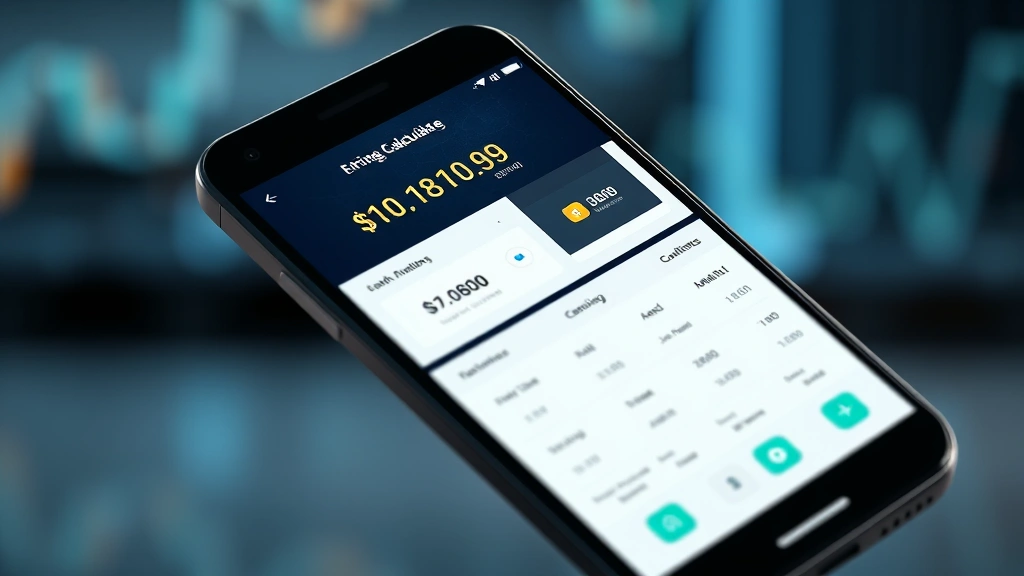
” alt=”Android smartphone displaying cryptocurrency mining application interface with hash rate statistics and earnings calculator on bright screen”/>
Risks and Scams in Android Mining
The Android mining space attracts numerous fraudulent operations exploiting user interest in passive cryptocurrency income. Understanding common scams protects your device and finances.
Upfront Payment Schemes: Legitimate mining requires no initial investment beyond your existing hardware. Scams frequently demand payment for “premium” mining features, guaranteed returns, or access to special mining pools. These payments are unrecoverable once transferred.
Malware and Spyware: Malicious applications disguised as miners install spyware, steal cryptocurrency wallets, or harvest personal information. Some apps create botnets, using your device’s processing power for criminal activities without compensation.
Unrealistic Return Promises: Any application guaranteeing specific Bitcoin returns or promising quick riches through mobile mining is fraudulent. Legitimate applications transparently display that returns are negligible and highly variable.
Battery and Hardware Degradation: Even honest mining apps cause accelerated battery wear, reduced device lifespan, and potential hardware damage. Users often don’t discover these costs until their device fails prematurely.
Personal Data Harvesting: Some applications request excessive permissions (location, contacts, photos) unrelated to mining functionality. This data is frequently sold to marketers or used for identity theft.
Before installing any mining application, thoroughly research user reviews, verify developer credentials, check app store ratings, and examine requested permissions. If returns seem unrealistic or payment is required upfront, the application is likely fraudulent.
Alternative Ways to Earn Cryptocurrency
If you’re interested in earning cryptocurrency with minimal effort, several alternatives prove far more practical than Android mining.
Staking: Many cryptocurrencies reward users for holding and validating transactions through staking mechanisms. Unlike mining, staking requires minimal computational power and can be performed on standard hardware or through custodial services. Returns typically range from 3-20% annually depending on the cryptocurrency.
Cryptocurrency Lending: Platforms allow you to lend cryptocurrency and earn interest, typically ranging from 2-15% annually. This passive income requires no hardware investment or computational resources.
Airdrops and Rewards Programs: Cryptocurrency projects frequently distribute free tokens to promote adoption. While individual airdrop values are typically small, accumulating multiple airdrops generates meaningful returns without mining.
Faucets and Microtasks: Cryptocurrency faucets distribute small amounts of crypto for completing simple tasks or viewing advertisements. While earnings are modest ($0.10-1.00 daily), they require no hardware investment.
Cloud Mining: Third-party companies operate mining hardware and sell shares of mining rewards. While controversial and sometimes fraudulent, legitimate cloud mining services eliminate hardware and electricity costs. However, thorough research is essential, as many cloud mining providers are scams. Understanding investment fees and expenses becomes critical when evaluating cloud mining contracts.
Dollar-Cost Averaging: Rather than attempting to mine, simply purchasing small amounts of Bitcoin regularly through legitimate exchanges often proves more profitable than mining operations. This approach eliminates hardware costs and electricity expenses entirely.
For those interested in deeper market understanding, Bitcoin on-chain analysis provides insights into market dynamics and optimal timing for cryptocurrency acquisitions. Additionally, understanding concepts like the Bitcoin power law helps contextualize long-term investment strategy.
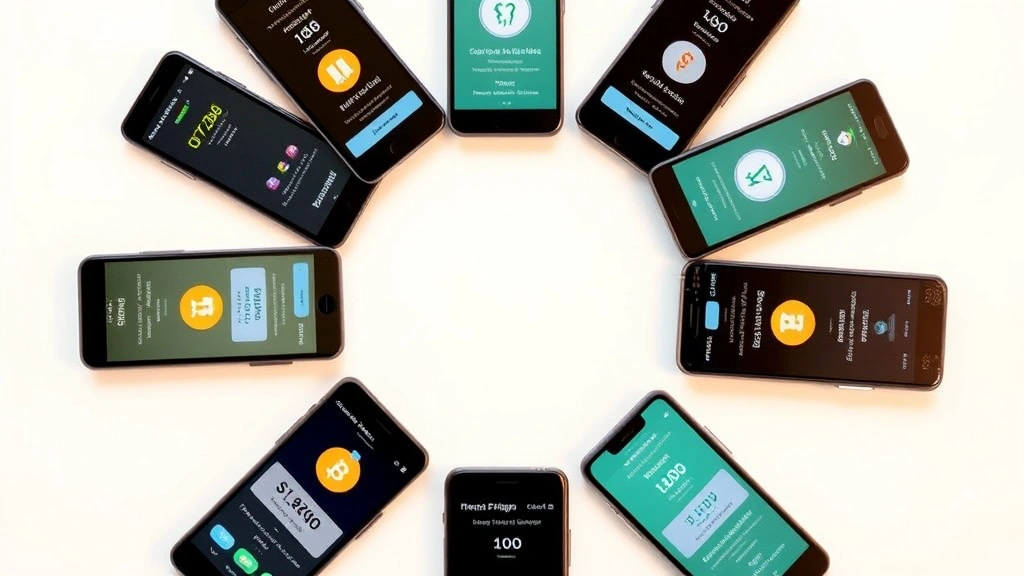
” alt=”Multiple smartphones arranged in circle showing various cryptocurrency earning methods including staking interfaces, lending platforms, and airdrop notifications”/>
Understanding Market Conditions
The viability of any cryptocurrency earning method depends on broader market conditions. During bear market versus bull market cycles, cryptocurrency values fluctuate significantly, affecting mining reward values and alternative earning method returns.
Bitcoin’s price appreciation historically outpaces mining rewards during bull markets, making direct Bitcoin purchases more profitable than mining operations. During bear markets, mining becomes even less viable as reward values decline while difficulty remains high. Market timing and understanding these cycles inform better cryptocurrency earning decisions than attempting to mine on inadequate hardware.
Institutional adoption of Bitcoin, including products like Fidelity’s physical Bitcoin ETP, demonstrates that traditional financial institutions increasingly recognize Bitcoin’s value. This institutional interest typically strengthens Bitcoin’s long-term price trajectory, making direct ownership through regular purchases more sensible than mining on consumer hardware.
FAQ
Can you actually mine Bitcoin on an Android phone?
Technically yes, but it’s economically futile. Android devices can participate in mining operations through applications connecting to mining pools, but the computational power is so minimal that earnings never exceed electricity costs and hardware degradation expenses. You might earn $0.01-0.05 monthly while incurring $0.50-1.50 in electricity costs.
What’s the best Bitcoin mining app for Android?
No Android mining app is truly worthwhile from a profitability standpoint. If you’re determined to experiment, research apps with transparent return calculators and extensive positive user reviews. However, expect negative returns regardless of which app you choose. Always prioritize security and verify the developer’s legitimacy before installation.
How much can you earn mining Bitcoin on Android?
Under current conditions, a continuously mining Android device generates approximately $0.10-0.50 monthly in gross Bitcoin rewards, before deducting electricity costs ($0.50-1.50 monthly) and accounting for hardware degradation. Net earnings are negative for virtually all users in all geographic locations.
Will Android Bitcoin mining ever become profitable?
Only if Bitcoin’s price increases dramatically while network difficulty decreases substantially—both unlikely scenarios. More realistically, increasing network hashrate and improving ASIC efficiency make Android mining progressively less viable. The fundamental hardware limitations are inherent to smartphone design and won’t change.
Are Android mining apps safe?
Many are fraudulent or malicious. Legitimate apps are safe but unprofitable. Before installation, research developer credentials, verify app store ratings, examine user reviews, check requested permissions, and confirm that no upfront payment is required. If promises seem unrealistic, avoid the application.
What’s a better way to earn cryptocurrency than Android mining?
Staking, cryptocurrency lending, dollar-cost averaging Bitcoin purchases, and participating in legitimate airdrops all generate better returns than Android mining with significantly lower time and hardware investment. For most users, simply buying Bitcoin regularly through established exchanges like Coinbase or Kraken proves more profitable than any mining operation.
How does Android mining affect my phone’s battery?
Continuous mining operations dramatically accelerate battery degradation, potentially reducing battery lifespan from several years to months. Additionally, the heat generated by sustained mining can damage internal components and trigger thermal throttling, where the device intentionally reduces processing power to prevent overheating.